
Nigeria Busts Mexican Meth Cartel in $300M NDLEA Raid
In a recent DW News report titled "Nigeria busts $300M meth empire: How West Africa became a drug hub," the scale of a Nigerian-Mexican cartel operation came into sharp focus for families across Mexico. The discovery of an industrial methamphetamine laboratory in Ogun State shows how production expertise tied to the U.S.
In a recent DW News report titled "Nigeria busts $300M meth empire: How West Africa became a drug hub," the scale of a Nigerian-Mexican cartel operation came into sharp focus for families across Mexico. The discovery of an industrial methamphetamine laboratory in Ogun State shows how production expertise tied to the U.S. meth crisis now reaches West Africa, directly affecting Mexican communities through recruitment, remittances to cartels, and strained international relations.
Nigeria Dismantles Nigerian-Mexican Meth Cartel in Record Ogun State Raid
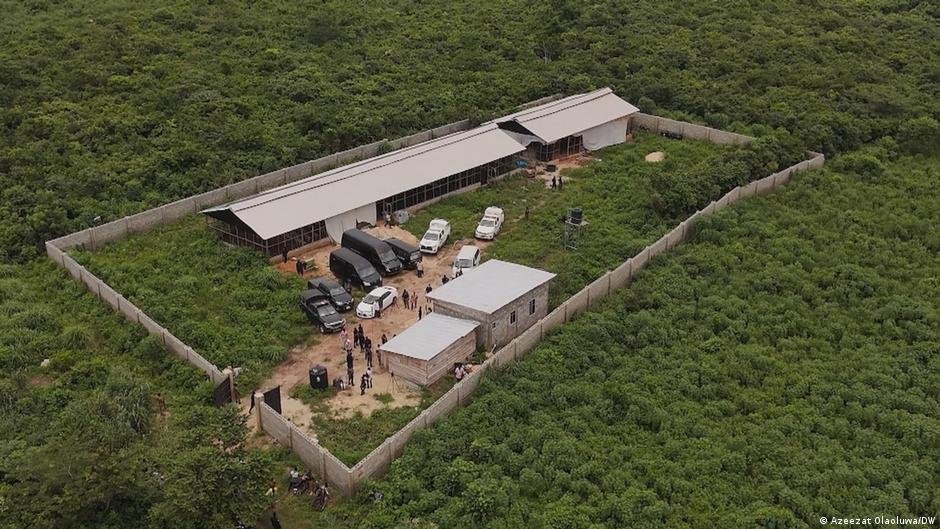
Lagos, Nigeria – Mexico — The National Drug Law Enforcement Agency dismantled a major Nigerian-Mexican drug cartel operating an industrial-scale clandestine methamphetamine laboratory in the Abidagba forest near Mowe village in Ijebu East Local Government Area, Ogun State. The May 16 operation by the NDLEA Special Operations Unit targeted sites across Ogun and Lagos states and resulted in the arrest of ten suspects, including three Mexican nationals brought in as production experts.
The Story Unfolds
NDLEA chairman Brig. Gen. Mohamed Buba Marwa described the raids as a clinical and simultaneous operation. Agents arrested alleged mastermind Anochili Innocent, 63, at his residence in Golf Estate, Lakowe, Lekki, Lagos. The three Mexican nationals identified as methamphetamine production experts were Juan Carlos Meza Torrero, 49, Nemecio Martinez Felix, 46, and Jesús López Valles, 40. Six Nigerian collaborators detained included Nwankwo Sunday Christian, 41, Egwuonwu Uchenna Victor, 38, Igwe Abuchi Remijus, 43, Ifeanyichukwu Chibuike Joshua, 23, Omonughwa Kingsley Orike, 45, and Nwobum Emeka, 59.
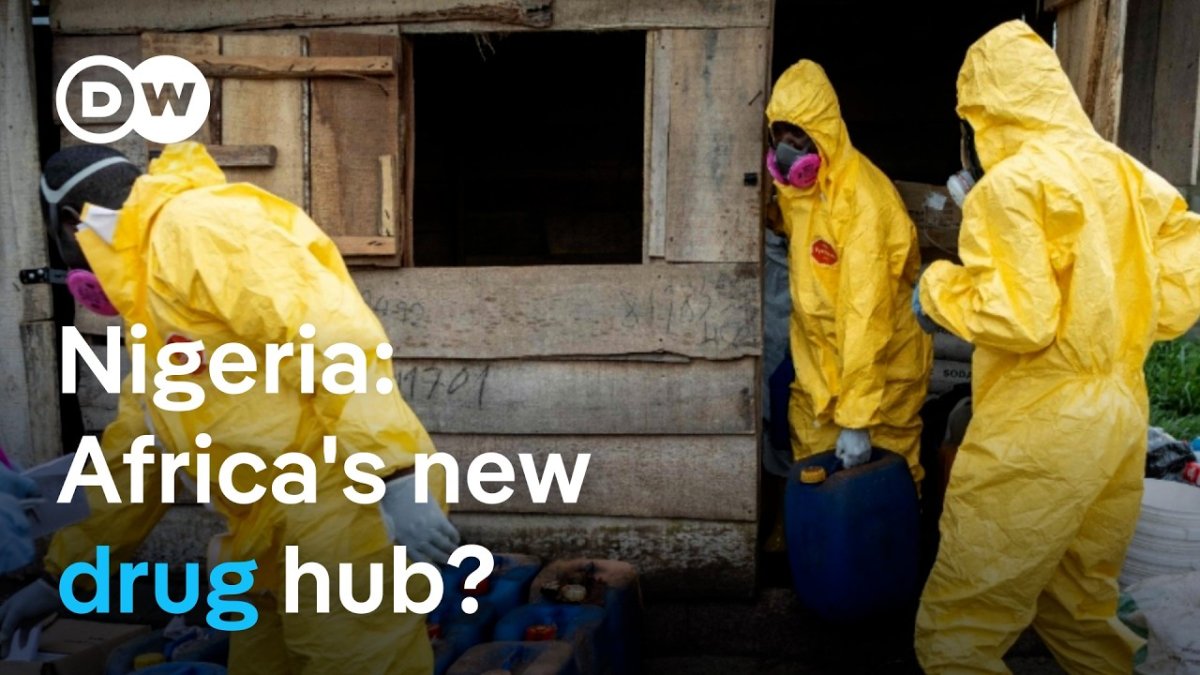
Follow-up raids on May 18 at Mayfair Estate, Lakowe, and a stash house in Lekki yielded additional evidence. Officers seized 2,419.48 kilograms of methamphetamine valued at more than N480 billion, equivalent to about $362.9 million. They also recovered 358 kilograms of toluene, 1,834 kilograms of hydrochloric acid, 22.5 kilograms of acetone, plus phenyl-2-propane and phenyl acetic acid. Three vehicles—a Toyota Tacoma, a Toyota Highlander, and a Mercedes-Benz—used to transport chemicals from Lagos to the forest lab were impounded along with the Mexican suspects' international passports and mobile phones.
The Abidagba forest site near Mowe village in Ijebu East LGA was hidden in dense woodland, allowing the operators to scale production far beyond the small clandestine labs typically found in West Africa. According to the charge sheet, the conspiracy to establish and run the laboratory ran from February until the May 16 raid, indicating months of continuous operation.
Precursor chemicals moved through a logistics chain that began in Lagos before traveling by road to the forest location in the seized Toyota Tacoma, Toyota Highlander, and Mercedes-Benz. The recovered volumes of toluene, hydrochloric acid, and acetone point to a supply network capable of sustaining multi-ton output over repeated production cycles.
Intelligence collection stretched across weeks of surveillance on both the Lagos residences and the Ogun forest site, enabling the NDLEA Special Operations Unit to coordinate simultaneous entries that prevented any destruction of evidence or escape of key personnel.
Mexican Context
The presence of Mexican production specialists in the Ogun State forest underscores the global reach of Mexican organized crime networks. The same technical knowledge behind large-scale meth output in Mexico and the United States now appears in West Africa, raising questions about Mexico's security strategy under the Sheinbaum administration and the lingering effects of the previous AMLO approach. Mexican institutions such as the FGR, SEDENA, SEMAR, and Guardia Nacional continue to confront similar expertise at home while bilateral talks with the United States focus on shared responsibility for precursor flows and cartel finances.
Sinaloa and Jalisco Nueva Generación cartels have long maintained cells in Europe, Asia, and parts of Latin America, training local partners in extraction and synthesis techniques that originated in Mexican labs. The Ogun State case extends this pattern into West Africa, where lower operating costs and weaker precursor controls create new production nodes.
Under President Sheinbaum, the government has signaled a shift toward greater coordination among FGR prosecutors, SEDENA troops, SEMAR naval units, and Guardia Nacional forces, moving beyond the "abrazos, no balazos" emphasis of the AMLO years while still prioritizing social programs in cartel-influenced regions.
At home, these same institutions face daily challenges dismantling labs in states such as Sinaloa, Michoacán, and Guerrero, where similar Mexican "cooks" refine methods later exported abroad. The Nigeria operation now features in ongoing US-Mexico security dialogues focused on fentanyl and methamphetamine precursor controls.
Impact on Mexican Communities
Cartel recruitment of specialists pulls in vulnerable Mexicans, often from rural areas or border colonias, who travel abroad for high-risk work. Families in places like Ciudad Juárez and Tijuana already feel the weight of the meth and fentanyl crisis through lost relatives and community violence. Money generated by operations like the one in Ogun State flows back to cartel networks, sustaining cycles that harm small business owners, teachers, and healthcare workers on both sides of the border.
In rural pueblos and border colonias, young men with chemistry or engineering training receive offers that promise quick remittances but carry the constant risk of arrest or retaliation if operations fail. Families left behind often receive irregular payments that mask the dangerous nature of the work.
The addiction crisis inside Mexico has intensified in recent years, with methamphetamine and fentanyl reaching secondary cities and even smaller towns where local health centers lack resources to treat rising overdose cases among campesinos and urban workers alike.
Cartel violence tied to these networks continues to displace families in affected regions, forcing teachers and healthcare workers to navigate extortion demands while small business owners close shops when protection payments become unsustainable.
The Global Meth Economy
The worldwide methamphetamine market has expanded rapidly beyond traditional North American and East Asian demand centers, with production shifting toward regions offering cheap labor, accessible precursors, and limited law enforcement reach. West Africa, including Nigeria, now serves as an emerging node where Mexican technical expertise combines with local distribution networks to supply both regional consumption and onward shipment to Europe.
Precursor chemicals such as phenyl acetic acid and toluene continue to flow through global trade routes that originate in Asia and pass through European or Latin American ports before reaching West African destinations. Nigerian ports have become attractive transshipment points because of weaker regulatory oversight compared with Mexican facilities monitored by COFEPRIS and SEDENA.
Organized crime groups finance these operations through layered financial structures that move profits back to Mexican cartels, sustaining recruitment and lab construction in multiple countries. Nigeria's position as a new production hub reduces reliance on Mexican territory alone and complicates interdiction efforts by spreading risk across continents.
Security analysts note that meth profits increasingly intersect with other illicit economies in West Africa, creating revenue streams that can support broader criminal enterprises while Mexican authorities track how these distant labs affect domestic cartel finances.
Reactions and Responses
NDLEA Director of Media and Advocacy Femi Babafemi detailed the arrests and noted months of intelligence gathering. Chairman Marwa stated the Mexican nationals were brought into the country specifically to cook the substance. On Friday, all ten defendants appeared before Justice Musa Kakaki of the Federal High Court in Lagos on an 11-count charge covering conspiracy, establishment of an illegal drug laboratory, and production of methamphetamine. The conspiracy allegedly ran from February to May 16. All pleaded not guilty, seven witnesses have been called, and the court ordered the defendants held at the Correctional Centre in Lagos pending bail and trial hearings.
The Lagos court proceedings will likely extend over many months as prosecutors present evidence gathered from the forest site and Lagos residences. A not guilty plea by all ten defendants means the trial will require full testimony from the seven witnesses already listed, testing the strength of NDLEA documentation on chemical volumes and operational roles.
International cooperation between NDLEA and Mexican authorities, supported by broader INTERPOL-style coordination, will determine whether additional evidence from Mexico can be introduced to establish the recruitment chain that brought the three specialists to Nigeria.
Observers in Mexico note that successful prosecution in Lagos could provide FGR and SRE with new leverage in bilateral discussions on extradition and financial tracking of cartel proceeds generated abroad.
What This Means for the Fight Against Cartels
The Ogun State laboratory, described by DW as Nigeria's largest ever found, signals that international cartels are expanding meth production across West Africa. Security experts point to growing links between organized crime and terrorism financing in the region. For Mexico, the case illustrates how production methods developed domestically now travel, complicating efforts by the Presidencia and SRE to strengthen cooperation with African nations and the United States.
West Africa has emerged as a secondary hub for synthetic drug production, with Nigeria's large population and port infrastructure offering both local markets and transit routes toward Europe. This trend mirrors earlier shifts seen in other regions where Mexican methods were adapted to lower-cost environments.
Links between organized crime profits and terrorism financing in parts of the Sahel raise additional concerns for Mexican institutions monitoring how cartel revenues sustain operations far from home territory.
Lessons for Mexican authorities include the need for tighter controls on specialist recruitment and enhanced information sharing with African partners to disrupt the export of production expertise before new labs become operational.
What to Watch For
Officials held a rare on-site court hearing in early August to seek approval for dismantling the facility. A separate NDLEA raid in June uncovered another multi-billion-naira meth lab in Oyo State, where one Mexican national and four Nigerians were arrested, showing the pattern continues. Mexican readers should monitor the Lagos trial outcome, any further arrests, and whether the Sheinbaum administration adjusts its approach to transnational recruitment and financial flows.
Further developments in the Oyo State case may reveal whether additional Mexican personnel remain active in the region or whether the June arrests disrupted a parallel network. Continued monitoring by NDLEA and Mexican agencies will determine if more labs surface in neighboring states.
Policy adjustments under the Sheinbaum administration could include expanded cooperation agreements with West African governments and stronger financial tracking measures aimed at remittances tied to overseas cartel activity.
The Ogun State operation reveals how cartel expertise exported from Mexico reaches distant communities, placing new pressures on families already navigating economic hardship and security concerns at home. Continued vigilance by Mexican institutions and stronger international coordination remain essential to limit the spread of these networks.
By Rosa Martinez, Staff Writer
This article was produced with AI-assisted research and editorial support. Reporting is based on sources cited in the article.
What's Your Reaction?
 Like
0
Like
0
 Dislike
0
Dislike
0
 Love
0
Love
0
 Funny
0
Funny
0
 Wow
0
Wow
0
 Sad
0
Sad
0
 Angry
0
Angry
0
Latin America/Andes Correspondent at Global1.News. Based in Bogota, covering politics, environment, energy, and social movements across the Andean region. Passionate about environmental journalism and communities protecting their land.











Comments (0)