
Likud Reserves Top Slots for Sa'ar, Israel Katz and Haim Katz as Netanyahu Consolidates Control
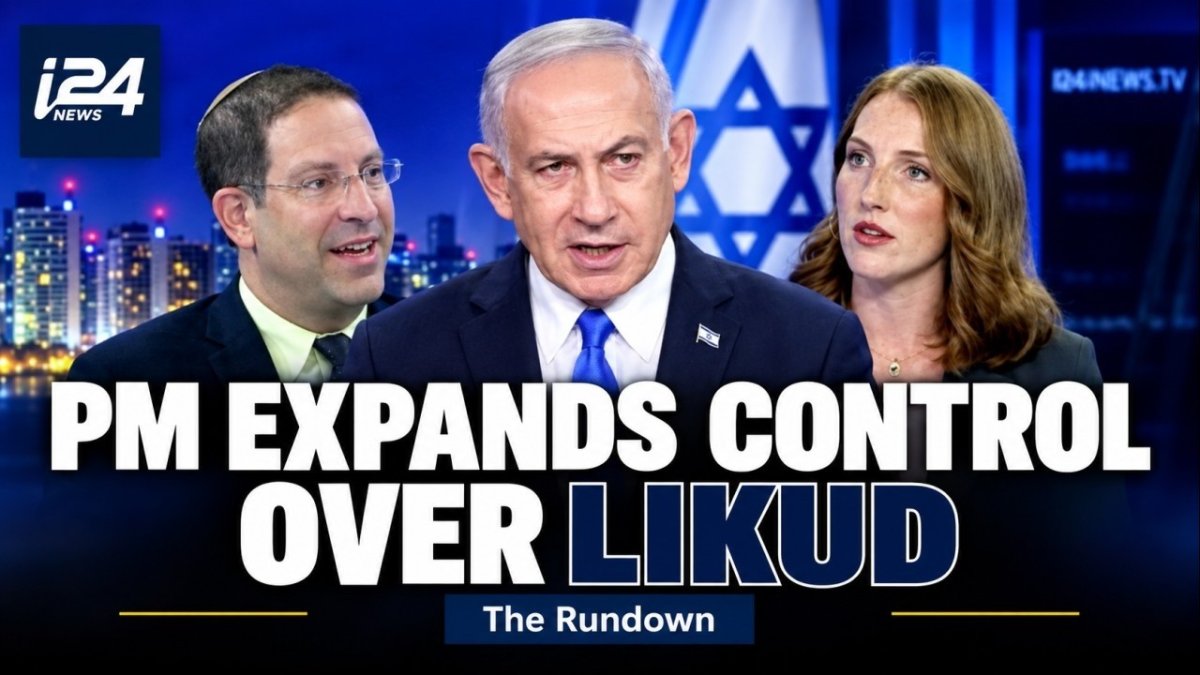
In a late-night political maneuver reported by i24NEWS English, Prime Minister Benjamin Netanyahu's Likud party has moved to lock in guaranteed Knesset slots for three senior ministers — Foreign Minister Gideon Sa'ar, Defense Minister Israel Katz, and Likud Central Committee Chairman Haim Katz — ahead of Israel's October 27 general election.
In a late-night political maneuver reported by i24NEWS English, Prime Minister Benjamin Netanyahu's Likud party has moved to lock in guaranteed Knesset slots for three senior ministers — Foreign Minister Gideon Sa'ar, Defense Minister Israel Katz, and Likud Central Committee Chairman Haim Katz — ahead of Israel's October 27 general election. The move deepens the prime minister's hold over the party slate at a moment when polling points to his most challenging electoral test in years.
Likud Reserves Top Slots for Sa'ar, Israel Katz and Haim Katz as Netanyahu Consolidates Control
Jerusalem, Israel — The Likud party's late-night decision to reserve Knesset slots for three senior ministers marks a pivotal moment in Israeli politics, as Prime Minister Benjamin Netanyahu prepares for what polls suggest could be his most challenging election since returning to power. The move, announced in the early hours of Tuesday, comes just 11 weeks before Israelis head to the polls to elect all 120 members of the 26th Knesset, and reflects Netanyahu's strategy of prioritizing loyalty and experience over grassroots primary results.
Netanyahu Tightens Grip on the Slate
In a late-night political maneuver announced early Tuesday, the Likud party moved to cement Prime Minister Benjamin Netanyahu's control over the party's electoral list ahead of Israel's October 27, 2026 general election. The party's secretariat will be asked to approve guaranteed Knesset slots for Foreign Minister Gideon Sa'ar, Defense Minister Israel Katz, and Likud Central Committee Chairman Haim Katz, adding to the eight reserved positions already granted to Netanyahu for candidates of his choosing. The move, which reserves 10 of the top slots on the Likud slate, comes as Netanyahu faces mounting pressure from a recent poll showing Gadi Eisenkot's new "Yashar" party overtaking Likud in public support.
The decision, reported in a recent i24NEWS English report, marks a significant departure from traditional Likud primary politics and signals Netanyahu's determination to shape the party's future composition from the top down. The eight slots already granted to Netanyahu — positions 3, 5, 9, 11, 15, 18, 26, and 29, up to the 30th position on the slate — represent an unprecedented level of prime ministerial control over the party list. With the addition of Sa'ar, Katz, and Katz, the Likud leadership has effectively guaranteed that one-third of the top 30 positions will be filled without a competitive primary process.
Defense Over Politics: The Katz Calculation
The party's justification for reserving a slot for Defense Minister Israel Katz is rooted in security considerations that resonate deeply with Israeli voters. The Likud party stated that the defense minister, "who in any case was expected to reach the top of the list, should be given a reserved slot in order to allow him to deal with security needs and not engage in politics at this time." This rationale follows a ruling last week by the Likud party tribunal, which determined that Katz should be granted a reserved spot so he can focus on critical defense needs rather than political campaigning during this volatile security period.
However, the internal party poll that projected Katz would reach only the 19th seat on the slate tells a more complex story. While Katz's current role as defense minister places him at the center of Israel's security decision-making — overseeing IDF operations in Gaza, coordinating with the Shin Bet on West Bank operations, and managing the northern front against Hezbollah — his popularity within the Likud rank-and-file appears less certain. The reserved slot ensures that Katz will not need to expend political capital on a primary campaign, allowing him to dedicate his full attention to the security portfolio at a time when the IDF is conducting operations on multiple fronts.
The Katz decision also carries strategic implications for Netanyahu's coalition calculus. By securing Katz's position, Netanyahu ensures that a loyalist with deep security credentials remains in the Knesset regardless of primary outcomes. This matters particularly because Katz has been a consistent supporter of Netanyahu's security policies, including the ongoing military campaign against Hamas in Gaza and the targeted operations against Iranian proxies in Syria. The defense minister's presence in the next Knesset provides Netanyahu with a reliable ally in any future coalition negotiations, especially if the election results produce a fragmented parliament.
Merger Promises and Loyalty Rewards
Foreign Minister Gideon Sa'ar's reserved slot stems directly from the unification agreement between his New Hope party and Likud, a merger that was finalized in 2024 and represented a significant realignment of Israel's center-right political landscape. Sa'ar, who previously served as justice minister and was once considered a leading challenger to Netanyahu within Likud before his departure and subsequent return, brings a different political profile to the party. His placement on the list honors the commitments made during the merger negotiations, ensuring that the former rival maintains a secure parliamentary position.
The Sa'ar reservation reflects the delicate balance Netanyahu must strike between consolidating power and maintaining the broad coalition that has sustained his government. Sa'ar's New Hope party brought with it voters who might otherwise have gravitated toward centrist alternatives, and his guaranteed slot serves as a signal to those voters that their political home remains viable within the Likud framework. For Netanyahu, the merger represents both an electoral asset and a potential source of internal tension, as Sa'ar's more moderate positions on some issues could create friction with the party's more hawkish elements.
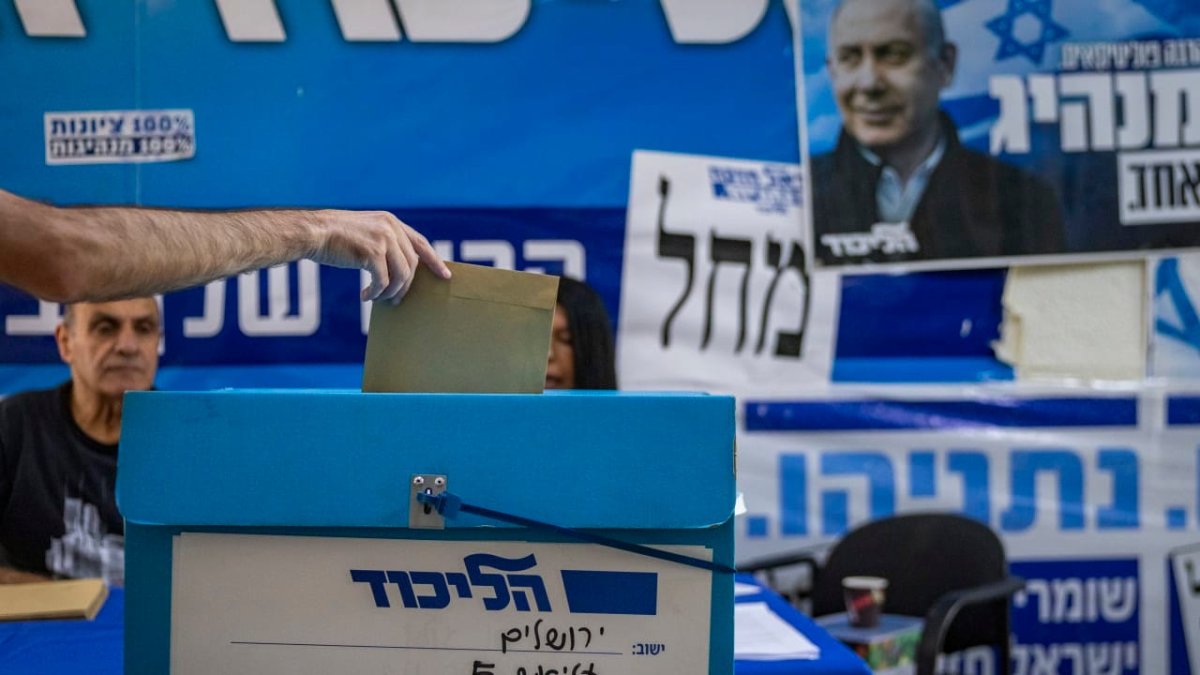
Haim Katz, the chairman of the Likud Central Committee, receives his reserved spot by virtue of his organizational role within the party structure. The Likud court cleared Haim Katz for the reserved slot, recognizing the institutional importance of ensuring that the party's internal machinery remains stable during the election period. As chairman of the Central Committee, Haim Katz oversees the party's internal governance, including the primary processes that the current reserved slots partially bypass. His guaranteed position ensures continuity in party management regardless of electoral outcomes.
AI and the New Faces of Likud
Netanyahu's first announced reserved candidate, revealed Monday evening, signals the prime minister's focus on bringing technological expertise into the next Knesset. Oren Dobronsky, a high-tech entrepreneur and businessman known to Israeli audiences as a panelist on Channel 12's "Shark Tank" — known in Hebrew as "The Sharks" — will be placed in the 11th position on the Likud list. The party announced that after the elections, Dobronsky is expected to lead artificial intelligence initiatives across education, medicine, and finance, positioning Likud as the party of technological innovation.
The Dobronsky appointment reflects a broader trend in Israeli politics of bringing business and technology leaders into the Knesset, a move that resonates with voters concerned about the cost of living and economic growth. Israel's high-tech sector remains a cornerstone of the economy, contributing significantly to exports and employment, and Netanyahu's choice of Dobronsky suggests an electoral strategy that emphasizes economic competence alongside security credentials. The 11th position is considered a safe slot, ensuring Dobronsky's entry into the Knesset while allowing him to develop his political profile without the pressure of a competitive primary.
The selection of Dobronsky also speaks to Netanyahu's willingness to bring fresh faces into the party hierarchy, even as he simultaneously secures positions for veteran loyalists. This dual approach — rewarding established allies while introducing new talent — reflects a calculated effort to broaden Likud's appeal beyond its traditional base. The AI focus aligns with Netanyahu's long-standing emphasis on Israel as a "startup nation" and his vision of positioning the country at the forefront of technological development, particularly in fields with strategic military and economic applications.
Internal Backlash and Party Friction
The reserved slots have not gone unchallenged within Likud's ranks. Likud MK Tally Gotliv blasted what she called a "despicable" decision to reserve a slot for Defense Minister Katz, highlighting the internal tensions that the move has generated. Gotliv, known for her outspoken positions and grassroots support within the party, represents a faction that views the primary process as fundamental to Likud's democratic character. Her criticism underscores the risk that Netanyahu's consolidation of control could alienate party activists who have traditionally played a significant role in shaping the party list.
The backlash comes at a delicate moment for Netanyahu, who has made the composition of the party list a central focus ahead of the election. In recent weeks, the prime minister considered far-reaching options — including establishing an appointing committee that would bypass party primaries altogether, a rare departure since he took the helm of Likud. While that option was ultimately not pursued, the consideration itself signaled to party members that Netanyahu is willing to fundamentally alter the party's internal democratic processes to achieve his electoral objectives.
Two weeks ago, the Likud Central Committee approved all of Netanyahu's requests ahead of the general election, including the eight reserved slots. This approval, while providing Netanyahu with the formal authority to proceed, does not eliminate the underlying discontent among party activists who see the reserved slots as undermining the competitive spirit that has historically defined Likud primaries. The tension between Netanyahu's centralized control and the party's grassroots democratic traditions represents an ongoing fault line within Likud that could have implications beyond the current election cycle.
Analysis: What This Means for October 27
The reserved slots strategy must be understood within the context of a challenging electoral environment for Netanyahu. A recent poll showed Gadi Eisenkot's new "Yashar" party overtaking Netanyahu's Likud, a development that has sent shockwaves through the Israeli political establishment. Eisenkot, a former IDF chief of staff, has positioned his party as a centrist alternative with strong security credentials, appealing to voters who prioritize defense matters but are dissatisfied with the current government's performance. The poll results suggest that Netanyahu's traditional dominance of the security discourse may be eroding.
By securing the top positions on the Likud list, Netanyahu is attempting to project an image of stability and unity, even as external polls indicate vulnerability. The reserved slots for Katz and Sa'ar ensure that the party's most senior ministers — those with direct responsibility for Israel's security and diplomatic affairs — will be present in the next Knesset regardless of primary outcomes. This approach prioritizes continuity and experience at a time when Israel faces significant security challenges, including the ongoing conflict in Gaza, the northern front with Hezbollah, and the broader confrontation with Iran and its proxies.
The decision also carries implications for the post-election coalition-building process. With 10 of the top 30 slots reserved, Netanyahu has greater certainty about the composition of his parliamentary faction, allowing him to plan coalition negotiations with a clearer picture of his available partners. The guaranteed presence of senior ministers with established relationships in the defense and diplomatic establishments could facilitate smoother government formation, particularly if the election results produce a fragmented Knesset requiring complex coalition arrangements.
For Israeli voters, the reserved slots represent a departure from the traditional primary system that has long been a defining feature of Likud's internal politics. The move raises questions about the future of party democracy in Israel's largest right-wing party and whether other parties will follow suit. As the October 27 election approaches, the composition of party lists will remain a central focus of political discourse, with implications for governance, coalition stability, and the broader direction of Israeli policy on security, diplomacy, and domestic affairs.
The coming weeks will reveal whether Netanyahu's consolidation of control over the Likud list translates into electoral success or whether it fuels further internal dissent that could undermine the party's campaign. With Eisenkot's Yashar party gaining momentum and the security situation remaining volatile, the October 27 election promises to be one of the most consequential in Israel's recent history. The reserved slots represent Netanyahu's bet that a unified, experienced, and loyalist list will resonate with voters seeking stability in uncertain times — a calculation that will be tested at the ballot box in just over two months.
By Hannah Berg, Staff Writer
This article was produced with AI-assisted research and editorial support. Reporting is based on sources cited in the article.
What's Your Reaction?
 Like
0
Like
0
 Dislike
0
Dislike
0
 Love
0
Love
0
 Funny
0
Funny
0
 Wow
0
Wow
0
 Sad
0
Sad
0
 Angry
0
Angry
0

Israel Correspondent at Global1.News. Based in Tel Aviv, covering Israeli politics, security, technology, and society. Provides balanced, deeply-sourced reporting on one of the most closely-watched regions in the world.














Comments (0)