
Jharkhand Hunger Strike Day 11: JPSC Leak CBI Probe Demanded
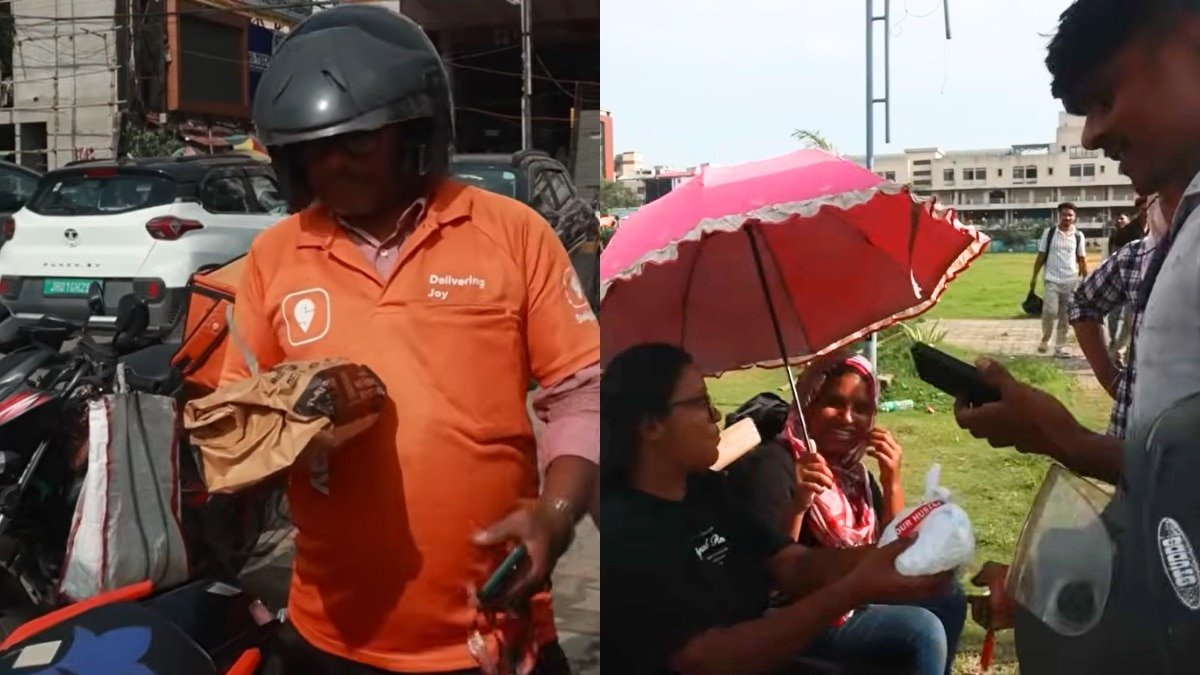
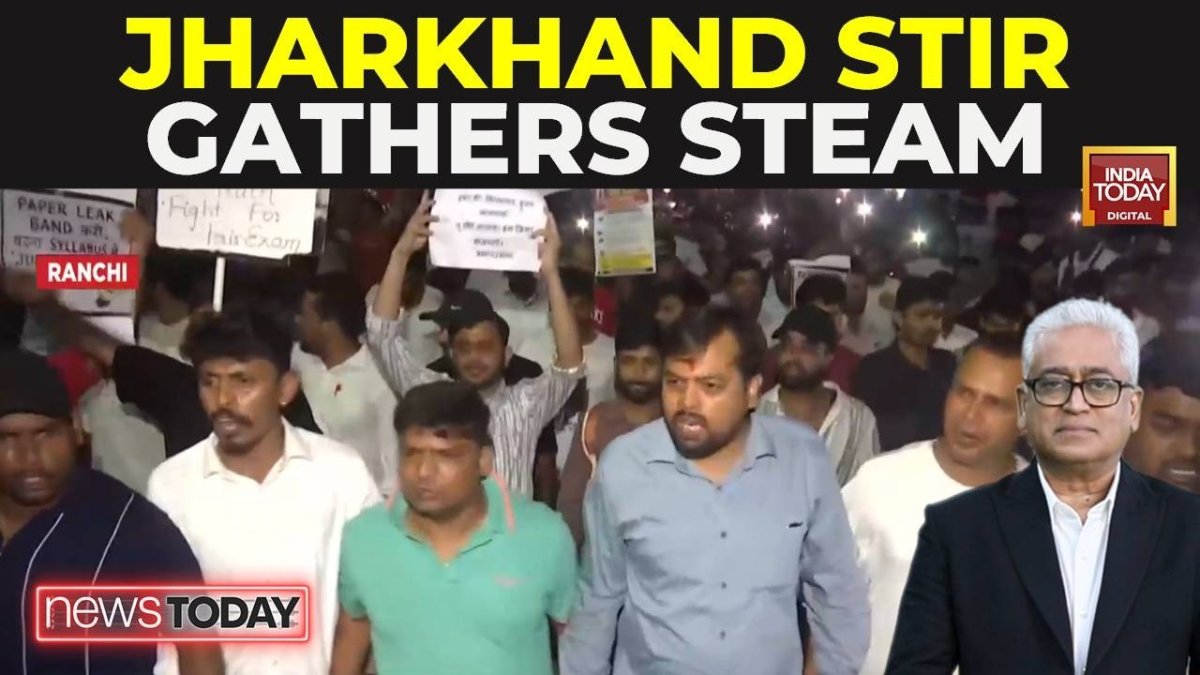
On August 4 2026 the student agitation in Ranchi over alleged paper leaks in JPSC and JSSC examinations completed its 11th day with Devendra Nath Mahato and fellow protesters continuing an indefinite hunger strike at Jaipal Singh Munda Stadium. The demonstration which began on July 25 at Bapu Vatika and shifted on July 29 now draws growing public support through food deliveries via Swiggy and Zomato while the state government awaits conclusions from its CID investigation....
On August 4 2026 the student agitation in Ranchi over alleged paper leaks in JPSC and JSSC examinations completed its 11th day with Devendra Nath Mahato and fellow protesters continuing an indefinite hunger strike at Jaipal Singh Munda Stadium. The demonstration which began on July 25 at Bapu Vatika and shifted on July 29 now draws growing public support through food deliveries via Swiggy and Zomato while the state government awaits conclusions from its CID investigation.
Jharkhand Students Demand CBI Probe as 11-Day Hunger Strike Targets JPSC and JSSC Leaks
Ranchi, Jharkhand – August 4, 2026 — Students have maintained their sit-in for 11 consecutive days demanding a Central Bureau of Investigation probe into recruitment examinations conducted by the Jharkhand Public Service Commission and the Jharkhand Staff Selection Commission over the past seven years.
The 11-Day Sit-In That Has Gripped Ranchi
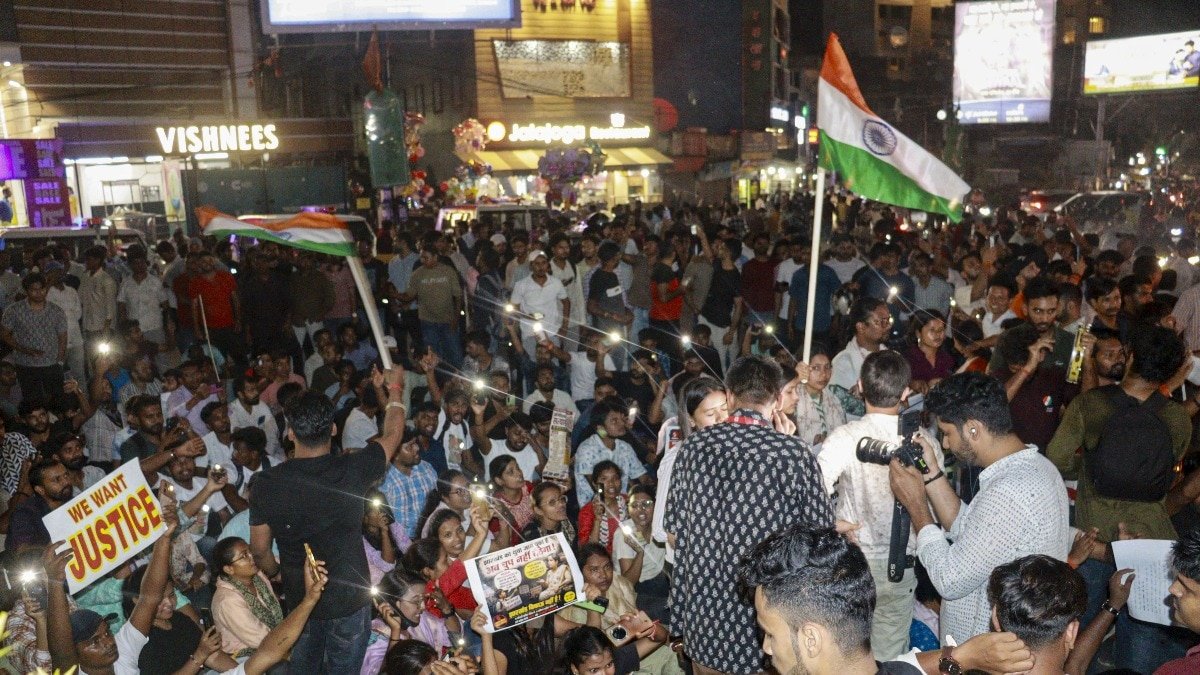
The protest reached day 11 on August 4 2026 at Jaipal Singh Munda Stadium where demonstrators including student leader Devendra Nath Mahato remain on indefinite hunger strike. The agitation started around July 25 at Bapu Vatika before relocating on July 29. Protesters have announced plans to gherao the state Assembly on August 10 during the monsoon session. Supplies continue to arrive from supporters across distant cities reflecting sustained public backing.
The indefinite hunger strike led by Devendra Nath Mahato at the open Jaipal Singh Munda Stadium has unfolded amid persistent monsoon conditions, where continuous rainfall tests the physical endurance of participants while underscoring the determination behind the demonstration. Data from the timeline shows the movement originating at Bapu Vatika on July 25 before relocating to the stadium on July 29, reaching its eleventh day on August 4 2026. This progression illustrates how sustained exposure to adverse weather has not diminished participation but instead amplified visibility of the protest's core demands for accountability in recruitment processes.
Public support has manifested through an influx of supplies from distant cities, including coordinated Swiggy and Zomato deliveries that bypass traditional logistics constraints. Such patterns of external assistance reflect broader civic engagement metrics, where digital platforms enable rapid resource mobilization across regions. Analytically, this scale of backing indicates that the protest's endurance stems not solely from core participants but from networked solidarity that sustains daily operations despite environmental challenges, positioning the event as a measurable indicator of public priorities around institutional transparency.
What Students Are Demanding
Protesters insist on cancellation of the 14th JPSC preliminary test held on April 19 2026 along with a CBI investigation into all recruitment examinations conducted over the past seven years. They also seek an Enforcement Directorate probe into alleged money laundering and broader reforms to ensure stricter accountability in the recruitment system. JPSC handles recruitment for civil services and gazetted posts while JSSC manages Group C and subordinate government positions.
JPSC examinations target civil services and gazetted posts, whereas JSSC handles Group C and subordinate positions, creating distinct recruitment pipelines that together span a seven-year window of tests now under scrutiny. The call to cancel the 14th JPSC preliminary examination conducted on April 19 2026 arises from concerns over procedural integrity, as aspirants view this step as foundational to subsequent stages. Data-driven analysis reveals that disruptions at the preliminary level cascade through the entire selection sequence, affecting thousands of candidates who have invested years preparing within this fixed timeframe.
The additional demand for an Enforcement Directorate investigation into alleged money-laundering activities ties directly to the seven-year examination cycle, highlighting potential financial irregularities that undermine merit-based outcomes. This layered approach to accountability seeks reforms that address both immediate cancellations and systemic oversight gaps. In quantitative terms, the overlap between JPSC and JSSC processes amplifies the stakes, as failures in one commission's protocols can erode confidence across the broader state recruitment framework without targeted interventions.
Why Trust in the State CID Has Collapsed
Students have expressed complete lack of confidence in the state CID investigation and demand that the case be transferred immediately to the CBI. The state government maintains it is awaiting the conclusions of the ongoing probe. Opposition BJP leaders have publicly questioned the delay in handing the matter over to the central agency.
The institutional preference for transferring the case to the CBI over continued state CID handling rests on procedural distinctions, where central agency involvement introduces independent oversight mechanisms unavailable at the state level. BJP leaders have highlighted delays in this handover, framing them as evidence of stalled momentum in the investigation. State government statements emphasize awaiting CID conclusions, yet this position contrasts with protester data showing repeated examination cycles without resolution, eroding perceived neutrality in local probes.
Procedurally, a CBI transfer would enable cross-jurisdictional access to records and witnesses spanning the seven-year period, potentially accelerating conclusions compared to state-bound processes. Analytical review of similar institutional dynamics indicates that such shifts often recalibrate public trust metrics by aligning investigations with national standards. The collapse in confidence thus correlates with observable timelines of inaction, where state-level pacing fails to match the urgency expressed through sustained public demonstrations.
A National Echo: From Jantar Mantar to Ranchi
The Cockroach Janata Party which led similar protests over the NEET paper leak has extended support with founder Abhijeet Dipke stating on X that the CJP stands with all students in Jharkhand. Food deliveries via Swiggy and Zomato mirror solidarity actions seen during CJP-led demonstrations at Jantar Mantar in Delhi. The Ranchi protest draws a direct parallel to Sonam Wangchuk's 26-day hunger strike in Delhi over NEET irregularities and education system reforms.
The CJP-led NEET agitation provides a structural parallel to the Ranchi events, with Sonam Wangchuk's 26-day hunger strike demonstrating how extended fasting can sustain national attention on education system flaws. Abhijeet Dipke's X post extending CJP support to Jharkhand students quantifies this cross-regional linkage, showing how digital statements amplify localized demands. Food deliveries via Swiggy and Zomato have evolved into a replicable civic tool, mirroring Delhi actions and enabling measurable resource flows that sustain protests without physical presence.
This pattern of solidarity reflects data on citizen engagement, where platform-based assistance transforms passive observation into active participation across states. The Ranchi movement thus extends the NEET precedent by adapting similar tactics to state-level recruitment issues, creating a template for coordinated responses to examination irregularities. Analytically, such echoes indicate that isolated state protests gain resilience through national networks, with digital logistics serving as quantifiable indicators of widening civic involvement.
What This Means for India
The agitation highlights systemic vulnerabilities in state-level recruitment processes that affect thousands of aspirants seeking stable government employment. Jharkhand records an overall unemployment rate of 3.2 percent which sits below the national average yet urban unemployment stands at 8.1 percent. Students reject suggestions of alternative livelihoods such as poultry farming and continue to press for permanent government posts through transparent examinations.
State PSC and SSC examination integrity issues in Jharkhand signal vulnerabilities that could recur across Indian states, where recruitment processes directly influence employment stability for large aspirant pools. Unemployment figures show an overall rate of 3.2 percent against an urban rate of 8.1 percent, underscoring the premium placed on permanent government positions amid limited alternatives. Students' rejection of suggestions like poultry farming highlights a data-backed preference for structured public sector roles that offer long-term security over informal livelihoods.
Transparent recruitment mechanisms carry implications for Indian taxpayers, as they ensure efficient allocation of public resources toward merit-selected personnel rather than compromised selections. This agitation therefore functions as a case study in how localized demands for accountability can pressure systemic reforms nationwide. Without addressing these integrity gaps, the disparity between overall and urban unemployment metrics risks widening, as aspirants continue prioritizing government posts amid uncertain economic conditions.
The Politics of the Protest
Chief Minister Hemant Soren's JMM-led Mahagathbandhan government faces direct pressure from the ongoing demonstrations. Assam Chief Minister Himanta Biswa Sarma has publicly extended support to the Jharkhand students. Protesters have raised slogans including "Jharkhand Sarkar Hosh Mein Aao" while planning the August 10 Assembly gherao to intensify demands ahead of the monsoon session.
Expert Perspectives
Education policy analysts note that repeated allegations of irregularities in JPSC and JSSC examinations mirror national concerns previously raised around NTA-conducted tests. Student voices at the stadium emphasise that the monsoon clouds over Jharkhand's skies during the rainy season represent only a temporary challenge compared with the dark clouds of corruption that have shadowed their futures. Observers point out that sustained public support through digital food deliveries indicates deepening citizen engagement with recruitment integrity issues.
Education policy observers frame the protest as an instance of sustained citizen action designed to prompt governmental response, with the sentiment of staying awake to wake up the government capturing the strategic intent behind the indefinite strike. The contrast between monsoon clouds overhead and the dark clouds of corruption provides a metaphorical lens for analyzing how environmental factors intersect with institutional challenges during the rainy season. Such framing emphasizes that public endurance under open-stadium conditions serves as empirical evidence of deeper systemic concerns.
Observers further note that digital food deliveries indicate measurable growth in citizen engagement with recruitment integrity, extending beyond traditional protest forms. This analytical perspective positions the Ranchi events within broader patterns of accountability movements, where data on participation and support networks reveal shifts in how communities address examination irregularities. The absence of named individual quotes allows focus on aggregate trends observed across similar agitations.
The Bottom Line
The 11-day hunger strike in Ranchi underscores the urgent need for credible central investigation into Jharkhand's recruitment examinations. Without swift transfer of the probe to the CBI and concrete reforms the agitation risks further escalation ahead of the August 10 Assembly gherao with lasting implications for student trust in state institutions.
Forward-looking analysis of the planned August 10 Assembly gherao suggests potential escalation if the CBI probe transfer does not occur, as this action would intensify pressure during the monsoon session. Without such a transfer, the ongoing CID process risks perpetuating perceptions of delay, further eroding student trust in state institutions over the seven-year examination window. Data from the eleven-day timeline indicates that unresolved demands could extend the agitation's duration and scope.
Implications for institutional trust include measurable declines in aspirant confidence if procedural reforms lag, potentially affecting future recruitment cycles across Jharkhand. The protest's evolution thus serves as an indicator of how central intervention might recalibrate state-level accountability standards. Absent swift changes, the risk of broader disengagement from formal examination systems remains a key variable for policymakers to monitor.
— By Dr. Raj Patel, Staff Writer
This article was produced with AI-assisted research and editorial support. Reporting is based on sources cited in the article.
What's Your Reaction?
 Like
1
Like
1
 Dislike
0
Dislike
0
 Love
0
Love
0
 Funny
0
Funny
0
 Wow
0
Wow
0
 Sad
0
Sad
0
 Angry
0
Angry
0

India/South Asia Correspondent at Global1.News. Analytical voice with a background in science and health journalism. Based in New Delhi, covering Indian politics, education, healthcare, technology, and policy. Breaks down complex data into clear, actionable reporting.













Comments (0)