
Hyderabad Spice Seizure Exposes 25-Tonne Adulteration
In a sweeping enforcement action on August 4, 2026, Hyderabad authorities seized more than 25,300 kg of adulterated spices and 89,150 kg of raw adulteration materials across 13 establishments, exposing how industrial dyes and talcum powder are routinely mixed into everyday kitchen staples destined for Telangana and Andhra Pradesh markets. Hyderabad Spice Seizure Exposes 25-Tonne Adulteration Network Hyderabad, Telangana – August 4, 2026 — The Hyderabad Food
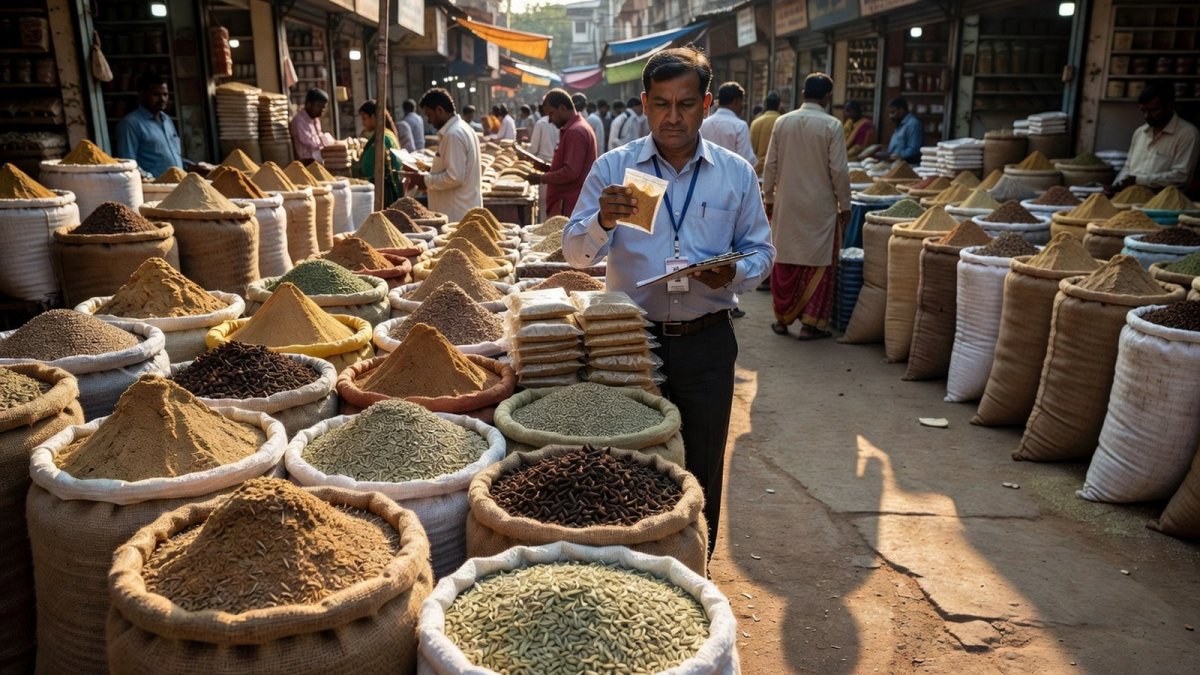
In a sweeping enforcement action on August 4, 2026, Hyderabad authorities seized more than 25,300 kg of adulterated spices and 89,150 kg of raw adulteration materials across 13 establishments, exposing how industrial dyes and talcum powder are routinely mixed into everyday kitchen staples destined for Telangana and Andhra Pradesh markets.
Hyderabad Spice Seizure Exposes 25-Tonne Adulteration Network
Hyderabad, Telangana – August 4, 2026 — The Hyderabad Food Adulteration Surveillance Team (H-FAST) of the Hyderabad Police Commissioner's Task Force, working with the Greater Hyderabad Municipal Corporation (GHMC) Food Safety Team, inspected 13 spice trading and processing units and confiscated contaminated spices plus raw materials used for adulteration. The operation targeted procurement, processing, and wholesale sites within Hyderabad Commissionerate limits, with products intended for supply across both Telugu states.
Raid Scale and Immediate Seizures
Teams recovered 7,920 kg of ajwain, 6,700 kg of jeera, 4,960 kg of mustard, 2,350 kg of jeera dust, 2,280 kg of shajeera, 550 kg of cloves, and 540 kg of saunf. Three criminal cases were registered—two at Mailardevpally police station and one at Balapur police station—leading to the arrest of Rahul Bhati from Katedan and Vishal Panwar and Dulichand Kachhawar from Begum Bazar. Police Commissioner V.C. Sajjanar displayed a sachet marked 'poisonous and non-edible' used in the mustard adulteration process.
Adulteration Methods and Health Hazards
At one facility, low-quality mustard was mixed with fabric dye, talcum powder, and oil to increase gloss, weight, and volume. Cloves and shahjeera received synthetic colour coatings for a premium appearance, while permanent industrial dyes were applied to shahjeera, ajwain, and other spices. Officials documented widespread use of synthetic orange, red, and green food colours alongside cloth dyes, industrial-grade permanent colours, shining powder, and rice bran oil. These substances pose direct risks of toxicity, organ damage, and long-term carcinogenic effects when consumed regularly.
Industrial dyes and cloth dyes applied to shahjeera, ajwain, and mustard in the August 4, 2026 Hyderabad seizures introduce metanil yellow and Sudan dyes directly into daily Indian diets. These compounds, documented in prior FSSAI cases involving turmeric and chilli powder, act as suspected carcinogens that accumulate in liver and kidney tissues. Lead chromate, sometimes substituted in similar adulteration, causes neurological damage and developmental delays, particularly in children. Talcum powder mixed with rice bran oil to increase weight and gloss adds respiratory and digestive irritation risks when asbestos traces are present, as seen in past Indian enforcement actions.
Synthetic colours and permanent industrial dyes mask low-quality spice stock, making inferior produce appear bright, fresh, and premium. A consumer buying cloves or shahjeera cannot distinguish adulterated stock by appearance alone, which is precisely why these practices persist at scale. The health hazard compounds over time: Indian households consume spices daily, so even small concentrations of non-permitted dyes accumulate in the body across months and years. Children and pregnant women are the most vulnerable groups, because their developing systems are more sensitive to toxic exposure and their per-body-weight intake of spices is comparatively higher.
Supply-Chain Economics Driving Adulteration
Traders admitted learning these techniques in Indore, Madhya Pradesh. The economic incentive is clear: adding cheap fillers and dyes boosts apparent weight and visual appeal, allowing higher sale prices for substandard stock. This practice inflates margins across wholesale networks supplying Hyderabad, Telangana, and Andhra Pradesh while undercutting legitimate producers who follow FSSAI standards.
India is the world's largest producer, consumer, and exporter of spices, with a domestic market valued in the tens of thousands of crores of rupees. That scale is precisely what makes adulteration profitable. Mixing rejected mustard with fabric dye, talcum powder, and oil can lift a trader's margin by 30 to 50 percent, because weight increases and appearance improves without any corresponding rise in input cost. For wholesale networks that move spices in truckload quantities, those percentage gains translate into substantial absolute profits.
Adulteration techniques travel. Such knowledge networks mean a technique perfected in one mandi can appear in another city within months. The reputational damage extends beyond domestic kitchens: past international recalls of Indian spice products by regulators in Singapore, Hong Kong, and the United States over ethylene oxide and dye contamination have already cost Indian exporters millions in lost contracts. Every fresh seizure of dye-laden spices reinforces the perception that Indian spices need extra scrutiny in global markets.
Legal Framework and Charges Filed
Cases invoke the Food Safety and Standards Act, 2006 for misbranding, non-compliance, deceptive processing, and improper labelling. Attempt to commit culpable homicide under the Bharatiya Nyaya Sanhita (BNS) has also been invoked, reflecting the deliberate use of poisonous substances in food meant for human consumption. These charges signal a shift toward treating food adulteration as a serious criminal offence rather than a regulatory lapse.
H-FAST Enforcement Track Record Since March 2026
Established in March 2026, H-FAST has conducted 659 raids, registered 202 FIRs, and seized nearly 246 tonnes of adulterated food in coordination with GHMC Food Safety. Prior actions included confiscation of over 12 tonnes of rotten chicken and mutton, 60 tonnes of foul-smelling chicken waste, 25.8 tonnes of chemically ripened fruit, 9.2 tonnes of adulterated pickles, and 3.8 tonnes of adulterated tea powder. The August 4 drive adds significantly to this cumulative enforcement volume.
The sheer scale of enforcement since March 2026 reveals a problem far larger than any single operation. H-FAST was created as a police task-force-led enforcement unit, an institutional departure from the traditional model where food safety inspections are led by municipal health officials. The police-led model matters because it brings criminal investigation powers, surveillance capability, and the ability to register FIRs directly, all of which increase deterrence.
The pattern of earlier seizures — rotten meat and chicken waste destined for hotel kitchens, chemically ripened fruit, adulterated pickles and tea powder — demonstrates that spice adulteration is one node in a much wider network of food fraud. The consistency of these seizures sends a clear signal to the trade: the enforcement net is widening, and the risk of getting caught is no longer theoretical.
Implications for Indian Consumers and Regulators
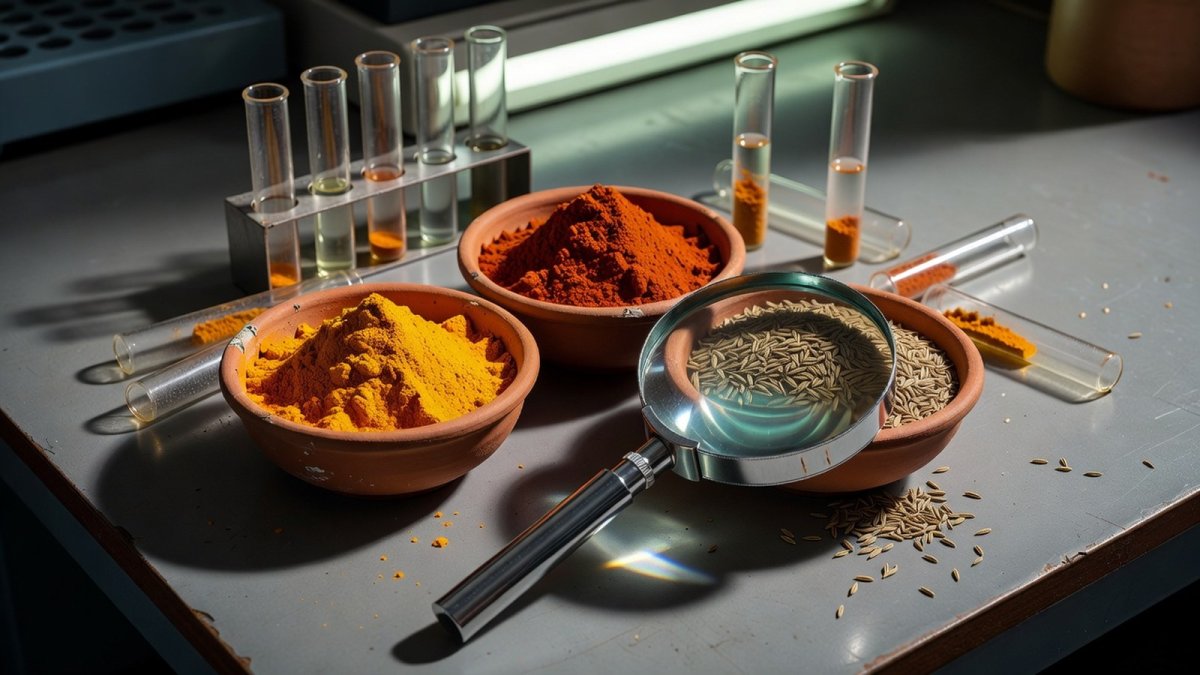
Indian consumers face repeated exposure to hazardous chemicals in staple spices, undermining public health and trust in domestic supply chains. Regulators must strengthen real-time testing at wholesale markets in areas such as Katedan and Begum Bazar while expanding H-FAST-style units to other cities. Taxpayers bear the cost of repeated enforcement; sustained deterrence requires faster laboratory turnaround and stricter licensing under the Food Safety and Standards Act, 2006.
The Food Safety and Standards Act, 2006 gives FSSAI and state authorities a comprehensive framework of penalties, from fines for substandard food to imprisonment for adulteration that endangers life. Yet enforcement capacity across Indian states remains uneven: laboratory turnaround is slow, sampling is often predictable, and many smaller cities lack dedicated food-fraud units. The Hyderabad model suggests a template: combining police investigative powers with municipal food safety teams and rapid, publicised seizures.
Consumers, meanwhile, are not powerless. Checking for the FSSAI licence number on packaged spices, buying from certified brands, avoiding suspiciously cheap loose spices, and reporting suspected adulteration to the national food safety helpline all create pressure on the trade. But individual vigilance is a weak substitute for systemic enforcement. Faster lab results, mobile testing vans in wholesale mandis, and the replication of H-FAST-style units in other major cities would convert one city's success into national reform.
Broader Pattern and Required Policy Shifts
Food adulteration remains widespread across India, with similar incidents reported from Indore and other spice hubs. Current penalties often fail to offset profits from adulteration. What is needed is mandatory traceability from farm to retail, increased random sampling by FSSAI, and public disclosure of violators. Without these systemic changes, enforcement drives will continue to treat symptoms rather than dismantle the economic incentives sustaining the practice.
The Bottom Line
The August 4 seizure of 25,300 kg of adulterated spices and 89,150 kg of raw materials demonstrates both the scale of the problem and the effectiveness of coordinated action by H-FAST and GHMC. For Indian food safety to improve, regulators must convert these enforcement gains into permanent structural reforms that protect consumers from industrial dyes and talcum powder in their daily diet.
— By Dr. Raj Patel, Staff Writer
This article was produced with AI-assisted research and editorial support. Reporting is based on sources cited in the article.
What's Your Reaction?
 Like
0
Like
0
 Dislike
0
Dislike
0
 Love
0
Love
0
 Funny
0
Funny
0
 Wow
0
Wow
0
 Sad
0
Sad
0
 Angry
0
Angry
0

India/South Asia Correspondent at Global1.News. Analytical voice with a background in science and health journalism. Based in New Delhi, covering Indian politics, education, healthcare, technology, and policy. Breaks down complex data into clear, actionable reporting.














Comments (0)