
Iran Says Qatar Is Holding Three Captured Pilots, Appeals to Red Cross
Iran publicly accused Qatar of holding three captured Air Force pilots since March 2, 2026, and appealed to the ICRC to investigate alleged Geneva Conventions violations and secure their release. Qatar has not commented, in the first known case of a regional country holding Iranian fighters.
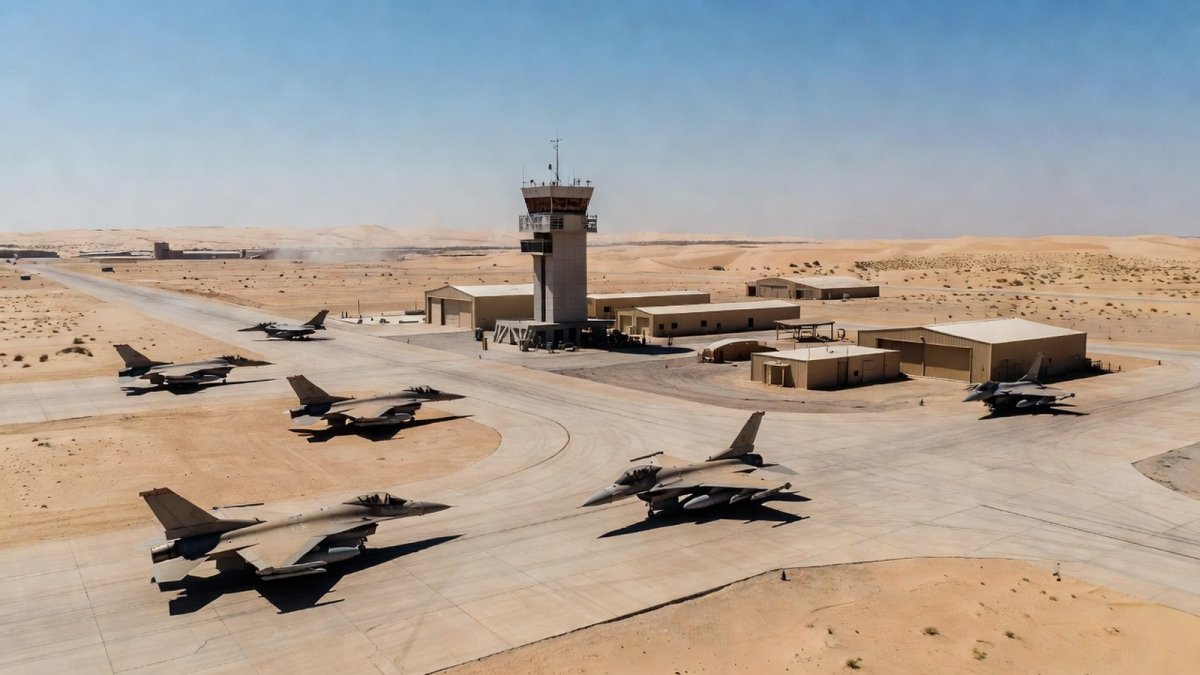
Iran went public on Saturday with a stunning accusation: Qatar has been holding three of its Air Force pilots captive for nearly six months, and Tehran is now formally appealing to the International Committee of the Red Cross to intervene. The disclosure, made by a senior Iranian military official in a letter to the ICRC, marks the first known case in the current war where Iran has accused a regional country of holding its fighters.
Iran Accuses Qatar of Holding Three Captured Pilots
Tehran, Iran – August 15, 2026 — Iran's Armed Forces General Staff has disclosed that Qatari forces captured three of its Air Force pilots after their jets were shot down on March 2, 2026, and has formally asked the International Committee of the Red Cross to investigate their treatment and secure their release. The accusation, detailed in a letter to ICRC President Mirjana Spoljaric Egger, alleges that Qatar has violated the Geneva Conventions by denying the prisoners contact with their families and Iranian officials for six months.
What Happened: Iran's Public Accusation Against Qatar
Brigadier General Mohammad Baqerzadeh, commander of the Missing in Action Search Committee of Iran's Armed Forces General Staff, made the disclosure in a letter to ICRC President Mirjana Spoljaric Egger, expressing "grave concern" over the fate of the three pilots and asking the ICRC to urgently follow up. The letter, reported on August 15, 2026, by the Associated Press, The New York Times, Tasnim News Agency, and Iran International, alleges that the pilots were captured alive by Qatari forces and have been held in the country for about six months.
According to the Missing Persons Committee of Iran's Armed Forces General Staff, Qatar's armed forces had captured and were holding three pilots who went missing in March when their jets were downed. Until now, Tehran had said it had no information about their fate. This is the first known case in the war where Iran has said a regional country is holding its fighters.
Baqerzadeh denounced Qatar for failing, during the six months since the incident, to respect the prisoners' rights under international law, including the Geneva Conventions. Iran has not been allowed to meet or interview the pilots, or establish contact between them and their families and officials handling the case. "This matter falls within the chapters concerning war crimes and warrants consideration and investigation," Baqerzadeh said.
The ICRC Appeal: A Formal Request for Intervention
Iran formally appealed to the ICRC, alleging that Qatar is violating the Geneva Conventions by denying the prisoners contact with their families. The appeal, made in the letter to ICRC President Mirjana Spoljaric Egger, asks the international body to urgently interview the three Iranian pilots in Qatar, inform Tehran about their health, and facilitate their "swift release."
The request represents a significant diplomatic move by Tehran, which is seeking to use international humanitarian mechanisms to pressure Qatar, a major US ally that hosts the US Central Command forward headquarters at Al Udeid Air Base.
The disclosure comes after months of uncertainty. Iran's Army spokesman Brigadier General Mohammad Akraminia said on August 1 that Tehran was continuing to pursue the case, while Qatari authorities had claimed they had no information about the whereabouts of the missing airmen. There was no immediate response from Qatar to Saturday's accusation.
Geneva Conventions Argument: Legal Grounds for the Claim
The Iranian military official cited Articles 70 and 78 of the Third Geneva Convention in his letter to the ICRC. These provisions state that prisoners of war must be able to notify their families and the ICRC of their capture, and have the right to communicate with representatives of protecting powers, including ICRC delegates visiting detention camps. He also cited provisions for seriously ill or wounded prisoners, who should be directly repatriated when medically warranted.
International humanitarian law requires that POWs be registered, allowed to correspond with families, and visited by the ICRC under the Third Geneva Convention. Baqerzadeh's letter argues that Qatar has failed to meet these obligations, denying the three pilots their fundamental rights under international law.
The legal argument is central to Iran's appeal. By framing the issue as a violation of the Geneva Conventions, Tehran is seeking to elevate the matter from a bilateral dispute to a question of international law and war crimes. "This matter falls within the chapters concerning war crimes and warrants consideration and investigation," Baqerzadeh said, according to the source material.
The March 2 Mission: What We Know About the Downed Jets
The two aircraft had taken off from Shahid Doran Air Base in Shiraz and struck the US-operated Al Udeid Air Base in Qatar before being targeted by enemy air defenses over the Persian Gulf during their return flight. Baqerzadeh said two Iranian Air Force Su-24 fighter-bombers had flown toward a US military base in Qatar on March 2, 2026, as part of Iran's response to attacks on the country.
The aircraft successfully carried out their mission but were struck by enemy air defenses while returning, forcing their crews to eject. One of the four pilots, Brigadier General Majid Kazemi, was killed. His remains were subsequently recovered, DNA-verified, and buried in Iran after several months.
The three other pilots — Javad Salehi, Abdolmajid Dashtian and Omran Behraveshian — "were captured alive by Qatari forces," Baqerzadeh wrote. The disclosure marks a significant shift in the narrative, as the pilots were previously listed as missing following the March 2, 2026 operation, according to Iran International.

A First in the Iran War: Regional Country Holding Iranian Fighters
Saturday's accusation against a regional country holding Iranian fighters is unprecedented in this conflict. Until the August 1 statement from Iran's Army spokesman, Brigadier General Mohammad Akraminia, Tehran had publicly said it was still pursuing the case while Qatari authorities claimed they had no information about the missing airmen.
Saturday's statement alleged that Qatar had violated the men's rights by not allowing the prisoners to meet or communicate with their families or with Iranian officials handling their cases, despite diplomatic efforts and repeated follow-ups, according to the AP wire context. The accusation against Qatar, a major US ally, adds a new dimension to the regional conflict.
The US has operated Al Udeid Air Base in Qatar for decades; it is the largest US military base in the Middle East. Qatar is a major US ally and hosts the US Central Command forward headquarters at Al Udeid. The fact that Iran is now publicly accusing Qatar of holding its pilots creates a complex diplomatic situation, given Qatar's close ties to Washington.
Regional Escalation Context: The Broader Conflict
The operation came as part of Iran's broader military response to large-scale US and Israeli attacks on Iranian military and civilian targets that began on February 28, 2026. Iranian forces subsequently carried out missile and drone strikes against US and Israeli targets and US military facilities across the region.
The Iran war context: large-scale US and Israeli attacks on Iran began February 28, 2026; Iran's March 2 Su-24 mission was a retaliatory strike on Al Udeid. The disclosure about the captured pilots comes amid a day of significant regional news, according to the AP wire context.
In the same day's regional news: a tanker owned by Abu Dhabi's state-owned oil and gas company ADNOC was attacked while transiting the Strait of Hormuz (no injuries in the Friday evening attack); the Iran-backed Houthis again struck a Red Sea port in Yemen; and in southern Lebanon, 11 people were killed in Israeli airstrikes, some of the deadliest since the shaky truce between Israel and Iran-backed Hezbollah went into effect on June 20.
What Happens Next: The ICRC's Role and Qatar's Response
There was no immediate response from Qatar to Iran's public accusation. The Qatari government has not commented on the allegations, according to The New York Times reporting. The ICRC has not yet publicly responded to Baqerzadeh's letter, but the appeal places the international body in a delicate position.
The ICRC's role as a neutral intermediary in prisoner-of-war matters is well-established under international humanitarian law, and the organization has the authority to visit detention camps and interview prisoners.
The coming days will likely see diplomatic activity around this issue, as Iran presses its case through international channels and Qatar faces questions about its handling of the captured pilots. For Doha, the accusation lands at an awkward moment: Qatar has spent much of the war positioning itself as a diplomatic intermediary, hosting talks and urging the reopening of the Strait of Hormuz, all while remaining the host of the largest US military base in the Middle East. If the ICRC takes up the case, the organization's standing as a neutral monitor of prisoner treatment under the Geneva Conventions will put the spotlight squarely on Doha's response — or its silence.
This article was produced with AI-assisted research and editorial support. Sources: Associated Press, The New York Times, Tasnim News Agency, Iran International.
By Jessica Ali, Staff Writer
What's Your Reaction?
 Like
0
Like
0
 Dislike
0
Dislike
0
 Love
0
Love
0
 Funny
0
Funny
0
 Wow
0
Wow
0
 Sad
0
Sad
0
 Angry
0
Angry
0

Editor-in-Chief at Global1.News. Atlanta-based journalist who cuts through the BS and tells it like it is. Lead anchor, host, and the voice you hear when the spin stops and the truth starts.














Comments (0)