
Iran-Oman Shipping Deal Nears as Trump Issues Final Warning on Hormuz Blockade
The Strait of Hormuz just edged one step closer to partial reopening, but the terms on the table hand Tehran the keys to the world's busiest oil artery. Folks, this is no simple ceasefire handshake. Iran-Oman Shipping Deal Nears as Trump Issues Final Warning on Hormuz Blockade Washington, D.C.
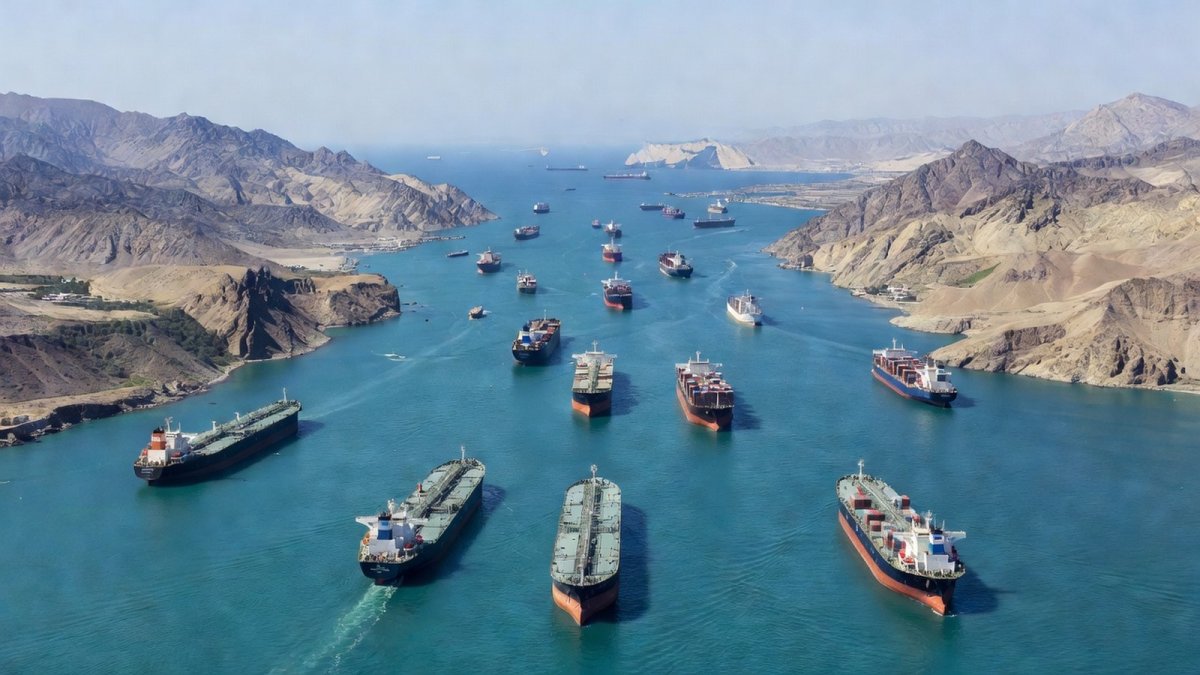
The Strait of Hormuz just edged one step closer to partial reopening, but the terms on the table hand Tehran the keys to the world's busiest oil artery. Folks, this is no simple ceasefire handshake.
Iran-Oman Shipping Deal Nears as Trump Issues Final Warning on Hormuz Blockade
Washington, D.C. — Iran and Oman have reached an understanding on geographic coordinates for a new shipping lane through the Strait of Hormuz, Iran's foreign ministry spokesman Esmaeil Baqaei said the agreement sits in the final stages, according to statements reported this week by multiple outlets.
The Breakthrough
On Wednesday, Iran and Oman finalized coordinates for a defined shipping route through the strait, a joint announcement now pending only on last-minute conditions, Reuters and AP confirmed. The coordinates would replace the pre-war open waterway with preset waypoints, inspection protocols, and notification timelines. Baqaei described the deal as nearly complete, marking the first concrete movement since the February 28 joint U.S.-Israeli strikes triggered the blockade.
Oman’s long-standing posture as a discreet conduit between Washington and Tehran stems from its geographic perch outside the Persian Gulf’s most volatile flashpoints and its history of hosting back-channel talks that larger Gulf states avoid. Muscat’s quiet diplomacy has repeatedly kept lines open when direct U.S.-Iran contact collapses, allowing technical maritime issues to be framed as bilateral coordination rather than capitulation.
The coordinates framework replaces the pre-war free-for-all with fixed waypoints, mandatory pre-transit filings, and layered inspection windows that shift risk assessment from open water to a controlled corridor. Still unresolved are the exact sequencing of Oman’s exit notifications to Tehran and the duration of any temporary inspection regime before a formal joint announcement can be issued.
What Iran Is Demanding
Under the temporary plan discussed with Oman, Iran seeks control over inbound shipping and visibility over outbound traffic, with authority to intervene if required, Reuters reported August 4. Outbound vessels would transit the lane between Iran and Oman, with Oman granting exit approval only after notifying Tehran. A high-level Iranian source told Reuters the arrangement would deliver Tehran full oversight of incoming ship movements.
NYT reporting from August 3 noted the accord could ratify Tehran's expanded role over what had been an international waterway. Iran has stated there are no current talks with the United States on the matter.
Shipping firms now face mandatory boarding checks, extended anchorage holds, and pre-clearance filings that trigger immediate war-risk insurance surcharges layered atop already elevated hull premiums. These steps convert what had been routine transit into a multi-day approval cycle, forcing operators to recalculate schedules and bunker costs before vessels even approach the strait.
Tehran presents the measures as coastal security protocols rather than dominance, arguing that post-strike vulnerabilities along its shoreline require advance knowledge of every inbound hull. This framing sidesteps pre-war freedom-of-navigation norms by recasting oversight as defensive necessity tied to the February strikes rather than an assertion of sovereignty over an international waterway.
Trump's Ultimatum and the Canceled Strike
President Trump warned Tuesday that the moment represented Tehran's "last chance" to sign a deal and labeled Iranian leaders "unbelievably duplicitous," while stating he faces no time constraints on negotiations. Over the August 1-2 weekend, Trump canceled a threatened attack on Iran, citing progress in the Oman channel.
The weekend cancellation fits a recurring pattern since February in which military pressure is announced, incremental diplomatic movement is cited, and the operation is paused, leaving Tehran to test whether each pause signals genuine restraint or simply another cycle. That pattern erodes the credibility of future deadlines because Iranian planners can now anticipate that public progress reports will again delay kinetic action.
Domestically, the administration must weigh how repeated stand-downs play against congressional critics who argue that negotiation pauses without verifiable Iranian concessions risk appearing as indecision rather than strategy, especially as energy-price volatility keeps the issue on voters’ radar.
Why Washington Is Wary
The Trump administration has rejected any arrangement granting Iran such control over the strait. Regional officials told AP that negotiators have completed a draft deal, yet one or both sides must still concede ground for the text to hold. U.S. concerns center on the precedent this would set for other global chokepoints and the exposure it creates for Gulf allies.
Accepting Iranian oversight in Hormuz could embolden parallel claims at other strategic passages, exposing Gulf partners to similar inspection demands and complicating Israel’s freedom to operate in adjacent waters without triggering new escalation ladders. The precedent would also force Washington to recalibrate defense commitments to allies whose export routes now run through a monitored lane.
Any compromise requires both sides to quietly relinquish core positions: Tehran must accept limits on intervention authority while Washington must tolerate temporary notification procedures that fall short of full Iranian control. Once implemented, such an interim lane risks hardening into de-facto permanent architecture because reversing established waypoints and inspection infrastructure becomes politically and logistically costly.
Explosions and Escalation
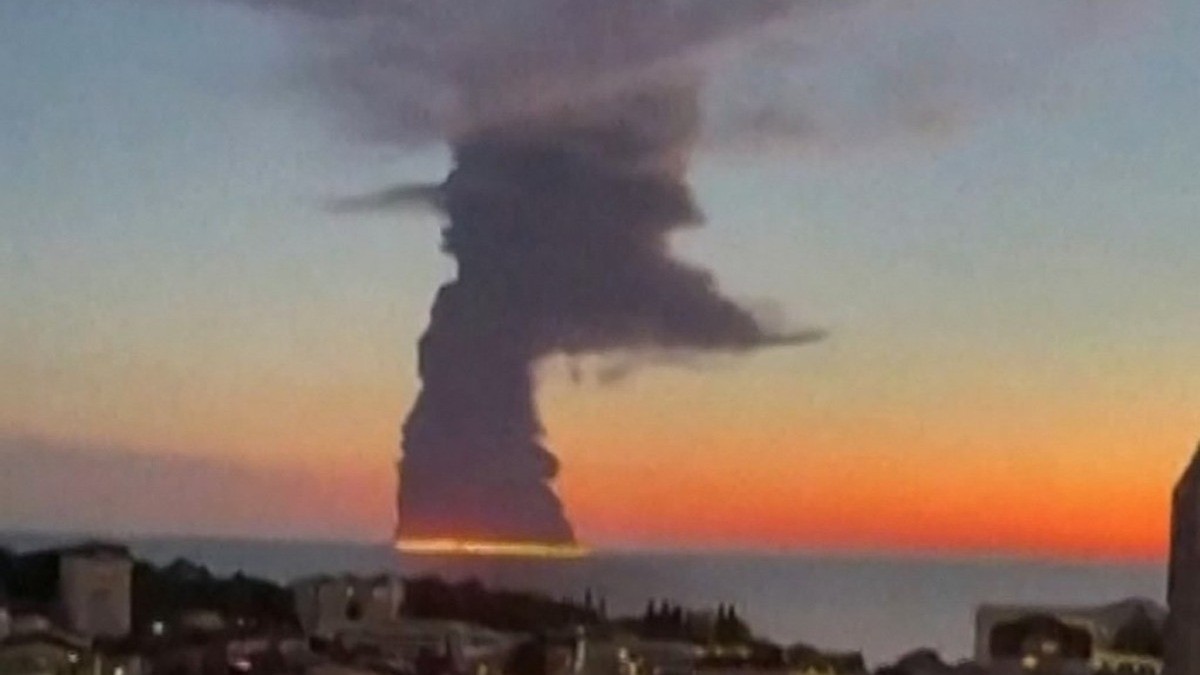
On the night of August 5-6, the master of a tanker reported hearing two explosions while transiting the strait roughly nine nautical miles southeast of Kumzar, Oman, UKMTO stated. The vessel and crew sustained no damage. Separately, Houthi military spokesman Yahya Saree claimed on Wednesday that the group launched ballistic missiles at the Saudi oil tanker Wafa off Yanbu, the Red Sea hub that handles around 4 million barrels per day. Saudi Arabia is now evaluating response options.
The UKMTO-reported blasts, even without damage, immediately widen war-risk premium calculations for hulls transiting the same corridor, signaling that enforcement gaps persist despite ongoing talks. Insurers now price the possibility that unexplained detonations could recur without clear attribution, accelerating decisions to reroute or idle tonnage.
Houthi threats to widen Red Sea strikes beyond Yanbu add a second maritime front that could choke the broader corridor linking the Gulf to global markets. Saudi planners must weigh limited kinetic responses against the danger that any retaliation draws further missile salvos, potentially forcing longer tanker diversions around the Cape and compounding delays already imposed by Hormuz restrictions.
Oil Markets and the Price at the Pump
Oil prices fell nearly 5 percent on August 3 after Trump announced fresh talks with Iran. Prices had spiked earlier in July when Trump declared the Iran cease-fire over. The Guardian reported oil companies are recording record "war bonus" profits, prompting Trump to criticize energy firms for excess gains tied to the disruption. The blockade has kept prices well above pre-February levels, with rerouting adding weeks to voyages and passing costs to refiners, distributors, and consumers.
The August 3 drop and earlier July spike illustrate how futures curves remain hypersensitive to any signal of renewed diplomacy or breakdown, with Brent and WTI benchmarks swinging on headline volume rather than physical barrels. Those swings transmit directly into crack spreads that refiners pass downstream, locking in higher rack prices even after the initial futures move fades.
War-risk surcharges now multiply daily charter rates by double-digit percentages, costs that compound across multi-week reroutes and ultimately appear at U.S. pumps as sustained elevation above pre-February baselines. Beyond fuel, the same premiums have curtailed Middle East flight schedules and container services, rippling into delayed components for manufacturing and agriculture that raise shelf prices far from the strait itself.
The Wider Fallout: Trade, Flights, and Supply Chains
The Strait of Hormuz blockade has slammed the brakes on Middle East air travel, halting flights in every direction and stranding passengers while severing the region’s links to the rest of the world. At sea, shippers confront sharply higher maritime insurance premiums as vessels swing onto longer routes that tack weeks onto each voyage and snarl schedules from the Gulf to distant ports.
Those added days ripple straight through global supply chains, delaying manufacturing components, agricultural cargoes, and container services that keep factories and supermarkets running far from the strait. Reopening the waterway would restore direct passages, cut transit times, and begin easing the broader economic strain that has mounted since the war began February 28.
What Happens Next
In the best case, a joint announcement within days would open a narrow lane for limited traffic once Oman and Iran lock notification timelines, allowing a measured resumption that tests inspection throughput without full-scale reopening. The middle path envisions weeks of haggling over boarding frequency and data-sharing formats that keep most tonnage sidelined while technical teams negotiate.
Worst-case rejection by Washington would likely prompt Tehran to reassert stricter enforcement and encourage Houthi expansion, tightening supply further. Over the next 48-72 hours, markets will parse any joint statement language on inspection authority, White House reaction tone, and fresh UKMTO advisories for signs that the coordinates deal is either advancing or unraveling.
The Bottom Line
Track official statements from the Iranian foreign ministry, UKMTO alerts, and White House briefings. Verify every development against Reuters, AP, and NYT dispatches before adjusting travel, shipping, or energy positions.
Scan the Strait at dawn for tankers threading the new coordinates—any hesitation or reroute screams the lanes stay hot. UKMTO advisories will drop next: watch for tightened zones or sudden stand-downs after the August 5-6 blasts. White House silence or a blunt draft rejection lands by tomorrow night and torches momentum. Then hit the screens at Monday's futures open—crude spikes or a flatline will broadcast whether traders trust the thaw or price in fresh rupture.
By Jessica Ali, Staff Writer
This article was produced with AI-assisted research and editorial support. Reporting is based on sources cited in the article.
What's Your Reaction?
 Like
0
Like
0
 Dislike
0
Dislike
0
 Love
0
Love
0
 Funny
0
Funny
0
 Wow
0
Wow
0
 Sad
0
Sad
0
 Angry
0
Angry
0

Editor-in-Chief at Global1.News. Atlanta-based journalist who cuts through the BS and tells it like it is. Lead anchor, host, and the voice you hear when the spin stops and the truth starts.













Comments (0)