
Iran Puts a Price on Hormuz: Tehran Demands US Concessions Before Reopening the Gulf's Lifeline
Iran insists Washington must lift the blockade, pay war compensation, lift sanctions and release frozen assets before the Strait of Hormuz reopens, while Tehran and Oman finalize a temporary shipping corridor and Iran mulls transit fees.
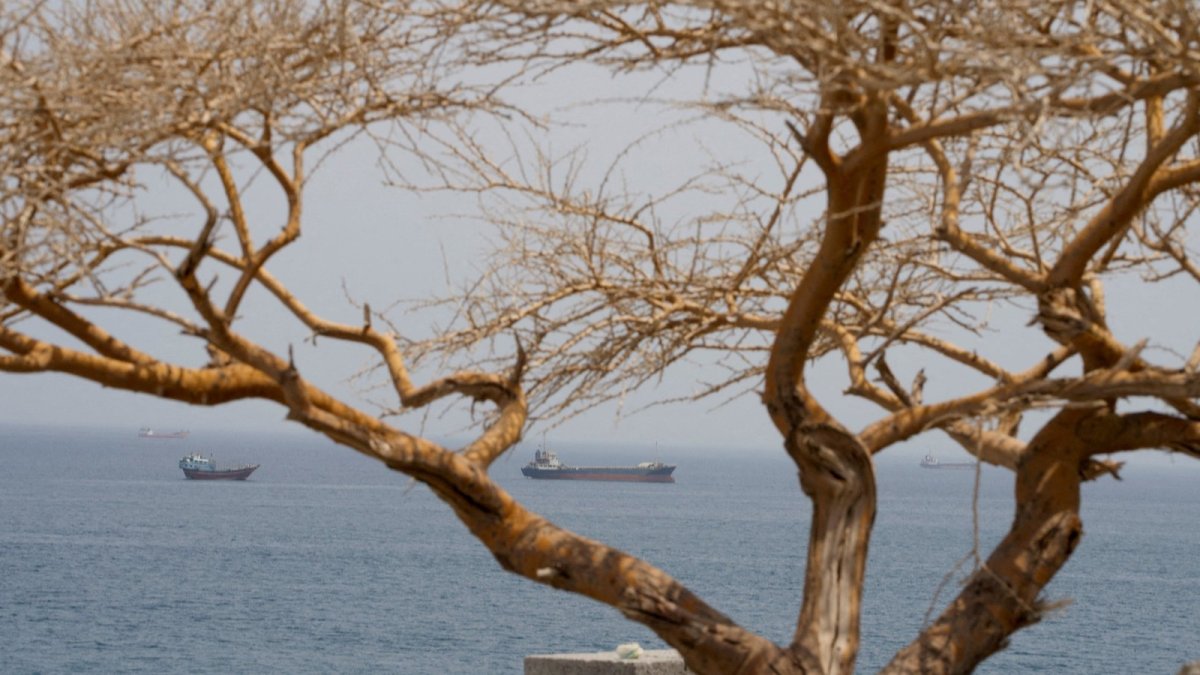
The Strait of Hormuz, the narrow waterway through which roughly a fifth of the world's oil and liquefied natural gas once flowed, remains the single most consequential choke point in the global energy system — and its fate is now tied to a list of Iranian conditions that Washington has so far refused to meet. Tehran's insistence that the United States pay a political and economic price for reopening the strait has transformed what began as a military confrontation into a protracted diplomatic standoff with direct consequences for energy markets, Gulf security, and the American political calendar.
Iran Puts a Price on Hormuz: Tehran Demands US Concessions Before Reopening the Gulf's Lifeline
Tehran, Iran – August 10, 2026 — Iran is insisting that the United States meet its demands in negotiations before the Strait of Hormuz reopens, Foreign Ministry spokesperson Esmail Baghaei said Monday, signaling that the waterway will remain closed for the foreseeable future despite weeks of diplomatic activity around a possible partial reopening.
Tehran's Four Demands: The Price of Reopening
Speaking at his weekly press conference in Tehran, Baghaei laid out the conditions Tehran considers non-negotiable. "It is up to the U.S. side to stop and make amends for its illegal and destructive actions," he said, pointing to the American blockade of Iranian ports. Iran wants Washington to lift that blockade, pay compensation for months of war damage, lift economic sanctions, and release Iran's frozen assets abroad.
The list of preconditions, reported by Reuters, The New York Times and other outlets over the weekend, has dampened hopes that a reopening was imminent. The head of Iran's Supreme National Security Council told the Times that the strait would remain closed until the United States met certain conditions, and Gulf News reported that Tehran is also demanding an end to threats and to the American regional military presence. The Guardian, meanwhile, cited Tehran urging Washington to "correct its behaviour" — language that suggests the Islamic Republic is treating the strait as leverage in a broader reckoning over the war that began in late February.
A Waterway Frozen Since February
The stakes could hardly be higher. Before the conflict, the Strait of Hormuz carried approximately one-fifth of global oil and liquefied natural gas traffic, making it the indispensable artery of the world economy. Since the U.S.-Israeli attacks on Iran on Feb. 28, the strait has been effectively blocked, pushing up oil prices and feeding inflation in economies far beyond the Gulf.
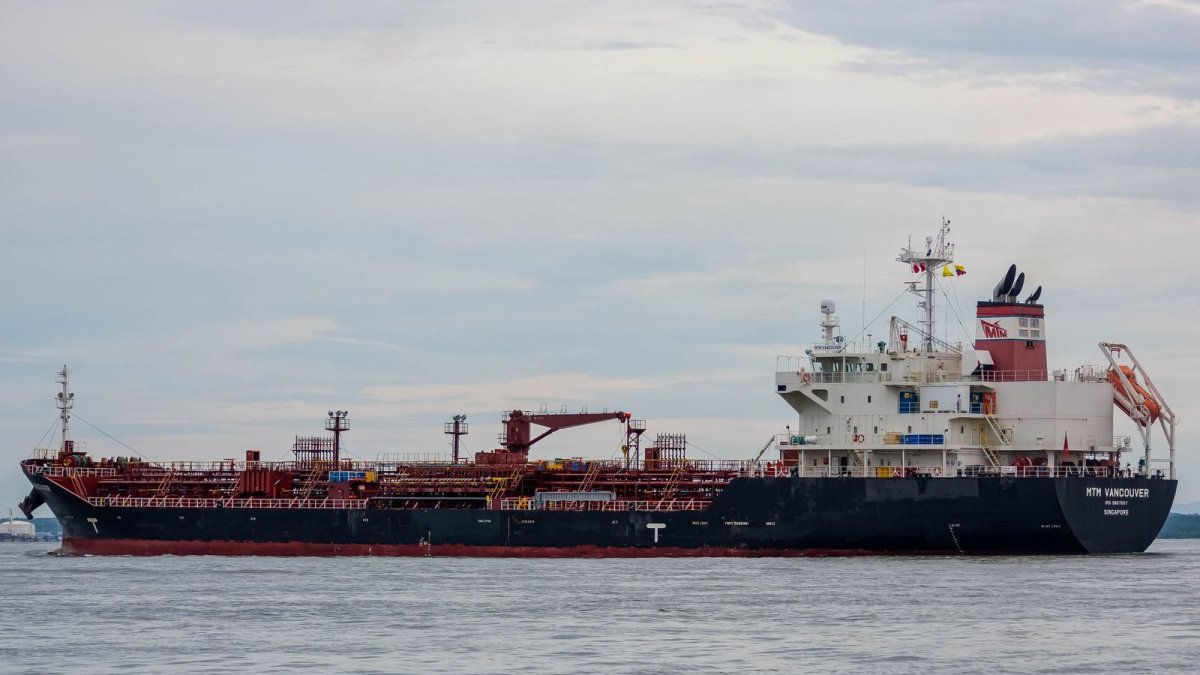
That impasse has kept energy prices at the center of American domestic politics ahead of November's midterm elections, giving the administration in Washington a powerful incentive to reach some form of accommodation — and giving Tehran an equally powerful incentive to extract maximum concessions while the leverage lasts. For Iran, the calculus is strategic as much as economic: reopening the strait on terms that appear favorable to Washington, without tangible gains for Tehran, would undercut the credibility of the very deterrent posture that Iran has spent years building.
The Oman Track: A Temporary Corridor Takes Shape
While the confrontation with Washington continues, Iran is pursuing a parallel channel with its neighbor across the water. Baghaei said talks with Oman on arrangements for navigation through the strait were "progressing smoothly and constructively," with an agreement reached on a shipping route map, though some technical issues on a joint statement remained unresolved.
Oman has long played the role of regional intermediary, and Muscat's quiet diplomacy has produced concrete if preliminary results: Iranian officials said Tehran and Oman agreed on coordinates for a shipping corridor in early August, with a joint announcement pending, and Reuters reported Sunday that the two countries are nearing a final pact defining new shipping lanes. The discussions cover mechanisms for safe navigation, environmental protection, maritime services and combating crime — a technical agenda that could lay the groundwork for a temporary corridor even as the broader political questions remain frozen.
Yet Iran has been explicit that any actual reopening is contingent on talks with the United States, not just on the Oman agreement. The Oman track, in other words, may be the mechanism — but Washington's concessions remain the condition.
Tolls on the Gulf's Lifeline: Iran's Fee Plan
One of the most significant signals from Monday's press conference was Tehran's intention to charge commercial vessels fees for passage through the Strait of Hormuz. Fees and charges would be levied for maritime services provided to ships, Baghaei explained, framing the tolls as compensation for services rather than as a transit tax.
The proposal is historically consequential. Before the war, shipping through the strait proceeded largely undisturbed, without tolls or fees for transit. A fee regime would mark a fundamental change in the legal and economic status of the waterway — effectively asserting that the strait's passage is a service to be sold rather than a right to be exercised. For global shippers and insurers, the prospect of paying Tehran for transit would add a new layer of cost and political exposure to every voyage through the Gulf, and it raises difficult questions about how any toll system would be enforced, collected, and reconciled with the parallel Oman agreement.
The Legal Tangle Beneath the Strait
Underlying the fee proposal is a legal dispute that predates the current war. The Strait of Hormuz measures only around 39 kilometers at its narrowest point, and since Iran and Oman each claim the maximum 12 nautical miles (22.2 kilometers) allowed under the United Nations Convention on the Law of the Sea (UNCLOS) as their territorial waters, there are no international waters in the strait at all.
UNCLOS guarantees a right of transit passage and prohibits the blockade of commercial vessels — a position the United States and much of the international community have invoked throughout the crisis. Iran does not accept that legal position, arguing that the strait lies within its territorial sea and that transit arrangements must therefore be negotiated, not assumed. The dispute over transit rights is considered one of the main triggers for the recent escalation in the military conflict between Washington and Tehran, and it echoes earlier flashpoints: the Tanker War of the 1980s, when Iranian attacks on shipping drew in the U.S. Navy, and the seizures of tankers near the strait in 2019 that briefly rattled global markets.
Washington's Calculus: Midterms, Oil Prices, and Vance's Pledge
The American position, articulated by Vice President JD Vance on Sunday, is that the U.S. goal is to restore pre-war levels of oil and gas transit through the Strait of Hormuz. Vance has said Washington expects Iran to restore the flow safely and to ensure the passage of commercial vessels, describing the administration as being in the "middle of the game" in its dealings with Tehran.
That phrasing captures the difficulty of the administration's position. On one hand, it cannot be seen to reward Iranian aggression or concede to the full list of Tehran's demands — compensation for war damage alone would be politically explosive in Washington. On the other, it faces the relentless pressure of high energy prices in an election year, with the strait's closure continuing to weigh on gasoline prices and inflation. The result is a narrowing band of options: restore enough oil flow to calm markets, without surrendering the strategic ground that the war was fought to secure.
Regional Implications
For the region, the Hormuz standoff is no longer simply a U.S.-Iran story. The UAE has reported that one of its ships was targeted by an Iranian missile, a reminder that Gulf states are not neutral bystanders in this confrontation. Saudi Arabia and the other Gulf producers, alongside OPEC+ partners, have been forced to manage a market in which a fifth of seaborne energy trade remains at risk, and the longer the closure persists, the more pressure builds on alternative routes, pipeline capacity, and strategic stockpiles.
The deeper question is what kind of regional order emerges from this crisis. If Iran succeeds in imposing tolls and negotiated transit rights on the strait, it will have transformed a shared international waterway into a source of Iranian revenue and leverage — a precedent with implications for every chokepoint in the world. If Washington holds the line and the strait reopens on pre-war terms, Tehran will have demonstrated the limits of its coercion. Either outcome will reshape the Gulf's security architecture, the pricing of energy, and the credibility of the alliances — American, Gulf, and Omani — that have been tested over six months of conflict. For now, the world's most important waterway remains closed, its reopening priced in demands, legal arguments, and the hard calculus of two capitals that have yet to find common ground.
By Malik Hassan, Staff Writer
This article was produced with AI-assisted research and editorial support. Reporting is based on sources cited in the article.
What's Your Reaction?
 Like
0
Like
0
 Dislike
0
Dislike
0
 Love
0
Love
0
 Funny
0
Funny
0
 Wow
0
Wow
0
 Sad
0
Sad
0
 Angry
0
Angry
0

Middle East Correspondent at Global1.News. Based in Beirut, covering politics, conflict, energy, and society across the Middle East. Brings context and depth to a region often reduced to headlines.













Comments (0)