
Inside Djibouti refugee camp for thousands fleeing Houthi advance in Yemen
Fighting on Yemen’s west coast has set off a fresh wave of displacement, sending thousands of desperate people across the Bab al‑Mandab Strait into Djibouti.
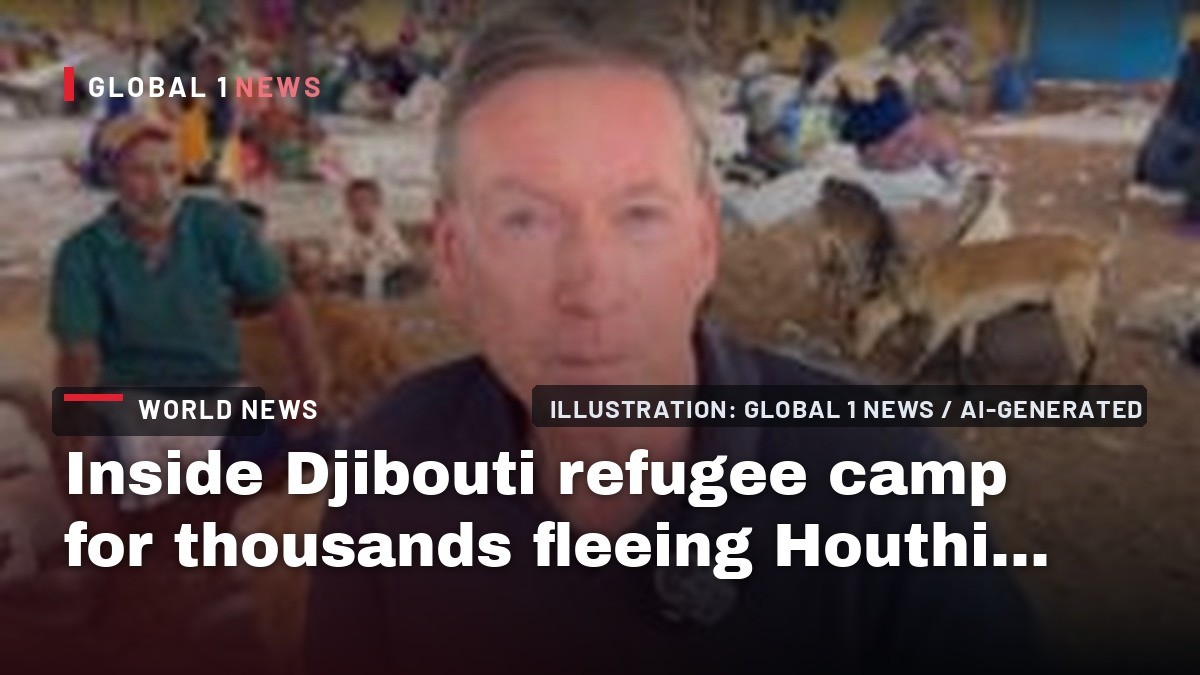
Fighting on Yemen’s west coast has set off a fresh wave of displacement, sending thousands of desperate people across the Bab al‑Mandab Strait into Djibouti. In the past ten days, the surge of arrivals has transformed the small port town of Obock into a makeshift gateway for those fleeing the Houthi offensive, prompting local officials and international agencies to scramble for resources and space.
From the Yemeni coast to Djibouti’s shores
The latest exodus follows a rapid escalation on Yemen’s western front, where the Iran‑backed Houthi movement launched an offensive aimed at seizing a key island and the strategically important port of Mokha. The assault has intensified combat along the coast, making the already precarious situation for civilians even more untenable.
In response, many have taken to the sea in overcrowded boats, braving the narrow Bab al‑Mandab Strait that separates Yemen from Djibouti. According to the UN International Organisation for Migration, these vessels are often packed beyond capacity, with passengers arriving in Djibouti with very limited food and water. The perilous crossings underscore the desperation driving people to risk their lives for a chance at safety.
Obock: a town under pressure
Obock, a modest port town on Djibouti’s northern coastline, has become the focal point of this humanitarian surge. Local authorities are preparing for the arrival of up to ten thousand refugees, a figure that reflects the scale of the current displacement. The town’s infrastructure, designed for a small population, now faces the challenge of accommodating a sudden influx of people seeking shelter, medical care, and basic sustenance.
Officials in Obock have been working around the clock, setting up temporary shelters and coordinating with aid agencies to manage the flow of arrivals. The urgency of the situation is palpable, as each new boat that reaches the shore brings additional families, children, and elders in need of immediate assistance.
The human toll of the crossing
Survivors of the sea journey describe a harrowing experience marked by cramped conditions and scarcity of essentials. The UN International Organisation for Migration notes that many arrive with very limited food and water, highlighting the acute vulnerability of those who have endured the crossing. The physical strain of the voyage, combined with the psychological trauma of fleeing conflict, places a heavy burden on the refugees as they step onto Djiboutian soil.
Health concerns are also rising, as overcrowded boats and limited supplies increase the risk of illness. Local health workers in Obock are preparing to address potential outbreaks and provide basic medical care, aware that the conditions on board the vessels can exacerbate existing health issues.
Regional implications of the refugee flow
The movement of people from Yemen to Djibouti is not an isolated incident but part of a broader pattern of displacement triggered by the ongoing conflict in the Horn of Africa. The Bab al‑Mandab Strait, a narrow waterway that links the Red Sea to the Gulf of Aden, has long been a conduit for trade and migration. In times of heightened conflict, it becomes a critical escape route for those fleeing violence.
Djibouti’s role as a refuge underscores its strategic importance in the region. While the country has historically served as a hub for international naval operations and trade, it now also bears the responsibility of providing humanitarian assistance to a growing number of displaced persons. This dual role places added pressure on its limited resources and infrastructure.
International response and aid coordination
The UN International Organisation for Migration is at the forefront of coordinating the response to the influx of refugees. Their assessment of the situation highlights the need for immediate humanitarian aid, focusing on the provision of food, water, and medical supplies. International partners are being called upon to support Djibouti’s efforts, recognizing that the scale of the crisis exceeds what the host community can manage alone.
Humanitarian agencies are mobilising resources to set up temporary shelters, distribute essential supplies, and provide medical care. The emphasis is on rapid, flexible assistance that can adapt to the evolving numbers of arrivals and the conditions under which they arrive.
Challenges ahead for host communities
While the immediate priority is to address the urgent needs of the refugees, longer‑term challenges loom on the horizon. The influx of up to ten thousand people will place sustained demands on housing, education, and employment opportunities in Obock and surrounding areas. Integrating such a large number of newcomers into the local economy and social fabric will require coordinated planning and support from both national authorities and international donors.
Moreover, the psychological impact on both refugees and host communities cannot be overlooked. The trauma of conflict and displacement, coupled with the stress of sudden demographic change, calls for mental health services and community‑building initiatives that foster resilience and cohesion.
Looking forward: hope amid uncertainty
Despite the daunting circumstances, there are signs of solidarity and hope. Local volunteers in Obock have opened their homes and hearts to the newcomers, offering food, water, and a listening ear. International agencies continue to pledge assistance, recognising the urgency of the situation and the humanity at stake.
The unfolding crisis serves as a stark reminder of how conflicts in one part of the Horn of Africa can ripple across borders, affecting lives far beyond the immediate battlefield. As Djibouti grapples with the immediate humanitarian needs, the broader regional community must reflect on the root causes of displacement and work towards lasting peace and stability in Yemen and the surrounding region.
This article was produced with AI-assisted research and editorial support. Reporting is based on the source material cited below. Sources: BBC News Africa; bbc.co.uk; Global1.News (23 September 2026).
By Amara Diop, Staff Writer
What's Your Reaction?
 Like
0
Like
0
 Dislike
0
Dislike
0
 Love
0
Love
0
 Funny
0
Funny
0
 Wow
0
Wow
0
 Sad
0
Sad
0
 Angry
0
Angry
0

West Africa/Sahel Correspondent at Global1.News. Dakar-based journalist covering politics, security, climate, and development across Francophone and Anglophone West Africa. Tells the stories of a region undergoing profound transformation.











Comments (0)