
Iranian President to Speak at UN GA Following Trump’s Threatening Address
In a striking sequence of events at the United Nations headquarters in New York, the Iranian president, Masoud Pezeshkian, is scheduled to address the General Assembly a day after former U.S.
In a striking sequence of events at the United Nations headquarters in New York, the Iranian president, Masoud Pezeshkian, is scheduled to address the General Assembly a day after former U.S. President Donald Trump delivered a speech that warned Tehran of possible annihilation. The juxtaposition of these two high‑profile speeches underscores the heightened diplomatic tension surrounding Iran’s nuclear programme and regional activities, while the UN Security Council concurrently convenes a meeting on artificial intelligence with senior industry leaders. This report, based on the recent CNA footage, examines the potential ramifications for Japan’s foreign policy, security posture, and technological strategy, particularly as they intersect with broader Asia‑Pacific stability and the evolving global AI governance framework.
Context of the UN General Assembly Sessions
The United Nations General Assembly (UNGA) traditionally serves as a platform for world leaders to outline their nations’ priorities and respond to global challenges. In this year’s session, the agenda has been dominated by discussions on nuclear non‑proliferation, regional security in the Middle East, and the rapid advancement of artificial intelligence. The presence of both the Iranian president and the former U.S. president on consecutive days highlights the intensity of the diplomatic climate.
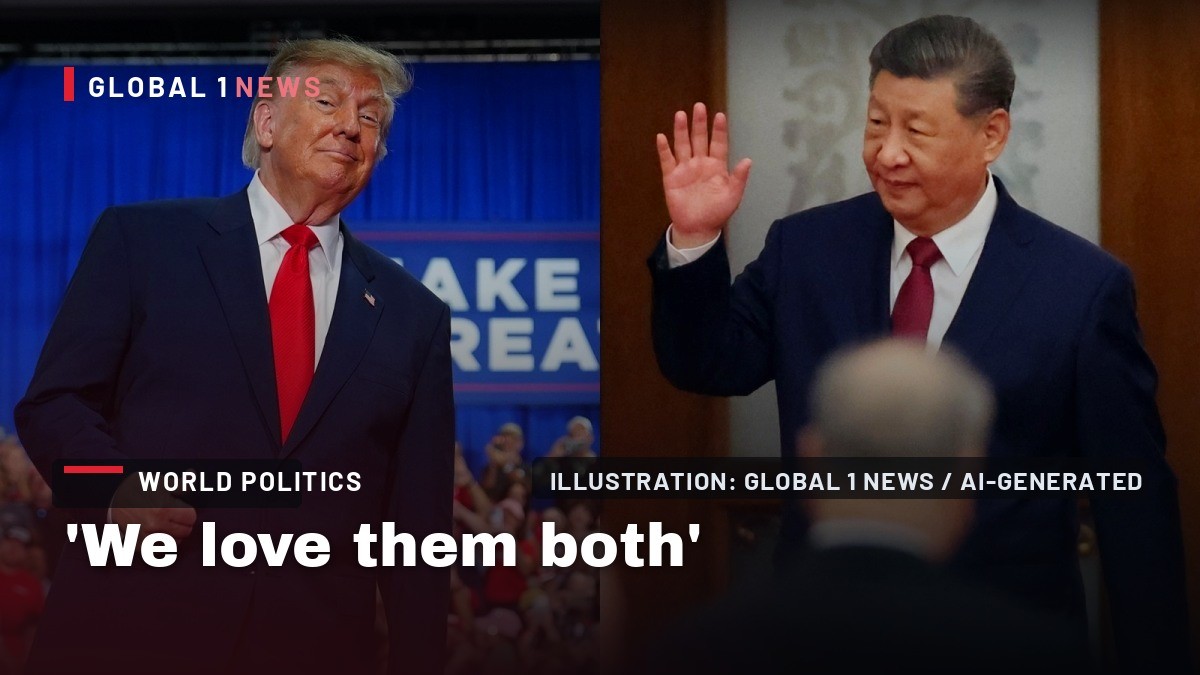
According to the CNA report, President Pezeshkian’s upcoming address follows a speech by Donald Trump that explicitly threatened Tehran with annihilation. While the exact wording of Trump’s remarks is not detailed in the source material, the description emphasizes a tone of intimidation. This sequence suggests a deliberate diplomatic choreography, with Iran seeking to counterbalance the hostile rhetoric by presenting its perspective directly to the international community.
For Japan, a nation that maintains a delicate balance between its security alliance with the United States and its economic ties with the Middle East, these developments demand close monitoring. The Ministry of Foreign Affairs (MOFA) and the Ministry of Economy, Trade and Industry (METI) are likely to assess how the speeches could influence the UN’s forthcoming resolutions on Iran’s nuclear activities and sanctions regimes.
Implications for Japan’s Security Policy
Japan’s security framework is heavily anchored in its alliance with the United States, as formalised through the Treaty of Mutual Cooperation and Security. The heightened rhetoric from the United States concerning Iran could prompt a reassessment of Japan’s own threat perception, particularly in relation to the security of maritime routes in the Persian Gulf, which are vital for Japan’s energy imports.
While the source material does not provide specific policy statements, the timing of the Iranian president’s address suggests an attempt to mitigate the impact of Trump’s warning on the international stage. Japanese officials in the Ministry of Defense may therefore consider diplomatic engagement through multilateral forums to advocate for de‑escalation, while simultaneously ensuring that any potential disruption to oil supplies is addressed through strategic reserves and diversified procurement.
Furthermore, the UN Security Council’s parallel discussion on artificial intelligence introduces a new dimension to security considerations. Japan’s own AI strategy, overseen by the Cabinet Office and coordinated with METI, emphasises the development of trustworthy AI and the establishment of international norms. The presence of industry leaders at the Security Council meeting indicates a recognition that AI is not merely a commercial issue but also a matter of global security, a perspective that aligns with Japan’s own emphasis on AI governance.
Economic and Energy Considerations
Japan’s economy remains heavily dependent on imported oil, with a significant portion sourced from the Middle East. Any escalation in tensions between the United States and Iran could have indirect effects on oil prices and supply stability. Although the CNA footage does not specify market reactions, the diplomatic backdrop suggests that Japanese businesses, particularly those in the energy sector, will be closely watching the outcomes of both speeches.
METI, which oversees Japan’s energy policy, may utilise the UNGA platform to advocate for the maintenance of stable energy markets and to encourage dialogue over confrontation. The ministry’s historical approach has been to promote energy security through diversification, including increased imports of liquefied natural gas from other regions and investment in renewable energy technologies.
In addition, Japan’s technology and manufacturing sectors, which are integral to the country’s export economy, could be indirectly affected by any sanctions or trade restrictions that arise from heightened US‑Iran tensions. Companies such as Toyota, Sony, and Hitachi, which have supply chains extending into the broader Middle East, may need to reassess risk management strategies in light of potential geopolitical disruptions.
Japan’s Role in AI Governance
The UN Security Council’s meeting on artificial intelligence, as highlighted in the CNA report, brings together heads of industry leaders to discuss the technology’s implications for global security. Japan, which has positioned itself as a proponent of “human‑centred” AI, is likely to contribute to these discussions through its representatives from the Ministry of Internal Affairs and Communications (MIC) and the Science and Technology Agency.
Japan’s AI policy framework stresses transparency, accountability, and the protection of human rights. In the context of the UN meeting, Japanese officials may advocate for the establishment of binding international standards that prevent the militarisation of AI while encouraging responsible innovation. This stance aligns with Japan’s broader diplomatic efforts to promote rule‑based order in the Asia‑Pacific region.
Moreover, the involvement of industry leaders at the Security Council suggests that private sector expertise will shape the policy outcomes. Japanese technology firms, such as Fujitsu and NEC, which are active in AI research and development, could be called upon to provide technical insights. Their participation would reinforce Japan’s reputation as a leader in trustworthy AI and could open avenues for collaborative standards‑setting with other nations.
Potential Diplomatic Outcomes
President Pezeshkian’s address to the UNGA is expected to focus on Iran’s perspective regarding its nuclear programme, regional security concerns, and the impact of international sanctions. While the source material does not detail the content of his speech, the timing indicates an attempt to present a counter‑narrative to the threat posed by Trump’s remarks.
For Japan, the diplomatic balance will involve supporting the UN’s multilateral approach while maintaining alignment with its key ally, the United States. MOFA may issue statements that call for restraint and dialogue, emphasising the importance of diplomatic solutions over threats of annihilation. Such a position would be consistent with Japan’s historical advocacy for peaceful resolution of conflicts through the UN framework.
In addition, Japan may seek to utilise its position within the G7 and other multilateral groups to influence the broader international response. By highlighting the potential economic fallout and the risks to global energy stability, Japanese diplomats could encourage a measured approach that avoids escalation.
Broader Regional Implications for Asia‑Pacific Stability
The Middle East’s security dynamics have indirect but significant implications for the Asia‑Pacific region, particularly through the lens of energy security and the precedent set for handling state‑level confrontations. Japan’s strategic community, including think tanks such as the Japan Institute of International Affairs (JIIA), will likely analyse how the UNGA speeches could affect the broader geopolitical environment.
If the rhetoric from the United States leads to heightened tensions, there is a risk that similar patterns of threat‑based diplomacy could emerge in other regional disputes, including those involving the Korean Peninsula or the South China Sea. Japan’s policy apparatus, encompassing the National Security Council and the Ministry of Defense, may therefore incorporate scenario planning that accounts for the possibility of escalatory language influencing regional actors.
Conversely, the UN Security Council’s focus on AI offers an opportunity for Japan to promote collaborative security frameworks that transcend traditional power politics. By championing responsible AI development, Japan can help shape a normative environment that mitigates the risk of AI‑driven arms races, thereby contributing to long‑term stability in the Asia‑Pacific.
By Kenji Tanaka, Staff Writer
This article was produced with AI-assisted research and editorial support. Reporting is based on the source material cited below. Sources: CNA video report (23 September 2026); CNA; Global1.News
What's Your Reaction?
 Like
0
Like
0
 Dislike
0
Dislike
0
 Love
0
Love
0
 Funny
0
Funny
0
 Wow
0
Wow
0
 Sad
0
Sad
0
 Angry
0
Angry
0

Japan Correspondent at Global1.News. Tokyo-based voice covering Japanese politics, technology, economy, and culture. Tracks the intersection of tradition and innovation in one of the world's most dynamic societies.









Comments (0)