
Hurricane Lala Lashes Hawaii's Big Island as Storm Weakens but Threat Persists
Folks, let’s get right to it. Hurricane Lala came knocking on Hawaii’s Big Island over the weekend of August 15-16, and while it didn’t make a direct landfall, this storm is far from over. We are tracking a dangerous system that has already knocked out power for hundreds of thousands, claimed at least one life, and is now dragging its soaking, dangerous tail across the rest of the island chain. Do not let the downgrade fool you—this is a life-threatening situation.
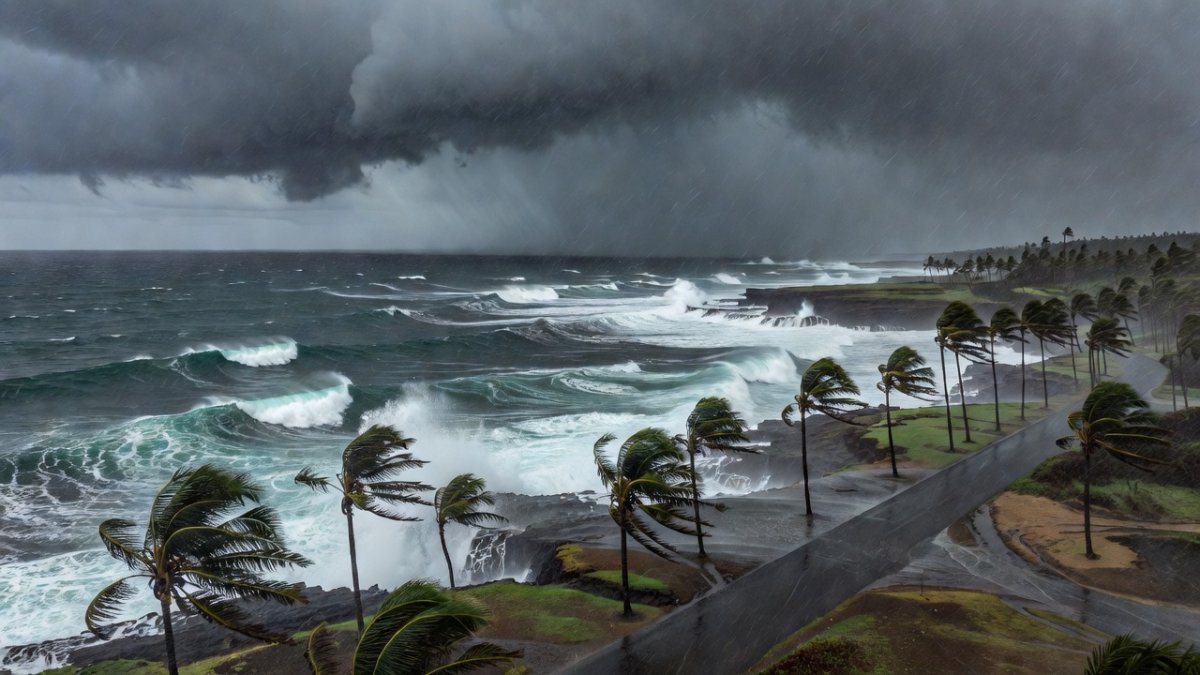
Folks, let’s get right to it. Hurricane Lala came knocking on Hawaii’s Big Island over the weekend of August 15-16, and while it didn’t make a direct landfall, this storm is far from over. We are tracking a dangerous system that has already knocked out power for hundreds of thousands, claimed at least one life, and is now dragging its soaking, dangerous tail across the rest of the island chain. Do not let the downgrade fool you—this is a life-threatening situation.
Hurricane Lala Lashes Hawaii's Big Island as Storm Weakens but Threat Persists
Honolulu, Hawaii — The worst may have passed for the Big Island, but the threat is far from neutralized. Hurricane Lala skirted the island’s coastline on Saturday without making landfall, but the reprieve was temporary. By early Sunday morning, the system had been downgraded from a Category 1 hurricane to a tropical storm, yet the National Hurricane Center is still clocking it with 70 mph winds. That is not a whisper; that is a roar. And now, the rest of the state is bracing for the blow.
The Storm’s Path: A Saturday Scare, A Sunday Soak
Let’s break down the timeline. On Saturday, the storm’s center stayed just offshore of the Big Island, a stroke of luck that prevented a catastrophic direct hit. But "skirted" does not mean "missed." The storm’s outer bands slammed the island with hurricane-force conditions, torrential rain, and life-threatening surf. The system then weakened overnight, and by early Sunday morning, the National Hurricane Center officially downgraded it to a tropical storm, still maintaining those potent 70 mph winds.
But here is the kicker, folks: this storm is not done with us. Tropical storm conditions are spreading westward. On Sunday morning, Maui County and Oahu began feeling the effects, and by later in the day, Kauai County was in the crosshairs. This is a moving target, and every single island in the chain is now under some form of warning. The storm is expected to gradually weaken, but "gradually" is the key word—it is lashing the region with strong winds and drenching rain as it goes.
Power Outages and a Confirmed Fatality
Let’s talk about the immediate impact, because the numbers are staggering. At the peak of the storm, more than 200,000 customers were without power, according to The New York Times. That is not a small outage; that is a grid collapse. For context, that represents a massive portion of the state’s population, and it means millions of hours of lost productivity, spoiled food, and, for some, a loss of critical medical support.
Even more sobering is the confirmation of at least one death connected to the storm, according to local officials and The Associated Press. We are not reporting this lightly, and our thoughts are with the family and community affected. This is a stark reminder that even a "weakening" storm carries a lethal punch. The rain, the wind, and the chaos are not abstract concepts—they are real, and they are dangerous.
Flooding, Mudslides, and the Coastal Threat
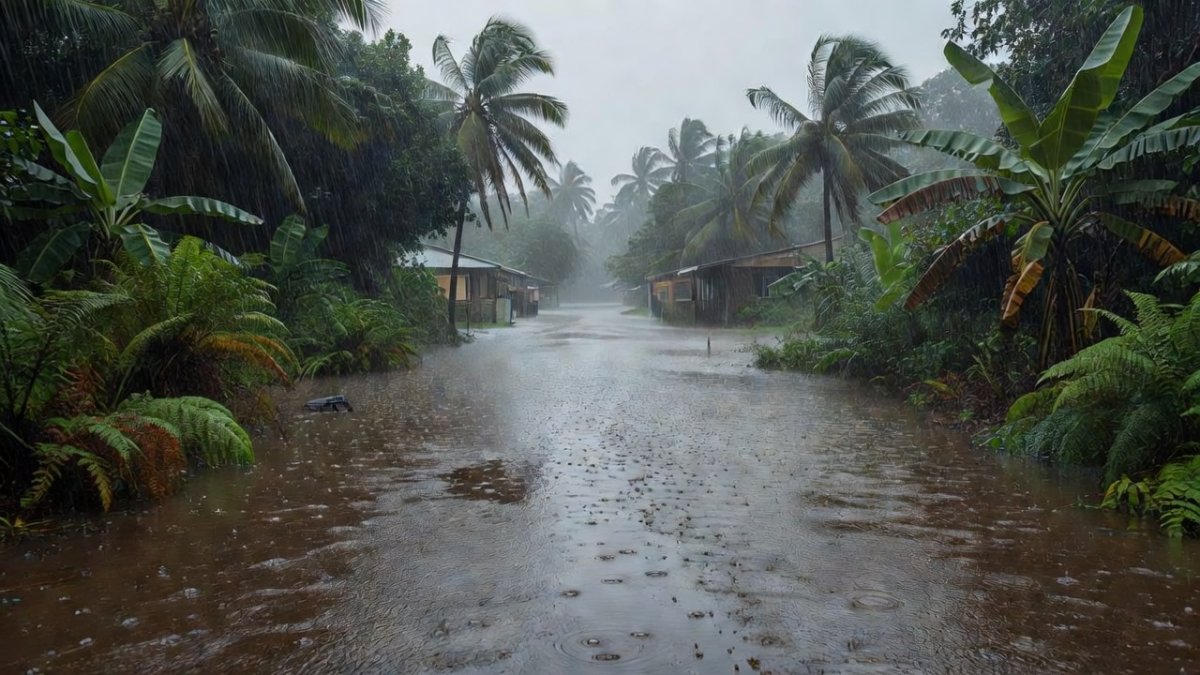
Now, let’s get into the specific hazards that are keeping emergency managers up at night. The primary threat right now is water. Life-threatening flooding, mudslides, dangerous surf conditions, and coastal erosion continue to threaten communities across the state. We saw a stark example of this on August 15, when a rural road in Volcano Village on Hawaii Island was completely flooded out. That is a community that knows how to handle rain, and even they were overwhelmed.
Officials have been blunt: they are warning of life-threatening flooding and mudslides. This is not a drill. The ground is saturated, the hillsides are unstable, and any additional rain could trigger catastrophic slides. The coastal areas are also facing a triple threat of storm surge, high waves, and erosion. If you live near the shore, you need to be listening to local authorities right now.
Infrastructure Shutdown: Ports, Airports, and a State on Lockdown
When the Coast Guard closes ports, you know this is serious. The U.S. Coast Guard shut down ports across Hawaii, effectively cutting off the islands from maritime traffic. This is a massive logistical move that impacts everything from fuel delivery to food supplies. Airports also shut down, stranding thousands of tourists who were advised to shelter in place to avoid flooding. Imagine being on vacation and being told to hunker down in a hotel lobby—that is the reality for many right now.
The shutdown is a necessary evil. It prevents ships from being dashed against the rocks and keeps planes from flying into dangerous wind shear. But it also means that the supply chain is frozen. For an island state, this is a critical vulnerability. We are not just dealing with a weather event; we are dealing with a logistical crisis that will take days, if not weeks, to untangle.
The Warning System: A Tale of Two Alerts
Let’s clarify the warning status, because it can be confusing. A Hurricane Warning was posted for Hawaii Island, which means hurricane conditions were expected. For the rest of the state, Tropical Storm Warnings are in effect. This is a significant distinction. The Big Island was facing the full brunt of the storm’s core, while the other islands are dealing with the outer bands and the storm’s trailing winds.
This tiered system is designed to give people the right level of caution. If you are on the Big Island, you are in the danger zone. If you are on Oahu or Kauai, you are in the impact zone, but with slightly less severe conditions. Do not let the word "tropical" fool you—70 mph winds can still tear roofs off and snap trees like twigs. The danger is real, and the warnings should be heeded.
Economic Impact: Hawaii’s 6,500 Farms in the Crosshairs
Beyond the immediate danger to life and limb, there is a massive economic threat brewing. Brian Miyamoto, director of the Hawaii Farm Bureau, a nonprofit supporting farmers, is worried about the potential damage to Hawaii’s 6,500 farms. These are the backbone of the local food system, and they are incredibly vulnerable to high winds and flooding. A single storm can wipe out an entire season’s crop, devastating livelihoods and driving up food prices.
This is not just about the farmers; it’s about the rest of us. Hawaii imports the vast majority of its food, so local agriculture is a critical buffer against supply chain disruptions. If these farms are damaged, we will feel it at the grocery store for months. The Farm Bureau is already assessing the damage, but the full picture won’t be clear until the storm passes and the waters recede.
Historical Context: A Rare and Dangerous Event
To understand how significant this is, we have to look at history. A hurricane last made landfall on the islands in 1992, when Hurricane Iniki—a Category 4 monster—lashed Kauai. That storm was devastating. But the Big Island itself? It hasn’t been directly hit since 1871, when a Category 3 hurricane struck the north-east corner, according to research by a University of Hawaii atmospheric scientist. That is over 150 years of luck, and this weekend, that luck nearly ran out.
This historical context matters because it shapes how people respond. Many residents have never experienced a direct hit. They are complacent. But the fact that Lala skirted the island is a warning shot. The Guardian also confirmed that the Big Island was last directly hit in 1871, underscoring just how rare and dangerous this event is. We are in uncharted territory for many living residents, and the margin between a near-miss and a catastrophe is razor-thin.
Analysis: What This Means for You and What Happens Next
So, what does this all mean for you, folks? It means the next 24 to 48 hours are critical. The storm is expected to gradually weaken, but flooding rain, landslides, and strong winds are expected to affect the island chain through Sunday. If you are in a low-lying area, if you are near a stream, or if you are on a hillside, you need to be prepared to move to higher ground. Do not wait for an official order if you feel unsafe. Your life is worth more than your property.
Looking ahead, the recovery will be long. Power restoration will take days, especially in remote areas. The port closures mean that supply chains will be disrupted, so expect delays in shipping and potential shortages of essential goods. And for the farmers, the assessment of damage will be a painful process. We need to support them by buying local when possible and advocating for state and federal aid.
But here is the thing, Hawaii: we are resilient. We have weathered storms before, and we will weather this one. The key is to stay informed, stay safe, and look out for your neighbors. Check on the elderly, check on the disabled, and check on those who live in vulnerable areas. We are a community, and we will get through this together.
By Jessica Ali, Staff Writer
This article was produced with AI-assisted research and editorial support. Sources: The New York Times, CNBC, The Guardian, Al Jazeera, Hawaii News Now, US News & World Report, National Hurricane Center.
What's Your Reaction?
 Like
0
Like
0
 Dislike
0
Dislike
0
 Love
0
Love
0
 Funny
0
Funny
0
 Wow
0
Wow
0
 Sad
0
Sad
0
 Angry
0
Angry
0

Editor-in-Chief at Global1.News. Atlanta-based journalist who cuts through the BS and tells it like it is. Lead anchor, host, and the voice you hear when the spin stops and the truth starts.











Comments (0)