
From SongR to Suno: How Free AI Music Beat the Labels
AI music generation has shifted from free tools like SongR AI to licensed label deals with Suno and Udio. Open-source options like MusicGen remain the last truly free lane. Creators must act now to own their output and avoid corporate lock-in.
Folks, stop what you're doing. The music industry just got hit by a freight train, and the conductor is an algorithm. We watched a free tool called SongR AI turn a few typed words into a full-blown song with vocals, lyrics, and melody in seconds — and that was just the opening act. Now, two years later, the entire landscape has flipped from a free-for-all toy era into a licensed, monetized battleground where the labels who sued AI are now shaking hands with it.
AI Music Revolution: From Free Toys to Label Deals
Atlanta, Georgia — The revolution was never about the technology. It was about who controls the pipes. When Aitrepreneur's video dropped showcasing SongR AI, the message was simple: anyone can make music. No studio, no label, no budget. Just type, click, and listen to a machine sing your words back at you. That moment was the spark. But the fire that followed has consumed the old guard's playbook, and now they're scrambling to buy the matches.
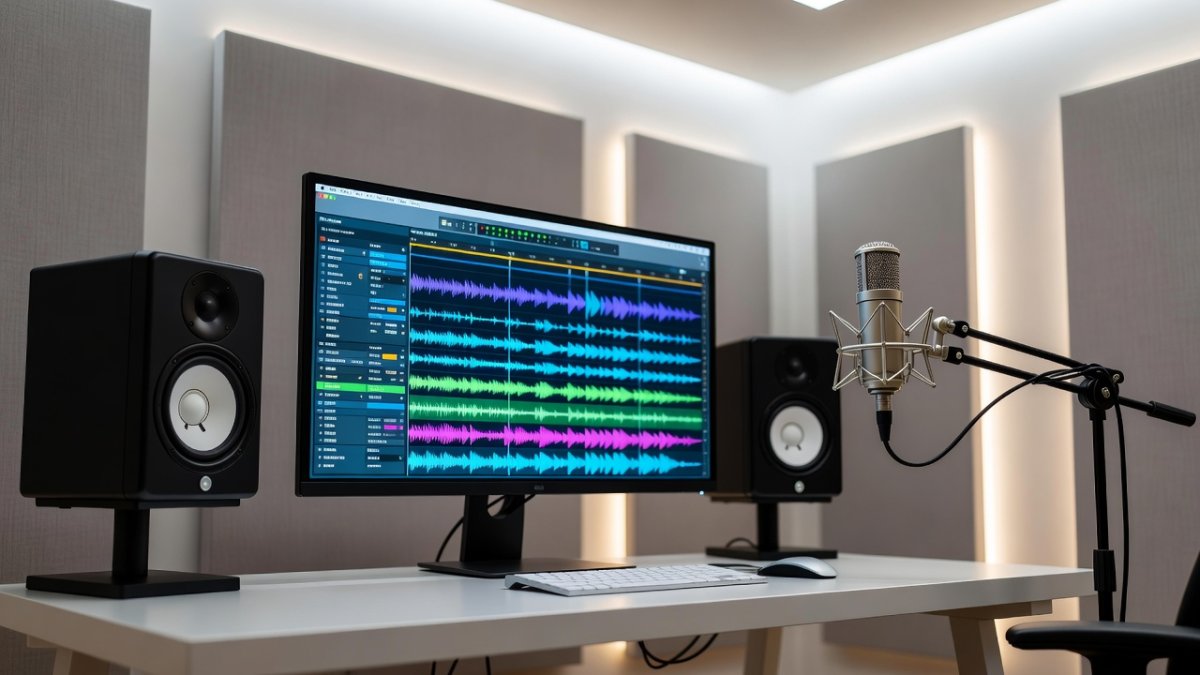
The SongR AI Tool That Started It All
Let's get the basics straight because too many people are still sleeping on this. SongR AI, available at songr.ai or app.songr.ai, is a free text-to-song web application that takes keywords and turns them into complete tracks. We're not talking about a simple beat loop. This thing generates AI vocals, writes lyrics, composes melody, and layers harmony — all in seconds. It supports Pop, Rock, Chant, and HipHop styles, and the free tier historically allowed around five songs per day. That's five full compositions for zero dollars. The underlying tech leans on Synthesizer V from Dreamtonics, among other voice libraries, which is why the vocals don't sound like a robot gargling static. They sound eerily human.
The Aitrepreneur video was a masterclass in accessibility. It showed a regular person, not a producer, not a songwriter, generating a complete song with lyrics in under a minute. That demo wasn't just a party trick. It was a declaration that the barrier to entry for music creation had collapsed. If you can type a sentence, you can release a single. That's not hyperbole; that's the new reality.
The 2023 Free AI Music Wave
SongR didn't exist in a vacuum. It rode a wave that started crashing in 2023 when tools like Meta's MusicGen hit the open-source scene. That was the year the floodgates opened. Suddenly, anyone with a decent graphics card could generate music locally, for free, with no limits. The industry's response was predictable: panic, then lawsuits. But the damage was done. The genie was out of the bottle, and the labels were holding an empty bottle while the genie was already building a recording studio in your browser.
The free wave normalized the idea that music creation is a human right, not a corporate privilege. It empowered bedroom producers, hobbyists, and even professional artists looking for inspiration. It also terrified the incumbents because their entire business model relies on scarcity and gatekeeping. When the means of production are free, the gatekeepers become obsolete. That's the real story here, and it's why the next few years are going to be a bloodbath of legal maneuvering and backroom deals.

The Suno-Warner Deal That Changed Everything
Fast forward to November 25, 2025. Suno and Warner Music Group signed a first-of-its-kind AI licensing deal. This wasn't a settlement in the shadows; it was a public pivot. Warner had sued Suno, and instead of fighting to the death, they decided to get into bed together. The terms are stark: Suno will phase out its unlicensed models and deploy new models trained exclusively on licensed catalog music starting in 2026. That's a massive concession, but it's also a massive win for Suno because they get legitimacy and a major label's catalog to train on.
Let's call this what it is. Warner sued Suno, lost the narrative war in the court of public opinion, and then bought into the very thing they were trying to kill. This isn't a partnership of equals; it's a hostage negotiation where the hostage decided to join the kidnappers. The deal is a template for how the industry will handle AI going forward: not by fighting it, but by monetizing it. And the artists? They're the ones who should be asking where their cut is.
The UMG-Udio Settlement and the New Partnership Era
Just a month earlier, on October 29-30, 2025, Universal Music Group settled its lawsuit with Udio. UMG became the first major label to turn a copyright fight into an AI partnership. The new licensed platform is coming in 2026, and here's the kicker: artists opt in and get paid for data use. That's a headline that sounds good, but read the fine print. Opt-in means the default is opt-out. Artists have to actively raise their hands to get paid, and the payment structure is opaque at best.
UMG is spinning this as a victory for artists, but it's really a victory for UMG's balance sheet. They get to monetize their catalog twice: once through traditional royalties and again through AI licensing fees. The artists get a crumb. The real innovation here is that UMG figured out how to turn a legal liability into a revenue stream. That's not genius; that's just capitalism with a smiley face.

The Open-Source Lane: The Last Truly Free Frontier
If you're a creator who wants to avoid the corporate meat grinder, there's still hope. Meta's MusicGen, released in 2023 via AudioCraft, remains the most capable free and open-source alternative in 2026. It runs locally, it's free, it's unlimited, and it supports text prompts plus melody conditioning. You can hum a tune, and it will build a full arrangement around it. That's not a toy; that's a professional tool that costs nothing.
Other options include Stable Audio Open, ACE-Step, MusicGPT, and Bark. These aren't as polished as the commercial giants, but they offer something the licensed platforms never will: total freedom. No usage limits, no content filters, no corporate overlords. If you're serious about owning your creative output, the open-source lane is the only lane that doesn't end with a licensing agreement. The trade-off is complexity, but in a world where the labels are monetizing your creativity, a little complexity is a small price to pay for independence.
The Copyright Fight and What Creators Should Do Now
Here's the uncomfortable truth: the core fair-use question is still unresolved. In the summer of 2026, legal analysts expect a ruling on the Suno/Sony case, and that ruling could reshape everything. Meanwhile, Suno is fighting to keep the Warner deal terms sealed from Sony Music and Universal. Why? Because the terms are probably terrible for the labels, and they don't want the competition to know how desperate they are. This is a legal soap opera with your creative future as the prize.
So what do you do? First, stop waiting for permission. Use the free tools now. SongR AI, MusicGen, and the open-source alternatives are available today. Second, read every licensing agreement like your career depends on it, because it does. Third, diversify your output. Don't put all your songs on one platform. Own your masters, own your stems, and keep local backups. The industry is consolidating, and the last thing you want is to be locked into a deal that you can't escape.
What This Means
This is the moment where the music industry's soul is up for grabs. The labels spent years suing AI companies, calling them thieves and parasites. Now they're signing deals with those same companies and calling them partners. That's not a change of heart; that's a change of strategy. They realized they couldn't stop the wave, so they decided to surf it. But here's the thing: the wave belongs to everyone. The tools are free, the technology is open, and the only thing standing between you and a hit song is your own imagination.
The free AI music wave that SongR helped kick off has gone from a free toy era to a licensed, monetized industry era. That's progress, but it's also a warning. If you don't claim your space in this new landscape, someone else will claim it for you. The labels are betting that you'll be too lazy to learn the tools, too intimidated by the legal jargon, and too comfortable with the status quo. Prove them wrong.
Start today. Open SongR AI, type a lyric, generate a track. Then take that track and learn how to use MusicGen locally. Build a catalog that you control. The industry is changing, but the fundamentals haven't: great music wins. And now, anyone can make it. The question is, will you?
By Jessica Ali, Staff Writer
This article was produced with AI-assisted research and editorial support. Reporting is based on sources cited in the article.
What's Your Reaction?
 Like
0
Like
0
 Dislike
0
Dislike
0
 Love
0
Love
0
 Funny
0
Funny
0
 Wow
0
Wow
0
 Sad
0
Sad
0
 Angry
0
Angry
0

Editor-in-Chief at Global1.News. Atlanta-based journalist who cuts through the BS and tells it like it is. Lead anchor, host, and the voice you hear when the spin stops and the truth starts.











Comments (0)