
Five children among seven dead in eastern Syria floods
Heavy rains that swept across eastern Syria on 30 October triggered flash floods that have left a deep scar on families and infrastructure. Seven more were injured, four people remain missing, and rescue teams continue to scour flooded zones for survivors.
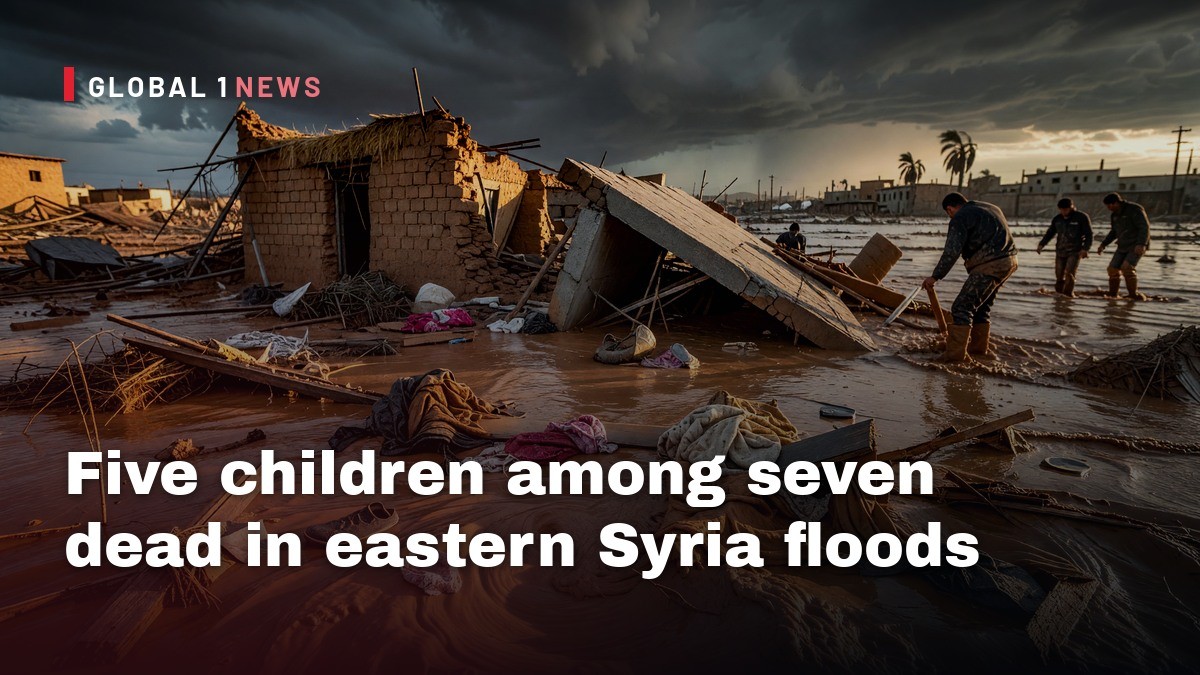
Heavy rains that swept across eastern Syria on 30 October triggered flash floods that have left a deep scar on families and infrastructure. According to Emergency and Disaster Management Minister Raed al‑Saleh, seven people lost their lives, including five children who drowned in pools of water formed by the sudden deluge. Seven more were injured, four people remain missing, and rescue teams continue to scour flooded zones for survivors. The tragedy underscores the vulnerability of communities in the Raqqa, Deir al‑Zor, Hasakah and parts of Aleppo provinces, where the combination of inadequate drainage, aging infrastructure and the lingering effects of conflict have amplified the impact of extreme weather.
Scope of the disaster
The floods have inundated a swath of eastern Syria, affecting the provinces of Raqqa, Deir al‑Zor and Hasakah, as well as parts of Aleppo. Authorities reported that roads and telecommunications infrastructure were damaged, especially in Deir al‑Zor where seven culverts collapsed, cutting off access to several areas. The disruption to transport and communications has hampered relief efforts and isolated villages that depend on these links for food, medical supplies and evacuation routes.
Emergency crews have responded with a sizable operation. Since the storms began, Syria’s civil defence teams have carried out more than 550 emergency operations, rescuing 60 people trapped by floodwater and answering over 900 distress calls. The scale of the response reflects both the intensity of the flooding and the ongoing challenges of coordinating relief in a country still recovering from years of war.
Human toll and immediate response
The most heartbreaking aspect of the disaster is the loss of five children, who drowned in pools of water that formed as floodwaters receded. A separate fatality occurred in a traffic accident, while the details of the seventh death remain unclear. Seven individuals were injured, and four remain missing, prompting continued searches by rescue teams.
In addition to the rescue operations, emergency crews evacuated more than 350 students from two schools, and helped 375 families leave camps in Raqqa province. These evacuations were necessary not only because of the immediate danger of rising water but also because of the broader risk of contaminated water and disease outbreaks that often follow such floods.
Impact on displaced populations
Flooding has compounded the hardships faced by internally displaced persons (IDPs) living in camps across the region. Teams responded to flooding at camps in rural Aleppo and Idlib, pumping water from around 250 homes and public buildings to mitigate damage. The displacement of families from their temporary shelters adds another layer of vulnerability, as many lack the resources to rebuild or relocate quickly.
The forced movement of families also strains the limited humanitarian assistance available in the area. International NGOs and local agencies are already stretched thin, providing food, shelter and medical care to a population that has endured years of conflict and now faces a new natural disaster.
Regional infrastructure challenges
The collapse of seven culverts in Deir al‑Zor highlights the fragility of Syria’s water management infrastructure. Many of these structures were built before the war and have suffered from neglect, damage and lack of maintenance. Their failure not only exacerbated the flooding but also disrupted irrigation systems that are vital for agriculture in the region.
Road damage further isolates communities, hindering the delivery of aid and the movement of residents seeking safety. In the aftermath, repairing these critical arteries will be essential for restoring normalcy and ensuring that future emergencies can be addressed more swiftly.
Education and school closures
Authorities suspended classes in Raqqa, Hasakah and Deir al‑Zor on Thursday as the floods worsened. The closure of schools affects thousands of children who are already coping with disrupted education due to the conflict. While emergency evacuations removed students from immediate danger, the longer‑term impact on learning outcomes remains a concern.
Efforts to provide temporary learning spaces or remote education are hampered by damaged telecommunications infrastructure. Restoring power and internet connectivity will be crucial if authorities aim to minimize educational setbacks caused by the flooding.
Potential for broader regional cooperation
While the immediate response is being led by Syrian authorities, the scale of the disaster invites regional cooperation. Neighboring countries, including Israel, have historically provided humanitarian assistance in the form of medical supplies, water purification equipment and technical expertise during natural disasters. Though the source material does not detail any specific aid arriving from Israel, the precedent for cross‑border assistance suggests that Israeli NGOs and government agencies could play a supportive role, particularly in areas such as water management technology and emergency logistics.
Israel’s innovation sector, renowned for its water‑saving technologies and rapid‑deployment disaster response tools, could offer valuable resources. Partnerships with the Israel Innovation Authority or the Ministry of Economy could facilitate the transfer of flood‑mitigation solutions, such as portable pumps and early‑warning systems, to Syrian communities vulnerable to similar weather events.
Looking ahead: rebuilding and resilience
Forecasters warned that unsettled weather could continue into Saturday, meaning that the immediate threat may linger. As the floodwaters recede, attention will shift to rebuilding damaged infrastructure, restoring services, and supporting families who have lost homes or loved ones.
Long‑term resilience will depend on a combination of rebuilding physical infrastructure, enhancing early‑warning systems and strengthening community preparedness. International donors, regional partners and Syrian authorities will need to coordinate to ensure that reconstruction incorporates flood‑resilient designs, particularly for roads, culverts and public buildings.
In the meantime, the humanitarian community continues to search for the four missing individuals, while families mourn the loss of five children—a stark reminder of how climate‑related hazards can compound the suffering of populations already burdened by conflict. The tragedy in eastern Syria is a call to action for all stakeholders to prioritize disaster risk reduction alongside ongoing reconstruction and peace‑building efforts.
This article was produced with AI-assisted research and editorial support. Reporting is based on the source material cited below. Sources: Al-Monitor; al-monitor.com; Global1.News (01 November 2026).
By Hannah Berg, Staff Writer
What's Your Reaction?
 Like
0
 Dislike
0
 Love
0
 Funny
0
 Wow
0
 Sad
0
 Angry
0

Israel Correspondent at Global1.News. Based in Tel Aviv, covering Israeli politics, security, technology, and society. Provides balanced, deeply-sourced reporting on one of the most closely-watched regions in the world.















Comments (0)