
Dead Lizard in Birthday Cake: 11 Hospitalised in India
Eleven hospitalised, three children in ICU, after dead lizard found in birthday cake from Chamunda Cake Shop in Nalasopara, Maharashtra. Incident exposes systemic food-hygiene failures amid FSSAI's August 2026 licence suspensions and a survey showing 57% of consumers witnessed dirty premises.
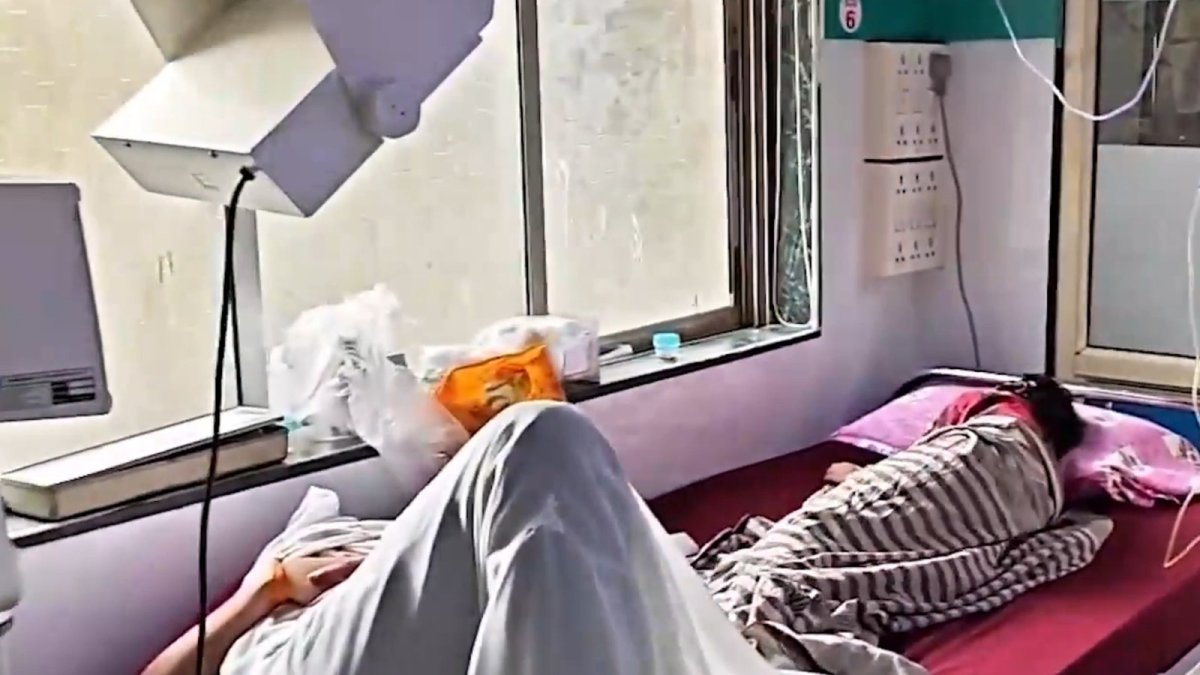
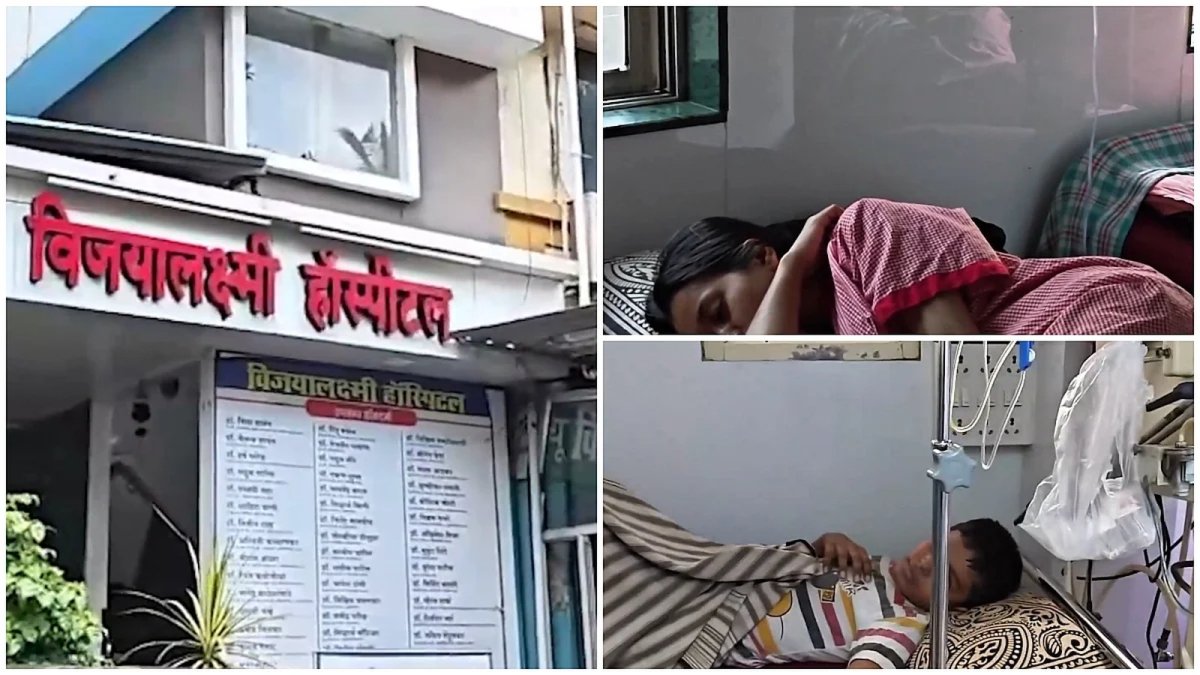
A birthday cake meant to mark a 25-year-old woman’s special day in Nalasopara turned into a medical emergency on Saturday evening, leaving 11 people — including seven children and a two-year-old — hospitalised with suspected food poisoning after a dead lizard was discovered inside the dessert. Three children remain in intensive care at Vijayalaxmi Hospital, and police have seized samples of the cake for laboratory testing. The incident has thrust India’s food-safety enforcement — already under scrutiny over FSSAI’s recent licence suspensions — back into the national spotlight.
Dead Lizard in Birthday Cake: 11 Hospitalised as India’s Food-Safety Gaps Widen
Nalasopara, Maharashtra – August 16, 2026 — A birthday celebration in a Mumbai Metropolitan Region housing society turned into a medical emergency on Saturday evening when 11 people, including seven children, were hospitalised after consuming a cake allegedly contaminated with a dead lizard. The incident, which occurred at the Neelkantheshwar building in Takipada, Nalasopara East (Palghar district), has triggered a police investigation and renewed scrutiny of India's food-safety enforcement mechanisms, from neighbourhood bakeries to large packaged-food manufacturers.
The Incident: A Celebration Interrupted
The sequence of events began around 6 pm on August 15, when neighbourhood children arrived at the building with a cake purchased from Chamunda Cake Shop, a retail outlet of Chamunda Dairy located opposite the residence. The cake was intended for a 25-year-old woman's birthday. Within a short period of consuming the dessert, guests began complaining of a burning sensation in their chests and started vomiting. The severity of the symptoms prompted an immediate rush to Vijayalaxmi Hospital, where 11 individuals were admitted with suspected food poisoning.
The hospitalised individuals, as per the Lokmat Times, include Urmila Verma, 32; Saloni Gupta, 16; Sudiksha Shah, 19; Afiya Idris, 24; Ruby Shah, 40; Shiv Gupta, 10; Priyansh Verma, 2; Pari Yadav, 7; Priya Verma, 8; Rudra Shah, 13; and Prachi Yadav, 8. Critically, three children have been placed in the intensive care unit, underscoring the vulnerability of younger patients to foodborne pathogens. The children informed doctors that a dead lizard was discovered inside the cake, a claim that has become the central focus of the investigation. Dr Vidya Sawant of Vijayalaxmi Hospital has stated that all those undergoing treatment are stable, but the incident has caused palpable panic in the locality.
Medical and Public-Health Implications
The clinical presentation — chest burning and vomiting shortly after ingestion — is consistent with acute gastroenteritis or chemical irritation, though the precise aetiology awaits laboratory confirmation. Tulinj police have seized samples of the cake and sent them for testing; the exact cause will be established only after those reports are received. From a public-health perspective, this case highlights the inherent risks of cream- and milk-based confectionery, which are classified as high-risk perishable items. Food-poisoning bacteria multiply most rapidly in the temperature "danger zone" of roughly 5 to 60 degrees Celsius, a range that is easily breached in humid monsoon conditions typical of Maharashtra in August.
The fact that three children required intensive care is a sobering indicator of how quickly such contamination can escalate. Children, the elderly, and immunocompromised individuals are disproportionately affected by foodborne illnesses, and the physiological response to toxins or pathogens can be more severe in paediatric patients. The hospital's rapid response and the stability of all patients are reassuring, but the incident underscores the need for rigorous cold-chain management and hygiene protocols at the point of preparation and sale. The family suspects the cake caused the illness, and while an official medical report is awaited, the circumstantial evidence is compelling enough to warrant a full investigation.
FSSAI's August 2026 Enforcement Blitz: A Pattern of Systemic Failure
This Nalasopara incident does not occur in a vacuum. Just one week prior, on August 8, 2026, the Food Safety and Standards Authority of India (FSSAI) suspended the licences of VKC Nuts and CHHEDA Specialities Foods Pvt Ltd in Maharashtra following inspections that uncovered live insects, mould, a lizard near figs, insects in pistachios, and rat droppings. Chheda recorded a 42 per cent overall non-compliance score, failing 36 of 86 checklist points. Pest-control measures were found ineffective, and licences were suspended until corrective actions — including sanitation, pest control, waste management, and staff training — are completed.
Five days later, on August 13, FSSAI suspended the licences of AB Enterprise, Zaiqaa Organixs, and Narayani Foods and Beverages over misleading claims and hygiene lapses, including poor sanitation and pest-entry points. The temporal proximity of these enforcement actions to the Nalasopara cake incident suggests a systemic issue rather than isolated negligence. When a lizard is found in a cake at a neighbourhood shop in Palghar district, and simultaneously, a lizard is found near figs at a packaged-food facility in Maharashtra, the pattern points to widespread deficiencies in pest control and hygiene across the food supply chain.
The LocalCircles Survey: Consumer Perceptions of a Hygiene Crisis
The scale of this problem is quantified in a LocalCircles survey reported by India Today on August 10, 2026. Drawing on more than 91,000 responses across 244 districts of India, the survey paints a damning picture of the country's food-hygiene landscape. Fifty-seven per cent of consumers said they had personally observed dirty dining areas, kitchens, or washrooms at restaurants in the last 12 months. Fifty-three per cent saw staff handling food unhygienically, and an equal proportion observed cooking oil being reused. Half of the respondents saw food heated or served in plastic containers that may not be food-grade, while 45 per cent encountered cockroaches, rats, flies, or other pests. The same percentage noted poor separation of vegetarian and non-vegetarian food, and 40 per cent came across food that appeared stale or repeatedly reheated.
Remarkably, only 5 per cent of consumers said they had seen none of these problems. Even more telling is the assessment of air-conditioned restaurants: only 32 per cent of respondents rated their hygiene and food safety standards as good or excellent. This perception data is corroborated by enforcement actions the same week, when a Bengaluru food-safety inspection seized 132 kg of food items and 15 litres of used cooking oil, flagging rotten meat, expired dairy products, fungus-infested food, and improperly stored preparations. The gap between regulatory intent and on-ground reality is not a perception problem; it is a measurable, documented failure.
Regulatory Framework: The Law Exists, Enforcement Lags
India's food-safety architecture is anchored in the Food Safety and Standards Act, 2006, which established the FSSAI as the central authority, with state bodies such as the Maharashtra Food and Drug Administration responsible for ground-level enforcement. The Act empowers authorities to impose fines and imprisonment for selling unsafe or substandard food, and to suspend or cancel licences. Consumers can file complaints through FSSAI's Food Safety Connect portal, a mechanism designed to democratise oversight. Yet, the recurrence of foreign-object incidents — including a 2022 case in Rajasthan where 16 people, including a bride, groom, and five children, fell ill after a dead lizard was found in buttermilk at a wedding function — suggests that the deterrent effect of these provisions remains weak.
The Nalasopara case raises specific questions that the Tulinj police and the Maharashtra FDA must answer: How did a reptile end up inside a sealed cake? What were the hygiene protocols during preparation and packaging at Chamunda Cake Shop? Were the premises inspected for pest entry points? The answers will determine whether this is a one-off lapse or a symptom of a broader regulatory gap. The FSSAI's recent suspensions of major manufacturers demonstrate that the authority is willing to act, but the sheer volume of violations — from a 42 per cent non-compliance score at Chheda to the 57 per cent consumer observation of dirty premises — indicates that enforcement is reactive rather than preventive.
The Bottom Line: A Test of India's Food-Safety Commitment
This is not merely a bizarre incident involving a lizard in a birthday cake. It is a stress test of India's food-safety enforcement, from the neighbourhood bakery in Nalasopara to the packaged-food giants in Maharashtra's industrial belts. The data is unambiguous: 57 per cent of consumers have witnessed dirty premises, 53 per cent have seen unhygienic food handling, and only 32 per cent trust the hygiene of even air-conditioned restaurants. When a 2-year-old child is admitted to intensive care after eating a cake from a local shop, the cost of this systemic failure is measured not in compliance scores but in human health.
The FSSAI's August 2026 enforcement actions are a step in the right direction, but they must be sustained and expanded. The Maharashtra FDA must investigate the Chamunda Cake Shop with the same rigour applied to VKC Nuts and Chheda. The test reports from the seized cake samples will provide the scientific basis for action, but the regulatory response cannot wait for laboratory confirmation. The families in Takipada, the 91,000 respondents in the LocalCircles survey, and the millions of Indians who consume bakery products daily deserve a food-safety regime that prevents contamination, not one that merely reacts to it. The evidence is on the table; the question is whether the authorities will act on it.
This article was produced with AI-assisted research and editorial support. Sources: Times of India, Lokmat Times, Free Press Journal, NDTV, India Today, Moneycontrol.
— By Dr. Raj Patel, Staff WriterThis article was produced with AI-assisted research and editorial support. Sources: Times of India, Lokmat Times, Free Press Journal, NDTV, India Today, Moneycontrol.
— By Dr. Raj Patel, Staff Writer
What's Your Reaction?
 Like
0
Like
0
 Dislike
0
Dislike
0
 Love
0
Love
0
 Funny
0
Funny
0
 Wow
0
Wow
0
 Sad
0
Sad
0
 Angry
0
Angry
0

India/South Asia Correspondent at Global1.News. Analytical voice with a background in science and health journalism. Based in New Delhi, covering Indian politics, education, healthcare, technology, and policy. Breaks down complex data into clear, actionable reporting.













Comments (0)