
At Least 1 in 4 Former NFL Players Had CTE, New Study Finds
A new study in The BMJ finds at least one in four former NFL players who died between 2016 and 2021 had CTE. Canadian experts call the findings a wake-up call for hockey, football, rugby and youth sport, as researchers urge earlier prevention and Ontario's Rowan's Law offers a legislative model.
In a new CBC News report published this week, a joint U.S. study has revealed that at least one in four former National Football League players had evidence of chronic traumatic encephalopathy (CTE), the neurodegenerative disease linked to repeated head trauma. The findings, published Tuesday in The BMJ, offer a stark new baseline for understanding the long-term risks of contact sport — a conversation that resonates deeply in Canada, where hockey, football, and rugby remain cornerstones of community life.
The study, led by Dr. Daniel Daneshvar of Mass General Brigham and Harvard Medical School, analysed brain tissue from 338 deceased former NFL players and found that 93.2 per cent had CTE pathology. For Canadian families, athletes, and provincial sport bodies, the numbers are a sobering reminder that the cumulative effects of head impacts begin long before the professional ranks.
New CTE Study Finds at Least One in Four Former NFL Players Had Brain Disease
Toronto, Ontario — The most comprehensive prevalence study of chronic traumatic encephalopathy ever conducted in former professional football players has confirmed that the disease is far more common than previously documented, with researchers stating that at least 24.5 per cent of players who died between 2016 and 2021 had CTE. The study, published in The BMJ on Tuesday, examined brain tissue donated to the UNITE brain banks at Boston University's CTE Center, Mount Sinai, and the University of California, San Francisco, and represents a collaborative effort between Mass General Brigham, Boston University, and the Concussion + CTE Foundation.
Dr. Daneshvar, the study's lead author and chair of physical medicine and rehabilitation at Mass General Brigham, said the findings were both alarming and expected. "We were unfortunately both surprised but saddened to see that the minimum rate was so alarmingly high," he told reporters. The research team reviewed 1,712 former NFL players who died between 2008 and 2021, of whom 338 brains were donated for study. Of those, 315 had confirmed CTE pathology, with 104 cases — 30.8 per cent — reaching stage IV, the most advanced form of the disease.
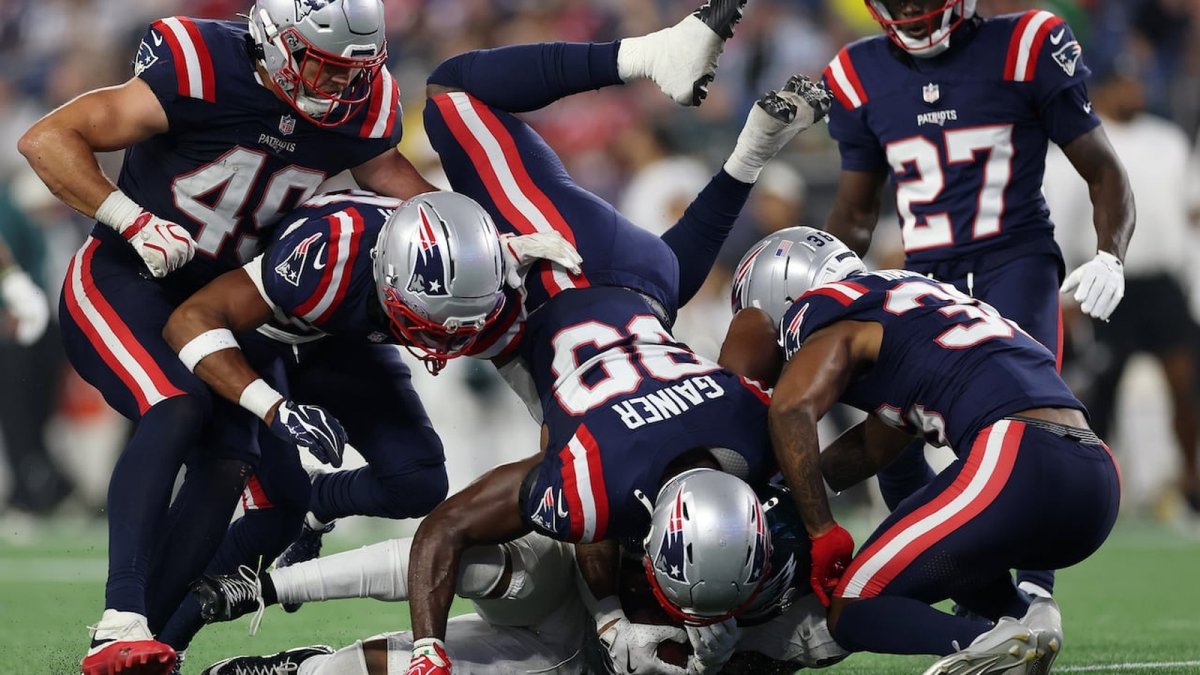
The Study: At Least One in Four
The study's central finding is that among the 878 former NFL players who died between 2016 and 2021 — a period when brain donation was most frequent — the possible prevalence of CTE at death ranged from 24.5 per cent to 97.7 per cent. That means at minimum, one in four players who died in that window had the disease. The Guardian reported that 235 of those 878 players donated their brains, and 215 of those donations showed CTE pathology.
Among all 338 donors, the average age at death was 66.5 years. More than half — 59.8 per cent — met clinical criteria for dementia, and 18.6 per cent had neurodegenerative disease listed as their primary cause of death. The study also found that more than 90 per cent of samples with stage IV CTE were accompanied by a dementia diagnosis, and that stage IV CTE was associated with a 44 per cent higher prevalence of clinician-diagnosed dementia.
Dr. Daneshvar described the clinical impact in stark terms. "They had clinical impairment in their thinking and memory that was so severe they couldn't take care of their own activities of daily living," he said. "Things like grooming themselves or feeding themselves, or managing their day-to-day activities — they couldn't do it because the pathology was so severe in their brain." The study also confirmed that NFL players have approximately four times the rate of death from neurodegenerative disease compared to the general population.
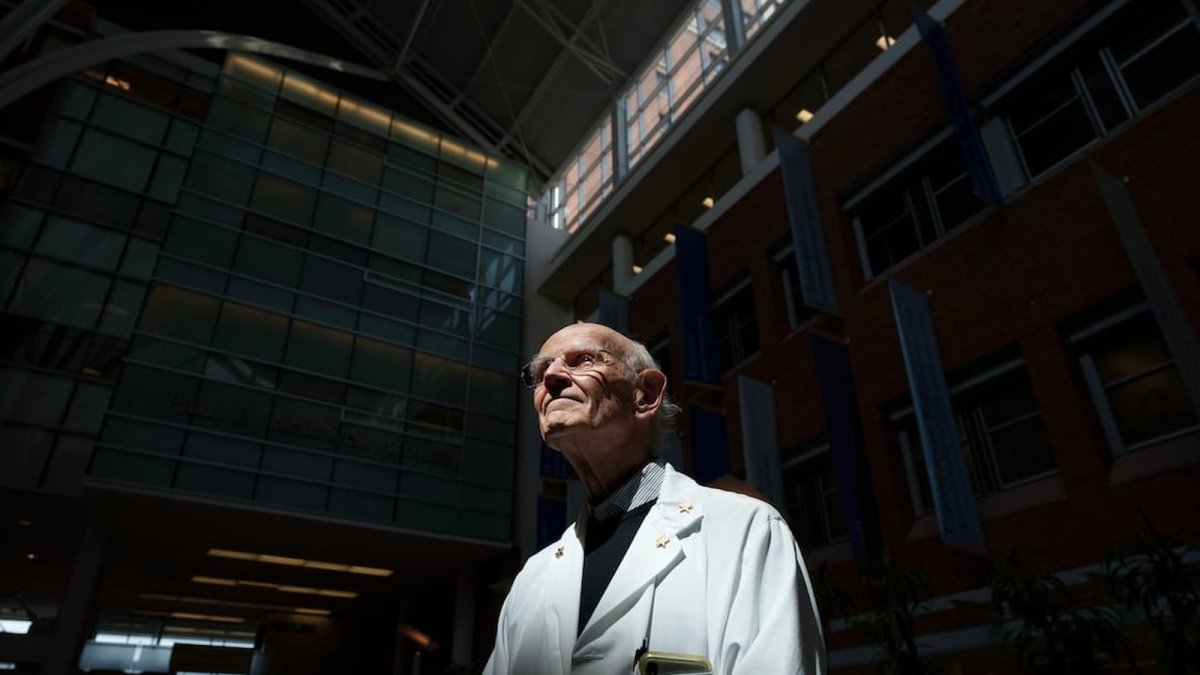
A Wake-Up Call for Canadian Sport
For Canadian experts, the study's implications extend well beyond the NFL. Dr. Charles Tator, a longtime brain injury researcher and emeritus scientist at University Health Network's Krembil Brain Institute in Toronto, called the findings "another wake-up call" for sport at all levels. "If we're going to be faced with that degree of disability, I think it's another wake-up call that we have to pay more attention," Tator told CBC News.
Tator has long advocated for the strict "remove-from-sport" protocols that are part of Ontario's Rowan's Law, the first concussion legislation in Canada, passed unanimously in 2018. The law is named for Rowan Stringer, an Ottawa high school rugby player who died in 2013 after suffering multiple concussions in a single week, leading to second impact syndrome. Tator noted that while all provinces have implemented some concussion protocols, Ontario remains the only province with a dedicated concussion law. "Now you might ask yourself, how come there isn't a similar law in other provinces of Canada — and there isn't," he said. "All provinces have done something about repetitive concussions, so it's not that they have no safeguards and no injury prevention programs, but they don't have what Ontario has, which is a law."
The Canadian hockey connection is also prominent. Bobby Hull, the Hall of Fame player and two-time NHL MVP, was found to have CTE when he died in 2023 at age 84, according to researchers at Boston University's CTE Center. Bob Murdoch, a two-time Stanley Cup winner, suffered from stage 3 CTE, and former WHL player Rob Trumbley's family has publicly attributed his death to the effects of repeated concussions. These cases, alongside the NFL data, reinforce that the disease is not confined to one sport or one country.
What It Means for Young Athletes
Perhaps the most actionable finding for Canadian families is Dr. Daneshvar's observation that the majority of head impacts occur during practice, not games. "We know that nearly 70% of head impacts are occurring in practice," he said. "So without changing a single minute of game time at any of those levels, we can be substantially reducing the cumulative head impact burden that these individuals are experiencing throughout their lives."
He also stressed that the cumulative burden begins early. "The bulk of the head impacts that these former NFL players experienced didn't occur at the NFL level," Daneshvar said. "They occurred at the collegiate level … and at the high school level and in many cases the youth level. And all of those cumulative hits to the head added up to result in an increased risk."
Tim Fleiszer, a former Canadian Football League player who now heads the advocacy group Concussion Legacy Foundation, said the study should push Canadian sport organisations to adopt more aggressive prevention measures. "The biggest bang for the buck would be taking heading out of soccer for young children, particularly in practice, and following the lead of the United States and the U.K.," Fleiszer told CBC News. Fleiszer pointed to restrictions already adopted in the United States and the United Kingdom as a model for Canadian soccer bodies to follow.
Reactions and Analysis
The NFL and the NFL Players Association both issued statements in response to the study. The NFL said it "continuously strives to make the game of football safer, including by implementing strategies to reduce concussions and head impacts," and pointed to resources available for former players concerned about their health. The NFLPA was more direct, calling the study "a sobering reminder that football carries real risks, and those risks can have lasting consequences for players and their families." The union added that the findings "should serve as a call to action across the entire football ecosystem."
Dr. Matthew Burke, a cognitive neurologist and clinician at Sunnybrook Health Sciences Centre in Toronto, offered a measured interpretation. He said the findings should "stir up some good discussion" heading into football preseason, but cautioned that the study is limited by its retrospective design and the inherent challenges of studying a condition that cannot be diagnosed during life. "A critic of a study like this would say that we have to take [these numbers] cautiously … but the data is never going to be absolutely perfect," Burke said. He also noted that CTE is "one of the most feared and high-profile brain diseases" associated with the deaths of well-known athletes — "but one that's ultimately preventable."
The researchers themselves acknowledge that brain banks skew toward individuals who experienced concerning symptoms during life, which may inflate prevalence estimates. The study's reliance on family informants and retrospective data collection are additional limitations. However, even the most conservative estimate — 24.5 per cent — represents a significant public health concern.
What Happens Next
Canadian scientists are actively working on ways to diagnose CTE during life, a development that would transform both research and clinical care. CBC News has reported on efforts by Canadian researchers to develop living diagnostic tools, which would allow for earlier intervention and potentially open the door to treatment. Currently, CTE can only be definitively confirmed after death, meaning no CTE-specific treatment exists beyond supportive care for symptoms like memory loss, depression, and aggression.
Dr. Daneshvar said the next phase of research must focus on solutions. "We need to move conversations beyond just understanding this disease process towards curing it," he said. "How do we make common-sense decisions to protect our athletes' brains?"
For Canadian sport governing bodies, the study adds urgency to ongoing rule changes. The NFL has already reduced dangerous tackles after kickoffs and allowed players to wear extra protective caps, and the 2011 collective bargaining agreement limited contact practices during the season. The Ivy League banned full-contact tackling in practices in 2016. Similar changes are being debated in Canadian football, hockey, and rugby at both professional and amateur levels.
Dr. Tator's call for other provinces to adopt legislation similar to Rowan's Law is likely to gain momentum in the wake of this study. "All provinces have done something about repetitive concussions," he said, "but they don't have what Ontario has, which is a law." The difference between voluntary protocols and legally mandated ones can be the difference between compliance and neglect, particularly in youth sport where resources and oversight vary widely.
The study's findings also raise questions about the long-term care obligations of professional leagues. With the U.S. Supreme Court having cleared the way for the NFL's settlement of concussion lawsuits with thousands of retired players in 2016, the financial and moral responsibilities of leagues are now firmly established. Canadian leagues, including the CFL, will face similar scrutiny as the evidence base grows.
For Canadian families, the message is clear: the risks of contact sport are not abstract or distant. They begin in youth leagues, accumulate through high school and university, and can manifest decades later in ways that devastate individuals and their loved ones. The good news, as Dr. Burke noted, is that CTE is preventable. The challenge is whether sport organisations, provincial governments, and families will act on the evidence with the urgency it demands.
As the study's authors conclude, the minimum prevalence of one in four former NFL players represents a conservative floor. The true number may be far higher. For Canadians who grew up playing hockey on frozen ponds, football on school fields, or rugby on community pitches, the question is no longer whether repeated head impacts are dangerous — it is what we are willing to change to protect the next generation of athletes.
This article was written with the assistance of AI and is based on reporting from CBC News, The Guardian, UPI and The BMJ.
By Alex Thompson, Staff Writer
This article was produced with AI-assisted research and editorial support. Reporting is based on sources cited in the article.
What's Your Reaction?
 Like
0
Like
0
 Dislike
0
Dislike
0
 Love
0
Love
0
 Funny
0
Funny
0
 Wow
0
Wow
0
 Sad
0
Sad
0
 Angry
0
Angry
0

Canada Correspondent at Global1.News. Based in Toronto, covering Canadian politics, energy, trade, and US-Canada relations. Provides the Canadian perspective on North American and global affairs.















Comments (0)