
Australian teen missing in bush for six days rescued alive
In a dramatic conclusion to a six‑day search operation, a 17‑year‑old teenager was rescued alive from dense bushland east of Melbourne, Victoria. Local authorities were quick to assess the risk, noting that the cold conditions heightened concerns for the boy’s welfare.
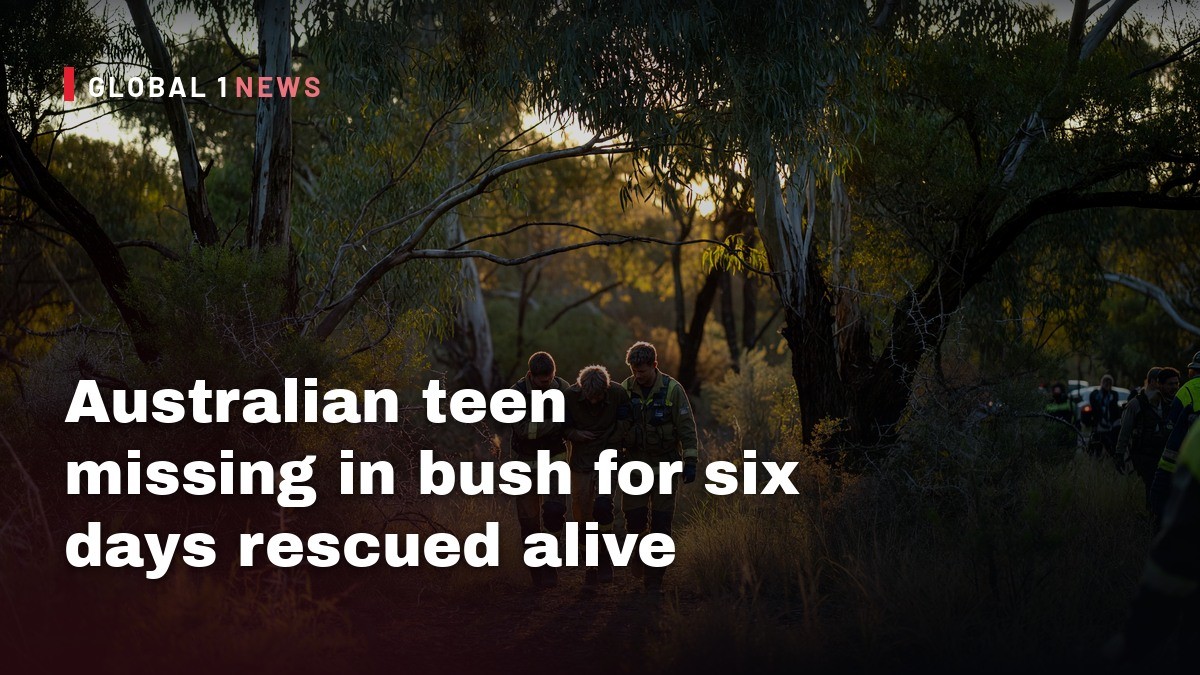
In a dramatic conclusion to a six‑day search operation, a 17‑year‑old teenager was rescued alive from dense bushland east of Melbourne, Victoria. The incident, which began when the boy vanished during a camping trip, has drawn attention to the challenges of wilderness safety, the coordination of emergency services, and the emotional impact on families and rescuers alike. While the teenager emerged physically uninjured, the episode underscores the precarious balance between youthful adventure and the unforgiving nature of remote Australian environments.
Disappearance and Initial Response
The teenager, identified only as William, disappeared on a Friday while on a camping excursion with a friend in bushland roughly 180 kilometres east of Melbourne. The location, characterized by thick vegetation and limited accessibility, presented immediate hazards, especially as temperatures fell sharply overnight. Local authorities were quick to assess the risk, noting that the cold conditions heightened concerns for the boy’s welfare.
Police, aided by specialized units, launched a multi‑agency search. The deployment included police dogs trained for tracking, divers prepared for potential water rescue scenarios, and helicopters capable of aerial surveillance over the rugged terrain. This comprehensive response reflects standard protocols for missing persons in remote Australian settings, where time is a critical factor and terrain can impede ground‑based search teams.
Search Operations Over Six Days
Over the ensuing days, the search effort intensified. Helicopter crews conducted repeated fly‑overs, mapping potential routes and scanning for signs of movement. Police dogs, working in tandem with handlers, followed scent trails that could have been left by the teenager or his companion. Divers remained on standby, prepared for the possibility that the missing teen might have encountered water bodies, a common risk in bushland areas where creeks and swamps are interspersed among the forest.
The extended duration of the operation—spanning six days—highlights both the difficulty of locating individuals in dense foliage and the dedication of emergency services. While the exact number of personnel involved was not disclosed, the inclusion of multiple specialized units indicates a substantial allocation of resources, reflecting the seriousness with which Victorian authorities treat missing‑person cases in remote environments.
Rescue and Immediate Aftercare
On Thursday morning, after a concerted effort, rescuers located William at a single spot within the bush. The teenager had remained stationary, awaiting assistance rather than attempting to navigate the challenging terrain further. Rescuers winched him to safety using rope systems, a technique commonly employed in rugged environments where direct extraction is impractical.
Following his extraction, William was provided with immediate sustenance—a doughnut and a bottle of water—before being transported to a medical facility for a health check. His mother, Elizabeth Barkley, reported that he sustained only minor scratches and appeared fit and healthy. She emphasized his overall condition, stating that he was “in perfect health” and that “everything seems to be fine.” The prompt medical assessment ensured that any hidden injuries or health concerns could be addressed, a standard precaution in wilderness rescues.
Family Reaction and Public Sentiment
The reunion between William and his family was marked by palpable relief. Elizabeth Barkley expressed overwhelming gratitude, describing herself as “over the moon” that her son was alive. Her remarks blended relief with a light‑hearted warning: she joked that the teenager was “grounded for life” and would “never leaving the house again.” Such comments reflect a common parental response that mixes emotional release with a protective admonition following a close call.
Public reaction to the rescue has been largely supportive, with many expressing admiration for the rescuers’ perseverance. The emotional tone of the operation resonated with audiences, reinforcing the perception of emergency services as both competent and compassionate. The narrative of a young person surviving a prolonged ordeal in the bush also sparked discussions about youth preparedness and the importance of safety measures during outdoor activities.
Police Perspective and Future Implications
Victoria Police Acting Inspector Jason Benbow commented on the emotional weight of the successful rescue, noting that such outcomes “don’t happen all the time.” His acknowledgment of the rarity of finding missing individuals alive after extended periods underscores the inherent risks of bushland searches. Benbow also hinted at the teenager’s forthcoming account of his experience, indicating an interest in understanding the personal perspective that may inform future safety guidelines.
The incident may prompt a review of camping safety protocols, particularly for teenagers undertaking trips with limited supervision. While the source material does not detail the circumstances that led to the teenager’s separation from his companion, the case highlights the need for clear communication plans, reliable navigation tools, and emergency preparedness among young outdoor enthusiasts.
Broader Context: Wilderness Safety in Australia
Australia’s vast and varied landscapes, ranging from arid outback to dense bush, present unique challenges for outdoor recreation. Incidents like William’s disappearance are not isolated; they reflect broader trends where increasing participation in wilderness activities intersects with variable weather conditions and terrain difficulties. Authorities often stress the importance of informing others of travel plans, carrying adequate supplies, and understanding local environmental hazards.
In recent years, emergency services have enhanced their capabilities through the integration of technology such as satellite tracking devices and improved coordination among police, fire, and rescue agencies. While the source material does not specify the use of such technology in this particular case, the deployment of helicopters and specialized search units aligns with contemporary best practices in remote rescue operations.
Conclusion: Lessons Learned and Ongoing Vigilance
The rescue of the 17‑year‑old teenager after six days in the Victorian bushland serves as a compelling reminder of both the resilience of individuals in adverse conditions and the critical role of coordinated emergency response. The successful outcome, marked by the teenager’s uninjured state and the emotional relief of his family, underscores the effectiveness of multi‑agency collaboration in challenging environments.
Moving forward, the incident is likely to influence discussions on youth outdoor safety, encouraging families and educators to emphasize preparedness and risk awareness. As Victoria Police and other agencies reflect on the operation, insights gained may inform refinements to search protocols and public education campaigns, aiming to reduce the likelihood of similar incidents. Ultimately, the story of William’s ordeal and rescue reinforces a timeless lesson: respect for the natural world must be balanced with diligent planning and swift, professional response when emergencies arise.
This article was produced with AI-assisted research and editorial support. Reporting is based on the source material cited below. Sources: BBC News Asia; bbc.co.uk; Global1.News (13 November 2026).
By Kenji Tanaka, Staff Writer
What's Your Reaction?
 Like
0
 Dislike
0
 Love
0
 Funny
0
 Wow
0
 Sad
0
 Angry
0

Japan Correspondent at Global1.News. Tokyo-based voice covering Japanese politics, technology, economy, and culture. Tracks the intersection of tradition and innovation in one of the world's most dynamic societies.












Comments (0)