
Cottage Cheese Returns to Israeli Shelves as Tnuva Crisis Winds Down
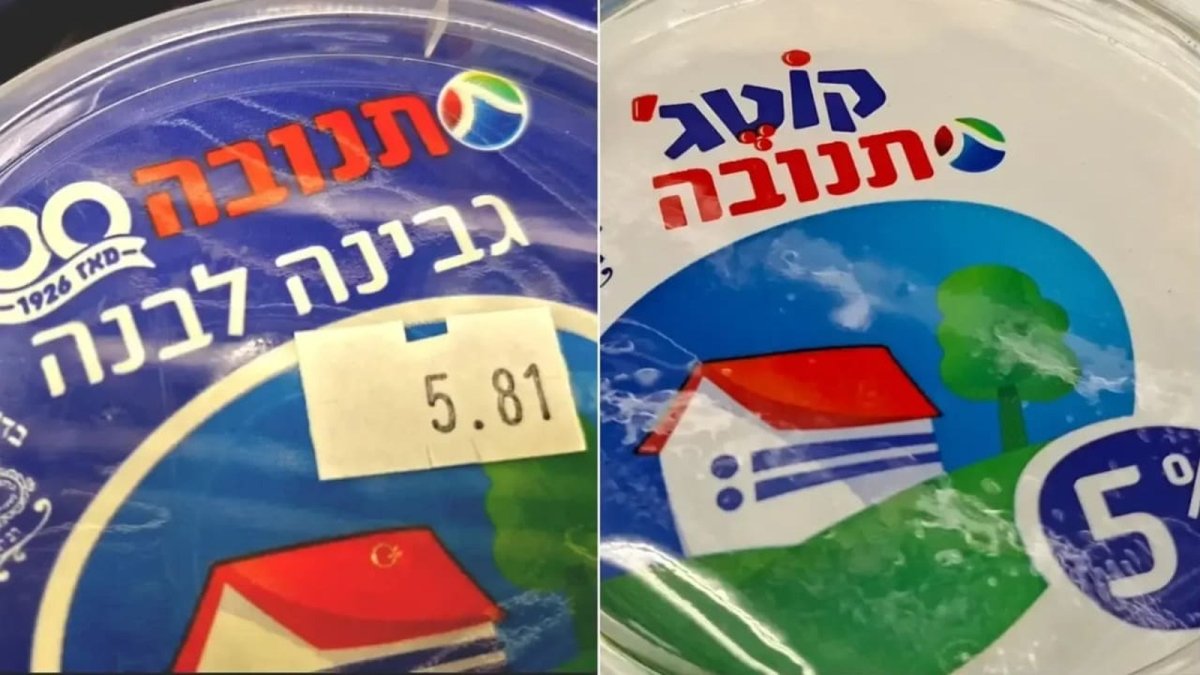
Cottage Cheese Returns to Israeli Shelves as Tnuva Crisis Winds Down After nearly two months of frustrating empty shelves, Israeli consumers are finally finding cottage cheese and white cheese available in supermarkets even during the evening hours.
Cottage Cheese Returns to Israeli Shelves as Tnuva Crisis Winds Down
After nearly two months of frustrating empty shelves, Israeli consumers are finally finding cottage cheese and white cheese available in supermarkets even during the evening hours. Retail chains reported over the past two days that the beloved dairy staples are once again in steady supply, marking what appears to be the end of a shortage that disrupted kitchens across the country since before the Shavuot holiday.
By Hannah Berg, Staff Writer
Two Months of Empty Shelves and Frustrated Shoppers
The crisis began with cottage cheese disappearing from stores in the weeks leading up to Shavuot, a holiday when dairy consumption traditionally spikes across Israel. For long weeks, retail chains struggled to receive the quantities they ordered from Tnuva, Israel's largest dairy producer. In some branches, the product vanished shortly after arrival, snatched directly from stockers' crates before it could even reach the refrigerated displays. As the shortage persisted, consumers adapted in a predictable way: they turned to white cheese as a substitute. This shift in buying behavior created a cascading effect. Within a short time, white cheese also became scarce, and the shelves typically filled with tubs of cottage and white cheese were instead stocked with labneh, sour cream, and other dairy products. The sight of those familiar empty spaces in the dairy aisle became a daily frustration for shoppers from Tel Aviv to Beersheba.The Technical Glitch at Alon Tavor
The root of the crisis lay not in production but in logistics. A malfunction in the automated warehouse system at Tnuva's Alon Tavor dairy in the Lower Galilee prevented finished products from reaching distribution trucks. The cottage cheese was produced, packaged, and ready for shipment, but disruptions in the system managing pallet movement in the warehouse meant much of it could not leave the facility. The warehouse system is operated by the German company Dematic, a global leader in automated logistics solutions. The timing could not have been worse. A team of Dematic specialists was scheduled to visit Tnuva during Operation Roaring Lion, the security operation that unfolded earlier this year, but the visit was canceled due to the war. Instead, Dematic staff attempted to assist Tnuva's teams remotely via phone and Zoom calls, a challenging proposition for a complex automated system requiring hands-on intervention.Manual Operations and Reduced Supply Pace
With the automated system compromised, Tnuva employees were forced to operate parts of the warehouse manually. This solution allowed goods to be dispatched, but not at the usual supply pace. The manual operation was labor-intensive and slower, creating a bottleneck that rippled through the entire supply chain. The Alon Tavor dairy is one of Tnuva's most significant production facilities, located near Afula in the Jezreel Valley. It produces a substantial portion of the company's dairy products, including the cottage and white cheese varieties that are staples in Israeli households. The facility's importance to the national food supply cannot be overstated, and the disruption there had immediate consequences for retailers across the country.Demand Surge Compounds the Problem
The logistical challenges were compounded by a notable increase in demand. Market data indicates a roughly 4% rise in dairy product consumption since the beginning of the year. This uptick is driven in part by a drop in the number of Israelis traveling abroad due to the security situation. With more families staying home for vacations and long weekends, dairy consumption patterns shifted upward. The combination of high demand and the supply gaps created since Shavuot made restocking particularly difficult. Any additional delay in the supply chain was felt immediately in retail stores. The shortage became self-reinforcing: as consumers noticed empty shelves, they began buying more whenever they found stock, accelerating the depletion of available supplies.Market Structure Amplified the Crisis
The shortage was especially noticeable due to the structure of Israel's dairy market. Tnuva is the largest producer in the white cheese category, holding a dominant market position. Strauss, the other major player, controls approximately 30% of the market. When the market leader experiences supply disruptions, the impact is felt across the entire retail landscape. This market concentration means that alternatives are limited. While smaller producers exist, they lack the capacity to fill a gap of this magnitude. Consumers looking for cottage cheese found few alternatives, and the switch to white cheese simply transferred the problem to another product category. The dairy aisle became a study in supply chain fragility and market concentration.Restocking Takes Time
Over the past two weeks, Tnuva returned to supplying retail chains with normal quantities. However, market sources indicate that rebuilding inventory and filling the vacuum created during the shortage took time. The change on the ground has been felt only in recent days, with goods remaining on shelves throughout the day and still available in the evening hours. The delay between Tnuva's resumption of normal supply and the visible improvement in stores reflects the complexity of the distribution chain. Retailers needed to rebuild their own inventories, restock their warehouses, and ensure that delivery schedules were normalized. The pipeline from the dairy in Alon Tavor to the refrigerated shelves in Jerusalem, Haifa, and everywhere in between needed time to refill.Consumers Adjust and Adapt
During the two months of shortages, Israeli consumers demonstrated both frustration and adaptability. Social media filled with complaints about empty shelves, along with scattered reports of cottage cheese sightings in various stores as shoppers alerted one another to fresh deliveries. Some shoppers reported making special trips to specific branches known to receive early morning deliveries, while others simply switched to alternative dairy products. The shortage also highlighted the cultural significance of cottage cheese in Israel. It is not merely a food product but a staple of the Israeli breakfast table, a component of the iconic Israeli salad meal, and a comfort food for many. The "cottage cheese protest" of 2011, which saw widespread boycotts over rising prices, demonstrated how deeply connected Israelis feel to this product. This latest shortage tapped into similar emotions.Lessons for the Dairy Supply Chain
The crisis raises questions about the resilience of Israel's dairy supply chain. The reliance on a single automated warehouse system, operated by a foreign company, created a vulnerability that was exposed at a particularly challenging time. The cancellation of the Dematic team's visit due to the security situation underscores how regional instability can have unexpected consequences for everyday consumer goods. Tnuva's experience may prompt a broader conversation about redundancy in critical infrastructure. The company's ability to operate parts of the system manually prevented a complete halt in supply, but the reduced pace was insufficient to meet demand. Investing in backup systems, local technical expertise, and contingency plans may become priorities in the wake of this crisis.Looking Ahead: Stability and Vigilance
For now, the immediate crisis appears to be over. Retail chains report that cottage and white cheese are available throughout the day, and inventories have been rebuilt. The question is whether this stability will hold. The underlying increase in demand for dairy products remains, and any future disruption could quickly recreate the conditions for shortages. Tnuva's management will likely conduct a thorough review of the events, examining both the technical failure and the response. The company's reputation took a hit during the shortage, with consumers expressing frustration at the lack of communication and the prolonged nature of the disruption. Rebuilding trust will require not only consistent supply but also transparency about the causes and solutions.A Return to Normalcy in the Dairy Aisle
For Israeli consumers, the return of cottage cheese to shelves represents a return to normalcy. The simple act of finding a tub of cottage cheese in the evening, after a long day, is a small but meaningful comfort. The dairy aisle, once a source of daily frustration, has resumed its familiar appearance. The end of this shortage does not mean the end of challenges for Israel's dairy sector. The industry faces ongoing pressures from rising input costs, regulatory constraints, and the need to modernize infrastructure. But for now, the immediate crisis has passed, and Israelis can once again enjoy their cottage cheese with confidence.This article was produced with AI-assisted research and editorial support. Sources: The Jerusalem Post, Walla.
What's Your Reaction?
 Like
0
Like
0
 Dislike
0
Dislike
0
 Love
0
Love
0
 Funny
0
Funny
0
 Wow
0
Wow
0
 Sad
0
Sad
0
 Angry
0
Angry
0

Hannah Berg
Israel Correspondent at Global1.News. Based in Tel Aviv, covering Israeli politics, security, technology, and society. Provides balanced, deeply-sourced reporting on one of the most closely-watched regions in the world.















Comments (0)