
Consumer Inflation Ticks Up to 3 Per Cent in July as Gasoline Prices Surge
OTTAWA — Canada's annual inflation rate rose to three per cent in July, according to fresh data from Statistics Canada, as gasoline prices climbed amid renewed fighting in the Middle East. The reading marks a modest acceleration from June's 2.8 per cent pace and came in slightly hotter than the majority of economists had anticipated. The consumer price index (CPI) increased by three per cent on average last month compared with a year earlier, the federal agency reported.
Consumer Inflation Ticks Up to 3 Per Cent in July as Gasoline Prices Surge
OTTAWA — Canada's annual inflation rate rose to three per cent in July, according to fresh data from Statistics Canada, as gasoline prices climbed amid renewed fighting in the Middle East. The reading marks a modest acceleration from June's 2.8 per cent pace and came in slightly hotter than the majority of economists had anticipated.
The consumer price index (CPI) increased by three per cent on average last month compared with a year earlier, the federal agency reported. That uptick follows a period of cooling that had brought inflation down from a recent peak, offering some relief to households grappling with elevated costs for everyday goods and services.
The July figure exceeded the consensus forecast among economists polled by LSEG Data & Analytics, who had expected the annual rate to rise to 2.9 per cent. While the difference between the actual and expected readings is relatively narrow, the overshoot underscores the persistent volatility in energy markets and the challenges facing the Bank of Canada as it navigates its next interest rate decision.
The Story: July CPI at 3 Per Cent, Above Expectations
Statistics Canada's latest inflation report, released on Monday, shows that consumer prices rose at a faster clip in July than they did in June. The three per cent annual increase represents a notable shift from the cooling trend observed earlier in the summer, when inflation had eased to 2.8 per cent after a period of sharper declines.
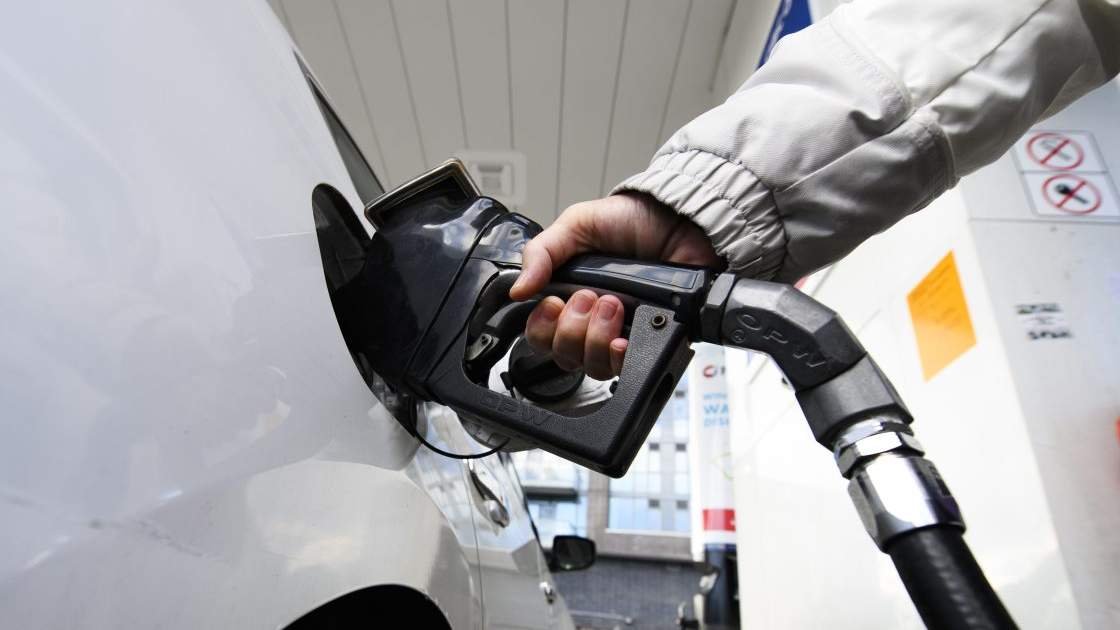
The acceleration was driven primarily by higher prices at the pump, which have been on a roller-coaster ride in recent months. Gasoline prices in Canada have fluctuated wildly as global oil markets react to the ongoing conflict between the United States and Iran, with the ebb and flow of diplomatic efforts directly influencing what Canadians pay to fill their tanks.
For context, the June reading of 2.8 per cent had marked a significant cooling from earlier in the year, leading some analysts to suggest that the worst of the inflationary pressures might be behind the Canadian economy. The July data, however, serves as a reminder that energy price shocks can quickly reverse progress on the inflation front.
The three per cent figure places inflation at the upper boundary of the Bank of Canada's control range, a threshold that carries symbolic and practical significance for the central bank's policy deliberations. It also means that prices continue to rise faster than the Bank of Canada's stated two per cent target, keeping pressure on household budgets across the country.
Why Prices Rose: Gasoline and the Unravelled Ceasefire
The primary culprit behind July's inflation uptick was the renewed surge in gasoline prices. According to Statistics Canada, energy costs rose sharply through much of July as a tentative ceasefire agreement between the United States and Iran unravelled and fighting resumed in the region.
The brief period of calm in June had helped cool oil and gas markets, providing temporary relief at Canadian pumps. That relief proved short-lived, however, as the collapse of the ceasefire sent crude prices climbing once again. The volatility has been particularly pronounced given the strategic importance of the region to global oil supplies.
For Canadian consumers, the impact is felt directly at the fuel pump, but the ripple effects extend far beyond transportation costs. Higher energy prices feed into the cost of goods across the economy, affecting everything from food production and distribution to manufacturing and home heating. This broad-based transmission mechanism is why central bankers watch energy markets so closely.
The situation in the Middle East remains fluid, and oil prices continue to respond to each development in the conflict. Economists note that the path of inflation in the coming months will be heavily influenced by geopolitical events that are difficult to predict with any degree of certainty.
Bank of Canada Context: Control Range and the September Decision
The Bank of Canada's mandate is to maintain price stability while allowing the economy to thrive, which it pursues by keeping consumer inflation within a target range of one to three per cent. The central bank's specific objective is to hold inflation at the two per cent midpoint of that range, a level considered consistent with a healthy, growing economy.
July's three per cent reading sits at the very top of that control range, a position that will factor into the Bank of Canada's deliberations when it next has an opportunity to reassess its benchmark interest rate policy. That opportunity comes on Sept. 2, when the central bank is scheduled to make its next rate announcement.
The Bank of Canada's April 2026 Monetary Policy Report, released earlier this year, anticipated this scenario. The report noted that inflation was expected to increase in 2026 due to higher gasoline prices caused by the war in the Middle East, before easing in 2027 as oil prices are assumed to moderate. The July data appears to be tracking broadly in line with that projection.
Governor Tiff Macklem and his colleagues on the Governing Council will weigh the latest inflation figures against a range of other economic indicators, including employment data, wage growth, and overall economic output. The decision on Sept. 2 will hinge on whether the recent uptick in inflation is viewed as a temporary blip or a more persistent trend that requires a policy response.
The central bank's April outlook suggested that the overall trajectory for Canadian economic growth in 2026 and 2027 is evolving generally as anticipated. That assessment, combined with the expectation that inflation will ease next year, may give the Bank of Canada room to maintain its current policy stance even with inflation at the upper edge of its range.
Impact on Canadians: What Three Per Cent Inflation Means for Households
For Canadian families, an inflation rate of three per cent translates into tangible pressures on household budgets. While the pace of price increases has moderated from the peaks experienced in recent years, the cumulative effect of sustained inflation continues to erode purchasing power.
Groceries, rent, and transportation costs remain the most visible areas where Canadians feel the pinch. A three per cent annual increase means that a basket of goods that cost $100 a year ago now costs $103, a difference that adds up significantly over the course of a year for families managing tight budgets.
The housing market adds another layer of complexity. With mortgage rates still elevated relative to the ultra-low levels seen earlier in the decade, homeowners renewing their mortgages are facing significantly higher payments. Renters, meanwhile, continue to contend with rising rental costs in many Canadian cities, particularly in Toronto and Vancouver where housing affordability remains a pressing concern.
The Bank of Canada's interest rate decisions have a direct impact on variable-rate mortgages and home equity lines of credit, meaning that the Sept. 2 announcement will be closely watched by homeowners across the country. A hold on rates would provide some stability, while any increase would add further strain to household finances.
For those on fixed incomes, including seniors relying on pensions and government benefits, the persistence of inflation above the two per cent target is particularly challenging. While benefits are often indexed to inflation, the lag between price increases and benefit adjustments can create real hardship in the interim.
Reactions and Analysis: What the Overshoot Signals
The fact that July's inflation reading came in above the consensus forecast has not gone unnoticed among economists and market observers. The overshoot, while modest, suggests that the forces pushing prices higher are proving somewhat more stubborn than anticipated.
The majority of economists polled by LSEG Data & Analytics had expected the annual rate to rise to 2.9 per cent in July, following the sharp cooling to 2.8 per cent in June. The actual reading of three per cent indicates that the energy price shock is having a slightly larger impact than forecasters had modelled.
Some analysts will interpret this as a signal that the Bank of Canada may need to maintain a tighter monetary policy stance for longer than previously expected. Others will point to the Bank's own April projections, which anticipated higher inflation in 2026 due to the Middle East conflict, suggesting that the current reading is consistent with the central bank's baseline scenario.
The distinction matters for financial markets, which are constantly adjusting their expectations for future interest rate movements. If the Bank of Canada signals that it views the July reading as a temporary phenomenon tied to geopolitical events, markets may respond differently than if the central bank indicates broader concerns about underlying inflationary pressures.
Core inflation measures, which strip out volatile items like food and energy, will be closely scrutinized in the coming weeks to determine whether the price pressures are spreading beyond the energy sector. These underlying measures provide a clearer picture of the economy's fundamental inflation dynamics.
What Happens Next: The Sept. 2 Announcement and 2027 Outlook
All eyes now turn to Sept. 2, when the Bank of Canada will make its next announcement on the benchmark interest rate. The decision will be the central bank's first opportunity to respond to the July inflation data and will signal how the Governing Council interprets the recent uptick.
The Bank of Canada's April Monetary Policy Report projected that inflation would ease in 2027 as oil prices are assumed to moderate. If that forecast holds, the current period of elevated inflation may prove to be relatively short-lived, allowing the central bank to maintain its current policy stance without needing to take further action.
However, the situation remains highly uncertain. The trajectory of the Iran war and its impact on global oil markets is impossible to predict with confidence, and any further escalation could push prices — and inflation — higher still. Conversely, a durable ceasefire or diplomatic resolution could bring rapid relief at the pump.
For Canadian consumers, the near-term outlook suggests continued pressure on budgets, particularly for transportation and heating costs. The broader economic picture, however, remains one of gradual normalization, with the Bank of Canada expecting growth to evolve generally as anticipated through 2026 and 2027.
The Sept. 2 announcement will provide the clearest signal yet of how the Bank of Canada intends to navigate this uncertain terrain. Whether the central bank holds steady, raises rates, or signals a future cut will depend on its assessment of whether the current inflation spike is a temporary consequence of geopolitical events or a sign of more persistent price pressures taking hold in the Canadian economy.
In the meantime, Canadians will continue to feel the effects of higher prices at the pump and in their daily shopping, even as the broader economy shows signs of resilience. The path back to the two per cent target will depend on factors both within and beyond the Bank of Canada's control, making the coming months a critical period for monetary policy in this country.
Tags: inflation, Statistics Canada, consumer price index, Bank of Canada, interest rates, gasoline prices, Iran war, oil prices, cost of living, Canadian economy, monetary policy, Tiff Macklem
By Alex Thompson, Staff Writer
This article was produced with AI-assisted research and editorial support. Reporting is based on sources cited in the article.
What's Your Reaction?
 Like
0
Like
0
 Dislike
0
Dislike
0
 Love
0
Love
0
 Funny
0
Funny
0
 Wow
0
Wow
0
 Sad
0
Sad
0
 Angry
0
Angry
0

Canada Correspondent at Global1.News. Based in Toronto, covering Canadian politics, energy, trade, and US-Canada relations. Provides the Canadian perspective on North American and global affairs.














Comments (0)