
China not opposed to Philippines defense partnerships, but...
For ordinary Filipinos, the nuance of diplomatic language translates into real concerns about fishing livelihoods, coastal security and the ever‑present specter of incidents at sea.

China’s recent clarification through its Manila embassy that it does not oppose the Philippines’ defense partnerships carries a familiar warning: any cooperation must not “undermine China’s sovereignty and maritime rights and interests, nor damage peace and stability in the South China Sea.” The statement, posted on the embassy’s official social media channels, reflects Beijing’s delicate balancing act—welcoming normal diplomatic engagement while insisting that such ties stay within the parameters of its own territorial claims. For ordinary Filipinos, the nuance of diplomatic language translates into real concerns about fishing livelihoods, coastal security and the ever‑present specter of incidents at sea.
China’s Conditional Acceptance of Defense Ties
The embassy’s message makes clear that China does not object to “normal cooperation” between Manila and other nations, a phrase that appears to grant tacit approval for existing and future agreements. Yet the conditional language—“must not undermine China’s sovereignty” and “must not damage peace and stability”—signals a red line. In practice, this means that any joint patrols, training exercises or weapons transfers that could be perceived as a counter‑balance to Beijing’s presence in the West Philippine Sea may be met with diplomatic pushback.
For barangays along the coastal provinces, the stakes are tangible. A joint naval exercise with Australia, for instance, could enhance the Philippine Navy’s capacity to protect local fishers, but it may also provoke a heightened Chinese patrol presence. The embassy’s wording suggests that Manila must constantly weigh the benefits of such partnerships against the risk of escalating tensions that could disrupt the daily lives of those who depend on the sea.
China’s Emphasis on Dialogue and Consultation
In the same statement, the Chinese embassy reiterated its commitment to handling differences “through dialogue and consultation.” This diplomatic phrasing aligns with Beijing’s broader strategy of presenting itself as a responsible stakeholder in regional security while simultaneously asserting its claims. The emphasis on dialogue serves both as an invitation for bilateral talks and as a reminder that China expects Manila to engage on terms that respect its asserted rights.
From the perspective of the Department of Foreign Affairs, this creates a diplomatic tightrope. While the Philippines seeks to diversify its security partnerships—particularly under the “enhanced partnership” framework with the United States and allies like Australia—it must also keep channels open with Beijing to avoid a breakdown in communication that could lead to incidents at sea, such as the frequent encounters between Philippine and Chinese vessels in the contested waters.
The Persistent Presence of Chinese Maritime Assets
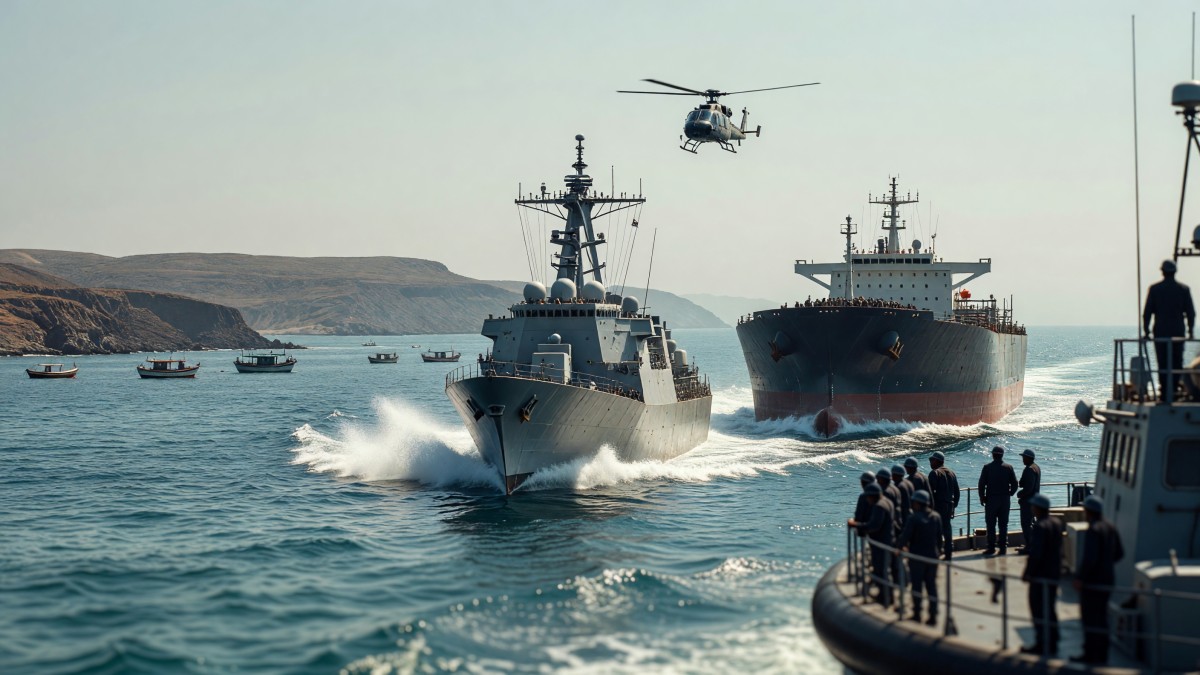
Despite the 2016 Arbitral Award that invalidated China’s expansive claims, the Philippine military continues to describe Chinese activities in the West Philippine Sea as “illegal, coercive, aggressive and deceptive.” The award, recognized by the United States and other nations as final and binding, remains a cornerstone of Manila’s legal argument for defending its exclusive economic zone. Yet Chinese warships, coast guard vessels and maritime militia continue to patrol the area, underscoring the gap between legal rulings and on‑the‑ground realities.
This ongoing presence affects everyday Filipinos. Fisherfolk from Batangas to Palawan often report being shadowed by Chinese vessels, leading to confrontations that can jeopardize safety and livelihoods. The Department of Agriculture’s coastal programs and local sari‑sari stores that depend on fresh catch feel the ripple effects of these maritime tensions, highlighting how high‑level diplomatic statements ultimately filter down to the community level.
China’s Reaction to Japanese Involvement
Senior Col. Chen Xi, a spokesperson for China’s Ministry of National Defense, seized the moment to criticize Japan’s “meddling” in South China Sea affairs. He accused Japan of using “the disguise of academic research” to whitewash its own strategic ambitions, suggesting that Tokyo seeks to “build up its armed forces” beyond a “defense‑oriented” posture. This rhetoric frames Japan as an external agitator, reinforcing China’s narrative that the dispute is a bilateral issue between China and the Philippines.
For Filipinos, Japan’s involvement is a double‑edged sword. On one hand, Japan has offered development assistance and maritime capacity‑building, which can benefit local coastal communities. On the other, Beijing’s portrayal of Japan as a provocateur may influence public perception, especially in areas where anti‑Japan sentiment persists from historical memories of World War II. The Chinese narrative thus seeks to isolate the Philippines from potential allies, urging Manila to keep its engagements within a framework that does not “challenge China’s sovereign rights.”
Implications for Philippine Defense Policy
Manila’s defense establishment must navigate these diplomatic currents while modernizing its armed forces. The recent defense cooperation agreement with Australia, highlighted in the Chinese embassy’s statement, exemplifies the Philippines’ strategy of diversifying security partners. Such agreements can provide training, equipment and intelligence sharing that bolster the Philippine Navy’s ability to patrol its EEZ and protect its fishermen.
However, the conditional tone from Beijing implies that any expansion of capabilities perceived as a direct counter to Chinese maritime activities could be framed as “undermining” Chinese sovereignty. This places the Department of National Defense in a position where it must carefully calibrate the scope of joint activities, ensuring they are presented as “normal cooperation” rather than a strategic pivot against China.
Regional Stability and the Prospect of Dialogue
Both the Chinese embassy and Manila’s officials stress the importance of “peace and stability” in the South China Sea. While the language aligns on the surface, the underlying expectations diverge. China’s definition of stability centers on the absence of actions that challenge its claims, whereas the Philippines views stability as the ability to enforce its sovereign rights under international law.
This divergence underscores the need for sustained dialogue. The Philippines’ participation in ASEAN forums, as well as its bilateral talks with China, provide platforms to articulate concerns over illegal incursions and to seek confidence‑building measures. Yet the effectiveness of such dialogue hinges on mutual willingness to respect each other’s core interests—a delicate balance that will shape the daily reality for coastal barangays and the broader national security environment.
What Ordinary Filipinos Should Watch For
For the Filipino public, the diplomatic back‑and‑forth may seem distant, but its consequences are immediate. Communities that depend on the sea for income will continue to monitor Chinese vessel activity, while local officials in provinces like Palawan and Zamboanga will coordinate with the Philippine Navy to safeguard their waters. The Department of Health may also be called upon if maritime incidents lead to injuries or health emergencies among fisherfolk.
In the coming months, citizens can expect the government to reaffirm its commitment to defending the nation’s maritime rights while simultaneously pursuing diplomatic channels to avoid escalation. As the Philippines navigates its defense partnerships, the underlying message from Beijing—that cooperation is acceptable only within the bounds of Chinese-defined sovereignty—will remain a key factor shaping policy decisions that affect the everyday lives of Filipinos across the archipelago.
This article was produced with AI-assisted research and editorial support. Reporting is based on the source material cited below. Sources: Philstar.com; Global1.News (29 November 2026).
By Bella Reyes, Staff Writer
What's Your Reaction?
 Like
0
 Dislike
0
 Love
0
 Funny
0
 Wow
0
 Sad
0
 Angry
0

Philippines/Southeast Asia Correspondent at Global1.News. Manila-based journalist covering Philippine politics, environment, maritime security, and social issues. Passionate about marine conservation and the communities protecting the Philippines' natural heritage.











Comments (0)