
Thai PM hands out longan juice to tourists, promotes local treats
Prime Minister Anutin Charnvirakul stepped into a bustling Bangkok market on 17 October 2026 and offered something sweeter than a typical political greeting: a cup of fresh longan juice.
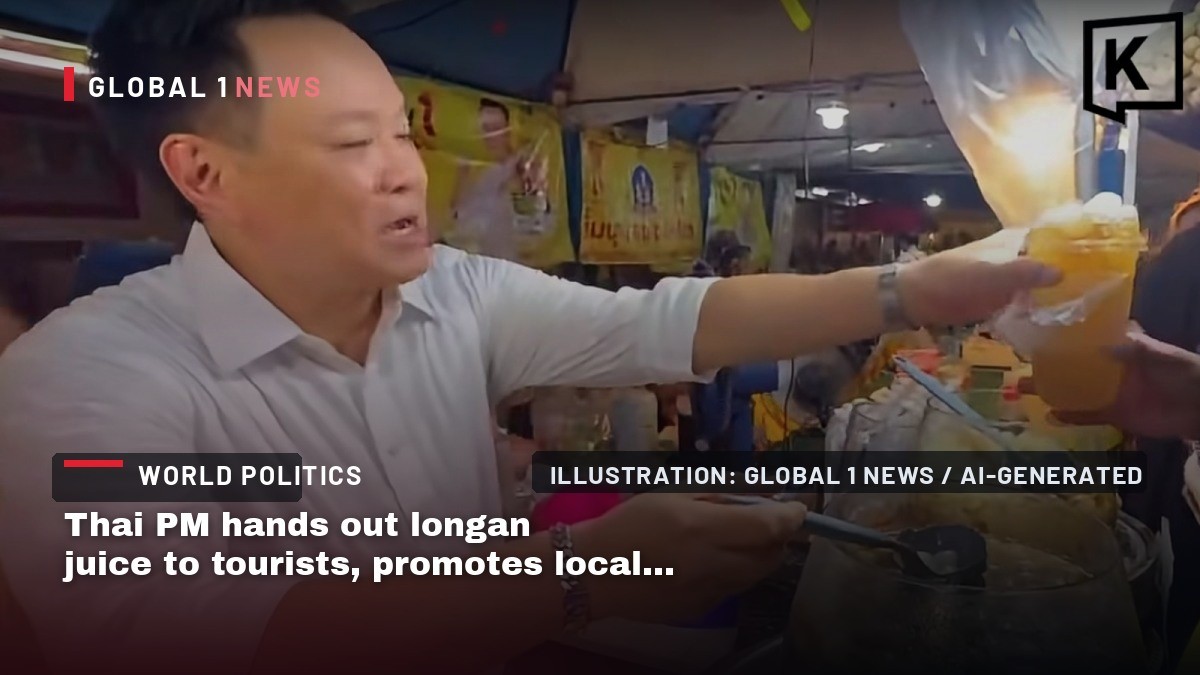
Prime Minister Anutin Charnvirakul stepped into a bustling Bangkok market on 17 October 2026 and offered something sweeter than a typical political greeting: a cup of fresh longan juice. In a short video he posted to Facebook, the leader can be seen helping a female vendor ladle the translucent drink into plastic cups for locals and foreign tourists alike. The gesture was simple, but the message was clear – Thailand’s street‑food culture has more to offer than the familiar iced black coffee known as “oliang,” and the prime minister wants visitors to taste that richness.
From market stalls to diplomatic outreach
The video captures a lively scene: a vendor, her voice bright, tells customers that the prime minister is handing out the juice and that “he’s very kind.” While the clip does not include a formal speech, the act of personally serving drinks conveys a warm, approachable image of leadership. In Thai culture, sharing food or drink is a sign of hospitality and respect, echoing the Buddhist principle of generosity (dāna). By joining the vendor at the front of the stall, Anutin aligns himself with everyday Thais, reinforcing a sense of shared community.
For foreign tourists, the gesture serves as an informal invitation to explore Thai flavors beyond the well‑known coffee stalls that line the streets of Bangkok. The prime minister’s comment, “Apart from Iced Black Coffee ‘O‑LIANG’, the ‘Longan‑Juice’ is also worth to try when you walk by Bangkok’s market places,” positions the drink as a cultural touchstone, encouraging visitors to engage with local vendors and the rhythms of market life.
The allure of longan juice
Longan, a small, translucent fruit native to Southeast Asia, is prized for its sweet, slightly floral taste. In Thailand, the fruit is often enjoyed fresh, but it is also turned into a refreshing juice that cools the palate in the heat of the capital. The drink’s gentle sweetness offers a contrast to the bitter notes of oliang, the iced black coffee that has long been a staple of Thai street vendors. By highlighting longan juice, the prime minister draws attention to a seasonal, locally sourced product that supports small‑scale farmers and market sellers.
While the video does not provide details on the preparation, the act of scooping the juice into cups suggests a straightforward, no‑frills approach that is typical of Bangkok’s night markets. The simplicity of the drink mirrors the broader Thai value of “sanuk” – finding joy in uncomplicated pleasures – and invites tourists to savor a moment of authentic everyday life.
Market culture as a gateway to Thai identity
Bangkok’s markets are more than commercial hubs; they are social spaces where communities gather, exchange stories, and preserve culinary traditions. The prime minister’s appearance at a market stall underscores the importance of these venues in national identity. By choosing a market rather than a polished government building, Anutin signals that the heart of Thailand beats in its streets, where vendors like the woman in the video keep traditions alive.
For many visitors, market visits are a first encounter with Thai hospitality. The vendor’s announcement that “the prime minister is giving these out” adds a layer of excitement, turning an ordinary purchase into a memorable experience. This blend of political visibility and grassroots commerce reflects a broader strategy of using cultural tourism to strengthen Thailand’s soft power in the region.
Connecting tourism to local economies
The promotion of longan juice also carries an economic dimension. Street vendors rely on the flow of tourists to sustain their livelihoods, especially in a post‑pandemic landscape where tourism has rebounded strongly. By encouraging tourists to try a local drink, the prime minister indirectly supports the vendors’ income and the supply chain that brings longan from orchards to market stalls.
Such gestures align with Thailand’s ongoing efforts to diversify tourism offerings beyond the well‑trodden paths of temples and beaches. Highlighting regional produce like longan helps distribute visitor spending more evenly across the city’s neighborhoods, fostering a more resilient and inclusive tourism economy.
Traditional beverages and Buddhist values
In Buddhist‑influenced Thai society, sharing food and drink is an expression of compassion (karuṇā) and community bonding. The act of serving longan juice can be seen as a small, everyday practice of these values. By participating directly, the prime minister models a form of engaged leadership that resonates with the moral teachings taught in temples across the country.
Moreover, the emphasis on a natural, fruit‑based drink aligns with growing awareness of healthful living in Thai culture. Longan is often associated with restorative properties in traditional Thai medicine, believed to soothe the mind and support digestion. Presenting it to tourists subtly introduces them to Thai wellness concepts rooted in centuries‑old practices.
Regional significance of fruit‑based drinks
Longan is not unique to Thailand; it is cultivated throughout Southeast Asia, from Vietnam to the Philippines. By spotlighting a fruit that is common across the region, Thailand positions itself within a shared cultural tapestry while also showcasing its own distinct market traditions. This subtle nod to regional commonalities can foster a sense of camaraderie among neighboring countries, reinforcing Thailand’s role as a cultural bridge in ASEAN.
In recent years, fruit‑based beverages have gained popularity across the region as alternatives to sugary sodas. The prime minister’s endorsement of longan juice reflects this trend, suggesting that Thailand is attuned to broader consumer shifts toward natural, refreshing drinks. Such alignment may encourage cross‑border collaborations in agricultural trade and tourism promotion.
Looking ahead: the future of Thai market tourism
The video of Anutin handing out longan juice may seem modest, but it encapsulates a larger vision for Thailand’s tourism strategy. By inviting visitors to pause at a market stall, taste a local fruit, and engage with a vendor, the prime minister encourages a deeper, more immersive travel experience. This approach aligns with global trends where travelers seek authentic, community‑based encounters rather than generic sightseeing.
As Thailand continues to promote its culinary heritage, gestures like these could become a regular feature of official tourism campaigns, weaving together the threads of hospitality, local economy, and cultural pride. For tourists wandering the bustling aisles of Bangkok’s markets, a simple cup of longan juice may become a small yet meaningful reminder of the country’s warm spirit and the shared joy of a refreshing sip.
This article was produced with AI-assisted research and editorial support. Reporting is based on the source material cited below. Sources: Khaosod English; khaosodenglish.com; Global1.News (18 October 2026).
By Ann Srisawat, Staff Writer
What's Your Reaction?
 Like
0
Like
0
 Dislike
0
Dislike
0
 Love
0
Love
0
 Funny
0
Funny
0
 Wow
0
Wow
0
 Sad
0
Sad
0
 Angry
0
Angry
0

Southeast Asia Correspondent at Global1.News. Based in Bangkok, covering Thai and Southeast Asian politics, economy, technology, and culture. Deep regional perspective on one of the world's most dynamic regions.














Comments (0)