
Bihar Warns Against Eating Flood-Borne Fish From Nepal
Bihar’s Dairy, Fisheries and Animal Resources Department has issued a formal public advisory warning residents against catching, selling, or consuming unfamiliar fish swept into the state’s rivers by floodwaters originating in Nepal.
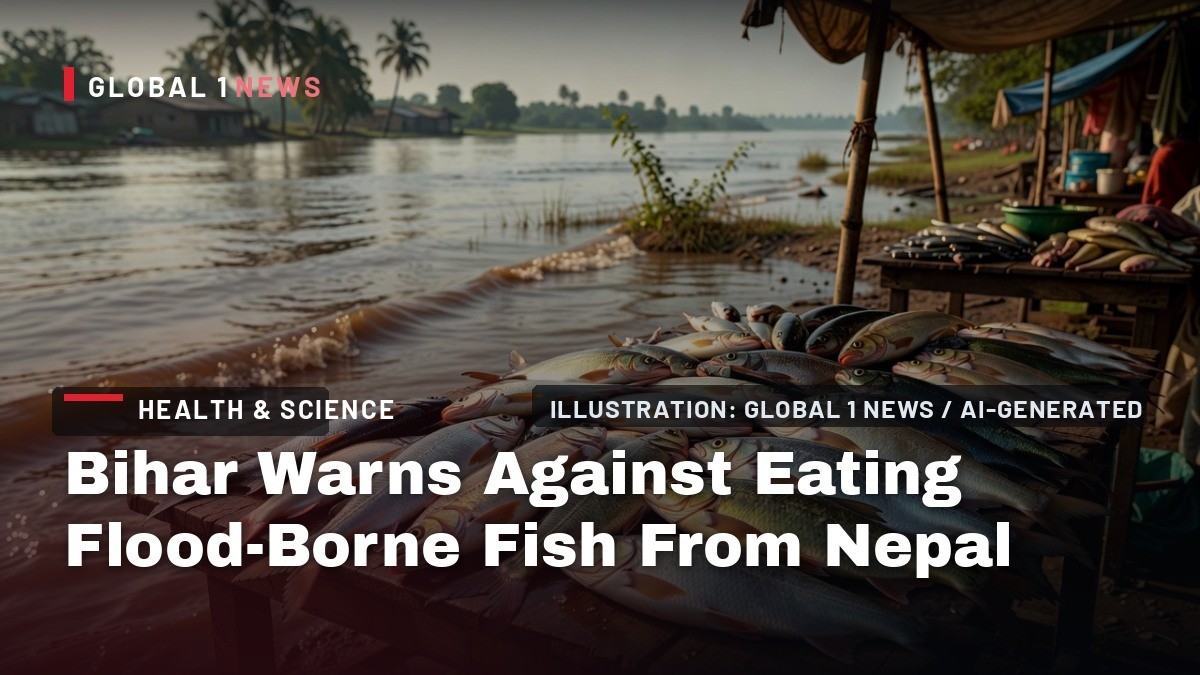
Bihar’s Dairy, Fisheries and Animal Resources Department has issued a formal public advisory warning residents against catching, selling, or consuming unfamiliar fish swept into the state’s rivers by floodwaters originating in Nepal. The warning follows reports of several individuals falling ill after inadvertently eating these fish, which have been observed in districts including East and West Champaran, Gopalganj, and Saharsa.
Bihar Warns Against Eating Flood-Borne Fish From Nepal
Patna, Bihar – September 2, 2026 — The advisory, released on Tuesday, September 1, 2026, by Minister Nand Kishor Ram, comes as the Gandak (Narayani in Nepal), Kosi, and Ganga rivers have swelled to touch the danger mark in several places along the Nepal border. Fishermen in Saharsa, Gopalganj, and Bagaha have reported catching giant, dolphin-like fish weighing between 27 and 45 kilograms, including species such as barali (wallago catfish), goita (goonch catfish), and rohu, which are not typical to their regular catch.
The Advisory: What It Says and Why It Matters
The Department of Dairy, Fisheries and Animal Resources has explicitly advised the public to avoid consuming any "unfamiliar or unusual" fish caught from floodwaters until environmental conditions stabilise. The advisory warns that these fish may have come into contact with sewage, dead animals, polluted drains, and other contaminants during the flash floods in Nepal, increasing the risk of contamination by bacteria, viruses, and other pathogens.
"People should not consume any unfamiliar or unusual fish from the flood waters of Nepal. Such fish should not be bought or sold in the market...We have also received information that some people have fallen ill after consuming this fish," the advisory stated. The department has urged residents to contact the nearest health centre or hospital immediately if they experience symptoms including vomiting, severe diarrhoea, dizziness, vertigo, stomach pain, or difficulty in breathing after consuming such fish.
The Flood Pathway: From Trishuli to Bihar's River Systems
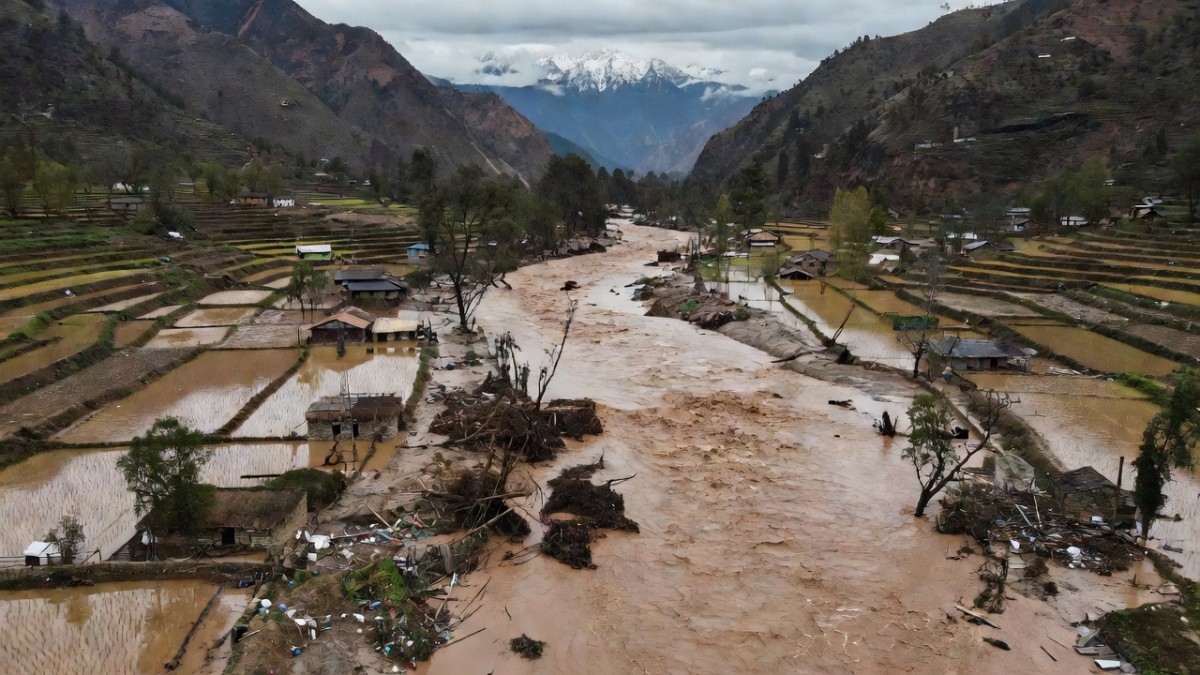
The crisis traces back to devastating flash floods in Nepal, which have left hundreds dead and many more missing. Water from Nepal's Trishuli River has been flowing into Bihar through the Gandak and Kosi rivers, two major waterways in northern Bihar. Landslides and glacial bursts in Nepal's hilly regions have washed down silt, mud, stones, and large tree trunks, while wreckage from collapsed bridges and damaged hydroelectric projects—along with vehicles, household items, and LPG cylinders from flooded villages—has been seen floating into Bihar's rivers.
Fishermen at the Mangalpur ghat in Gopalganj have reported seeing strange fish in the strong current. "We see such fish very rarely in our normal catch. Most of them die after they are caught," said Chhatu Sahani, a local fisherman. The floodwaters also carry decomposing human and animal carcasses washed down from Nepal, adding to the risk of infection in the water.
Why These Fish Are Dangerous: Contamination and Pathogens
The core concern is not the fish themselves but what they carry. During floods, fish move out of ponds, rivers, lakes, and reservoirs and spread widely with floodwaters. In doing so, they come into continuous contact with polluted drains, dead animals, and other contaminants. The department's advisory notes that this exposure can make these fish unsafe for human consumption, as they may harbour bacteria, viruses, and other pathogens.
Nepal Police have issued a similar warning to their residents, acknowledging the transboundary nature of the risk. The advisory also instructs that when unfamiliar fish are caught, the concerned district fisheries official or local administration must be contacted immediately. "Without identity or confirmation by the concerned department, no unfamiliar or unusual fish should be consumed," the government stated.
The Disease Risk Matrix: From Diarrhoea to Hepatitis
Health experts have warned that contaminated floodwater mixing with drinking water sources such as hand pumps and wells could lead to a rapid spread of waterborne diseases. The primary risks include diarrhoea and cholera, both of which can become epidemic in flood-affected regions with compromised sanitation. Consumption of contaminated water and food also raises the risk of typhoid, while hepatitis A and E can infect the liver through contaminated water sources.
Beyond waterborne pathogens, the stagnant water and waterlogging expected in the coming weeks will encourage mosquito breeding, increasing the risk of dengue, malaria, and chikungunya. Skin and eye infections are also anticipated as residents come into contact with contaminated floodwater during cleanup and daily activities.
The Arsenic and Water-Quality Dimension in Border Districts
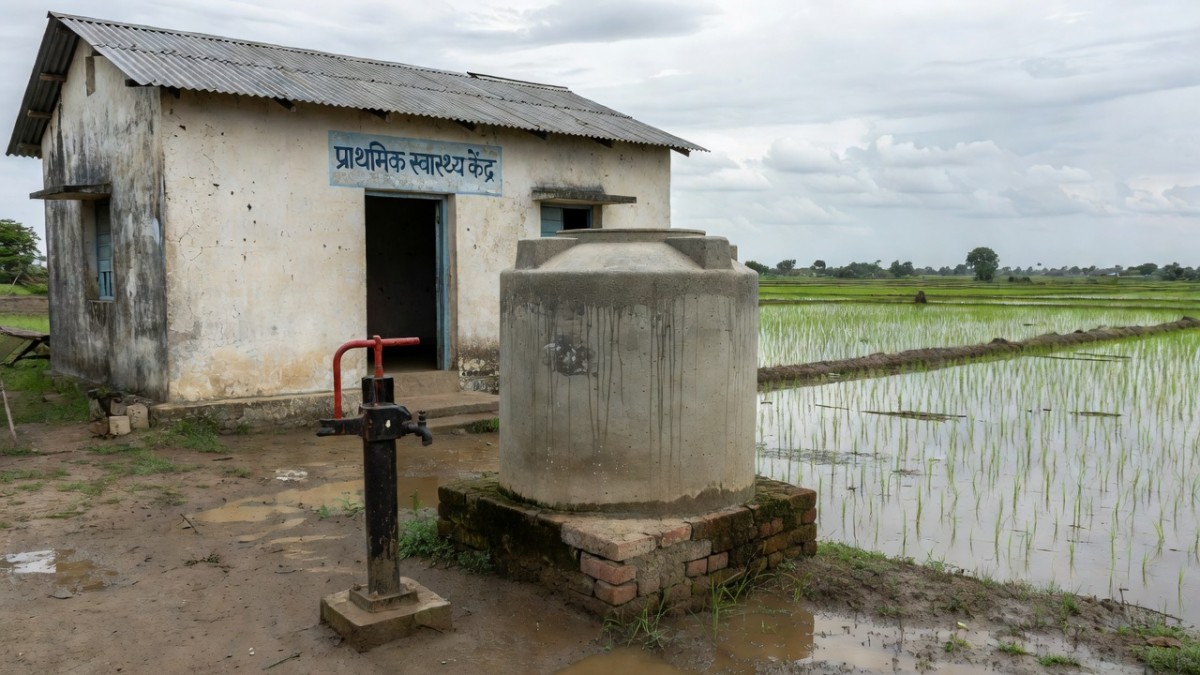
The situation is further complicated by pre-existing groundwater contamination in several districts bordering Nepal. West Champaran, East Champaran, Sitamarhi, Kishanganj, Purnia, and Araria already have arsenic levels exceeding the safe limit of 10 parts per billion (ppb). Arsenic concentrations are highest in districts along the banks of the Ganga, though notable levels have also been found in floodplains formed by rivers originating in Nepal.
High levels of iron have also been reported across several districts, with Kishanganj recording particularly high levels. Officials have stated that iron brought in by floodwaters threatens to make local water sources even more contaminated, compounding the health risks for residents who depend on hand pumps and wells for their daily water needs.
Public Health Response and What Residents Should Do
Authorities have urged residents in flood-hit districts to remain alert, avoid contact with floodwater where possible, and follow official guidance until river levels stabilise and affected water bodies return to normal. The advisory specifically instructs people not to catch, buy, sell, or consume unknown or unusual-looking fish from floodwaters, and to report sightings to local officials.
The floodwaters are also expected to affect farmland across Bihar's border districts, raising concerns over a possible shortage of grains and vegetables in the state. This adds to the difficulties faced by farmers, who are already dealing with the immediate impacts of flooding on their crops and livelihoods. The combination of contaminated water sources, damaged farmland, and the risk of waterborne disease creates a multi-layered public health challenge that will require coordinated response from district administrations, health departments, and the fisheries department.
What This Means for India's Flood-Disease Preparedness
This advisory highlights a recurring pattern in India's flood management: the health risks extend far beyond drowning and physical injury. The transboundary nature of the flood—originating in Nepal and flowing into Bihar—demonstrates the need for cross-border coordination on water quality monitoring and disease surveillance. The presence of arsenic and iron in groundwater, already a chronic issue in these districts, is now exacerbated by floodwaters carrying additional contaminants from upstream.
For Indian public health systems, this event underscores the importance of rapid advisory issuance, community awareness, and timely medical intervention. The Bihar government's quick response in issuing the advisory and the involvement of district fisheries officials reflect an understanding of the risks, but the coming weeks will test the state's capacity to manage waterborne disease outbreaks, mosquito-borne illnesses, and the long-term impact on agricultural productivity. As climate change increases the frequency and intensity of such flood events, India's disaster management frameworks must integrate water quality monitoring, food safety advisories, and disease surveillance as core components of flood response.
— By Dr. Raj Patel, Staff Writer
This article was produced with AI-assisted research and editorial support. Sources: NDTV, ABP Live, The Hindu, NewsX.
What's Your Reaction?
 Like
0
Like
0
 Dislike
0
Dislike
0
 Love
0
Love
0
 Funny
0
Funny
0
 Wow
0
Wow
0
 Sad
0
Sad
0
 Angry
0
Angry
0

India/South Asia Correspondent at Global1.News. Analytical voice with a background in science and health journalism. Based in New Delhi, covering Indian politics, education, healthcare, technology, and policy. Breaks down complex data into clear, actionable reporting.














Comments (0)