
At Meta Connect, the company’s smart glasses were everywhere
Meta’s latest Connect showcase made it crystal clear: the company is throwing everything it has at smart glasses, hoping to turn a niche curiosity into a mainstream must‑have.
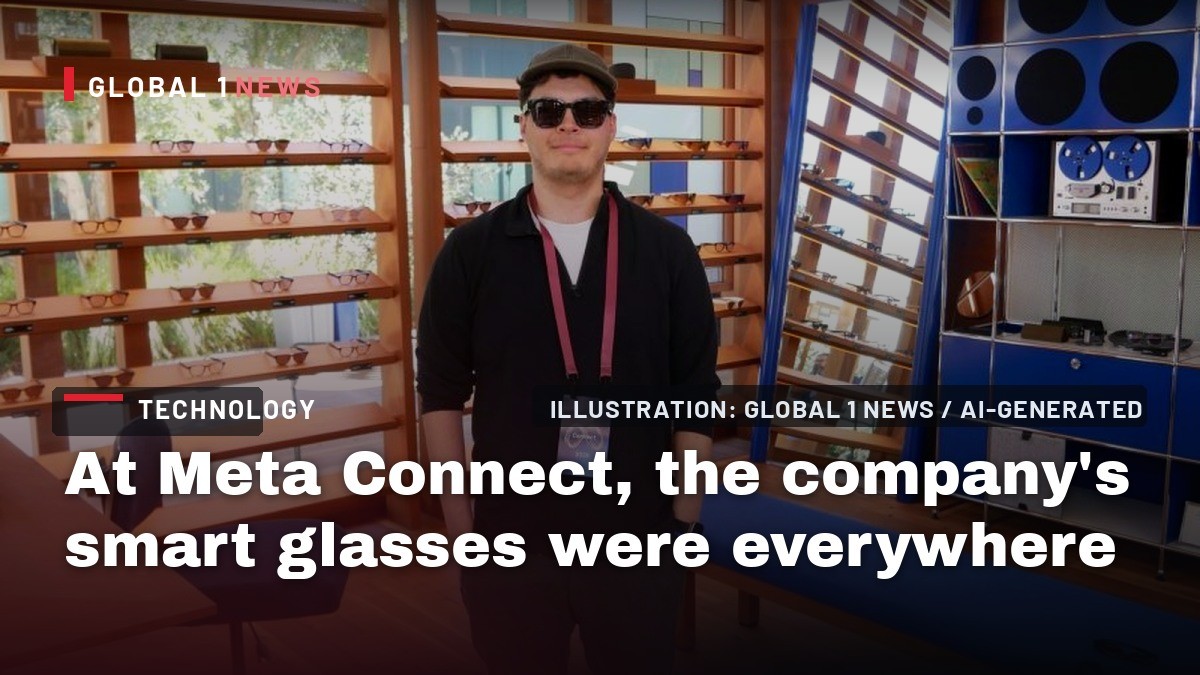
Meta’s latest Connect showcase made it crystal clear: the company is throwing everything it has at smart glasses, hoping to turn a niche curiosity into a mainstream must‑have. As a founder who’s been wiring up data centers and keeping servers humming for a decade, I can spot the hype from a mile away. The spectacle was a sea of bespectacled staff and influencers, each flaunting the newest specs. The demos were all‑in on glasses, from audio‑only models to the “pervert‑glasses” controversy‑dodging variants. It’s a classic case of a hyperscaler betting the house on a product that still hasn’t proven its business case.
Audio‑Only Glasses: A Privacy‑Friendly Pivot
The most talked‑about piece was Meta’s unreleased audio‑only smart glasses. They come with six microphones but, crucially, no camera. That design choice is a direct response to the “pervert glasses” backlash, where critics warned that camera‑equipped specs could become surveillance tools. By stripping out the lens, Meta sidesteps the privacy nightmare and offers a lighter, more comfortable device. For us in the hosting world, it’s a reminder that stripping back features can be a smarter move than loading every gadget with sensors that raise red flags.
From a risk perspective, the lack of a recording capability means fewer regulatory headaches. No camera, no data‑retention mandates, and a simpler compliance checklist. It also means the hardware cost can stay low enough to compete with traditional hearing aids, a segment where price sensitivity is brutal.
Integration with Muse: Fancy or Flawed?
Meta is pairing the glasses with Muse, its personal AI agent. The demo showed users speaking commands to Muse, which then carried out tasks like sending emails or reciting to‑do lists. In theory, that’s a slick hands‑free workflow. In practice, the demo was a comedy of errors: the agent got confused when the user chatted with a staffer, leading to overlapping responses. The technology works, but it demands a very disciplined interaction model—talk to the glasses, and only the glasses.
For independent providers, this is a cautionary tale. Building a voice‑first interface that can parse multi‑speaker environments is still a hard problem. If you’re thinking of bundling AI assistants with hardware, expect a steep learning curve and a high support burden. The “talk to your sunglasses” gimmick may wow investors, but it can quickly become a support nightmare when users start shouting at the street.
Hearing‑Impaired Variant: A Real‑World Use Case
Meta also showcased a version aimed at the hearing‑impaired market. The glasses amplify ambient sound, with a switch between focused and omnidirectional modes. The price point is striking: Meta claims the glasses will sell for $150, versus hearing aids that can run up to $1,600. That price differential could open a massive market, especially if the device delivers reliable amplification without the stigma of a traditional hearing aid.
From a business‑risk lens, this is the only segment where the glasses have a clear value proposition beyond novelty. If the amplification works as advertised, it could drive volume sales and justify the R&D spend. However, the market is highly regulated, and any misstep in medical claims could invite scrutiny from health authorities—a risk that many hardware startups underestimate.
Hardware Comfort and Design: More Than a Gimmick
The article notes the glasses are “significantly lighter” than previous models and “quite comfortable.” Comfort is a non‑negotiable factor for wearables that need to stay on for hours. In my own data‑center deployments, I’ve seen hardware that looks sleek but fails in the field because it can’t survive real‑world conditions. Meta’s focus on weight and ergonomics is a step in the right direction, but comfort alone won’t sell the product.
What matters is durability, battery life, and the ability to integrate with existing ecosystems. If the glasses can’t last a full day on a charge, or if they’re fragile in the hands of everyday users, the hype will quickly fizzle. Independent providers should watch how Meta balances design polish with ruggedness, as that balance often determines whether a device moves from demo to desk.
Pricing Strategy: Low Entry, High Upsell?
Meta’s $150 price tag for the hearing‑impaired glasses is aggressive, especially when compared to the $1,600 ceiling for premium hearing aids. The lower price could attract a broader consumer base, but it also signals a potential upsell model: sell the base hardware cheap, then lock users into a subscription for AI services, cloud storage, or premium Muse features. That’s the classic hyperscaler play—use hardware as a loss leader to drive recurring revenue.
For founders, the lesson is clear: if you’re pricing hardware below cost, you must have a clear path to monetize the data or services that sit on top. Otherwise you’re just subsidizing a product that may never break even. The risk is especially high in markets with thin margins, where a mis‑priced SKU can bleed cash fast.
Market Adoption: Niche or Mainstream?
Meta’s CEO, Mark Zuckerberg, has repeatedly said smart glasses are the future, and the Connect floor was a testament to that belief. Yet the article concedes that smart glasses remain a niche that hasn’t found its footing. The wide net Meta is casting—stylish, functional, and useful—suggests they’re still searching for the sweet spot that will drive mass adoption.
From a founder’s perspective, chasing a niche that hasn’t proven demand is a gamble. You can either be an early mover with a first‑mover advantage or end up with inventory that no one wants. The key is to identify a vertical where the glasses solve a real pain point—like the hearing‑impaired segment—and double down there before trying to be everything to everyone.
Actionable Takeaways for Independent Providers
First, watch how Meta handles privacy. The shift to audio‑only hardware shows that removing a controversial sensor can defuse regulatory pressure and improve public perception. If you’re building wearables, consider whether every sensor is truly needed. Second, be wary of voice‑first interfaces that demand single‑speaker environments; they can become a support nightmare. Third, the hearing‑impaired use case is the only clear‑cut value proposition—if you can partner with a medical‑grade device, you might tap a lucrative market.
Finally, scrutinize the pricing model. A $150 hardware price suggests an upsell strategy that could lock users into recurring fees. If you adopt a similar approach, make sure the service layer is robust and delivers real value, or you’ll face churn faster than you can say “smart glasses.” In short, Meta’s Connect demo is a masterclass in hype, but the real test will be whether the glasses can survive the production trenches without turning into another expensive gimmick.
— Allan Ali, Founder
This article was produced with AI-assisted research and editorial support. Reporting is based on the source material cited below. Sources: TechCrunch; techcrunch.com; Global1.News (27 September 2026).
By Allan Ali, Global1.News
What's Your Reaction?
 Like
0
Like
0
 Dislike
0
Dislike
0
 Love
0
Love
0
 Funny
0
Funny
0
 Wow
0
Wow
0
 Sad
0
Sad
0
 Angry
0
Angry
0

Publisher of Global1.News. Automation architect, systems builder, and the guy making sure the truth gets published.














Comments (0)