
Assam Flood Package Tests State Disaster Financing Limits
Assam CM Himanta Biswa Sarma announced a six-month loan moratorium for flood-hit families in Sivasagar, Charaideo, Jorhat and Golaghat after 80 deaths and 2.12 lakh affected. The package adds free textbooks, Rs 1.5 lakh Namghar grants and Rs 9 lakh ex gratia.
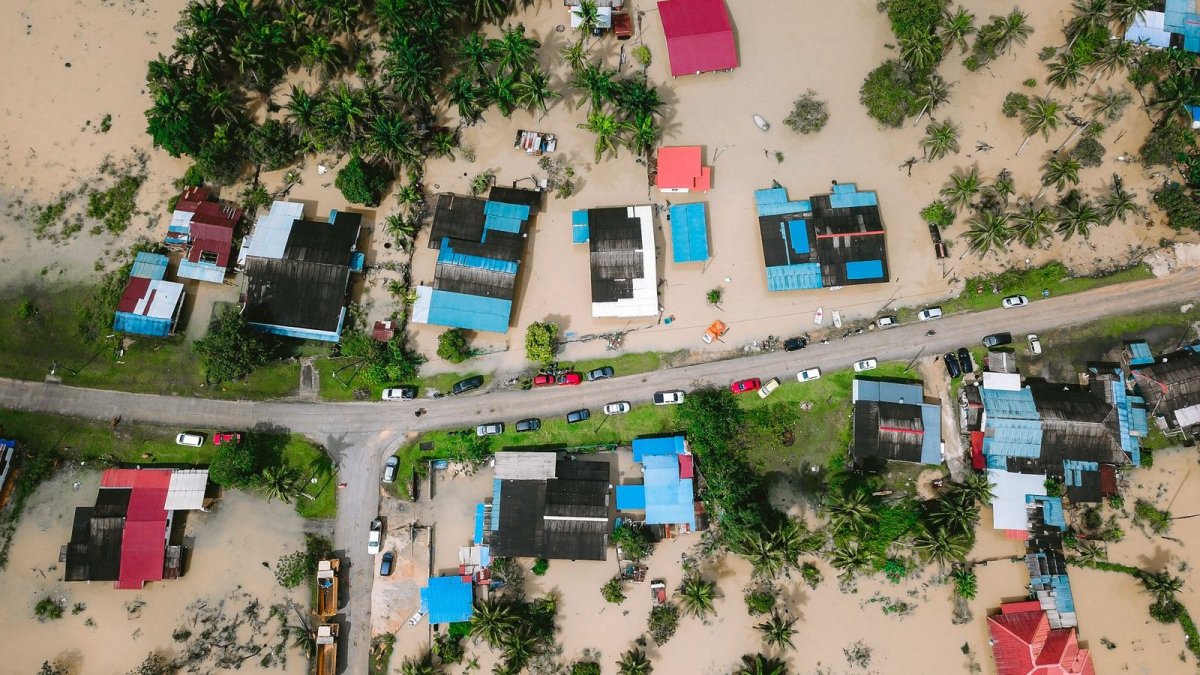
Assam Chief Minister Himanta Biswa Sarma announced a six-month loan moratorium for flood-affected families in Sivasagar, Charaideo, Jorhat and Golaghat districts on July 30, 2026, alongside free textbook replacements, Rs 1.5 lakh Namghar grants and Rs 9 lakh ex gratia payments. The measures respond directly to 80 deaths and 2.12 lakh people still affected as of July 31 after Brahmaputra-driven floods devastated Upper Assam.
Assam Flood Package Tests State Disaster Financing Limits
Guwahati, Assam – August 1, 2026 — Chief Minister Himanta Biswa Sarma chaired a special State Level Bankers’ Committee meeting on July 30 to finalise repayment relief after the Brahmaputra-driven floods damaged homes, farms and community assets across Upper Assam.
The Relief Package at a Glance
The package covers a six-month moratorium on housing, education, vehicle, farm and self-help group loans in the four districts. Repayment tenures are extended by six months, up to seven years based on loan type. Retail shop owners receive an additional Rs 10,000 collateral-free loan. Free textbooks and replacement of uniforms and marksheets begin August 1 through the Assam State Textbook Production and Publication Corporation. One-time grants of Rs 1.5 lakh are allocated for each damaged Namghar in Sivasagar and Charaideo, while schools and colleges receive repair funds.
The relief package breaks down into financial relief through the six-month moratorium, repayment tenure extension up to seven years, Rs 10,000 collateral-free loans for retail shop owners and enhanced ex gratia of Rs 9 lakh; education support via free textbook resupply by the Assam State Textbook Production and Publication Corporation together with book grants commencing August 1; and institutional restoration covering Rs 1.5 lakh grants for damaged Namghars in Sivasagar and Charaideo plus repair funds for schools and colleges.
Compared with earlier Assam flood relief rounds in 2024 and 2025, the current measures retain core mechanisms such as phased disbursement through banking channels and textbook replacement schemes, yet introduce a sharper focus on extended repayment tenures and targeted grants for religious and educational institutions.
Six-Month Loan Moratorium: What Borrowers Get
The State Level Bankers’ Committee meeting directed banks to halt all repayments for six months and extend tenures accordingly. The moratorium applies uniformly to housing, education, vehicle, farm and SHG loans held by affected families. Retail traders in the four districts can access an extra Rs 10,000 without fresh collateral or mortgage. These steps reduce immediate pressure on borrowers whose crop and business assets were destroyed by the floods.
The State Level Bankers' Committee, convened under state government leadership with participation from public sector banks, regional rural banks such as Assam Gramin Vikash Bank, cooperative institutions and oversight from Reserve Bank of India guidelines, coordinates the six-month moratorium across Sivasagar, Charaideo, Jorhat and Golaghat districts. This mechanism allows restructuring of existing loans without immediate repayment pressure, while the extension of repayment tenure up to seven years provides breathing room for farmers and small traders whose cash flows have been disrupted by inundation. In practice, interest accrual during the moratorium period follows RBI norms that may capitalise charges unless explicitly waived, and credit scores remain protected provided accounts are classified as restructured rather than non-performing.
Collateral-free loans of Rs 10,000 for retail shop owners further illustrate the package's focus on micro-enterprises, yet identifying eligible affected families poses logistical hurdles in these four districts where flood records often rely on rapid assessments by district administrations. Verification processes must reconcile land records, bank linkages and damage certificates, a step that can delay disbursement even when the SLBC framework is already activated.
Education in the Recovery Plan
The Assam State Textbook Production and Publication Corporation has been instructed to prepare immediate resupply of free textbooks. Book grants for students in the severely affected districts start August 1. Damaged or lost uniforms, textbooks and academic documents including marksheets will be replaced at government cost to minimise learning disruption for the current academic year.
Community Institutions: Namghars and Schools
Every flood-damaged Namghar in Sivasagar and Charaideo receives a one-time grant of Rs 1.5 lakh. Schools and colleges across the affected districts are eligible for financial assistance to carry out repair and restoration works. These measures recognise the central role of community prayer halls and educational infrastructure in daily life in Upper Assam.
Ex Gratia and the Human Cost
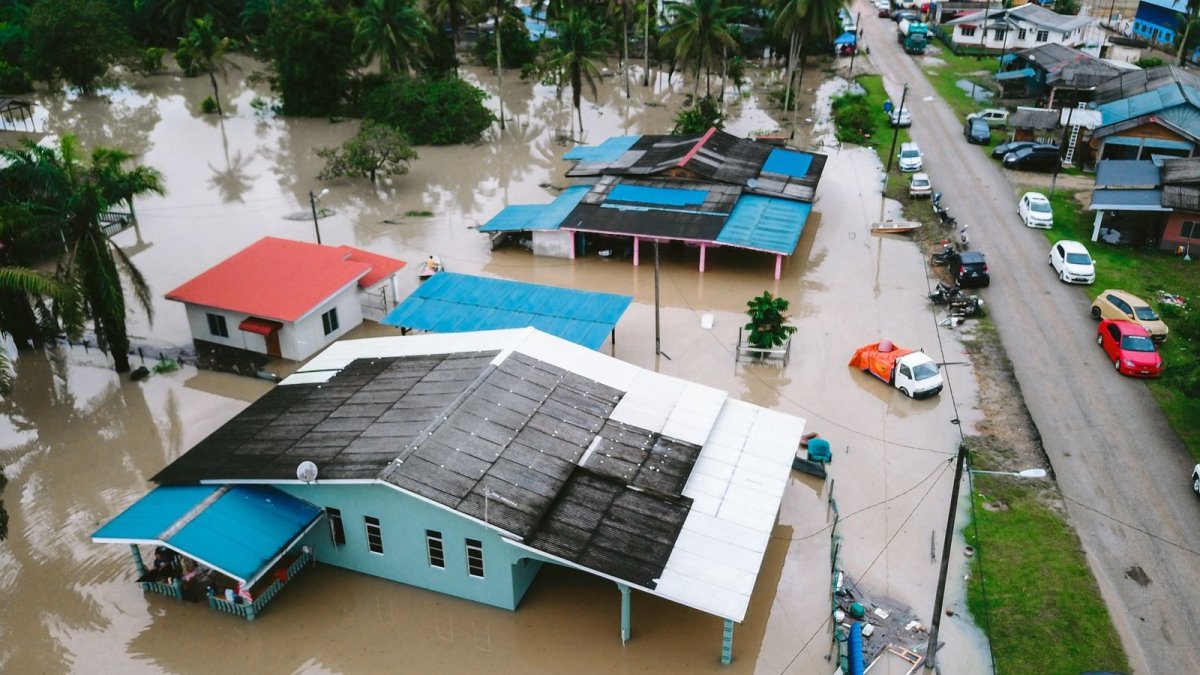
The death toll reached 80 after two more fatalities were reported in Sivasagar on July 30. The affected population stands at 2.12 lakh as of July 31, down from a peak of 4.45 lakh. Charaideo district alone recorded nearly 1.9 lakh residents impacted at the height of the floods. Railway tracks were washed away in multiple locations, requiring extensive restoration by railway engineers. Actor Kartik Aaryan contributed Rs 1 crore to the relief effort.
Under State Disaster Response Fund norms, the enhanced ex gratia of Rs 9 lakh represents an upward revision from standard SDRF compensation scales that typically provide lower base amounts for loss of life, with the additional outlay drawn from state resources to address the human cost reflected in the death toll of 80 and peak displacement reaching 4.45 lakh people. In Upper Assam the humanitarian picture includes widespread movement to relief camps, alongside losses of livestock and standing crops that compound long-term livelihood challenges for households already navigating annual Brahmaputra-driven flooding. Railway tracks washed away in the region have severed key supply chains, isolating communities and raising transport costs for essential goods during the recovery window.
The concentrated impact across Upper Assam reflects how tributaries amplify inundation in the Brahmaputra basin. The recurrence of such events each monsoon season highlights the structural vulnerability of the region, where relief measures must repeatedly address both immediate survival needs and the erosion of productive assets.
What This Means for India
The six-month moratorium and extended tenures shift short-term repayment risk onto banks while the state draws on SDRF and NDRF norms for ex gratia and infrastructure repairs. Recurrent Brahmaputra flooding continues to strain Assam’s fiscal space and highlights gaps in crop insurance penetration and climate-resilient infrastructure. For flood-hit farmers and small borrowers, the relief prevents immediate defaults but does not address asset losses that will affect next season’s planting and income. Taxpayers ultimately fund the enhanced ex gratia and reconstruction through central and state disaster allocations.
Disaster financing in India operates through the SDRF and NDRF allocation mechanics, whereby states first utilise their own disaster response funds before seeking central assistance based on assessed losses, often revealing gaps when actual damages exceed pre-approved norms. Crop insurance under the Pradhan Mantri Fasal Bima Yojana shows limited penetration in flood-prone districts of Assam, leaving many cultivators without timely indemnity payouts that could complement the relief package. Climate adaptation debates centre on embankment policy effectiveness and recommendations from the Brahmaputra Board for improved early warning systems, yet fiscal constraints on Assam's budget limit the scope for large-scale infrastructure upgrades alongside immediate relief.
Other flood-prone states such as Bihar, West Bengal and Kerala can draw lessons from the phased, bank-led structure of this package, which integrates moratoriums with targeted grants rather than relying solely on ex gratia distributions. The approach demonstrates how state-level coordination with financial institutions can stretch limited resources, though sustained adaptation requires addressing recurring Brahmaputra dynamics beyond annual relief cycles.
The Bottom Line
The July 30 package delivers targeted, time-bound relief—six-month repayment pause, Rs 10,000 trader loans, textbook replacement from August 1, Rs 1.5 lakh Namghar grants and Rs 9 lakh ex gratia—yet the 80 deaths and 2.12 lakh still affected underscore the recurring annual burden on Upper Assam districts. Sustained investment in embankments, early warning systems and diversified rural credit remains essential to reduce future fiscal and human costs.
— By Dr. Raj Patel, Staff WriterThis article was produced with AI-assisted research and editorial support. Reporting is based on sources cited in the article.
What's Your Reaction?
 Like
0
Like
0
 Dislike
0
Dislike
0
 Love
0
Love
0
 Funny
0
Funny
0
 Wow
0
Wow
0
 Sad
0
Sad
0
 Angry
0
Angry
0

India/South Asia Correspondent at Global1.News. Analytical voice with a background in science and health journalism. Based in New Delhi, covering Indian politics, education, healthcare, technology, and policy. Breaks down complex data into clear, actionable reporting.















Comments (0)