
U.S. Navy Disables Third Vessel Attempting Iran Blockade, a Containership, in Gulf of Oman
U.S. Navy forces disabled the containership Vela Nova on Tuesday after its crew ignored repeated warnings, firing two Hellfire missiles into its engine room - the third vessel stopped since the Iran blockade was reimposed July 14. Hormuz traffic has collapsed to six ships a day, Brent crude at $90.
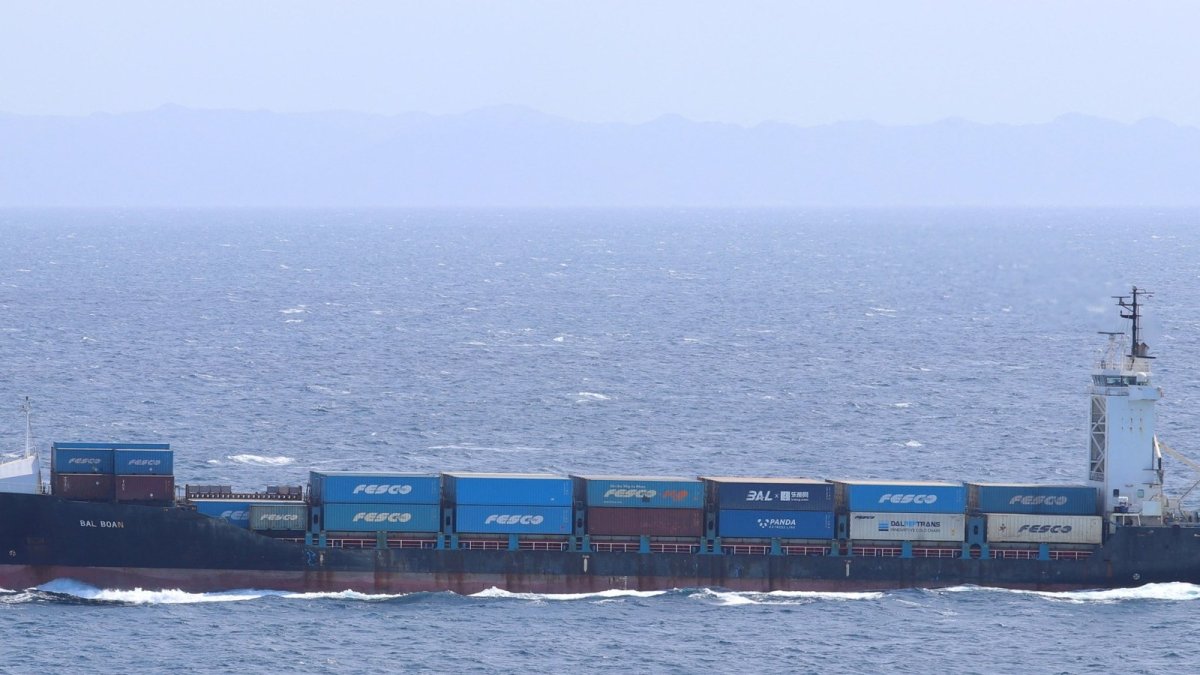
Strike on M/V Vela Nova Marks Escalation in Maritime Enforcement
U.S. Central Command confirmed on Tuesday that American forces disabled a third commercial vessel attempting to run the naval blockade of Iranian ports. The Panama-flagged container ship M/V Vela Nova was struck by two AGM-114 Hellfire missiles fired from a U.S. Navy MH-60 helicopter in the Gulf of Oman. CENTCOM said the strike occurred after the civilian crew ignored repeated warnings to stop, targeting the engine room and steering gear and leaving the ship dead in the water.
According to a post on X by CENTCOM, the ship "is no longer transiting to Iran in violation of the U.S. blockade, which remains in full effect." The engagement took place approximately 71 nautical miles off the coast of Pakistan, according to maritime security firm Vanguard, as cited by The Wall Street Journal. The U.K. Maritime Trade Operations (UKMTO) reported the vessel was struck in the stern and steering area and was "out of command" following the attack.
All 17 crew members were accounted for with no injuries reported, according to CENTCOM. A fire caused by the strike was extinguished, and the crew were being transferred to another civilian vessel. The ship's AIS data indicated it had been sailing from India toward Jebel Ali in the UAE, with recent port calls in Mumbai and Port Klang, Malaysia. The ship is not under sanctions, and it remains unclear whether it was carrying cargo to or from Iranian ports.
Blockade Enforcement Numbers Reveal Aggressive Posture
The disabling of the Vela Nova brings the total number of vessels disabled by U.S. forces since July 14 to three. CENTCOM's broader statistics show American forces have redirected 55 commercial vessels, disabled three non-compliant vessels, and boarded two others since the blockade was reimposed. The two previous disabled vessels were both tankers: the Mozambique-flagged M/T Lavine on July 24 and the Curaçao-flagged M/T Belma in mid-July. The New York Post has reported this is roughly the 12th vessel attacked by U.S. forces since the first blockade went into effect in April 2026.
The escalation to disabling a containership is a significant tactical shift. Tankers are slower and easier to stop, while containerships are faster, more maneuverable, and often carry larger crews. The decision to fire on the Vela Nova suggests the U.S. military is willing to use lethal force against any vessel that refuses to comply, regardless of type or cargo. This aggressive posture carries inherent risks, as demonstrated by a U.S. strike in early June that killed three Indian mariners, according to Antiwar.com.
The blockade is being enforced against the backdrop of a broader conflict. The U.S.-Israeli war with Iran began in February 2026, and a 13-day escalation in July saw heavy strikes on both sides. Attacks have mostly paused since then, but blockade enforcement continues unabated while diplomatic efforts remain stalled.
Strait of Hormuz Traffic Collapses to Historic Lows
The impact on global shipping is becoming increasingly severe. Maritime data firm Kpler counted only six ships crossing the Strait of Hormuz on Monday, August 10, compared to more than 130 ships per day before the war began. This represents a reduction of over 95 percent in daily transits, effectively shutting down the world's most critical energy artery, which carries roughly a fifth of global oil supply.
Oil prices have already begun to react, with Brent crude rising to $90 a barrel on Tuesday, August 11, according to The New York Times. While U.S. petrol prices dropped nine cents last week, analysts warn they could surge again if the strait closure continues. The blockade is a double-edged sword: it cuts off Iranian oil exports while also disrupting flows from U.S. allies like Saudi Arabia and the UAE.
Iran has stated the blockade must be lifted before Tehran will consider reopening the Strait of Hormuz. Iranian official Mohsen Rezaei has outlined conditions for a potential reopening, while President Trump has demanded compensation from Iran as talks continue. The diplomatic impasse shows no signs of breaking.
Diplomatic Signals Emerge Amidst Military Action
Despite ongoing military operations, diplomatic channels may be opening. Later on Tuesday, Pakistan's Defense Minister Khawaja Asif told reporters in Islamabad that the U.S. and Iran were "close to an arrangement" over maritime shipping in the Strait of Hormuz, as reported by Stars and Stripes. The timing is curious, coming just hours after the Vela Nova strike, suggesting either a demonstration of resolve to strengthen the U.S. negotiating position or independent military action proceeding alongside back-channel communications.
The potential arrangement would presumably involve a resumption of shipping through the Strait in exchange for concessions from Iran. However, details remain murky. President Trump's demand for compensation is a significant sticking point, and the Iranian position articulated by Rezaei suggests Tehran is seeking guarantees the blockade will be lifted before any reopening occurs. The window for a diplomatic solution may be narrowing, but the fact that talks are reportedly close offers a glimmer of hope.
Houthi Attack in Red Sea Kills Six, Escalating Regional Conflict
In a parallel development, Iran-backed Houthi rebels attacked the cargo ship Tihamah in the Bab el-Mandeb Strait on Tuesday. Yemen's internationally recognized government accused the Houthis of killing at least six people, including four crew members and two rescuers, and wounding 10 others in a double-tap strike, according to Al Jazeera. Earlier reports cited three Pakistanis and one Indonesian among the dead, though the figures have not been independently verified.
If confirmed, these are the first deaths caused by Houthi strikes on shipping since the Iran war began. The double-tap nature of the strike, targeting rescuers responding to the first attack, suggests a deliberate strategy to maximize casualties. The National reported the ship was struck off Yemen's Red Sea port of Mokha while carrying food supplies. The Houthis accused Saudi Arabia of transporting weapons on the vessel, a claim attributed to the rebels.
The Houthis are widely seen as a proxy force for Tehran, and their attacks are likely intended to pressure the U.S. and its allies. The Bab el-Mandeb Strait is another critical chokepoint, and the deaths will likely harden positions on all sides, making a diplomatic resolution more difficult.
Containership Targeting Raises Questions About Enforcement Rules
The decision to disable the Vela Nova raises important questions about the rules of engagement. The ship was a civilian container vessel with a crew of 17, and it was not under sanctions. The fact that it was sailing from India toward Jebel Ali suggests it may have been on a legitimate commercial voyage. CENTCOM has stated the crew ignored repeated warnings while sailing toward an Iranian port, but the lack of clarity about cargo and final destination raises concerns about whether the U.S. military is casting too wide a net.
The previous disabled vessels were both tankers, more likely to be carrying oil to or from Iranian ports. The Vela Nova, as a containership, could have been carrying a wide variety of goods, and it is unclear what intelligence led to the conclusion it was running the blockade. The fact that the ship was not under sanctions suggests it was not previously identified as a blockade runner, making the strike a potential escalation based on real-time intelligence or behavioral analysis.
The willingness to fire on a containership with a civilian crew signals the blockade is being enforced with maximum severity. The international community will be watching closely to see whether this leads to further diplomatic fallout or a hardening of positions.
Global Economic Fallout Intensifies as Energy Markets React
The economic consequences are becoming increasingly apparent. Brent crude rising to $90 a barrel on Tuesday signals markets are pricing in a prolonged disruption to oil supplies. The six ships that crossed the Strait on Monday represent a tiny fraction of normal traffic, and the disruption is not limited to oil—it is also affecting food and manufactured products. The Houthi attack in the Red Sea adds another layer, potentially disrupting trade between Asia and Europe and raising insurance premiums for ships transiting the region.
The combination of the Hormuz blockade and Houthi attacks is creating a perfect storm for global trade. The economic fallout is likely to intensify political pressure on all parties to find a resolution. The U.S. faces pressure from allies to ease the blockade, while Iran faces the consequences of being cut off from global markets. The diplomatic signals from Pakistan suggest a deal may be possible, but military actions on the water are making it harder to build trust.
Regional Stability Hangs in the Balance as Conflict Enters New Phase
The conflict has entered a dangerous new phase. The blockade, the collapse of shipping through Hormuz, and the Houthi attacks are all contributing to regional instability that threatens to spiral out of control. The deaths of six people in the Tihamah attack are a stark reminder of the human cost. The earlier U.S. strike that killed three Indian mariners in June was a warning of the dangers inherent in blockade enforcement. No injuries were reported in the Vela Nova strike, but future engagements could result in fatalities.
U.S. Central Command stated American forces "remain highly vigilant, focused, lethal, and ready." The diplomatic track, while showing signs of life, remains fragile. The demand for compensation from Iran is a significant obstacle, and the Houthi attack could further complicate efforts. The coming days will be critical in determining the trajectory of this conflict. The blockade is having a devastating impact on global energy markets, and the risk of a miscalculation leading to a broader war is ever-present. The world is watching closely, hoping diplomacy can prevail before the situation spirals further out of control.
By Jessica Ali, Staff WriterThis article was produced with AI-assisted research and editorial support. Sources: U.S. Central Command, Stars and Stripes, The Wall Street Journal, The New York Times, Al Jazeera, The National, The New York Post, UKMTO, Kpler, Reuters.
What's Your Reaction?
 Like
0
Like
0
 Dislike
0
Dislike
0
 Love
0
Love
0
 Funny
0
Funny
0
 Wow
0
Wow
0
 Sad
0
Sad
0
 Angry
0
Angry
0

Editor-in-Chief at Global1.News. Atlanta-based journalist who cuts through the BS and tells it like it is. Lead anchor, host, and the voice you hear when the spin stops and the truth starts.












Comments (0)