
Thai Festival Mexico 2026 Draws Record 31,220 Visitors
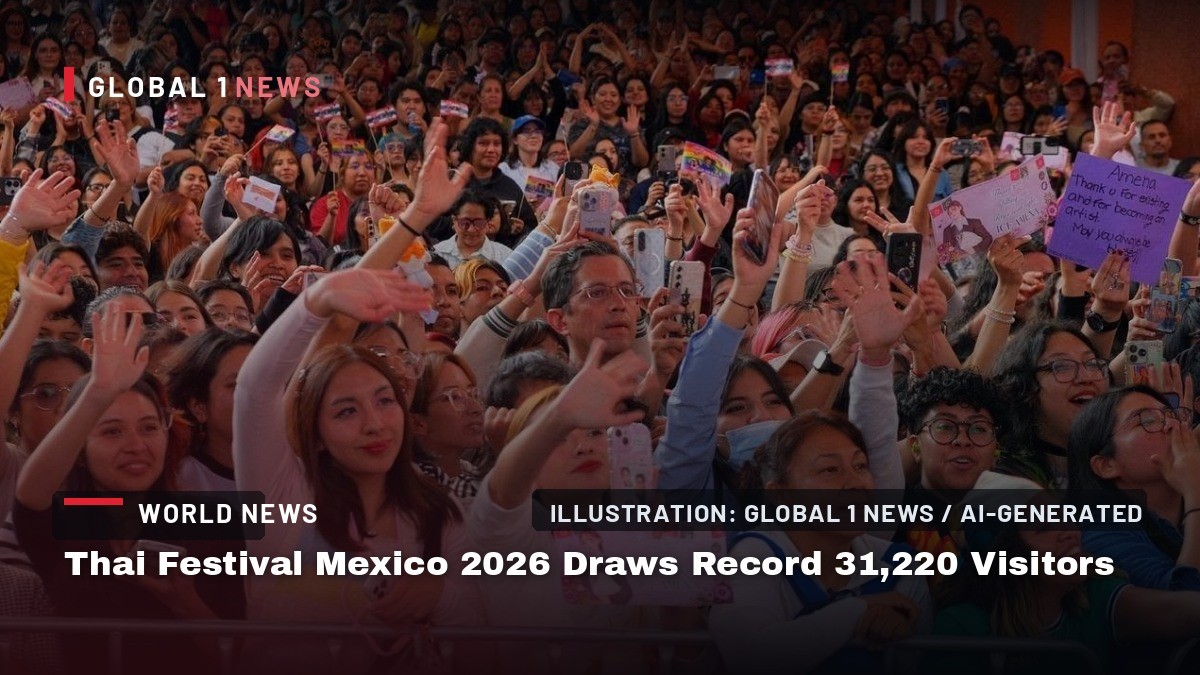
Record 31,220 Visitors Flock to Thai Festival Mexico 2026 Thai culture, food, and entertainment drew a record 31,220 visitors to Thai Festival Mexico 2026, as the annual event continued to boost Thailand’s soft power and strengthen ties with Mexico....
Record 31,220 Visitors Flock to Thai Festival Mexico 2026
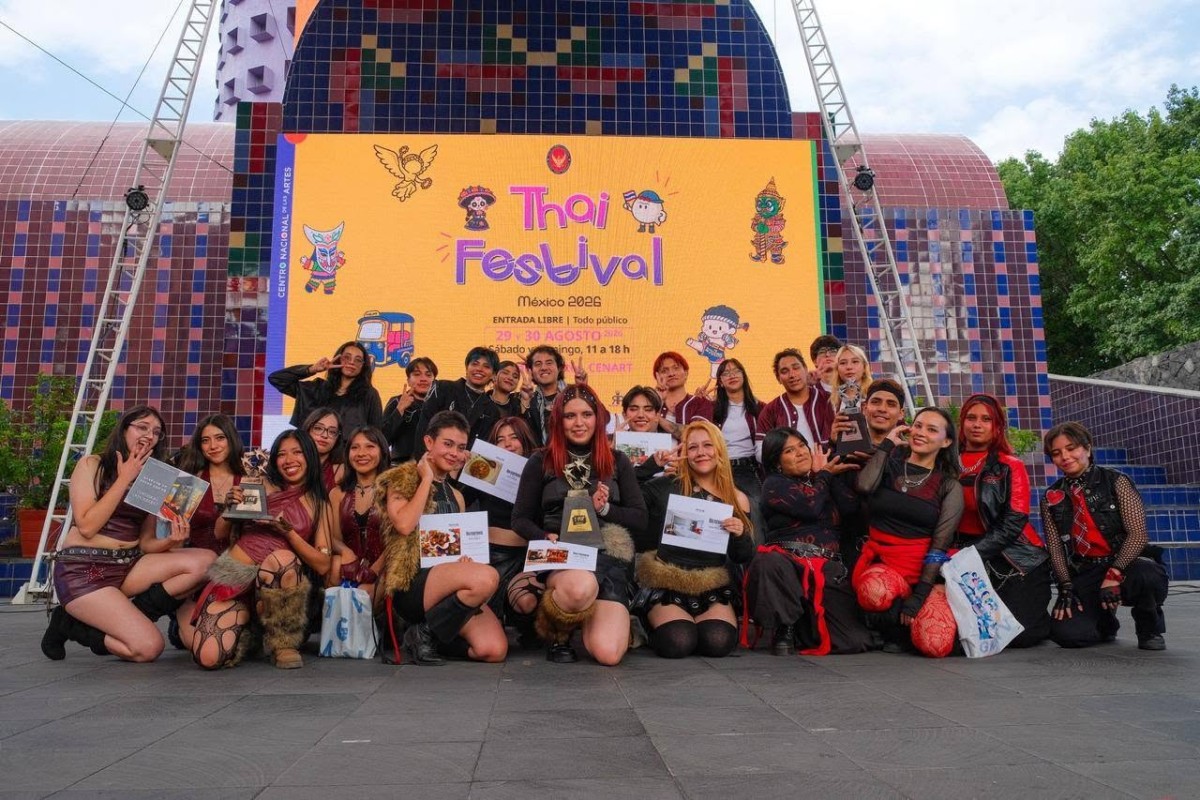
Thai culture, food, and entertainment drew a record 31,220 visitors to Thai Festival Mexico 2026, as the annual event continued to boost Thailand’s soft power and strengthen ties with Mexico. Organized by the Royal Thai Embassy in Mexico City, the festival was held at the National Arts Center (CENART) on 29–30 August, surpassing last year’s attendance record.
The two-day event transformed the sprawling arts complex into a vibrant showcase of Thai identity, drawing crowds that spilled across exhibition halls and outdoor stages. For Thai readers, this milestone in Mexico City is more than a diplomatic success—it is a signal that Thailand’s cultural exports are resonating deeply in Latin America, a region where our soft power is growing at an impressive pace.
The record turnout highlighted growing Mexican interest in T-Pop and Thai content while creating new opportunities for Thai tourism, trade, and cultural exchange between the two countries. The Royal Thai Embassy announced the figures with evident pride, noting that the festival has become a cornerstone of bilateral cultural diplomacy.
Phi Ta Khon, Muay Thai, and Tattoos: A Cultural Showcase
The festival featured a wide range of Thai cultural and entertainment activities, including traditional Thai dress and Phi Ta Khon exhibitions, Muay Thai demonstrations, Thai tattoo and rock music sessions, tourism activities, Thai film screenings, and a Thai dress photo booth. For Mexican attendees, many of whom may never have traveled to Thailand, these exhibits offered a vivid window into the kingdom’s diverse regional traditions.
The Phi Ta Khon exhibition, in particular, carried special resonance. This ghost festival from Dan Sai district in Loei province is one of Thailand’s most visually striking traditions, with its colorful masks and spirited processions. Its inclusion in Mexico—a country with its own rich traditions of Day of the Dead celebrations—created a natural cultural bridge between two peoples who understand the art of honoring the spiritual through festivity.
Muay Thai demonstrations drew enthusiastic crowds, with Mexican fans of the martial art eager to see techniques from the homeland of their favorite fighters. The Thai tattoo sessions, meanwhile, offered a contemporary edge, blending traditional sak yant designs with modern body art culture that has global appeal. Thai film screenings provided another layer of cultural immersion, showcasing the storytelling prowess of Thai cinema to new audiences.
T-Pop Takes Mexico: Circus Showtime Wins Cover Dance Crown
A major draw among young Mexican visitors was the second T-Pop Cover Dance competition, with Circus Showtime taking the top prize. The competition’s popularity underscores a remarkable trend: Thai pop music is finding passionate fans thousands of kilometers from Bangkok, driven by the global reach of streaming platforms and social media.
Thai artists including Boy Sompop, JRbubblegum, DJ Sunkhan, Ice Amena, Ize & Marissa, and Mcka also performed mini-concerts for fans, bringing live Thai entertainment to Mexican stages. For the young Mexicans who queued for hours to see these performers, the festival was a rare opportunity to experience their favorite artists in person—a testament to the power of T-Pop as a cultural ambassador.
This phenomenon mirrors the trajectory of Korean pop culture, which spent years building fan bases abroad before translating into tourism and trade dividends. For Thailand, the T-Pop wave in Mexico represents an early but promising chapter in a similar story. Grassroots cultural connections of this kind often prove more durable than top-down promotional campaigns, and festivals give Thai artists and businesses a stage to build those bonds directly with overseas fans.
Thai Taco and Thai Tea: Culinary Diplomacy at Its Best
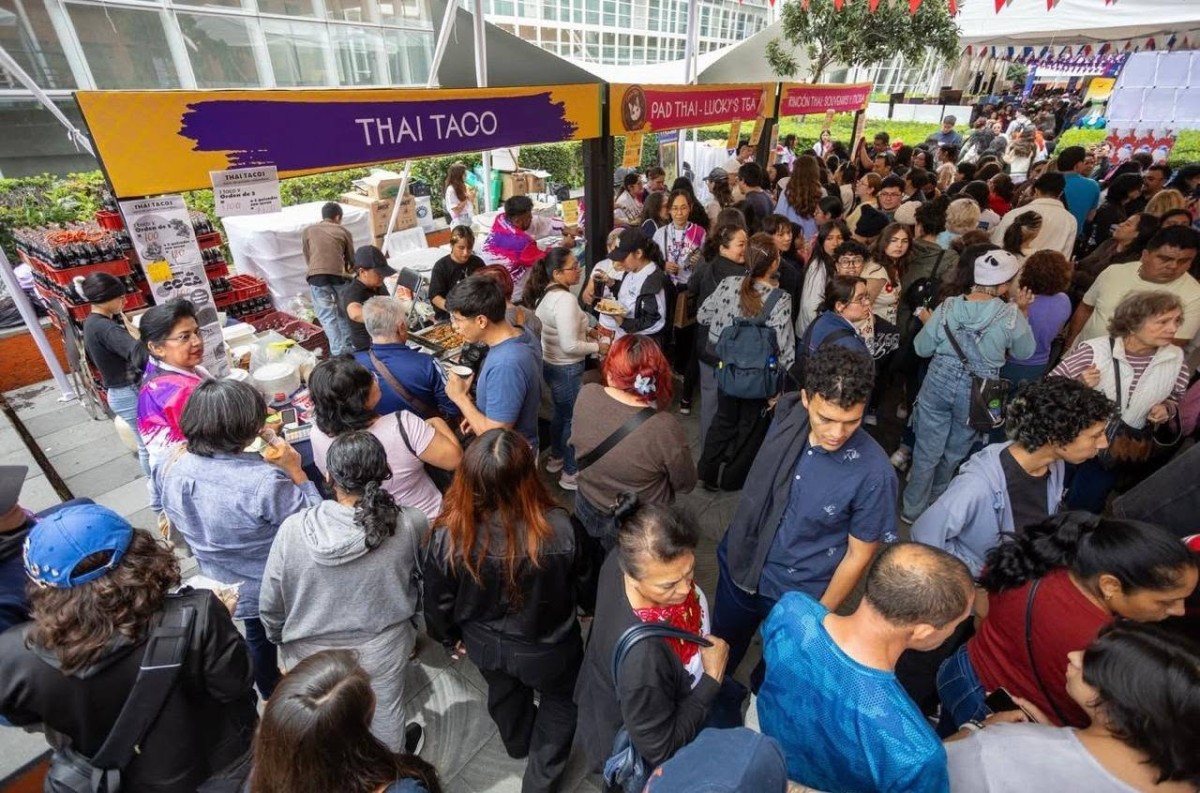
Thai food and products were also popular, with eight Thai restaurants from across Mexico taking part. Fusion dishes including “Thai Taco” and Thai tea were among the event’s best-selling items. The Thai Taco—a creative marriage of Mexican street food and Thai flavors—symbolizes the kind of cultural exchange that happens naturally when two food-loving nations meet.
The festival also featured 21 Thai businesses showcasing products including inhalers, canned coconut milk, cooking ingredients, sauces, and rice. These products represent the backbone of Thailand’s food export industry, and their presence at the festival offered Mexican consumers and importers a direct taste of what Thai kitchens have to offer.
For Thai exporters, Latin America remains a growing market with significant untapped potential. The festival’s success in showcasing these products—from fragrant jasmine rice to versatile coconut milk—helps build brand recognition that can translate into long-term trade relationships. Thai restaurants participating from across Mexico also serve as ongoing ambassadors, introducing new customers to the complexity and depth of Thai cuisine every day.
Thai Betta Fish Make Historic Debut in Mexico
For the first time, Thai betta fish and goldfish, which have officially been approved for import into Mexico, were showcased at the event. More than 4,000 fish were ordered during the festival. This milestone represents a significant breakthrough for Thai aquaculture exports, opening a new market for these prized ornamental fish.
Thai betta fish, known for their vibrant colors and flowing fins, are among Thailand’s most beloved aquatic exports. Their official approval for import into Mexico marks the culmination of diplomatic and regulatory efforts, and the enthusiastic response—4,000 fish ordered in just two days—suggests strong commercial potential. For Thai fish farmers, many of whom operate small family businesses, this new market access could provide meaningful economic opportunities.
The fish showcase also carried symbolic weight. It demonstrated that Thai-Mexican relations have matured beyond cultural exchange into concrete trade partnerships, with regulatory frameworks now in place to support commercial flows. This is the kind of tangible outcome that cultural festivals are meant to inspire.
What This Means for Thailand’s Soft Power in Latin America
The record turnout at Thai Festival Mexico 2026 is part of a broader pattern of Thailand’s growing cultural influence across Latin America. From Songkran-style cultural diplomacy to Muay Thai gyms opening in major cities, Thai soft power is finding receptive audiences throughout the region. The festival’s success in Mexico—a nation of over 126 million people with deep cultural pride—is particularly significant.
For Thai tourism, events like this plant seeds that may bloom years later. Mexicans who discovered Thai food, film, or music at the festival are more likely to consider Thailand as a travel destination. The tourism activities showcased at the event, combined with Thailand’s reputation for hospitality, create a compelling case for future visitors. As direct flight connections between Asia and Latin America continue to develop, the potential for increased tourist flows grows.
The festival also strengthens Thailand’s position within the broader Southeast Asian cultural landscape. As regional competitors invest heavily in cultural promotion, Thailand’s ability to draw 31,220 visitors to a two-day event in Mexico City demonstrates the enduring appeal of Thai culture. From the spiritual depth of Phi Ta Khon to the contemporary energy of T-Pop, Thailand offers a cultural palette rich enough to engage diverse audiences.
For Thai communities in Mexico and across Latin America, the festival also serves as a home away from home—a place to reconnect with traditions, flavors, and sounds from the kingdom. The Royal Thai Embassy in Mexico City deserves recognition for its vision in organizing an event that serves both diplomatic and community-building purposes.
As Thailand continues to develop its soft power strategy under the broader framework of cultural diplomacy, the lessons from Mexico City are clear: authentic cultural expression, combined with contemporary creativity, resonates across borders. The Thai Taco, the T-Pop dance covers, and the betta fish all tell the same story—Thailand has much to share with the world, and the world is eager to receive it.
By Ann Srisawat, Staff Writer
This article was produced with AI-assisted research and editorial support. Sources: Khaosod English
What's Your Reaction?
 Like
0
Like
0
 Dislike
0
Dislike
0
 Love
0
Love
0
 Funny
0
Funny
0
 Wow
0
Wow
0
 Sad
0
Sad
0
 Angry
0
Angry
0

Southeast Asia Correspondent at Global1.News. Based in Bangkok, covering Thai and Southeast Asian politics, economy, technology, and culture. Deep regional perspective on one of the world's most dynamic regions.










Comments (0)