
Tens of thousands flee fresh clashes as Taiz province descends into crisis
Al Jazeera English’s correspondent Maha Ali brings us the stark reality on the ground in Yemen’s western Taiz province, where fresh fighting between government forces and Houthi militants has forced more than 86 000 people to abandon their homes.
Al Jazeera English’s correspondent Maha Ali brings us the stark reality on the ground in Yemen’s western Taiz province, where fresh fighting between government forces and Houthi militants has forced more than 86 000 people to abandon their homes. The displacement surge adds a new layer of urgency to an already fragile humanitarian situation, with the besieged city of Taiz bearing the brunt of the influx despite its limited capacity. As South Africans watch the unfolding tragedy, the parallels with our own displacement challenges remind us of sport’s power to rally support for those in need.
Escalating violence fuels mass displacement
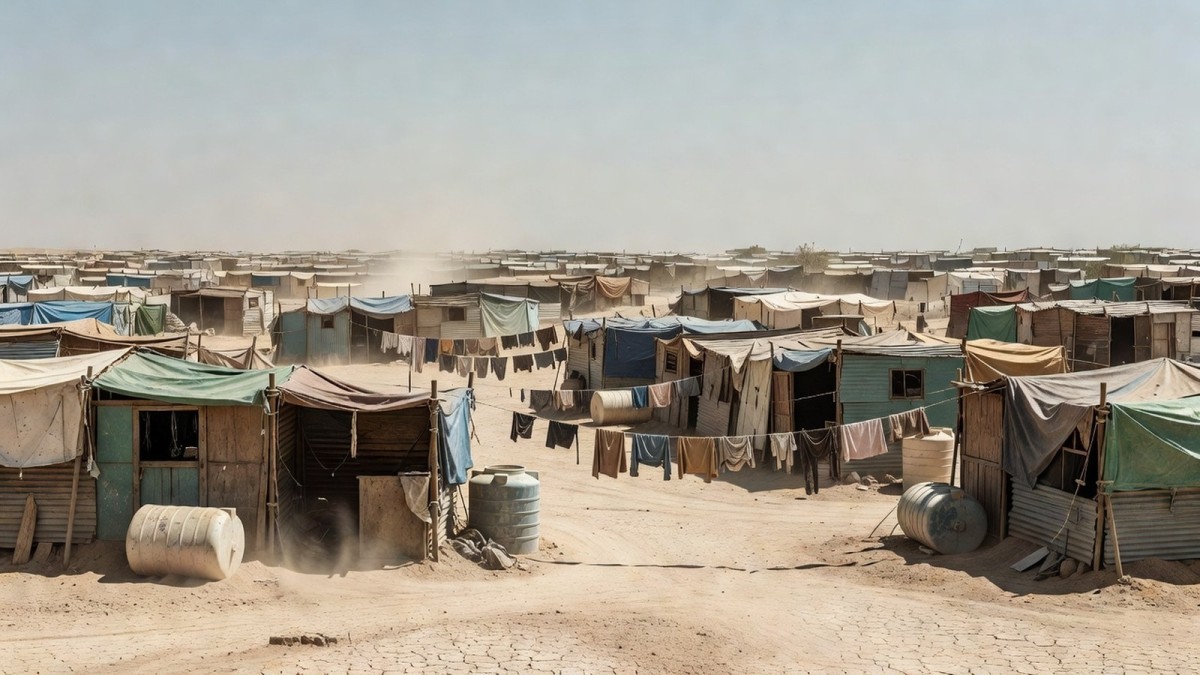
The latest wave of clashes erupted in the western countryside of Taiz, pushing families—predominantly women, children and the elderly—out of their homes. Al Jazeera’s footage shows makeshift shelters crowded with people clutching whatever belongings they could carry. The report notes that the fighting has displaced more than 86 000 individuals since the renewed hostilities began, a figure that underscores the rapid deterioration of security in the region.
These displaced families are not new to upheaval; many have been uprooted repeatedly over the years of conflict. The video captures the weariness in their eyes, a silent testament to the relentless cycle of flight and return that has become a grim norm for residents of Taiz and surrounding districts.
International observers, including humanitarian agencies, have called for urgent intervention, stressing that the scale of displacement now threatens to overwhelm the already scarce resources in the city. The Al Jazeera report highlights the pressing need for a coordinated response to prevent a deeper humanitarian catastrophe.
Taiz city: a beleaguered refuge under blockade
Taiz city, under a blockade since 2015, remains connected to the rest of Yemen by a single route that links it to the southern governorates. This narrow lifeline has become the primary conduit for the influx of displaced persons fleeing the western fighting. The video shows crowded streets where makeshift tents line the main thoroughfares, illustrating how the city is absorbing a massive humanitarian load.
Despite the influx, the city’s resources are stretched thin. Al Jazeera’s correspondent points out that water, food and medical supplies are already scarce, and the sudden arrival of tens of thousands more has strained the fragile supply chains. The blockade limits the flow of aid, making it difficult for relief agencies to deliver essential assistance quickly and efficiently.
The report underscores the paradox of Taiz: a city that has long been a symbol of resistance and cultural vibrancy now grapples with the grim reality of being a sanctuary for those fleeing violence, all while its own residents endure shortages and insecurity.
Humanitarian appeal intensifies
In the wake of the displacement surge, Al Jazeera’s footage captures appeals from local leaders and aid workers urging the international community to step up. The video’s narration stresses the urgency of delivering humanitarian aid to a city already grappling with limited capacity. The appeal is not just for food and water, but also for medical care, shelter materials and psychosocial support for traumatized families.
Humanitarian agencies, as referenced in the report, have warned that without swift assistance the situation could deteriorate into a full‑blown humanitarian disaster. The displacement figures, now surpassing 86 000, signal a critical tipping point where the lack of basic services could trigger further instability and disease outbreaks.
For South African observers, the call mirrors the challenges we face in our own informal settlements, where rapid population movements strain municipal services. The Taiz crisis serves as a stark reminder of the importance of coordinated humanitarian logistics, a lesson that resonates across borders.
Impact on regional stability and the broader conflict
The fresh clashes in Taiz’s western countryside are part of a larger pattern of renewed offensives by Houthi forces across Yemen’s western coast. Al Jazeera’s coverage links these operations to the strategic goal of tightening control over key supply routes, including the vital Bab Al‑Mandeb strait. The displacement surge therefore carries implications beyond humanitarian concerns, potentially reshaping the balance of power in the region.
By forcing civilians into the city, the fighting indirectly pressures the government forces defending Taiz, stretching their logistical capabilities. The report hints that the influx of displaced persons could complicate military operations, as the presence of civilians in contested zones raises the risk of civilian casualties and further international condemnation.
For South Africans watching the conflict, the dynamics echo the ways in which sport can become a battlefield for political narratives—just as rugby can unite a nation, conflict can fracture communities. Understanding the strategic underpinnings of the Taiz fighting helps contextualise the humanitarian emergency within the broader tapestry of the Yemen war.
International response and the road ahead
Al Jazeera’s footage shows that the international community has yet to mount a coordinated response commensurate with the scale of displacement. While the United Nations and various NGOs have pledged assistance, the blockade and security constraints impede rapid delivery. The report underscores the need for negotiated humanitarian corridors to ensure aid reaches those most in need.
South Africa’s own diplomatic engagements in the Middle East often emphasize peacebuilding and humanitarian aid. The Taiz crisis may prompt renewed calls from our government and civil society for greater involvement in peace negotiations, mirroring how South African sport administrators have historically leveraged sport diplomacy to foster dialogue.
Looking forward, the displacement figures are likely to climb if the fighting continues unabated. The Al Jazeera report warns that without decisive international intervention, the humanitarian situation could spiral, compounding the suffering of already vulnerable populations.
Lessons for South African sport and society
The plight of the displaced in Taiz offers a poignant lesson for South Africans about the role of sport in crisis response. Just as the Springboks rally the nation in moments of triumph, sport organisations here have mobilised relief efforts during floods and droughts, using their platforms to raise awareness and funds. The Taiz story reinforces the potential of sport to galvanise public empathy and drive humanitarian action.
Moreover, the displacement crisis highlights the importance of community resilience—a theme echoed in South African grassroots sport programmes that aim to empower youth in under‑served townships. The ability of communities to come together in the face of adversity, as seen in the makeshift shelters of Taiz, mirrors the solidarity we witness on the fields of rugby and football across the country.
In closing, the Al Jazeera report paints a stark picture of a city under siege, a population on the move, and a humanitarian system stretched to its limits. As South Africans, we watch with heavy hearts, yet also with a sense of purpose: to translate the empathy sparked by this coverage into concrete support, whether through donations, advocacy or leveraging sport’s unifying power to press for a lasting peace in Yemen.
By Dante Williams, Staff Writer
This article was produced with AI-assisted research and editorial support. Reporting is based on the source material cited below. Sources: Al Jazeera English video report (21 September 2026); Al Jazeera English; Global1.News
What's Your Reaction?
 Like
0
Like
0
 Dislike
0
Dislike
0
 Love
0
Love
0
 Funny
0
Funny
0
 Wow
0
Wow
0
 Sad
0
Sad
0
 Angry
0
Angry
0

Breaking News and Investigations Correspondent at Global1.News. Based in London, covering global breaking news, security, and investigative stories. Known for digging deeper and connecting the dots across continents.











Comments (0)