
‘Don’t want to take old Boks to World Cup’
South African rugby fans are already feeling the pressure as Rassie Erasmus looks ahead to the 2027 World Cup in Australia. The Springbok squad that lifted the Webb Ellis Cup in 2019 is now entering a phase where many of its stalwarts are pushing the limits of age and endurance.
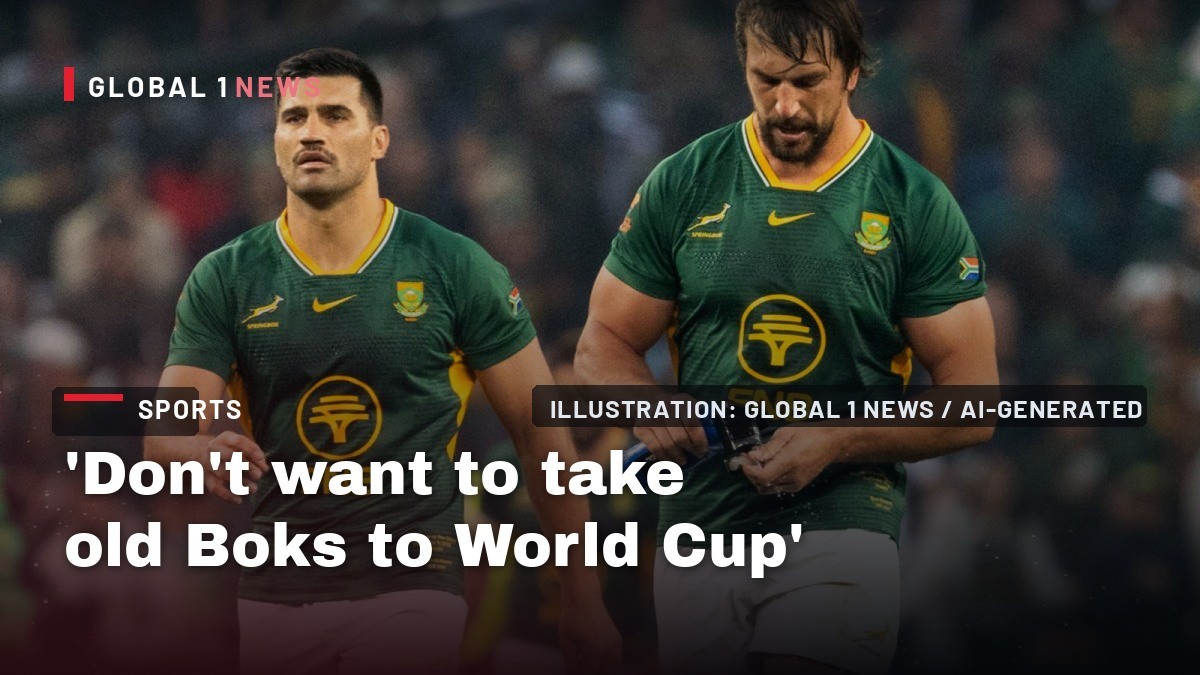
South African rugby fans are already feeling the pressure as Rassie Erasmus looks ahead to the 2027 World Cup in Australia. The Springbok squad that lifted the Webb Ellis Cup in 2019 is now entering a phase where many of its stalwarts are pushing the limits of age and endurance. A recent conversation on the Rugby Unity podcast, featuring Springbok prop Steven Kitshoff, former All Blacks coach Steve Hansen and ex‑Wallabies boss Ewen McKenzie, has shone a spotlight on the tough decisions that will shape the next Boks campaign. Their candid assessment underscores a reality that every fan, player and administrator must grapple with: how to balance the experience of seasoned champions with the physical demands of elite rugby as the clock ticks toward October 2027.
The ageing core: who’s still in the mix?
At the heart of the debate are the Springbok veterans who have become household names across the nation. Deon Fourie, who turns 40 this week, remains a reliable presence on the wing, while captain Siya Kolisi and lock Franco Mostert are both 35. The forward pack is anchored by Eben Etzebeth, the most‑capped Springbok ever, alongside two‑time World Cup winners Pieter‑Steph du Toit and Damian de Allende, each now 34. These players have collectively logged more than a decade of Springbok service, forming the backbone of the side that defeated the All Blacks in the Rugby’s Greatest Rivalry series and secured the 2019 title.
Kitshoff’s remarks on the podcast make it clear that Erasmus already has a “trusted core” in mind for the next World Cup. Yet the very fact that so many of these men are “on the wrong side of 30” raises questions about durability. The conversation highlighted that while the experience and leadership of these veterans are invaluable, the physical toll of professional rugby means that even the toughest athletes may struggle to sustain the rigours of a full World Cup campaign without careful management.
Rassie’s dilemma: depth versus durability
Rassie Erasmus finds himself at a crossroads that many national coaches have faced before – whether to lean on a proven core or to inject fresh legs to preserve longevity. Kitshoff noted that Erasmus seems inclined to back a core group of 23 to 25 players he trusts, especially for the “big games” that define a World Cup season. This approach mirrors the All Blacks’ strategy during their rivalry series, where a tight selection pool was favoured to maintain cohesion.
The challenge, as Kitshoff put it, is whether those older players can “get through” the intense training blocks that will be required in the lead‑up to the tournament. He warned that a squad “that’s a bit on the older side that can’t get through a Monday‑Tuesday training block” could struggle to maintain the high‑intensity standards set by the Springboks in recent years. The implication is clear: without a strategic plan to manage workload, the team risks fielding a side that may falter under the physical demands of a World Cup schedule.
Lessons from the All Blacks: honest conversations
Steve Hansen, who guided the All Blacks through the 2015 World Cup, weighed in on the importance of frank dialogue between coach and player. He recalled the necessity of “guiding” players on performance and having “honest conversations” about whether their output meets the required standard. Hansen’s experience underscores that even the most decorated squads must confront the reality that age can erode performance levels.
Hansen also highlighted a scenario where players might voluntarily step aside, saying that “one or two who say, ‘Look, I just can’t do it anymore’” is a possibility that should be respected. This perspective aligns with a culture of team‑first mentality that has long been a hallmark of South African rugby – where personal sacrifice for the collective good is celebrated. It also signals that Erasmus may need to prepare for the emotional weight of such conversations, balancing respect for veteran contributions with the pragmatic need for a competitive squad.
McKenzie’s take: managing training loads, not just resting
Ewen McKenzie offered a complementary angle, focusing on the management of training intensity rather than simply resting senior players from match play. He argued that “the bit that they enjoy is playing the game,” and that by “resting them from training” while still allowing match minutes, the overall workload can be balanced. This approach seeks to preserve the players’ love for the sport and maintain match sharpness, while mitigating the risk of over‑training injuries.
McKenzie’s strategy could be particularly relevant for the Springboks, given the depth of experience in the squad. By tailoring training loads – perhaps reducing high‑impact sessions for the older forwards while keeping them involved in tactical drills – Erasmus could extend the effective playing years of his veterans. This nuanced load management would require close collaboration with the medical and conditioning staff, ensuring that each player’s individual capacity is accurately assessed and monitored.
Implications for the Springbok calendar
The next twelve months will be pivotal. With the 2027 World Cup still a year away, the Springboks will navigate the 2026 Tri‑Nations, the Rugby Championship, and a series of test matches that will test the squad’s depth. These fixtures will serve as a proving ground for Erasmus to evaluate who can sustain performance across a grueling schedule.
For the older cohort, the calendar presents a double‑edged sword. On one hand, regular test exposure keeps them match‑fit and sharp; on the other, the cumulative fatigue from back‑to‑back internationals could accelerate wear and tear. The coaching staff will need to make strategic decisions about rotation, perhaps giving emerging talent a chance in less critical matches while shielding senior players from excessive minutes. This balancing act will be crucial in shaping a squad that can peak at the right moment in 2027.
Grassroots and transformation: the wider impact
Beyond the elite level, the conversation around ageing Springboks resonates with South Africa’s broader rugby ecosystem. The nation’s transformation agenda and grassroots development programs rely on visible role models to inspire the next generation. Veteran players like Kolisi and Etzebeth have become icons of unity and perseverance, embodying the post‑apartheid narrative of a diverse, inclusive rugby nation.
If Erasmus opts to phase out some of the older stars, the timing and manner of those transitions will send a powerful message to aspiring players across the provinces. A respectful, transparent process – where veterans are celebrated and given pathways into coaching, mentorship or ambassadorial roles – can reinforce the sport’s social fabric. Conversely, a rushed or abrupt sidelining could risk alienating fans who have followed these players’ journeys from the township clubs to the global stage.
Looking ahead: what the Boks need to do
In sum, the Springbok camp stands at a crossroads where experience meets endurance. Kitshoff, Hansen and McKenzie have all underscored the necessity of honest, data‑driven conversations about performance, workload and career longevity. Erasmus must now translate that dialogue into concrete action: establishing a clear selection framework, implementing individualized load‑management protocols, and fostering a culture where senior players feel empowered to voice their limits.
For South African fans, the stakes are high. The memory of the 2019 triumph still burns bright, and the desire to see the Boks lift the Webb Ellis Cup again is palpable. Yet the path to that glory will require a delicate blend of reverence for the past and pragmatism for the future. As the nation watches the Springboks navigate this pivotal period, the hope is that the team will emerge not only physically prepared for the 2027 World Cup, but also united by the same spirit that has made rugby a cornerstone of South African identity.
This article was produced with AI-assisted research and editorial support. Reporting is based on the source material cited below. Sources: SARugbyMag; sarugbymag.co.za; Global1.News (21 September 2026).
By Dante Williams, Staff Writer
What's Your Reaction?
 Like
0
Like
0
 Dislike
0
Dislike
0
 Love
0
Love
0
 Funny
0
Funny
0
 Wow
0
Wow
0
 Sad
0
Sad
0
 Angry
0
Angry
0

Breaking News and Investigations Correspondent at Global1.News. Based in London, covering global breaking news, security, and investigative stories. Known for digging deeper and connecting the dots across continents.












Comments (0)