
Philippines ready to welcome ASEAN leaders
Manila is gearing up to host the 49th Association of Southeast Asian Nations (ASEAN) Summit and its related meetings from November 15 to 17, 2026. The discussions will also explore ways to bolster ASEAN’s collective capacity to confront emerging regional and global challenges.
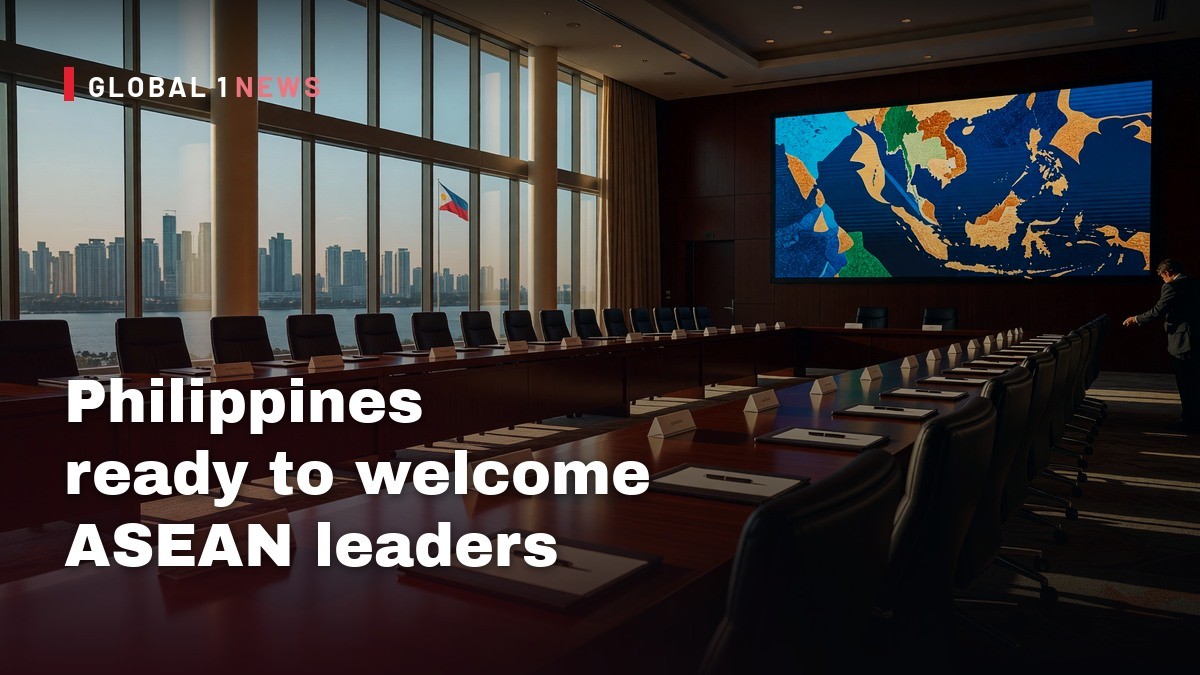
Manila is gearing up to host the 49th Association of Southeast Asian Nations (ASEAN) Summit and its related meetings from November 15 to 17, 2026. As the Philippines assumes the chairmanship of the ten‑member bloc, the nation will open its doors to heads of state and government, as well as key regional partners, in a series of high‑level engagements that aim to strengthen collective capacity amid a turbulent global environment. For ordinary Filipinos, the summit is more than a diplomatic showcase; it is a reminder that decisions made within the conference halls can ripple through barangays, sari‑sari stores, and the daily lives of overseas Filipino workers (OFWs) who watch closely how regional stability impacts their livelihoods.
Opening Ceremonies at the Philippine International Convention Center
The opening ceremony on November 15 will be held at the Philippine International Convention Center (PICC), a venue that has become synonymous with the country’s diplomatic milestones. President Ferdinand Marcos Jr., who chairs this year’s summit, will lead the inaugural session, signaling the Philippines’ commitment to a collaborative ASEAN agenda. The ceremony will set the tone for the ensuing plenary and retreat sessions, where leaders will assess the achievements of the Philippines’ chairmanship and chart a path forward.
Beyond the pomp and protocol, the event offers a glimpse of how the Philippines plans to leverage its chairmanship to address pressing issues such as the ongoing crisis in Myanmar. For many Filipinos, especially those in Mindanao who have felt the spill‑over effects of regional instability, the summit’s focus on peace and security carries personal significance.
Plenary Sessions: Reviewing Chairmanship Achievements
During the plenary, ASEAN leaders will take stock of the Philippines’ chairship achievements. While the source material does not list specific initiatives, the very act of reviewing past efforts underscores a collective desire to build on successes and learn from setbacks. The discussions will also explore ways to bolster ASEAN’s collective capacity to confront emerging regional and global challenges.
One of the key topics on the agenda is the situation in Myanmar. The summit will feature a representation from Myanmar’s Foreign Ministry—specifically the Director‑General of its ASEAN Affairs Department—highlighting the bloc’s ongoing engagement with the troubled nation. For Filipino families with relatives in Myanmar or those who have witnessed the humanitarian fallout, the dialogue offers a glimmer of hope for a peaceful resolution.
Interface Meetings: Bridging Leaders and the People
In a move that underscores ASEAN’s commitment to inclusive governance, the summit will host interface meetings with parliamentarians, the business community, and the youth. These sessions provide a platform for lawmakers and entrepreneurs to voice concerns and propose solutions that resonate at the grassroots level. For the Philippines, where the Senate and House of Representatives are keenly watching the outcomes, such interactions can translate into legislative priorities that address trade, employment, and social welfare.
The youth component is especially significant. With the Philippines’ median age hovering in the mid‑twenties, engaging young Filipinos in regional discourse ensures that the next generation of leaders is attuned to ASEAN’s vision. Programs that connect students from barangays to the summit’s deliberations can foster a sense of bayanihan that transcends national borders.
Regional Leaders Joining President Marcos
President Marcos will be joined by leaders from Brunei Darussalam, Cambodia, Lao PDR, Indonesia, Malaysia, Singapore, Thailand, Timor‑Leste, and Vietnam. Their presence reflects the unity of the ten ASEAN member states as they confront shared challenges. While the source material does not detail each leader’s agenda, the collective attendance signals a willingness to cooperate on issues ranging from trade to security.
For Filipino traders and small‑scale exporters, the summit’s outcomes could mean expanded market access within the ASEAN Economic Community. Likewise, the agricultural sector, which supplies many sari‑sari stores across the archipelago, stands to benefit from regional initiatives that aim to streamline cross‑border logistics.
Dialogue Partners: Expanding the Circle of Cooperation
Beyond the core ASEAN members, the summit will host “Plus One” summits with dialogue partners, including Australia, China, India, Japan, New Zealand, the Republic of Korea, Russia, the United Nations, and the United States of America. Leaders from these nations will co‑chair the related summits alongside President Marcos, underscoring the Philippines’ role as a bridge between Southeast Asia and the broader international community.
This expanded dialogue is crucial for the Philippines, whose economy is deeply intertwined with global supply chains. Engagements with partners like the United States and Japan can influence foreign aid, investment, and security assistance—factors that directly affect the livelihoods of OFWs and the resilience of local economies in provinces such as Batangas and Davao.
Guest Remarks: Brazil, Canada, and the IMF
The plenary will also feature remarks from the leaders of Brazil and Canada, as well as a representative from the International Monetary Fund (IMF). Their participation signals the global dimension of the summit’s agenda, linking ASEAN’s regional concerns with broader economic and development priorities. While the source material does not specify the content of their speeches, the presence of these guests highlights the importance of external perspectives in shaping ASEAN’s policy direction.
For Filipinos, especially those in the banking and finance sectors, insights from the IMF can inform monetary policies that affect inflation, remittance flows, and credit availability. Meanwhile, remarks from Brazil and Canada may open avenues for South‑South and North‑South cooperation, potentially benefiting sectors such as agriculture, education, and technology.
Looking Ahead: What the Summit Means for the Filipino People
As the Philippines hosts the ASEAN Summit, the spotlight is on how regional cooperation can translate into tangible benefits for ordinary citizens. From securing safer trade routes that protect the livelihood of jeepney drivers transporting goods, to fostering educational exchanges that broaden opportunities for Filipino students, the outcomes of the summit will reverberate across the nation.
Moreover, the summit’s emphasis on addressing the Myanmar crisis and other emerging challenges reflects a collective resolve to uphold human rights and democratic values—principles that resonate deeply with the Filipino spirit of bayanihan and justice. As the Philippines chairs ASEAN this year, the hope is that the deliberations will yield concrete actions that strengthen regional stability, boost economic growth, and safeguard the welfare of every Filipino, whether at home in a barangay or abroad as an OFW.
This article was produced with AI-assisted research and editorial support. Reporting is based on the source material cited below. Sources: Philstar.com; Global1.News (12 November 2026).
By Bella Reyes, Staff Writer
What's Your Reaction?
 Like
0
 Dislike
0
 Love
0
 Funny
0
 Wow
0
 Sad
0
 Angry
0

Philippines/Southeast Asia Correspondent at Global1.News. Manila-based journalist covering Philippine politics, environment, maritime security, and social issues. Passionate about marine conservation and the communities protecting the Philippines' natural heritage.















Comments (0)