
Pyeongtaek Chemical Fire Exposes Korea's Safety Gaps
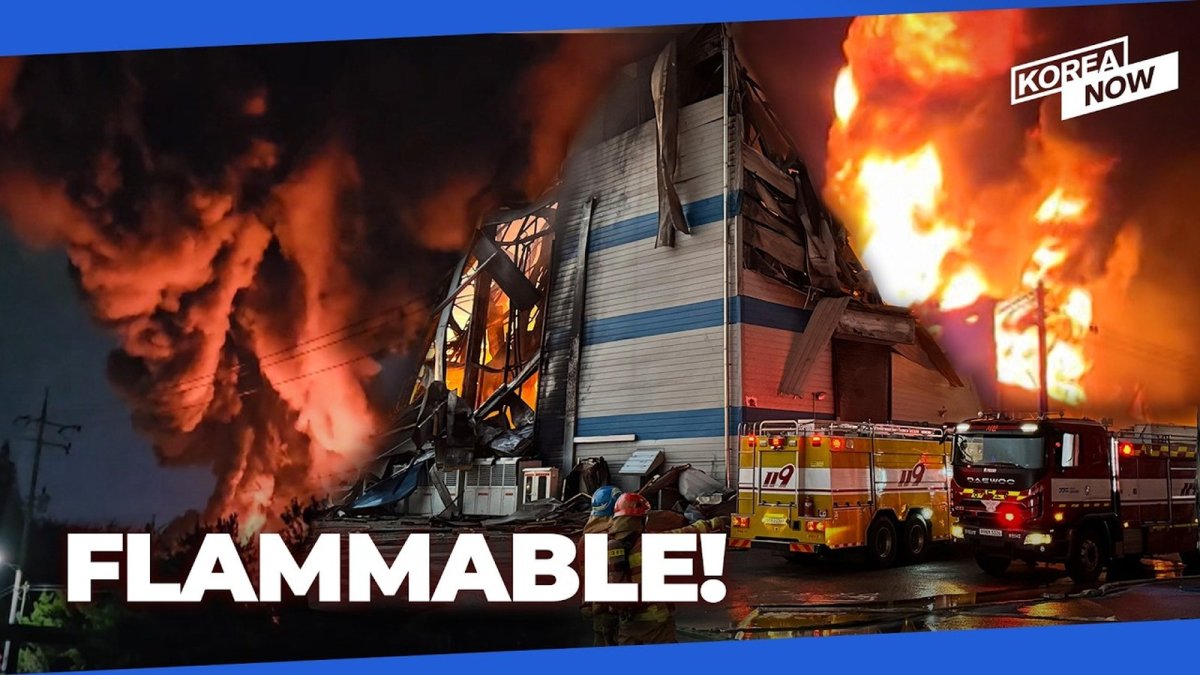
The thick, acrid plume of smoke that rose over Pyeongtaek on Tuesday was a stark reminder of the volatile intersection where South Korea's industrial ambition meets its security imperatives. A massive blaze at a chemical storage warehouse, which burned for nearly 21 hours, was fully extinguished by 9:17 p.m. on August 11, according to the Gyeonggi Province firefighting headquarters.
The thick, acrid plume of smoke that rose over Pyeongtaek on Tuesday was a stark reminder of the volatile intersection where South Korea's industrial ambition meets its security imperatives. A massive blaze at a chemical storage warehouse, which burned for nearly 21 hours, was fully extinguished by 9:17 p.m. on August 11, according to the Gyeonggi Province firefighting headquarters. While no casualties were reported, the incident—which involved over 1.9 million liters of hazardous chemicals—has reignited urgent questions about the enforcement of safety regulations in a country that has repeatedly vowed to learn from past industrial disasters.
Pyeongtaek Chemical Fire Exposes Korea's Safety Gaps
Seoul, South Korea – August 13, 2026 — The fire, which broke out at 12:03 a.m. at a single-story logistics facility in Tojin-ri, Cheongbuk-eup, was declared under initial control at 9:08 a.m. and fully extinguished by evening. The National Fire Service issued a national mobilization order at 3:39 a.m., deploying 255 personnel and 95 pieces of equipment, including resources from neighboring regions. The response stage was lowered from stage 2 to stage 1 at 5:16 a.m., and the mobilization order was lifted around 11 a.m. As the embers cooled, the focus has shifted from firefighting to forensic investigation—and to the broader systemic vulnerabilities this near-catastrophe has exposed.
The Blaze and the Response
The incident began with a silent alarm. An automatic fire detection system installed in the warehouse reported the fire at approximately 12:03 a.m., triggering a response that would eventually span nearly a full day. The facility, operated by logistics company PJK, stored more than 1.9 million liters of chemicals, including flammable liquids and fourth-class dangerous substances such as special phosphorus and petroleum products. Over 100 types of hazardous materials were housed within the 937-square-meter structure, which was one of seven buildings in the complex. Fire authorities escalated the response rapidly, recognizing the potential for a catastrophic chain reaction. "As a result of focusing on preventing the blaze from expanding to nearby warehouses and facilities, we were able to stop the blaze from growing," a firefighting official said. The strategy of containment—rather than direct assault on the burning chemicals—proved effective, limiting damage to two of the seven structures. The fire was declared under initial control at 9:08 a.m., and the national mobilization order was lifted around 11 a.m., though crews continued to battle hotspots until the evening. The political response was swift and high-level. Prime Minister Han Seong-sook ordered fire authorities to fully mobilize all available personnel and equipment, while Minister of Public Administration and Security Yun Ho-jung directed the Fire Department, local governments, and police to prioritize extinguishing the blaze and searching for potential victims. Pyeongtaek city issued disaster text messages urging residents to close windows, refrain from going out, and detour around the area—a familiar ritual for communities living near industrial zones.A Warehouse Full of Hazardous Materials
The scale of the chemical inventory at the PJK warehouse raises immediate concerns about regulatory oversight. The facility contained over 100 types of hazardous materials, including substances classified under South Korea's Chemicals Control Act as fourth-class dangerous goods. The sheer volume—1.91 million liters—suggests a logistics hub of significant strategic importance to regional supply chains, yet the concentration of such materials in a single, relatively modest structure highlights the density of risk that characterizes Korea's industrial logistics corridors. Under the Chemicals Control Act, facilities storing hazardous substances are subject to regular inspections and must maintain robust safety management plans. However, the Pyeongtaek incident echoes a pattern seen in previous accidents: the gap between regulatory intent and on-the-ground enforcement. The warehouse's automatic detection system functioned as designed, but the fact that such a large quantity of diverse chemicals was stored in a single facility—with the potential for incompatible substances to interact—suggests that risk assessment protocols may not have adequately accounted for the complexity of the inventory. Fire authorities have announced plans to investigate the exact cause of the blaze and the extent of the damage. This investigation will be critical not only for determining liability but also for assessing whether the facility's safety management systems complied with legal requirements. The outcome will likely influence pending legislative debates on strengthening penalties for safety violations and expanding the scope of mandatory inspections for logistics warehouses.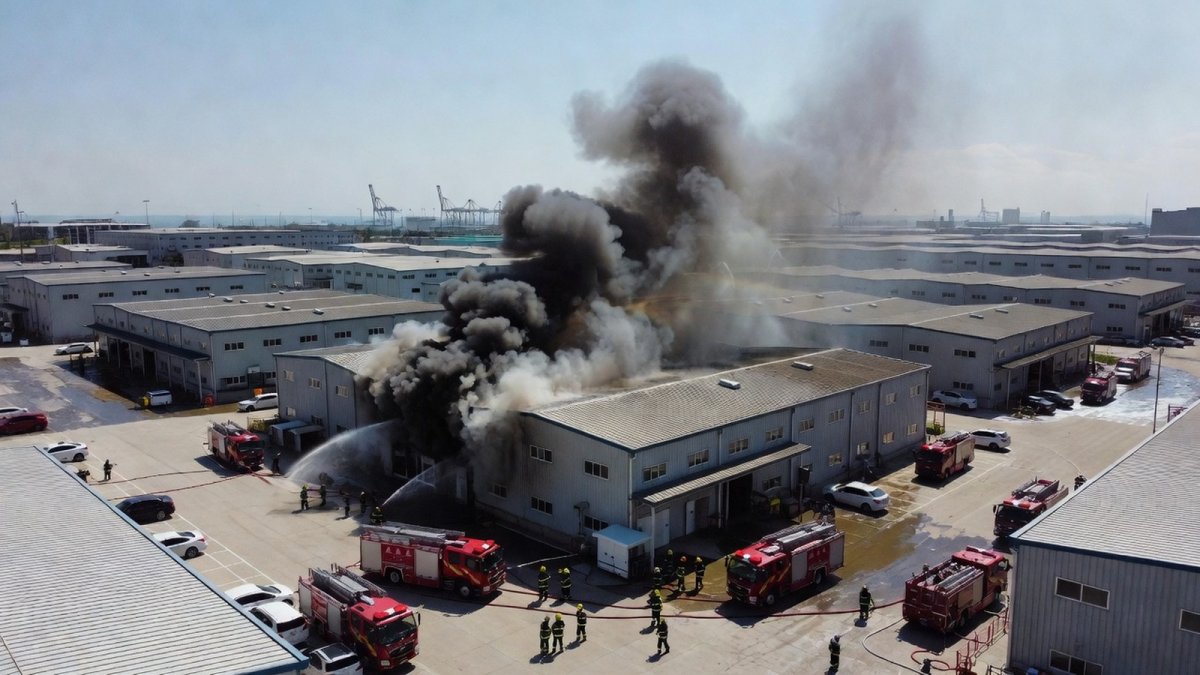
Pyeongtaek's Dual Identity: Industrial Hub and Alliance Anchor
The fire's location adds a layer of geopolitical significance that extends far beyond the immediate industrial safety concerns. Pyeongtaek is not merely a logistics and manufacturing hub; it is the home of Camp Humphreys, the largest American military base outside the United States. Spanning 1,372 hectares with nearly a thousand buildings, Camp Humphreys hosts a population of roughly 41,000, including US service members, families, and Korean employees. It serves as the headquarters for United States Forces Korea (USFK), the clearest physical expression of the US-ROK alliance that has underpinned stability on the Korean peninsula since the 1953 armistice. The proximity of a high-risk chemical storage facility to this critical military installation raises questions about land-use planning and emergency preparedness. While the fire did not threaten the base directly, the potential for a large-scale chemical release—had the blaze spread or triggered a toxic gas cloud—would have posed a significant risk to the surrounding population, including USFK personnel and their families. The incident underscores the complex challenge of managing industrial development in a region where strategic military assets and dense civilian infrastructure coexist. The alliance itself is navigating a period of strain, with trade tensions and security debates creating what Mason Richey of Hankuk University of Foreign Studies describes as "reliability and credibility issues" that are "worse than they were before." While the fire is unlikely to directly affect alliance dynamics, it serves as a reminder that the security environment extends beyond traditional military threats to include industrial accidents, natural disasters, and other non-traditional risks that require coordinated response mechanisms between Korean authorities and USFK.Korea's Chemical Safety Record Under Scrutiny
South Korea's industrial safety record has been marred by a series of high-profile chemical accidents that have repeatedly triggered national debate over enforcement of the Chemicals Control Act and occupational safety laws. The 2012 Gumi hydrofluoric acid gas leak, which killed five workers and injured dozens, exposed significant gaps in emergency response and community notification systems. The 2018 Seongseo industrial fire, which claimed lives and caused extensive property damage, further highlighted the dangers of inadequate safety management in industrial facilities. These incidents have led to legislative reforms, including strengthened penalties for safety violations and expanded requirements for risk assessments. However, the Pyeongtaek fire suggests that implementation remains uneven. The fact that a facility storing over 1.9 million liters of hazardous chemicals could experience a major blaze—even without casualties—points to persistent challenges in ensuring compliance across the logistics sector, which has grown rapidly with the expansion of e-commerce and supply chain diversification. The response to the Pyeongtaek fire was notably more effective than in previous incidents, with rapid mobilization and successful containment. This improvement reflects investments in firefighting capabilities and emergency response systems since the Gumi disaster. Yet, the incident also reveals that prevention remains the weakest link. The question is not whether firefighters can respond effectively—they demonstrated that they can—but whether regulators and companies are doing enough to prevent such incidents from occurring in the first place.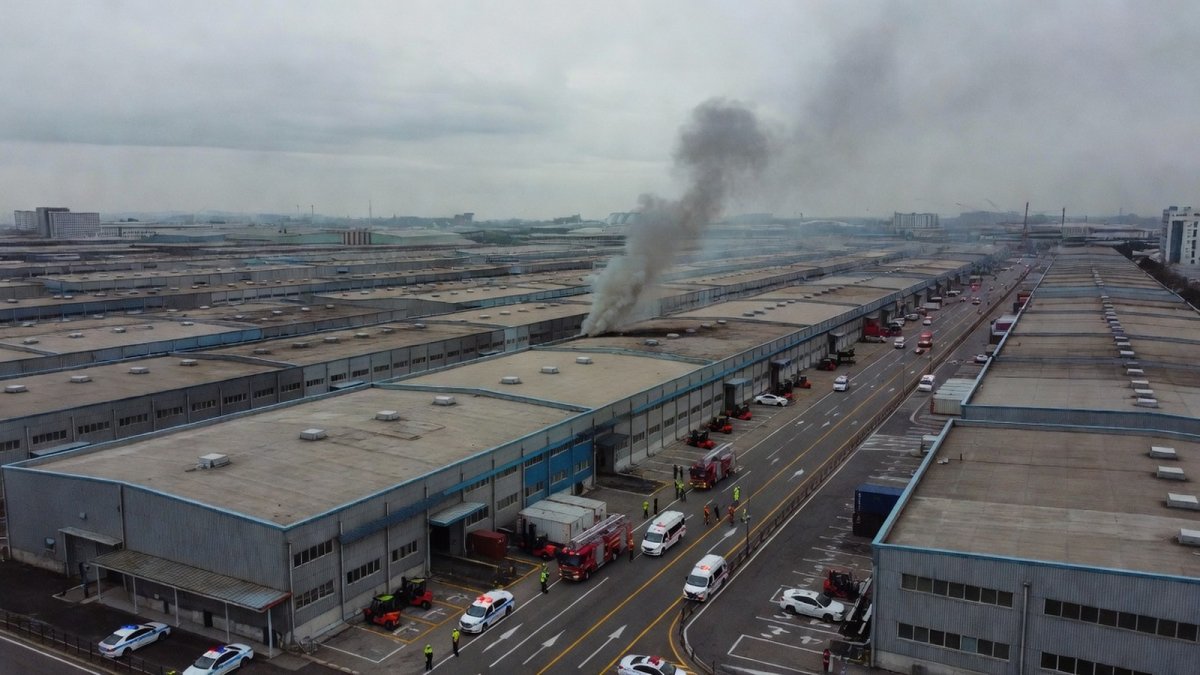
Policy Implications for Hazardous Materials Governance
The Pyeongtaek fire provides a compelling case study for policymakers grappling with the challenge of regulating hazardous materials in an era of complex supply chains. Several policy implications emerge from this incident. First, there is a clear need for enhanced risk-based inspection protocols that prioritize facilities based on the quantity and diversity of hazardous materials stored, rather than relying on uniform inspection schedules. The concentration of over 100 types of chemicals in a single warehouse suggests that current risk assessment frameworks may not adequately capture the potential for complex interactions. Second, the incident highlights the importance of land-use planning that accounts for the proximity of hazardous facilities to sensitive sites, including military installations, residential areas, and critical infrastructure. While Pyeongtaek's development as an industrial and logistics hub has brought economic benefits, the concentration of risk in a single area demands more sophisticated emergency planning and cross-jurisdictional coordination. Third, the response to this fire demonstrates the value of investing in firefighting capabilities and inter-agency coordination. The national mobilization order, which enabled the deployment of resources from across the region, was instrumental in containing the blaze. Maintaining and enhancing these capabilities should remain a policy priority, even as attention focuses on prevention. Finally, the incident underscores the need for transparency and community engagement. The disaster text messages sent by Pyeongtaek city were an important step, but residents living near industrial zones deserve more comprehensive information about the risks they face and the measures in place to protect them. Building trust between communities, companies, and regulators is essential for effective risk governance.Looking Ahead
As fire authorities begin their investigation into the cause of the Pyeongtaek blaze, the broader implications for South Korea's hazardous materials governance are already clear. The near-disaster—prevented by rapid mobilization and effective containment—serves as both a warning and an opportunity. It is a warning that the gaps in safety enforcement that have plagued Korea's industrial sector remain unresolved, despite years of legislative reform and public outcry. It is an opportunity to translate the lessons of this incident into concrete policy changes that strengthen prevention, enhance response capabilities, and build a more resilient safety culture. For Pyeongtaek, a city that embodies the dual imperatives of economic development and national security, the fire is a reminder that these two goals are not always in harmony. The presence of Camp Humphreys and the concentration of industrial facilities in the same region create a unique risk profile that demands exceptional standards of safety management and emergency preparedness. The challenge for policymakers is to ensure that the lessons of this near-disaster are not forgotten, but rather institutionalized in ways that protect both the people and the strategic interests that depend on this critical region. The investigation will take time, and the full extent of the damage—both physical and economic—remains to be assessed. But the conversation about what this fire reveals about South Korea's approach to hazardous materials regulation has already begun. It is a conversation that should not end with the extinguishing of the last embers.By Prof. David Park, Staff Writer
This article was produced with AI-assisted research and editorial support. Reporting is based on sources cited in the article.
What's Your Reaction?
 Like
0
Like
0
 Dislike
0
Dislike
0
 Love
0
Love
0
 Funny
0
Funny
0
 Wow
0
Wow
0
 Sad
0
Sad
0
 Angry
0
Angry
0

East Asia/Technology Correspondent at Global1.News. Seoul-based voice covering Korean politics, technology, business, and culture. Analyzes how technology and geopolitics intersect across East Asia.












Comments (0)