
Petrol, diesel prices today: Check rates in Delhi, Mumbai, Noida and other cities on November 28
Petrol and diesel rates across India’s major metros showed only modest movement on 28 November 2026, with a few northern cities even seeing price cuts.
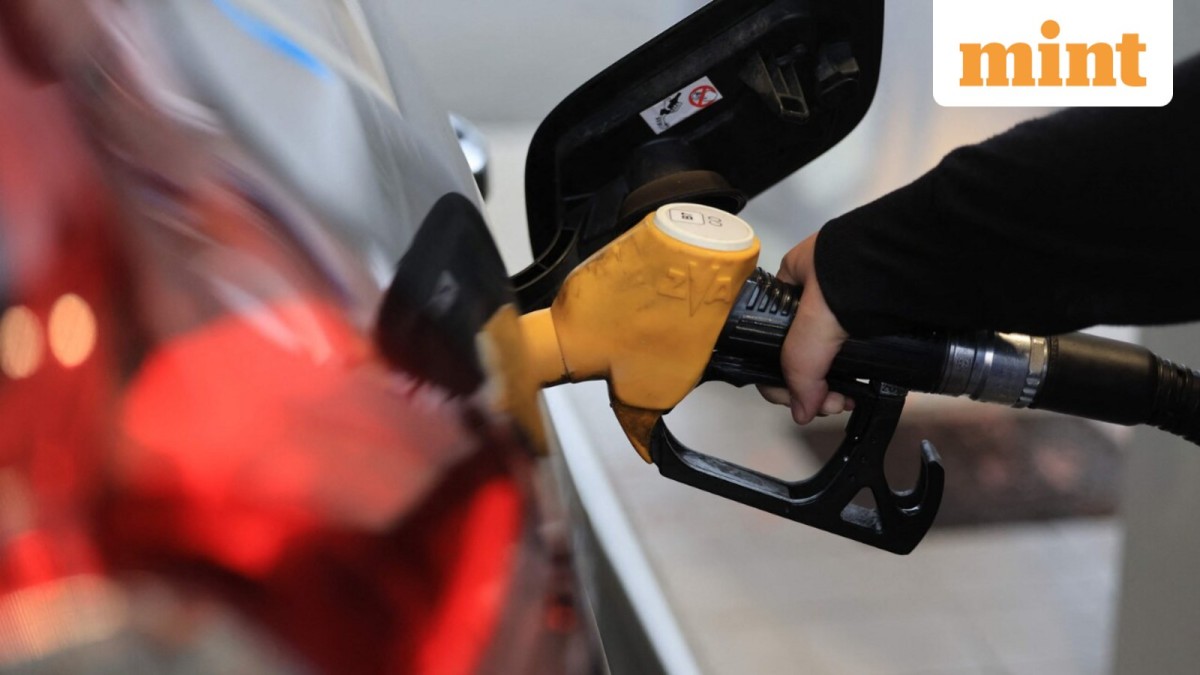
Petrol and diesel rates across India’s major metros showed only modest movement on 28 November 2026, with a few northern cities even seeing price cuts. While Gurgaon and Noida recorded small reductions in both fuels, the southern capital of Thiruvananthapuram witnessed a marginal rise in diesel. These micro‑fluctuations occur against a backdrop of heightened geopolitical tension in the Middle East, volatile crude markets and an estimated annual fiscal burden of ₹ 6‑7 lakh crore on the Indian economy due to high energy imports.
Price movements in the north: Gurgaon and Noida lead the dip
Data from Goodreturns indicate that petrol in Gurgaon fell by ₹ 0.20 per litre to ₹ 102.77, while the same fuel in Noida slipped by ₹ 0.16 to ₹ 101.96. Diesel mirrored this trend, with both cities posting a ₹ 0.20 reduction in Gurgaon and a ₹ 0.12 cut in Noida, each settling at ₹ 95.44 per litre. The uniformity of the diesel price in both locations suggests a coordinated adjustment by local distributors, possibly reflecting short‑term supply dynamics rather than a structural shift.
For policymakers, these modest declines offer a brief respite for commuters but do not alter the broader trajectory of fuel pricing, which remains tethered to global crude trends and the Indian government's import dependency. The limited scale of the cuts—well under ₹ 1 per litre—means that any immediate consumer relief is marginal, especially for lower‑income households for whom fuel costs constitute a sizable share of monthly expenditures.
Southern uptick: Thiruvananthapuram’s diesel edge
In contrast, Thiruvananthapuram’s diesel price rose by a single rupee paise to ₹ 104.41 per litre. While the increase is numerically trivial, it underscores regional variations in price transmission, often driven by state‑level taxes, distribution logistics and local demand patterns. Kerala’s higher diesel price relative to the north reflects its heavier reliance on diesel‑powered transport and a comparatively tighter supply chain.
This isolated rise also highlights the challenge for national regulators seeking uniform price stability across disparate markets. The state’s transport policies, which include a higher proportion of diesel‑run public buses, may amplify the impact of even minimal price shifts on household budgets and state transport subsidies.
Global oil volatility: Middle East attacks and market reactions
Internationally, crude oil markets remained unsettled as Iran‑backed Houthi militants targeted Saudi Arabia’s Jazan refinery and earlier struck the Ras Tanura export hub. These incidents, coupled with ongoing attacks on tankers in the Strait of Hormuz, have kept supply‑risk premiums alive. Bloomberg reported that Brent crude slipped around 1 percent to near $95 per barrel, yet still posted a weekly gain, illustrating the market’s sensitivity to both immediate disruptions and longer‑term expectations.
Analysts such as Dennis Kissler of BOK Financial Securities note that traders remain wary of the Strait of Hormuz attacks, which continue to underpin a “bid under prices.” The persistence of these threats means that any price recovery in the Gulf is likely to be tentative, with market participants pricing in a risk premium that can quickly reverse on renewed hostilities.
OPEC’s output decisions and their domestic implications
Amid the geopolitical turbulence, OPEC’s upcoming meeting is a focal point for market watchers. The cartel is debating whether to maintain its existing output quotas through January, a decision complicated by internal divisions over sustainable production levels. Retaining quotas could help stabilise global supply, but any shift toward higher output would risk flooding the market and pressuring prices further down.
For India, OPEC’s stance directly influences the import bill. A decision to keep production tight would likely support crude prices, easing the fiscal strain on the Indian exchequer. Conversely, a move to increase output could exacerbate the already significant burden of energy imports, especially given the country’s reliance on imported crude and natural gas for power generation and transport.
Fiscal impact: Energy imports adding ₹ 6‑7 lakh crore to the budget
Tarun Kapoor, an adviser in the Prime Minister’s Office, warned that high crude oil and natural gas prices have added an estimated ₹ 6‑7 lakh crore annually to India’s financial burden. This figure, presented at the 16th Energy Security Conference organised by the Confederation of Indian Industry, underscores the macro‑economic pressure exerted by volatile energy costs.
The scale of this burden is stark when juxtaposed with India’s import data: 122.7 million tonnes of crude oil were brought in during the first half of the 2026‑27 financial year, a slight rise from 121.8 million tonnes in the same period a year earlier. Even a modest increase in import volumes translates into a substantial fiscal outflow, given the prevailing global price environment.
Policy response: Accelerating the shift to electric mobility
Kapoor’s remarks also called for a structural shift toward electric vehicles (EVs) in both freight and passenger transport. By reducing reliance on imported fossil fuels, EV adoption could mitigate exposure to external price shocks and align with India’s broader climate commitments.
Implementing this transition will require coordinated action across multiple policy fronts: expanding charging infrastructure, incentivising domestic battery production, and revising fiscal measures such as excise duties on conventional fuels. The modest price cuts observed in Gurgaon and Noida, while temporarily welcome, cannot substitute for a long‑term strategy that decouples the Indian economy from volatile oil markets.
Looking ahead: Balancing short‑term relief with long‑term resilience
In the immediate term, the slight dip in northern fuel prices offers a fleeting respite for commuters and logistics operators. However, the underlying drivers—geopolitical risk in the Middle East, OPEC’s output deliberations and the persistent rise in India’s import bill—suggest that price stability will remain elusive.
For India’s policymakers, the challenge is twofold: managing the short‑run volatility that affects household budgets and transport costs, while simultaneously pursuing structural reforms that reduce import dependence. Strengthening domestic refining capacity, expanding renewable energy generation, and accelerating EV adoption are critical levers. As the global oil market teeters between surplus expectations and supply‑risk premiums, India’s ability to insulate its economy from external shocks will hinge on how swiftly and decisively these policy measures are implemented.
This article was produced with AI-assisted research and editorial support. Reporting is based on the source material cited below. Sources: Livemint; livemint.com; Global1.News (29 November 2026).
By Dr. Raj Patel, Staff Writer
What's Your Reaction?
 Like
0
 Dislike
0
 Love
0
 Funny
0
 Wow
0
 Sad
0
 Angry
0

India/South Asia Correspondent at Global1.News. Analytical voice with a background in science and health journalism. Based in New Delhi, covering Indian politics, education, healthcare, technology, and policy. Breaks down complex data into clear, actionable reporting.












Comments (0)