
Netflix Viewers Face a £180 BBC Licence Fee, and a Government That Won't Call It a Decision
The Sunday Times reports that streaming subscribers would pay the £180 BBC licence fee from 2028 at the earliest, but the government says no final decisions have been made and critics call it an unfair second bill.
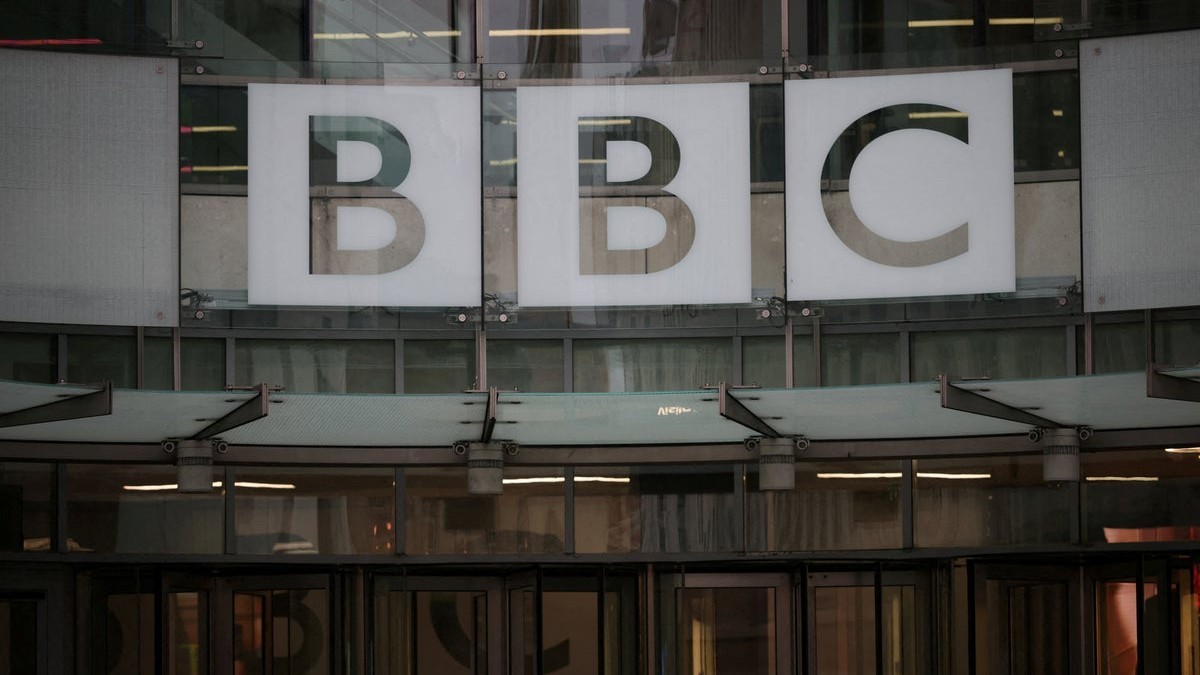
The Sunday Times reported late on Saturday that streaming subscribers will have to pay the BBC licence fee even if they never watch the BBC. The Culture Secretary is said to plan the announcement before Christmas. The Department for Digital, Culture, Media and Sport says no final decisions have been made.
Netflix Viewers Face a £180 BBC Licence Fee, and a Government That Won't Call It a Decision
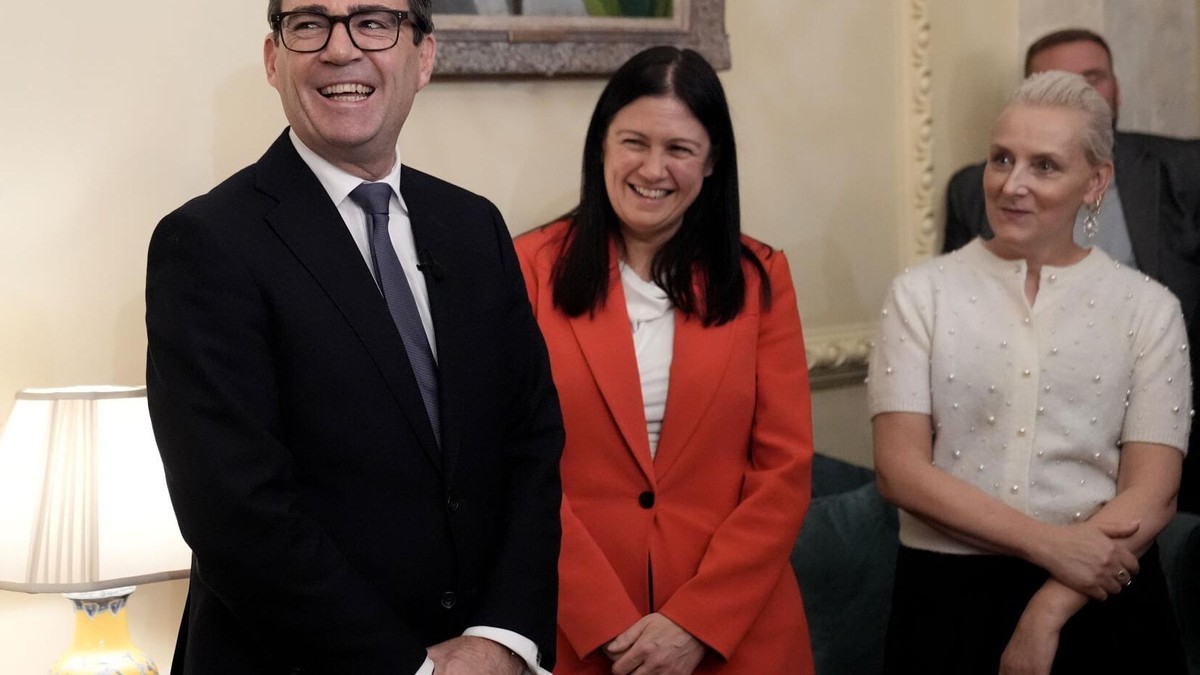
London — The Sunday Times front page of 29 November carries a plan to charge the £180-a-year licence fee to subscribers of Amazon Prime Video, Disney+, Discovery+, Paramount+, NOW and HBO Max, on top of what they already pay. The report, by Ben Riley-Smith and William Turvill, says the change would be announced by Lisa Nandy before Christmas and would not take effect until 2028 at the earliest. The government says nothing is settled.
What the Sunday Times Reported
The paper's front page reads "Netflix viewers to be charged BBC licence fee," and its report describes the overhaul as the biggest in 80 years. The Daily Mail called it "the largest shake-up of the licence fee in eight decades."
A Whitehall source told the Sunday Times: "The BBC is a vital national asset. If we do nothing, your options are slow death or quick death." The source added: "For it to survive, you need to put it on a firm financial footing. That is what we will choose."
The Mail reported that ministers will argue the fee secures the BBC's finances for the long term, and that there are currently no plans to lower it to make the package more palatable. It reported that Nandy has dismissed bolder alternatives: a charge added to every household bill, which BBC bosses had lobbied for, and a subscription-based model. Ministers are still weighing whether to decriminalize non-payment, with no change expected.
The Platforms on the List, and the Ones Left Off
The paid streamers are on the reported list. YouTube, Instagram and TikTok would be exempt, as would BBC radio and the BBC news website — an exemption the Mail attributed to the fact that people usually watch YouTube for free and most of its content is made by its users.
That carve-out is contested. A source at one streaming company asked iNews how YouTube could be left out, noting it has a greater share of viewing than any of the streamers according to Barb figures, while most of its audience watches for free on the advertiser-supported site.
The Sunday Times reported that the £180 fee is almost double the £95 a year that entry-level Netflix or Amazon Prime costs. Currently a licence is required by law for watching and recording live TV, using BBC iPlayer, and watching live TV on any streaming service. On-demand drama on Netflix is not covered.
The Government's Answer: No Final Decisions
A spokesperson for the Department for Digital, Culture, Media and Sport told the BBC: "Through Charter Review, we are looking at a range of options, including how the licence fee could be reformed, but no final decisions have been made."
A government response to a petition, published 2 November, said: "The Government is keeping an open mind on the future funding of the BBC and no decisions have been taken at this stage." Ministers were still considering answers to the public consultation on the Green Paper.
Giving evidence to the Culture, Media and Sport Committee, Nandy listed what the government has ruled out: "a levy on streaming companies," general taxation, and "a new tax on households." She said the Green Paper committed to retaining a reformed licence fee, and told BBC Radio 4's Today program: "You can either allow the BBC to go into a period of managed decline, or you can ask people to pay more… so we're looking at all options."
The Distinction Most Coverage Blurs
A levy on streaming companies and an extension of the licence fee's scope are not the same policy, and the difference matters tonight. Nandy ruled out the first. Asked at the committee whether she was considering expanding the scope to include watching content from streamers and video-sharing platforms, she said: "That is one of the options under consideration."
She has been careful about the second. "I am treading with care here, because we genuinely have not made the decision about this, and there are genuinely no easy solutions to it," she told the committee. On Today she said: "I can tell you, hand on heart, that we have made no decisions about this."
What exists is a report of a planned announcement, not published policy. iNews reported that with weeks to the Christmas deadline the final points of a deal are still being agreed, and that a "YouTube tax" on viewers of on-demand programming is said to be the favored option — a phrase that sits awkwardly beside the reported YouTube exemption.
What the Money Would Actually Do
The arithmetic behind the leak is a slow bleed. The BBC says licence fee income fell 26 per cent in real terms between 2017 and 2025. The Telegraph reported that 23.3 million licences were bought, down 539,000 in a year and almost two million in five. The BBC's own argument is that 94 per cent of households use its services while only 80 per cent pay.
Reset Tech, a public policy organization, projects that the paying share falls from about 80 per cent to 40 per cent by 2038. Office for Budget Responsibility analysis cited by The Independent has 2.7 million people stopping payment by 2031/32, pushing the fee from £180 to £202, and the same paper reported that up to four million households could be pulled back in by a streaming extension.
The BBC spent £190 million collecting the licence fee last year.
The £150 Promise, and Why It Is Only a Model
Ampere Analysis, in research published on 23 November, modeled extending the licence to streaming and on-demand services at the current price. Its most optimistic case adds up to £1.6 billion a year for the BBC by 2032 — but only with "perfect enforcement," which Ampere itself calls unlikely. If evasion stays at today's 12.5 per cent, the gain is about £1 billion a year.
The same model says a wider paying base could let the fee fall from £180 to £150 in 2028, a cut of 17 per cent, with BBC income held flat in real terms. No minister has promised that. Ampere's Sam Khoury told The Times the government "could opt to reduce the price of the licence fee payable by the extended pool of consumers."
Ampere's Richard Broughton called bringing streamers into scope "one of the 'least bad' options on the table."
The Tories, Reform and the Cost-of-Living Trap
Rebecca Paul, the Conservative shadow culture secretary, told The Times: "The prime minister talks endlessly about giving hardworking families breathing space." She added: "Imposing yet another bill on millions of households makes a mockery of that aim."
Kevin Hollinrake, the Conservative Party chairman, called the plan "wholly unfair," saying: "Households that switched off and went to Netflix and YouTube will now be billed and public service has quietly become a subscription you cannot cancel." Ben Obese-Jecty, a Conservative MP and shadow minister, called extending the fee to streaming "a disgraceful over-reach," asking: "Why should customers pay twice?"
The Independent reported that both the Conservatives and Reform oppose the plan and want the BBC to look at a subscription model instead. Outside Westminster, Defund the BBC's Rebecca Ryan called it an "outrageous proposal," and Silver Voices director Dennis Reed warned against "a crude add-on for streaming families."
What Netflix and the Streamers Say
Netflix co-CEO Greg Peters has already put the industry's objection on the record: "Separating essentially what I watch and what I pay for feels like a significant market distortion." The Mail reported that streaming bosses have warned subscribers might cancel and that firms could respond by cutting investment in the UK.
The Social Market Foundation, whose paper on licence fee reform has informed Whitehall discussions, warned that a wider charge could price out viewers, "sharply curtail demand for those services," and provoke a "public backlash among younger audiences who may be aggrieved at having to pay for a licence to watch Netflix or YouTube."
Enforcement is the soft spot. BBC Director-General Matt Brittin has said applying the licence to streamers would be "difficult," even as he told MPs in July that the idea was "compelling in terms of extending [the licence fee scope] to reflect the reality of today's audiences." From 2 December, a CBeebies hub launches on Netflix itself — two dozen BBC pre-school shows, with Netflix co-funding new commissions.
The Washington Problem
President Donald Trump is suing the BBC for $10 billion for defamation over what he alleges was deceptive editing of his speech in a 2024 episode of Panorama. The Mail reported that a federal judge in Florida allowed the case to proceed this month.
The Mail also reported that Trump objected when the UK imposed a digital services tax on American tech giants, and that he could bring pressure to bear on the BBC over charging US streamers. The Social Market Foundation flagged the same risk, warning of a backlash from the administration if the change is "perceived as targeting US firms."
A spokesman for Republican Overseas UK said: "It sounds like the BBC is riding on the backs of the successful American private companies." He added: "The Trump administration is going to act in the best interests of American companies. This could complicate British-US relations."
What Happens Before Christmas
The BBC's Royal Charter expires at the end of 2027, and the renewed charter takes effect on 1 January 2028, according to TechRadar. A white paper setting out the government's plans is expected before Christmas. That timing, not the Sunday Times report, is what makes the next few weeks decisive.
The corporation is already cutting. It plans to save an additional £500 million by the end of the charter, including 2,000 layoffs, with 550 roles going across BBC News, TV and radio, and shows including Celebrity Mastermind and The World Tonight axed or paused. The National Audit Office warned that such cuts could drive viewers away and undermine the case for paying at all.
BBC Deputy Director-General Rhodri Talfan Davies put the mood plainly at a conference: "All I want for Christmas is a White Paper."
By Jessica Ali, Staff Writer
This article was produced with AI-assisted research and editorial support. Sources: The Sunday Times, BBC News, the Daily Mail, iNews, The Independent, The Telegraph, The Times, TechRadar, The National Pulse, Ampere Analysis and the Social Market Foundation. Photographs: Reuters (Broadcasting House); Stefan Rousseau/Pool via PA (10 Downing Street); Thomas Fuller/Getty Images via the Los Angeles Times (Disney+ on screen).
What's Your Reaction?
 Like
0
 Dislike
0
 Love
0
 Funny
0
 Wow
0
 Sad
0
 Angry
0

Editor-in-Chief at Global1.News. Atlanta-based journalist who cuts through the BS and tells it like it is. Lead anchor, host, and the voice you hear when the spin stops and the truth starts.











Comments (0)