
Perseid Meteor Shower Peaks Over Korea Under Moonless Skies
The Perseid meteor shower delivered one of its most spectacular displays in years over the Korean Peninsula this week, coinciding with a remarkable confluence of celestial events that underscores South Korea's rapidly maturing scientific infrastructure. The peak, calculated by the Korea Astronomy an
The Perseid meteor shower delivered one of its most spectacular displays in years over the Korean Peninsula this week, coinciding with a remarkable confluence of celestial events that underscores South Korea's rapidly maturing scientific infrastructure. The peak, calculated by the Korea Astronomy and Space Science Institute (KASI) to occur around noon on Thursday, August 13, fell during daylight hours, yet the preceding and following nights offered exceptional viewing conditions that captured public imagination and highlighted the nation's growing space ambitions.
Perseid Meteor Shower Peaks Over Korea Under Moonless Skies, Spotlighting Nation's Scientific Ascent
[Seoul, South Korea - August 16, 2026] - For three nights this week, from Wednesday, August 12 through the early hours of Friday, August 14, observers across South Korea turned their eyes skyward as the annual Perseid meteor shower reached its calculated maximum. The event, timed perfectly with a new moon on August 11, produced exceptionally dark skies that astronomers described as the finest Perseid viewing opportunity since 2024 and the best expected until 2028. Beyond the spectacle itself, the occasion provided a compelling demonstration of how far South Korea has come in building both its astronomical observation infrastructure and its broader spacefaring capabilities.
The Astronomical Confluence: A Moonless Peak
The timing of this year's Perseid maximum presented a curious challenge for Korean stargazers. According to the Korea Astronomy and Space Science Institute, the calculated peak occurred around noon on Thursday, August 13, Korea time - squarely in the middle of the day when no meteors could be observed. This quirk of orbital mechanics, however, proved to be a blessing in disguise. The International Meteor Organization estimated that under ideal dark-sky conditions, observers could expect up to 100 meteors per hour at the shower's zenithal hourly rate. The new moon on August 11 ensured that moonlight would not interfere with visibility, creating what many astronomers consider the optimal conditions for meteor observation.
The practical viewing windows therefore fell on Wednesday night into early Thursday morning, and again on Thursday night into early Friday morning. During these periods, the radiant point in the constellation Perseus climbed higher in the northeastern sky, allowing Korean observers to witness the shower's full effect. KASI officials advised that the best approach was to find dark, open areas away from urban illumination, recline on a chair or mat, and direct one's gaze toward the zenith with a wide field of view. The naked eye, they emphasized, remains the most effective instrument for meteor watching, as it captures the broad sweep of sky where these fast-moving particles leave their luminous trails.
The Science of the Perseids
The Perseid meteor shower is a recurring astronomical phenomenon with a well-understood physical basis. The shower occurs when Earth passes through the debris trail left by Comet Swift-Tuttle, a periodic comet with an orbital period of approximately 133 years. As these dust fragments - some no larger than grains of sand - collide with Earth's atmosphere at speeds exceeding 200,000 kilometers per hour, they vaporize in brilliant streaks of light. The apparent point from which these meteors radiate lies in the constellation Perseus, giving the shower its name, though the meteors themselves can appear anywhere in the sky.
The shower recurs annually from mid-July through late August, with the Earth encountering the densest portion of the debris stream in mid-August. For South Korea, the Perseids hold particular significance as a gateway event for public engagement with astronomy. KASI, which operates the Bohyeonsan Observatory among other facilities, has consistently used such predictable celestial events to promote scientific literacy and encourage public participation in observational science. The institute's guidance for this year's viewing emphasized accessibility - no specialized equipment required, only patience, dark skies, and a willingness to look upward. This pedagogical approach reflects a broader national strategy to cultivate interest in space science among the general population, particularly younger generations who will constitute the future workforce for Korea's expanding space sector.
Observing Culture and Public Science Engagement
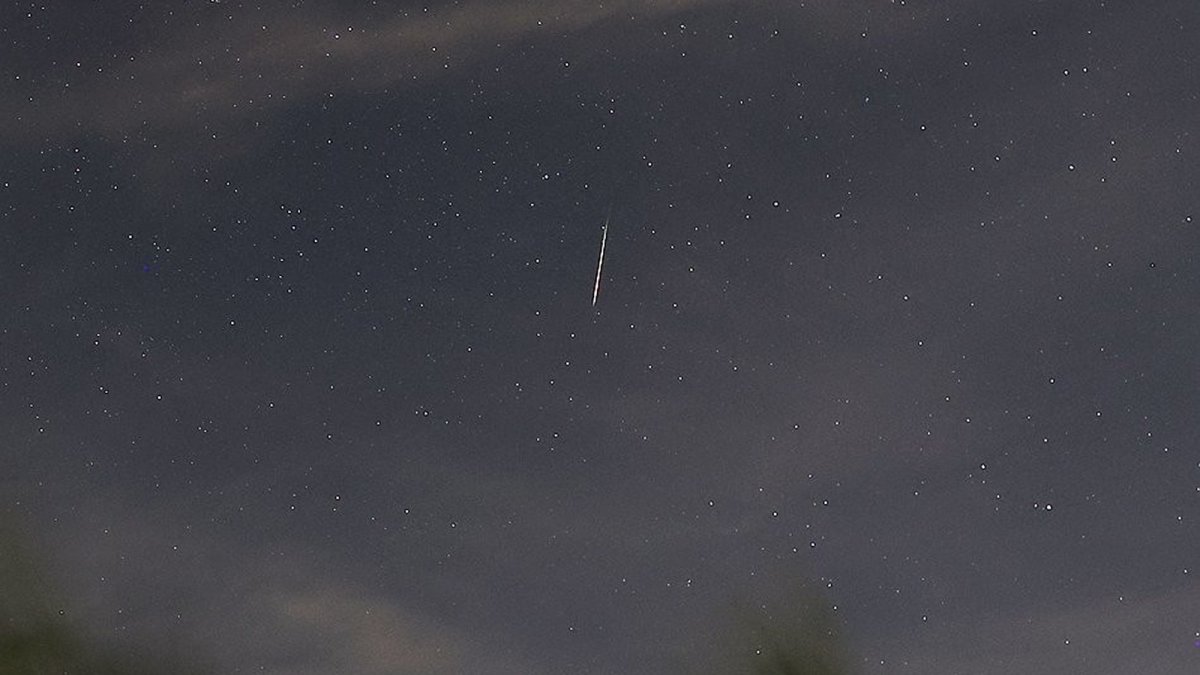
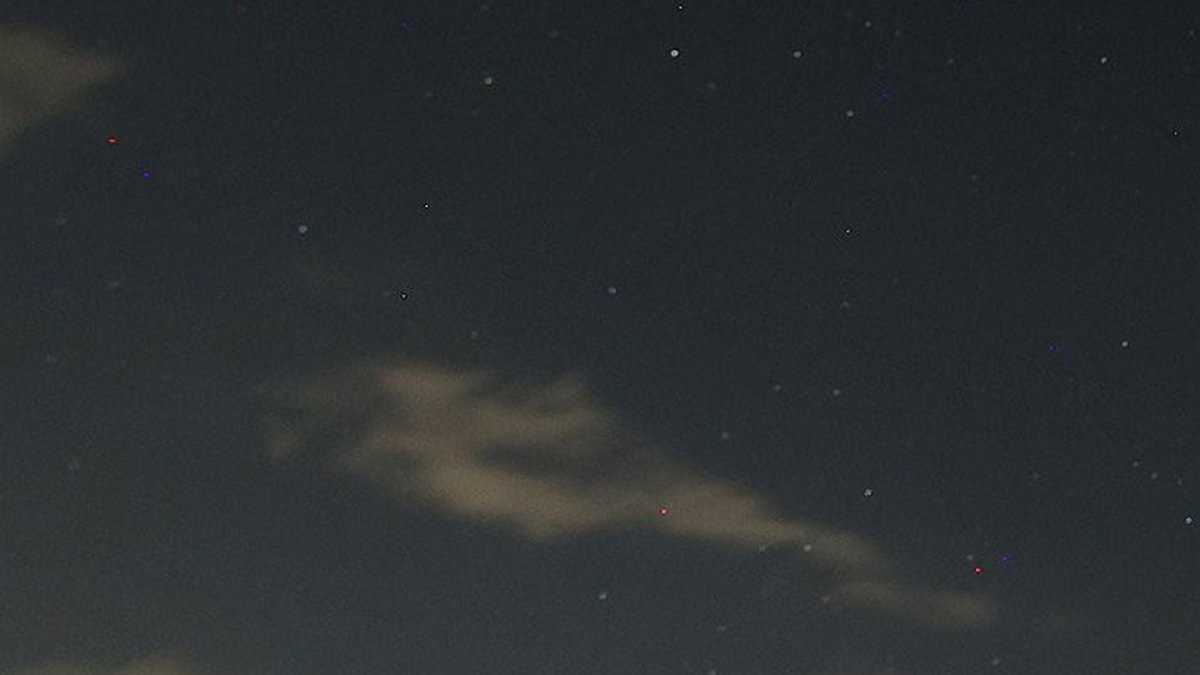
The public response to this year's Perseid display demonstrated the maturation of Korea's observational culture. The Gwacheon National Science Museum, a key institution in the nation's science education infrastructure, livestreamed the meteor shower on YouTube beginning Wednesday at 10 p.m., allowing those in urban areas or under cloudy skies to participate virtually. This digital engagement strategy reflects a sophisticated understanding of how to reach audiences beyond the traditional astronomy enthusiast community. Meanwhile, Yonhap News Agency photographers captured striking imagery of shooting stars above Seokmo Island off Incheon, west of Seoul, and above the Saebyeol Oreum Volcanic Cone on Jeju Island on August 13, providing visual documentation that circulated widely through Korean media.
Yet the event also illuminated persistent challenges. Light pollution remains a significant obstacle for urban observers, with actual meteor counts in Seoul and other metropolitan areas falling considerably below the theoretical maximum of 100 per hour. The Gangwon region, which typically offers some of the darkest skies in the country, was expected to experience mostly cloudy weather, limiting observation opportunities there. These constraints highlight the tension between Korea's dense urban development and its astronomical aspirations. The contrast between the pristine dark skies of Jeju's volcanic landscape and the light-drenched urban corridors of the capital region serves as a reminder that space science engagement requires not just institutional support but also environmental considerations. The week's celestial offerings extended beyond the Perseids themselves, with six planets - Mercury, Jupiter, Mars, Uranus, Saturn, and Neptune - appearing in Korea's predawn sky, and a total solar eclipse occurring early Thursday morning Korea time, though visible only from parts of Greenland, Iceland, and Spain.
Korea's Space Ambitions in Regional Context
The Perseid spectacle arrives at a pivotal moment for South Korea's space program, which has undergone dramatic transformation in recent years. The Korea AeroSpace Administration (KASA), established on May 27, 2024, represents the nation's consolidated effort to coordinate and accelerate its space ambitions. This institutional framework builds upon significant technical achievements, including the Nuri (KSLV-II) rocket's first successful orbital launch in June 2022 and the Danuri (Korea Pathfinder Lunar Orbiter) mission, which has been operating in lunar orbit since December 2022. KASA has announced the fifth Nuri launch for September 2026, a mission that will carry additional payloads into orbit and further validate the rocket's reliability.
The agency has also demonstrated an astute understanding of public engagement, naming K-pop group BIGBANG as honorary ambassadors in August 2026 - a move that bridges Korea's cultural exports with its scientific aspirations. Looking ahead, KASA has targeted the deployment of a lunar communications orbiter via Nuri by 2029, a mission that would establish critical infrastructure for future deep-space operations. These developments must be understood within the competitive context of Northeast Asian spacefaring nations. Japan's JAXA continues to achieve milestones in lunar exploration, while China's rapidly expanding space program represents a formidable regional presence. South Korea's strategy of developing indigenous launch capabilities while pursuing international partnerships positions it as a distinctive actor in this landscape - neither a junior partner to the United States nor a rival to China, but an increasingly capable middle power with specific niche competencies.
Policy Implications for Northeast Asian Science Diplomacy
The convergence of public astronomy events like the Perseids with Korea's institutional space advancements carries meaningful policy implications for the region. KASI's role in providing authoritative astronomical information - from peak timing calculations to viewing guidance - positions South Korea as a reliable scientific interlocutor in Northeast Asia. This soft power dimension of space science should not be underestimated. The United States-Republic of Korea alliance has increasingly incorporated space cooperation, with joint exercises and information sharing on space situational awareness becoming routine elements of the bilateral security relationship. Simultaneously, Korea maintains scientific exchanges with China and Japan through multilateral forums, even as strategic competition intensifies in other domains.
The challenge for Korean policymakers lies in navigating this bifurcated environment. Space science, with its inherently collaborative nature and universal appeal, offers a pathway for maintaining constructive engagement even when other aspects of regional relations grow strained. The Perseid meteor shower, as a natural phenomenon that transcends national boundaries, serves as an apt metaphor for this dynamic - the same particles that illuminate Korean skies also streak above Beijing, Tokyo, and Pyongyang. KASA's trajectory suggests a deliberate strategy of building indigenous capabilities while remaining open to international cooperation, a balanced approach that maximizes strategic autonomy without sacrificing the benefits of partnership. The upcoming Nuri launch in September will provide a concrete test of whether this approach can sustain momentum.
Looking Ahead
As the Perseid display fades and the constellation Perseus retreats from the evening sky, Korea's astronomical and spacefaring calendar remains full. The fifth Nuri launch in September 2026 will command significant attention, as will continued operations of the Danuri lunar orbiter and preparations for the lunar communications orbiter mission targeted for 2029. For casual observers, the next major celestial event on the Korean calendar will be the 2028 Perseid peak, which astronomers anticipate will offer conditions comparable to this year's exceptional display. Between now and then, the annual cycle of meteor showers - the Leonids in November, the Geminids in December, the Quadrantids in January - will provide regular opportunities for public engagement with the night sky.
The deeper significance of this week's meteor shower lies in what it reveals about South Korea's scientific trajectory. A nation that can accurately predict celestial phenomena, communicate that information effectively to its citizens, and simultaneously pursue ambitious lunar exploration programs is a nation that has firmly established itself in the ranks of scientifically advanced societies. The Perseids, in their annual return, offer a reliable benchmark against which to measure this progress. The moonless skies of August 2026 provided an exceptionally clear view - both of the meteors themselves and of Korea's growing capabilities in space science and technology. For scholars of Northeast Asian politics, the convergence of public astronomy, institutional development, and strategic ambition represents a telling indicator of how South Korea envisions its role in the region's scientific and technological future.
By Prof. David Park, Staff Writer
This article was produced with AI-assisted research and editorial support. Reporting is based on sources cited in the article.
What's Your Reaction?
 Like
0
Like
0
 Dislike
0
Dislike
0
 Love
0
Love
0
 Funny
0
Funny
0
 Wow
0
Wow
0
 Sad
0
Sad
0
 Angry
0
Angry
0
East Asia/Technology Correspondent at Global1.News. Seoul-based voice covering Korean politics, technology, business, and culture. Analyzes how technology and geopolitics intersect across East Asia.















Comments (0)