
Palawan ferry fire death toll rises to 35; 53 still missing
In the early hours of Friday, September 11, a blaze erupted aboard the MV June Aster as it plied the waters off Coron, Palawan. Retrieval of the remains began around 5:16 p.m.
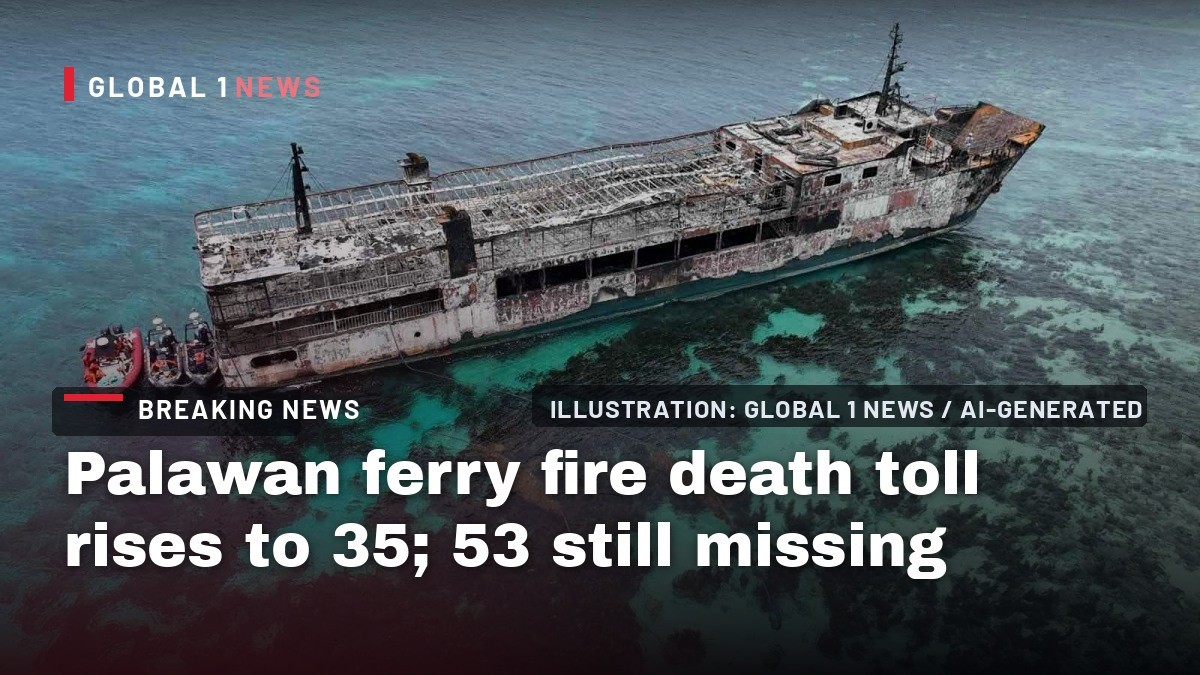
In the early hours of Friday, September 11, a blaze erupted aboard the MV June Aster as it plied the waters off Coron, Palawan. The fire, which officials say spread within seconds, has now claimed at least 35 lives, left 43 survivors, and left 53 passengers still unaccounted for, according to the Philippine Coast Guard (PCG). The tragedy underscores the perilous reality of inter‑island travel in a nation where cheap, often poorly regulated vessels remain the lifeline of millions of Filipinos.
Escalating toll and the grim reality of the recovery effort
The PCG’s latest briefing on September 12 confirmed that the death toll has risen to 35, a figure that includes the 30 cadavers recovered from the charred hull on Friday. Retrieval of the remains began around 5:16 p.m. that day, using the Coast Guard patrol boat BRP Cape Engaño (MRRV‑4411). The bodies were slated for transport to the Port of Borac in Coron, with an estimated arrival time of 11 a.m. on Saturday.
While the Coast Guard, the Philippine National Police‑Scene of the Crime Operations, and other agencies continue the painstaking work of recovering and identifying the missing, the scale of the disaster remains stark. The ferry’s manifest listed 134 crew and passengers, but two individuals never boarded, leaving a total of 132 people on board when the fire broke out. The PCG has warned that more bodies may still be aboard, as the initial transfer only covered the first 30 cadavers.
What triggered the inferno?
Survivors recounted hearing a loud explosion followed by a plume of smoke and flames that quickly engulfed the vessel. According to PCG spokesperson Commodore Noemie Cayabyab, the fire spread “very quickly, with ‘everything’ happening within seconds.” The rapid escalation left little time for passengers to react, especially those in the economy accommodation area where burnt remains were later observed during a safety assessment.
The exact cause of the explosion remains under investigation, but the incident adds to a disturbing pattern of ferry disasters in the Philippines. In January of this year, a triple‑decker ferry sank off the southern Philippines, killing at least 52 people. Earlier, in 2023, a fire aboard the Lady Mary Joy 3 claimed 31 lives along a similar route.
Human stories amid the tragedy
Beyond the numbers, the tragedy has ripped through families and barangays across the archipelago. Hundreds of distressed relatives, friends, and even pet owners have flooded the Facebook page of a local mayor, searching for any news about loved ones or a missing dog. The collective anxiety reflects a broader sense of vulnerability among ordinary Filipinos who rely on inter‑island ferries for work, school, and family visits.
For many, the MV June Aster was not just a mode of transport but a conduit of hope. It carried not only passengers but also goods, an electric vehicle, a pickup truck, and motorcycles—items that support livelihoods in remote communities. The loss of these assets compounds the economic blow to families already grappling with the high cost of living.
Regulatory gaps and the call for reform
The recurring nature of ferry accidents has long raised questions about maritime safety standards in the Philippines. While the Department of Transportation and the Maritime Industry Authority (MARINA) are tasked with regulating vessels, enforcement has often been uneven. The MV June Aster, operated by Atienza Interisland Ferries Inc., was reportedly complying with an investigation, yet the rapid spread of the fire points to possible lapses in safety protocols, fire suppression systems, or crew training.
Human‑rights advocates and community leaders are urging the Senate and Congress to strengthen oversight, improve vessel inspections, and enforce stricter passenger capacity limits. The tragedy also spotlights the need for better emergency response mechanisms, especially in remote ports where resources are limited.
Environmental precautions amid the disaster
In the wake of the fire, the PCG deployed oil spill booms around the incident site as a precautionary measure. Although the assessment found no visible oil sheen in the surrounding waters, the deployment reflects growing awareness of the environmental risks associated with maritime accidents. An oil spill could have further threatened the delicate marine ecosystems that support local fisheries and tourism in Coron, a region famed for its pristine reefs and dive sites.
The presence of an electric vehicle among the cargo also raises questions about the handling of hazardous materials on passenger ferries. While no incident of fuel leakage was reported, the incident underscores the importance of proper storage and safety protocols for all types of cargo.
Community response and the role of local governance
Local officials have been at the forefront of the response, coordinating with national agencies to provide assistance to survivors and families of the missing. The mayor’s Facebook page has become a virtual gathering point, where residents share updates, offer prayers, and organize relief efforts. Such bayanihan spirit is a hallmark of Filipino resilience, yet it also highlights the gaps that civil society often has to fill when state mechanisms are stretched thin.
Barangay captains and local health workers have been mobilized to offer psychological first aid and basic medical care to the 43 survivors. The Department of Health has been alerted to monitor any potential health concerns, especially respiratory issues that may arise from inhaling smoke and toxic fumes.
Looking ahead: accountability and prevention
As the recovery operation continues, the focus now turns to accountability. Atienza Interisland Ferries Inc. has pledged cooperation with investigators, but families and advocacy groups are calling for transparent findings and concrete actions to prevent a repeat of this tragedy. The PCG’s ongoing identification of the remains will be crucial for providing closure to grieving families.
In the broader context, the MV June Aster fire serves as a stark reminder that the safety of the Philippines’ inter‑island transport network remains a pressing concern. Strengthening regulatory oversight, investing in modern, fire‑resistant vessels, and ensuring rigorous crew training are essential steps toward safeguarding the lives of millions who depend on these ferries daily. Until such reforms are fully realized, each voyage across the archipelago carries an undercurrent of risk that communities, policymakers, and the nation must confront together.
This article was produced with AI-assisted research and editorial support. Reporting is based on the source material cited below. Sources: Philstar.com; Global1.News (12 September 2026).
By Bella Reyes, Staff Writer
What's Your Reaction?
 Like
0
Like
0
 Dislike
0
Dislike
0
 Love
0
Love
0
 Funny
0
Funny
0
 Wow
0
Wow
0
 Sad
0
Sad
0
 Angry
0
Angry
0

Philippines/Southeast Asia Correspondent at Global1.News. Manila-based journalist covering Philippine politics, environment, maritime security, and social issues. Passionate about marine conservation and the communities protecting the Philippines' natural heritage.














Comments (0)