
Nurses Union Declares Comprehensive Labor Dispute, Threatening Nationwide Action Over Workload and Burnout
The Israeli Nurses Union has declared a comprehensive labor dispute covering approximately 60,000 nurses across the country, a move that could reverberate through hospitals, community clinics, and family health centers from Tel Aviv to the northern and southern peripheries.
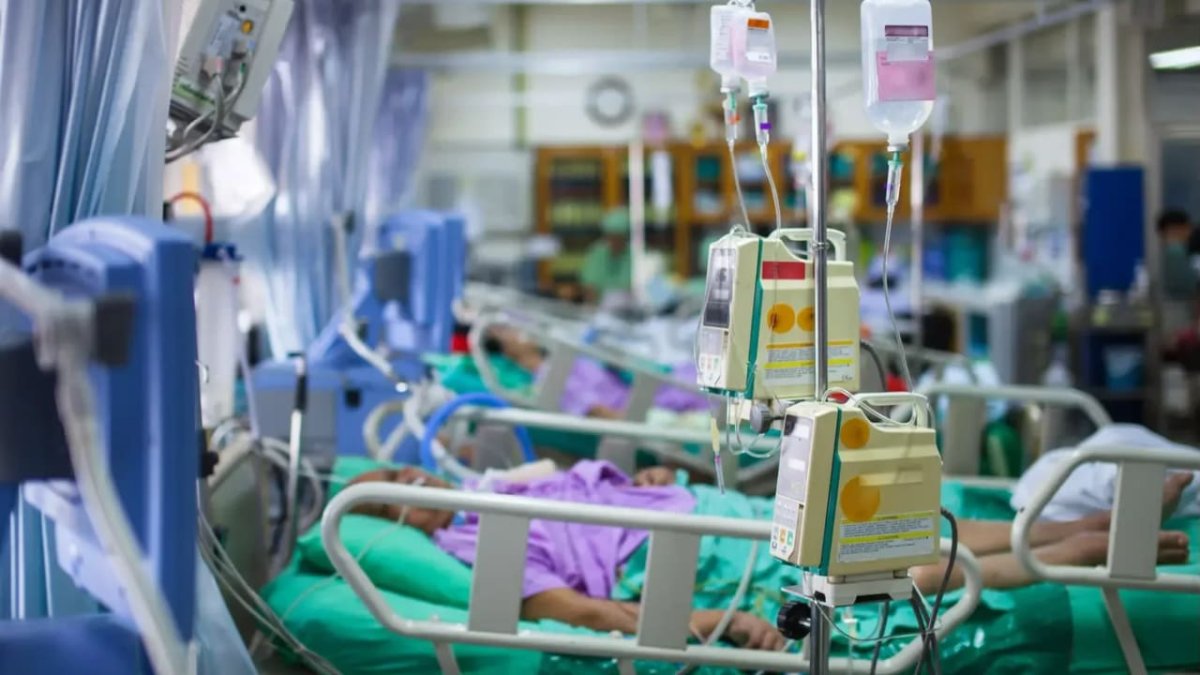
The Israeli Nurses Union has declared a comprehensive labor dispute covering approximately 60,000 nurses across the country, a move that could reverberate through hospitals, community clinics, and family health centers from Tel Aviv to the northern and southern peripheries. The declaration, filed last week, applies to all nursing frameworks within the healthcare system, including workers in hospitals, outpatient institutes, Tipat Halav family health centers, and nursing schools. It sets the stage for potential sanctions or strike action unless the state and employers address what union leaders describe as an escalating crisis of workload, burnout, and deteriorating working conditions.
The dispute comes at a particularly sensitive time for Israel’s healthcare system, which continues to grapple with the aftermath of the ongoing war. Hospitals across the country have been treating and rehabilitating thousands of physically and mentally wounded soldiers and civilians, adding layers of strain to an already overburdened nursing workforce. The union’s declaration signals that the professional caregivers on the front lines of this national effort feel abandoned by the very institutions tasked with supporting them.
Union Cites Growing Workload and Chronic Understaffing
At the heart of the dispute is a steady and, according to the union, unchecked increase in the workload imposed on nurses in hospital wards, community health settings, and public health frameworks. Employee representatives argue that the caregiver-to-patient ratio remains dangerously low, with no proper resource allocation to match the rising demand for care. This imbalance, they say, leads to physical, mental, and professional burnout, and ultimately endangers the quality of care provided to the Israeli public.
The union’s announcement details a systemic failure to address these pressures. It claims that the state and employers are shunning the demands of employee representatives and evading the correction and improvement of poor working conditions. Among the specific grievances are a shortage of infrastructure, a lack of hospital beds, and a persistent deficit of professional personnel. The union further emphasizes that restrictions and cutbacks imposed by the state and employers are actively preventing the recruitment of new workers into the system, compounding the existing shortages.
For nurses working in wards across major medical centers such as Sheba Medical Center near Tel Aviv, Soroka in Beersheba, and Rambam in Haifa, the daily reality is one of stretched shifts, minimal breaks, and the constant pressure of caring for more patients than is safe or sustainable. The union argues that this is not a temporary spike in demand but a structural failure that has been allowed to fester for years.
Specific Grievances: The Scrub Nurse and Privatization Fears
Beyond the general workload issues, the union has pointed to specific blows to the nursing profession that it says are eroding the very nature of the job. One of the most contentious issues is the reported intention to replace the role of the "scrub nurse" in operating rooms with an unprofessional technical worker. The scrub nurse is a highly trained professional responsible for maintaining the sterile field, anticipating the surgeon’s needs, and ensuring patient safety during operations. Union leaders argue that replacing this role with a less-qualified worker is a dangerous downgrade that compromises patient safety and devalues the nursing profession.
Another flashpoint is the intention to unilaterally privatize the student health service. The union says this move carries significant implications for the conditions and rights of nurses working in that sector, and it views the privatization as a step backward for public health. The combination of these issues, alongside the broader workload crisis, has pushed the union to take the dramatic step of declaring a labor dispute, which is a legal precursor to potential industrial action under Israeli labor law.
Union Chairman: 'We Will Not Hesitate to Use All Tools'
Shaul Skif, chairman of the Israeli Nurses Union, delivered a stark warning in the wake of the declaration. "Instead of strengthening those on the front lines of care, the state and employers continue to ignore the distress and growing burnout," Skif said. "Precisely at a time when the healthcare system is dealing with an unprecedented challenge of treating and rehabilitating thousands of physically and mentally wounded due to the war, nurses continue to carry heavy burdens on their shoulders, alongside a severe shortage of manpower and infrastructure."
Skif’s statement, which repeated the opening line for emphasis, made clear that the union is prepared to escalate. "We will not hesitate to use all the tools at our disposal in order to ensure not only the rights of nurses, but also the ability of the healthcare system to provide the public with professional, safe and proper care, today and in the future," he said. The language is deliberately forceful, reflecting a leadership that believes the current trajectory is unsustainable and that only a credible threat of disruption will force the state to the negotiating table with meaningful offers.
Health Ministry Responds: Appreciation and a Call for Dialogue
The Health Ministry, for its part, has pushed back against the union’s characterization of the situation. In an official response, the ministry said it "appreciates the work of the nurses and is constantly working to advance nurses, their status, their professionalism, and to reduce the workloads imposed on them." The ministry highlighted a series of measures it claims have been implemented in recent years, including the development of new roles, strengthened compensation for nurses, and efforts to reduce staffing gaps.
The ministry also pointed to the latest wage agreement for the nursing profession, which was signed in November 2023 and is valid until the end of 2027. According to the ministry, this agreement was reached after orderly negotiations, as is customary with wage agreements in the economy, involving the Nurses Union, the Director of Wages at the Finance Ministry, and the Health Ministry. The implication is that the union is now seeking to reopen a deal that was recently and legitimately concluded.
In a further attempt to counter the union’s narrative, the ministry noted that more than 2,500 new positions have been added to the healthcare system in recent years. It said it continues to work to strengthen the system, improve working conditions, and prevent burnout. The ministry also confirmed that several talks were held with the Nurses Union in recent months, and that additional talks are scheduled for the near future. "The Health Ministry calls on the Nurses Union to continue the dialogue that has begun in order to continue advancing the nursing profession and prevent unnecessary harm to the patient public," the statement concluded.
A Clash of Narratives: Numbers vs. On-the-Ground Reality
The dispute highlights a fundamental clash of narratives between the union and the state. The Health Ministry points to the 2,500 new positions and the November 2023 wage agreement as evidence of progress and good faith. The union, however, argues that these additions are a drop in the bucket compared to the actual needs of the system. Nurses on the ground report that the new positions are often unfilled due to a lack of qualified candidates, and that the wage agreement, while providing some increases, has not kept pace with the intensity of the work or the cost of living in Israel.
There is also a question of timing. The November 2023 agreement was signed in the immediate aftermath of the October 7 attacks, when the country was in a state of shock and the healthcare system was mobilizing for an unprecedented national emergency. Union leaders now argue that the agreement was concluded under extraordinary circumstances and that the subsequent war has fundamentally changed the demands placed on nurses. The rehabilitation of thousands of wounded soldiers and civilians, many with complex physical and psychological injuries, requires a level of nursing care that was not anticipated when the agreement was signed.
War-Related Pressures Amplify Existing Fault Lines
The war has indeed placed an immense burden on Israel’s healthcare system. Hospitals in the south, particularly Soroka Medical Center in Beersheba, were on the front lines of the initial attacks, treating mass casualties in a matter of hours. In the months since, the system has shifted to a long-term rehabilitation mode, with dedicated departments for wounded soldiers and civilians. Nurses are at the center of this effort, providing round-the-clock care, managing complex treatment plans, and offering emotional support to patients and their families.
This is happening against a backdrop of a broader national labor market that is itself under strain. Many sectors of the economy have been disrupted by the war, with reservists called up for extended duty and businesses struggling to maintain operations. The healthcare system has not been immune to these pressures, and the nursing workforce has been further depleted by the call-up of medical personnel to military service. The union’s dispute declaration can be seen as an attempt to force the state to reckon with these compounding pressures before the system reaches a breaking point.
What Happens Next: Negotiations and the Threat of Sanctions
Under Israeli labor law, the declaration of a labor dispute triggers a mandatory cooling-off period, during which the union cannot legally strike. This period is intended to allow for mediated negotiations. The Health Ministry has indicated that talks are ongoing and that it is committed to dialogue. However, the union’s aggressive language suggests that it is not willing to wait indefinitely. If negotiations fail to produce a satisfactory outcome, the union could escalate to sanctions, such as work slowdowns or the refusal to take on additional duties, before moving to a full strike.
The stakes are high for the Israeli public. A strike by 60,000 nurses would bring much of the healthcare system to a standstill, affecting everything from elective surgeries to emergency care. Even limited sanctions could cause significant disruption, particularly in the operating rooms and intensive care units where the union has identified the most acute staffing problems. The union is clearly banking on the public’s dependence on the healthcare system to pressure the state into making concessions.
A Test of the State’s Commitment to Its Caregivers
For now, the ball is in the state’s court. The union has laid out its grievances in stark terms, and the Health Ministry has responded with a mix of appreciation, defensiveness, and a call for continued dialogue. The coming weeks will test whether the two sides can bridge the gap between the ministry’s claims of progress and the union’s insistence on a system in crisis.
What is clear is that the dispute is not merely about wages or working hours. It is about the fundamental question of how Israel values the professionals who care for its citizens in their most vulnerable moments. The union’s declaration is a warning that the current model is unsustainable, and that without meaningful investment in infrastructure, staffing, and professional respect, the quality of care that Israelis have come to expect will inevitably decline. As the negotiations unfold, the eyes of the nation will be on the negotiating table, and on the nurses who have made it clear that they will no longer carry the burden in silence.
By Hannah Berg, Staff Writer
This article was produced with AI-assisted research and editorial support. Reporting is based on sources cited in the article.
What's Your Reaction?
 Like
0
Like
0
 Dislike
0
Dislike
0
 Love
0
Love
0
 Funny
0
Funny
0
 Wow
0
Wow
0
 Sad
0
Sad
0
 Angry
0
Angry
0

Israel Correspondent at Global1.News. Based in Tel Aviv, covering Israeli politics, security, technology, and society. Provides balanced, deeply-sourced reporting on one of the most closely-watched regions in the world.














Comments (0)