
NPC: AI Face Cloning Now Illegal Under Data Privacy Law
The National Privacy Commission reminds Filipinos that using AI to generate photos or videos from a real person's face is illegal under the Data Privacy Act. Face and likeness are personal information. Consent alone is insufficient; lawful purpose is required. Violators face imprisonment and fine...
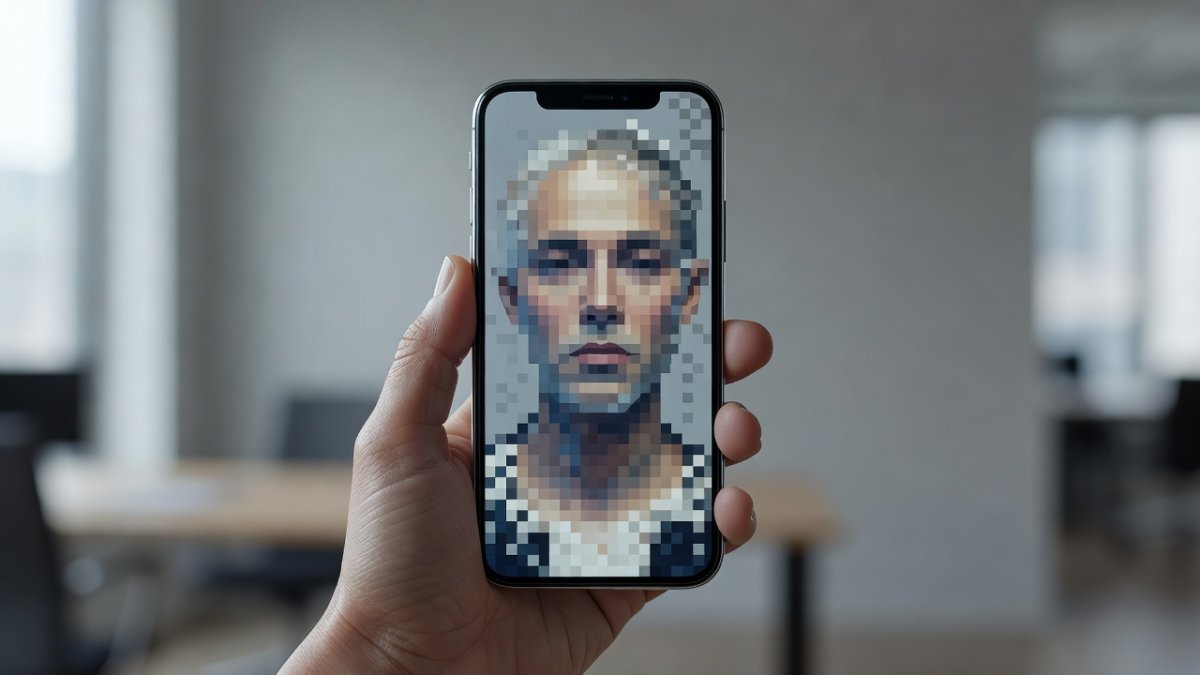
Privacy Watchdog Issues Stern Reminder on AI Misuse
The National Privacy Commission (NPC) dropped a significant reminder on Tuesday, August 11, that should make every Filipino think twice before using artificial intelligence to swap faces or generate fake videos. According to the agency, using AI to create photos or videos from a real person’s face and likeness—and then sharing those results—is considered illegal under the country’s data privacy laws.
This announcement comes at a time when AI tools have become increasingly accessible to ordinary Filipinos, from students creating school projects to social media enthusiasts experimenting with filters. The NPC’s statement clarifies that an individual’s face and likeness are considered personal information under Republic Act No. 10173, also known as the Data Privacy Act of 2012.
“Using AI tools to generate an image or video from a real person's face and likeness and posting or sharing the resulting image and/or video, are forms of processing of personal data, whatever the nature or purpose of the resulting media,” the data privacy authority said in a statement.
What Counts as Illegal AI Use?
The NPC specifically called out false depictions as among the illegal uses of AI-generated faces or likenesses. This means creating content that shows a person doing something they never did, saying something they never said, or being somewhere they never were.
“AI-generated media that depicts a real person doing something the person never did, saying something the person never said, or being somewhere the person never was, is false information about that person,” the NPC explained.
This is particularly relevant in the Philippine context, where deepfake videos have circulated in recent years—from manipulated clips of celebrities to fabricated statements from politicians. The reminder serves as a warning that these actions are not just ethically questionable but are actually violations of the law.
Public Officials and Their Families Are Covered Too
The NPC also addressed a common misconception that public figures, given their exposure to publicity, are not protected under the Data Privacy Act. The agency clarified that public officials, although subject to more publicity, are also considered data subjects and thus covered under the law.
Their family members, meanwhile, are considered private individuals fully covered by the law. This means that creating AI-generated content featuring a senator, a barangay captain, or even the President’s spouse without lawful basis could lead to legal consequences.
This clarification is crucial for political content creators and social media managers who might think that public figures are fair game for satirical or critical AI-generated content. The law draws a clear line: even public officials have privacy rights that must be respected.
Consent Alone Is Not Enough
One of the most important points the NPC raised is that a person’s consent, while recognized, is not sufficient on its own. The processing of personal data must still have a lawful and legitimate purpose.
“Without these lawful grounds, any act of generating and sharing AI-generated photos and videos bearing another person’s face is considered a violation,” the agency said.
This means that even if someone gives permission for their face to be used in an AI-generated video, the purpose of that video must still be lawful and legitimate. For instance, using someone’s face to create a fake endorsement of a product or a fabricated political statement would not be protected simply because the person consented to the initial use of their likeness.
This provision protects Filipinos from being unwittingly dragged into scams or fraudulent schemes. Imagine a sari-sari store owner whose face is used in a fake online advertisement without their knowledge—the NPC’s reminder makes it clear that such actions have legal consequences.
Remedies for Victims of AI Misuse
For those who have already fallen victim to AI-generated content misuse, the NPC provided clear steps for recourse. A person whose likeness has been misused in AI-generated media may demand its removal from the person or entity that posted or circulated it.
“A person whose likeness has been misused in an AI-generated media may demand its removal from the person or entity that posted or circulated it, and may file a complaint with the Commission,” the NPC said.
This remedy is particularly important for ordinary Filipinos who may not have the resources to hire lawyers or pursue lengthy court battles. The NPC provides a direct avenue for complaints, making it easier for victims to seek justice.
The process is straightforward: demand removal from the poster, and if that fails, file a complaint with the NPC. This empowers individuals to take action without needing to go through the traditional court system first.
Penalties for Violators
The NPC also reminded the public of the serious consequences of violating the Data Privacy Act. Violations constitute criminal, civil, and administrative liabilities, including imprisonment for one to three years and a fine of P500,000 to P2 million.
These penalties should serve as a strong deterrent for those who might think that creating and sharing AI-generated content is a harmless joke or a creative exercise. The financial and legal consequences are substantial, and the potential for imprisonment makes this a serious matter.
For context, a fine of P500,000 is already a significant amount for most Filipino families. Combined with the possibility of jail time, the stakes are high for anyone considering using AI to manipulate someone’s likeness without proper legal grounds.
Protecting Ordinary Filipinos from Deepfake Scams
This reminder from the NPC comes at a critical time when deepfake technology is being used in various scams targeting ordinary Filipinos. From fake video calls impersonating family members asking for money to fabricated endorsements of investment schemes, the risks are real and growing.
Overseas Filipino Workers (OFWs) are particularly vulnerable, as scammers have been known to use AI-generated videos of family members to trick them into sending money. The NPC’s reminder provides a legal framework for victims to seek recourse and for authorities to prosecute offenders.
The announcement also has implications for the upcoming election cycles. With the Commission on Elections (COMELEC) preparing for future polls, the NPC’s clarification on AI-generated content involving public officials and their families is timely. Voters should be wary of AI-generated content that could be used to spread misinformation about candidates.
For the average Filipino, this reminder is a call to be more cautious about the content they create and share online. The spirit of bayanihan—our tradition of community cooperation—should extend to protecting our neighbors from having their faces and likenesses misused in harmful ways.
As AI technology continues to evolve and become more accessible, the NPC’s reminder serves as an important safeguard for the privacy and dignity of every Filipino. Whether you are a student, a professional, a public official, or a private citizen, the law now clearly protects your face and likeness from unauthorized AI manipulation.
The message is clear: think before you use AI to create content featuring someone else’s face. The legal consequences are real, and the impact on the person whose likeness is misused can be devastating. In a country where family and community ties are deeply valued, respecting each other’s privacy and dignity should be second nature.
By Bella Reyes, Staff Writer
This article was produced with AI-assisted research and editorial support. Reporting is based on sources cited in the article.
What's Your Reaction?
 Like
0
Like
0
 Dislike
0
Dislike
0
 Love
0
Love
0
 Funny
0
Funny
0
 Wow
0
Wow
0
 Sad
0
Sad
0
 Angry
0
Angry
0

Philippines/Southeast Asia Correspondent at Global1.News. Manila-based journalist covering Philippine politics, environment, maritime security, and social issues. Passionate about marine conservation and the communities protecting the Philippines' natural heritage.













Comments (0)