
Nexterity wants to automate the hard, dangerous part of pipefitting
When I first saw a robot that could tighten four bolts at a time and still fit in a Pelican case, my gut reaction was a mix of admiration and caution.
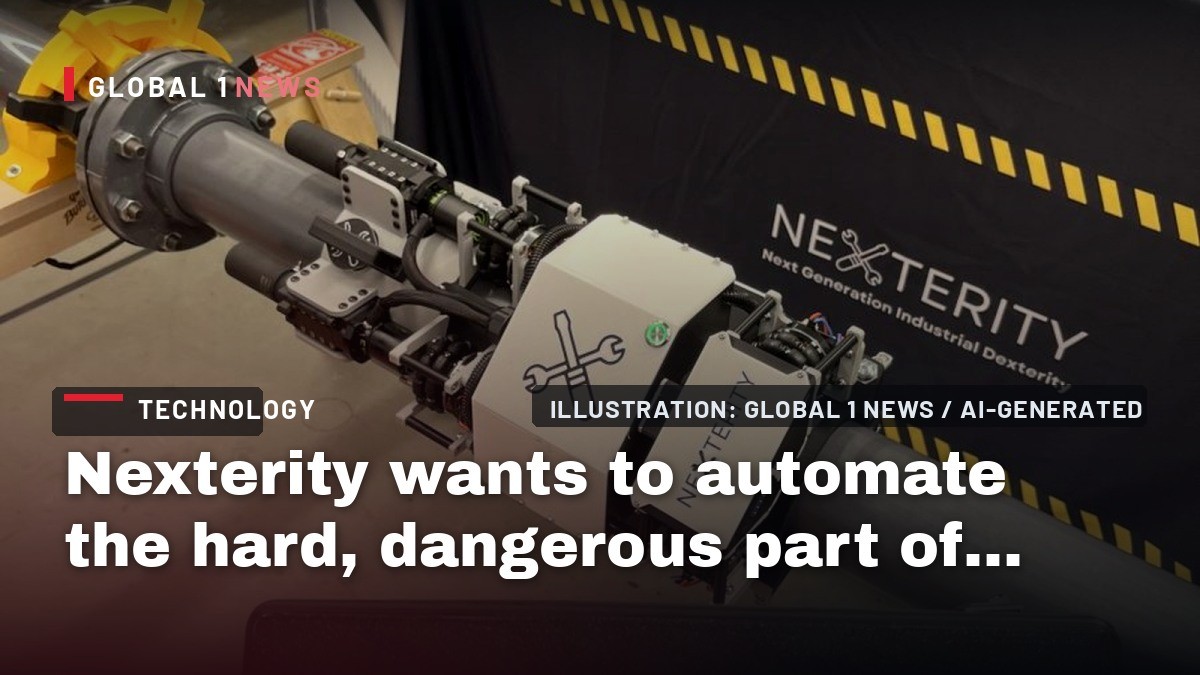
When I first saw a robot that could tighten four bolts at a time and still fit in a Pelican case, my gut reaction was a mix of admiration and caution. On one hand, you’ve got a clever piece of hardware that could lift a grueling, injury‑prone task off the shoulders of pipefitters who are already stretched thin. On the other, you’ve got a startup promising to automate a niche but massive segment of the North American piping industry – a market that, as Nexterity’s founder Lindsey Elliott points out, spans water treatment, mining, nuclear plants and a host of green‑manufacturing facilities. The real question for independent infrastructure providers is whether this kind of “rental robot” model can actually deliver the promised productivity boost without turning into another overpriced, hype‑driven service that only the hyperscalers can afford to subsidise.
Why bolt‑tightening matters more than you think
Bolted flange joints are the workhorse of pipe infrastructure. Every time a plant shuts down for maintenance, crews have to wrestle with dozens, sometimes hundreds, of bolts to disconnect sections of pipe. Those bolts are heavy, require significant torque, and are the source of a high rate of musculoskeletal injuries among pipefitters. As Elliott notes, the labor shortage in the trade means companies are often forced to run crews on 12‑hour shifts for months on end – a recipe for fatigue‑related errors and lost productivity.
From a risk‑management perspective, each missed bolt or over‑torqued joint is a potential leak, a safety hazard, and a compliance nightmare. In my own experience running data centre racks, a single loose bolt can cascade into a server outage that costs thousands per hour. Scale that to a refinery or a water‑treatment plant, and the financial stakes skyrocket. So a tool that can reliably tighten four bolts simultaneously, while reducing human exposure to the “dangerous part” of pipefitting, is not just a convenience – it’s a direct line to lower downtime and fewer workers’ comp claims.
The robot’s design: small enough to be a tool, big enough to matter
Elliott’s robot is built around two main pieces that snap around a pipe, powered by batteries, and slide along the joint to engage four bolts at once. The fact that the entire system fits in a Pelican case means a single worker can transport it to a new site without a truckload of equipment. This portability is a strategic advantage for Nexterity’s rental‑as‑a‑service model – you can drop the unit on a job site, hook it up, and have it running in minutes.
From a founder’s lens, the design choice to target standard pipe sizes between two and eight inches (NPS2‑NPS8) is smart. Those diameters cover roughly 80 % of the market, according to the ASME‑derived data Elliott cites. By focusing on the most common flange sizes, Nexterity can achieve repeatable production runs, lower unit costs, and a faster path to scale. It also sidesteps the engineering nightmare of building a one‑size‑fits‑all robot that would be bulkier and harder to ship.
Rental model vs. outright purchase: the economics of automation
Most hardware startups in the industrial automation space try to sell their machines outright, banking on high margins per unit. Nexterity flips that script by treating the robot as rental construction equipment. The advantage is twofold: customers avoid the capital outlay of buying a $100‑plus‑kilo robot, and Nexterity retains control over software updates and maintenance, ensuring the hardware stays within spec.
However, the rental model also introduces a cash‑flow challenge for a bootstrapped founder. You need enough inventory on hand to meet demand across multiple sites, and you have to manage logistics – shipping, insurance, and on‑site support. In my own operations, we learned the hard way that a single broken piece of networking gear can stall an entire data‑center rollout. If Nexterity’s robot fails mid‑job, the contractor is left with a pipe joint hanging in the balance. The company will need robust remote diagnostics and a rapid‑response service team, otherwise the promise of “flexibility” turns into a liability.
Market size: hype or genuine opportunity?
Elliott claims the market is “big” and points to the ubiquity of pipework across sectors. While she doesn’t provide a dollar figure, the breadth of applications – water, wastewater, food and beverage, mining, nuclear, and green manufacturing – suggests a multi‑billion‑dollar addressable market in North America alone. The key is conversion: how many of those facilities will actually rent a robot for a single maintenance window?
From a risk‑adjusted standpoint, the biggest early adopters will be firms with high‑value assets and strict safety regulations – think nuclear plants or large petrochemical complexes. Those operators already spend heavily on compliance and downtime mitigation, making them more willing to pay a premium for a tool that can shave hours off a shutdown. Smaller facilities may only dip their toes if the rental price is low enough to fit within a typical maintenance budget, which is where Nexterity’s pricing strategy will be tested.
What this means for independent hosting and infrastructure providers
We run a business that’s all about uptime, and any technology that can reduce the time a pipe joint sits idle translates into more reliable feedstock delivery for our customers. Multiply that across dozens of joints on a plant turnaround, and you could cut a week‑long shutdown to a few days.
But there’s a cautionary tale here: hyperscalers and VC‑backed startups love to tout “automation” without proving it in the field. The robot’s battery‑powered design is appealing, yet we need real‑world data on runtime, torque consistency, and durability in harsh environments – oil fields, offshore rigs, or hot‑sulphur plants. Until Nexterity can demonstrate field reliability at scale, the tech remains a promising pilot rather than a proven production tool.
Actionable takeaways for founders and operators
First, if you’re a founder in the industrial automation space, focus on a narrow, high‑frequency use case like Nexterity did with NPS2‑NPS8 flanges. That gives you repeatability, lower tooling costs, and a clearer path to a rental model that can smooth revenue streams.
Second, operators should pilot the robot on a low‑risk line before committing to a full‑scale rollout. Measure actual time saved, torque accuracy, and any impact on crew safety. Use those metrics to negotiate rental terms that align cost with demonstrated value.
Finally, keep an eye on service logistics. A rental fleet only works if you can guarantee rapid support and parts replacement. In my own data‑centre business, we built a spare‑parts cache at every major hub – a practice that paid off when a power‑supply failure threatened a client SLA. Nexterity would do well to adopt a similar strategy for its robot fleet.
Bottom line: the bolt‑tightening robot is a clever piece of engineering that could shave hours off a pipe‑fitters’ grind and cut injury risk. Its success will hinge on real‑world durability, a sensible rental economics model, and the ability to deliver rapid support when the robot inevitably meets the harsh realities of industrial sites. If they can pull that off, we’ll see a genuine productivity lift across the piping industry – and a new revenue stream for founders willing to back practical, field‑tested automation over hype‑driven fluff.
— Allan Ali, Founder
This article was produced with AI-assisted research and editorial support. Reporting is based on the source material cited below. Sources: TechCrunch; techcrunch.com; Global1.News (25 September 2026).
By Allan Ali, Global1.News
What's Your Reaction?
 Like
0
Like
0
 Dislike
0
Dislike
0
 Love
0
Love
0
 Funny
0
Funny
0
 Wow
0
Wow
0
 Sad
0
Sad
0
 Angry
0
Angry
0

Publisher of Global1.News. Automation architect, systems builder, and the guy making sure the truth gets published.












Comments (0)