
Lead azide detonation sends clouds over Iowa as questions of health risks swirl
The numbers are simple: 9,700 pounds of a neurotoxic, non‑degrading compound were detonated, a 5‑mile evacuation zone was declared, and a modeled drift plume was expected to travel roughly 100 miles.
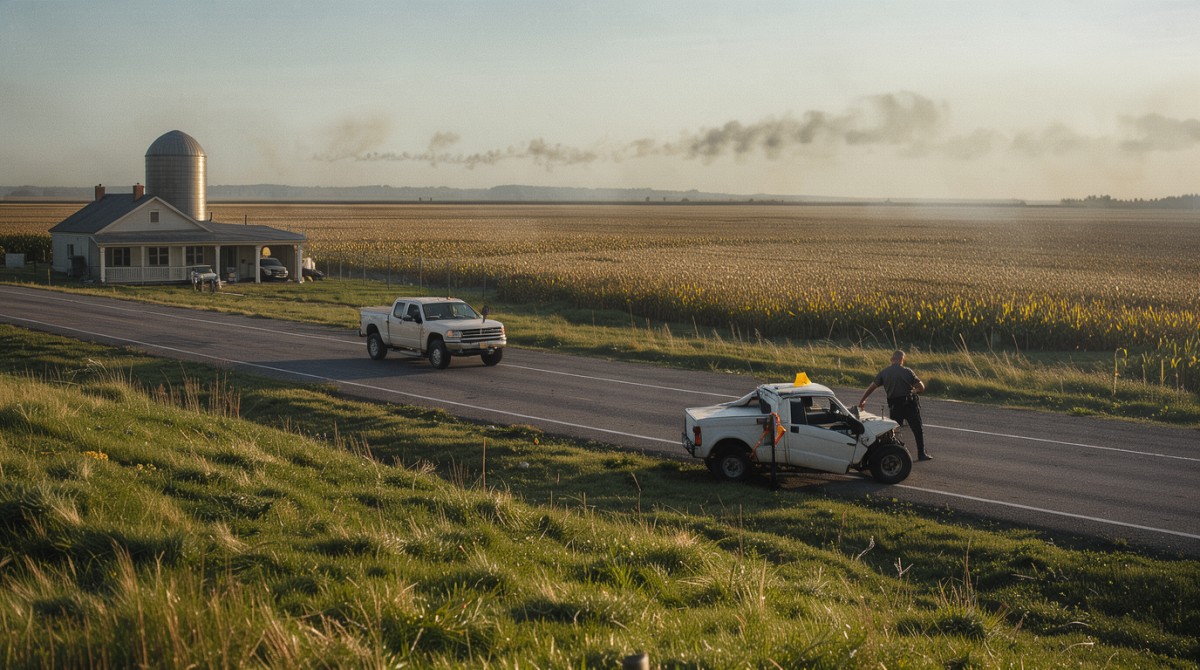
When the Army blew up 68 barrels of degraded lead azide at the Iowa Army Ammunition Plant, the gray‑white plume that rose over the cornfields was a stark reminder that “best practice” in the defense sector often means “do the cheapest thing and hope it works.” From a founder’s seat, the whole episode reads like a cautionary tale for anyone who thinks they can outsource risk to a federal agency and walk away unscathed. The numbers are simple: 9,700 pounds of a neurotoxic, non‑degrading compound were detonated, a 5‑mile evacuation zone was declared, and a modeled drift plume was expected to travel roughly 100 miles. The fallout, however, is anything but simple, especially for independent hosting providers who rely on predictable, low‑risk environments for their data centers.
What actually happened on the ground
The blast took place at about 9 a.m. Central Time on a Wednesday, when the Army set off two earth‑covered containers simultaneously. Video from local outlet KWQC captured the plume, while a KWQZ journalist, standing in a crop field, felt the shockwave roll through and promptly donned a mask for the remainder of his live broadcast. The Army had sand‑and‑lime fill around the containers, water cannons, misters, and a foam blanket on top to suppress dust, but the sheer force of the explosion still lofted a massive cloud into the sky.
Residents within a five‑mile radius were told to evacuate; those farther out were instructed to shelter in place, seal windows and doors, turn off fans, and set indoor air systems to recirculate. The Army also released drift maps showing that airborne lead could travel about 100 miles southwest, while dust deposition could blanket roughly 200 square miles in that direction. Air and soil samples are already being collected as baseline readings for the inevitable post‑detonation analysis.
Why lead azide is a nightmare for risk managers
Lead azide is a primary explosive that, when degraded, becomes highly unstable and crystallized. Its biggest danger isn’t the blast itself but the fact that lead is a neurotoxin that does not break down in the environment. That means any dust or aerosol that settles on soil, water, or crops can linger for generations, posing a serious health risk to young children and pregnant people. For a hosting provider, the lesson is clear: any supply chain that introduces persistent toxins—whether in hardware, cooling fluids, or construction materials—creates a long‑term liability that can’t be shrugged off with a simple insurance policy.
In the Iowa case, the Army knew the compound was in a “catastrophically hazardous condition” at least since March, according to their own statements, but emails obtained by The Washington Post suggest the knowledge dates back to September 2025. That gap between internal awareness and public disclosure is exactly the kind of information asymmetry that can cripple a business when regulators or the public demand transparency.
The legal and political circus that delayed the blast
The detonation was not a straightforward operational decision. Initially slated for Friday, November 20, the blast was postponed multiple times after public alarm and an emergency court filing from environmental groups. A federal appeals court issued a stay on the Army’s permit, and former President Trump ordered a halt until the stay was lifted and the Governor‑elect of Iowa, Rob Sand, signed off. The court eventually ruled that the Army could proceed because there was “no better option.”
This back‑and‑forth illustrates how government projects can become entangled in legal wrangling, creating uncertainty for any business that depends on stable infrastructure. Independent hosting firms that lease space in government‑adjacent facilities must factor in the risk of sudden operational shutdowns, not just from technical failures but from political and legal interventions.
What the plume means for the surrounding community
The modeled drift shows airborne lead traveling roughly 100 miles southwest, while dust could settle over 200 square miles. Even though the Army is collecting baseline samples, the immediate health messaging—close windows, turn off fans, recirculate HVAC—highlights the severity of the exposure risk. Lead’s persistence means that soil contamination could affect agriculture, water sources, and ultimately the food chain for years.
For businesses that rely on local labor or supply chains, this kind of environmental fallout can disrupt operations, raise insurance premiums, and force costly remediation. It also underscores the importance of having contingency plans that go beyond “just move the servers to another rack.” Real‑world risk management demands diversified locations, robust data replication, and the ability to pivot quickly when a local disaster—whether natural or man‑made—strikes.
Lessons for independent hosting providers
First, never assume that a “government‑owned” facility is immune to operational risk. The Iowa incident shows that even the military can be forced into a reactive, last‑minute blast to avoid a worse catastrophe. Second, understand the full lifecycle of any hazardous material that might be present in your data center environment—whether it’s lead‑based solder, fire‑suppressant chemicals, or battery electrolytes. Third, demand transparency from landlords and infrastructure partners. If a provider can’t give you a clear picture of what’s stored on site, you’re sitting on a ticking time bomb.
Finally, build in redundancy that isn’t just about bandwidth. Geographic diversification, cross‑regional backups, and the ability to spin up services in a completely separate jurisdiction are essential. When a plume of lead can travel 100 miles, you need the option to fail over to a site well outside that radius.
Actionable steps for founders right now
1. Conduct a thorough audit of any third‑party facilities you use, focusing on hazardous material inventories and emergency response plans. 2. Add environmental‑risk clauses to all lease agreements, including mandatory notification of any chemical or explosive storage on site. 3. Set up automated health‑monitoring of air quality and particulate levels if you operate near industrial or military installations. 4. Diversify your infrastructure across at least two independent regions, preferably in different regulatory environments, to hedge against both natural and man‑made disruptions.
These steps won’t eliminate risk, but they’ll give you a fighting chance when a government‑run blast sends a lead‑laden cloud over the horizon. In a world where hyperscalers can off‑load risk to the public sector and then blame “unforeseen circumstances,” independent providers must own their risk profile and act before a court order forces them to.
Bottom line: risk is real, and it’s not going away
The Iowa Army Ammunition Plant incident is a textbook example of how a single hazardous material can cascade into a public‑health crisis, a legal battle, and a logistical nightmare for anyone in the vicinity. For hosting founders, the takeaway is blunt: you cannot outsource risk to a federal agency and expect a clean hand‑off. You have to understand the chemistry, the politics, and the legal landscape that surround any infrastructure you depend on.
In practice, that means tightening contracts, demanding full disclosure, and building out a truly resilient architecture that can survive a plume of lead traveling a hundred miles. If you can do that, you’ll be better positioned to keep your services online when the next “catastrophically hazardous condition” shows up on someone else’s radar.
— Allan Ali, Founder
This article was produced with AI-assisted research and editorial support. Reporting is based on the source material cited below. Sources: Ars Technica; arstechnica.com; Global1.News (27 November 2026).
By Allan Ali, Global1.News
What's Your Reaction?
 Like
0
 Dislike
0
 Love
0
 Funny
0
 Wow
0
 Sad
0
 Angry
0

Publisher of Global1.News. Automation architect, systems builder, and the guy making sure the truth gets published.














Comments (0)