
Mexico and Peru Restore Diplomatic Relations After Asylum Row
Mexico and Peru have restored full diplomatic ties after nine months of rupture triggered by the asylum granted to former prime minister Betssy Chávez inside the Mexican embassy in Lima. The reconciliation, announced in a joint communiqué on Friday morning, came hours after Chávez.
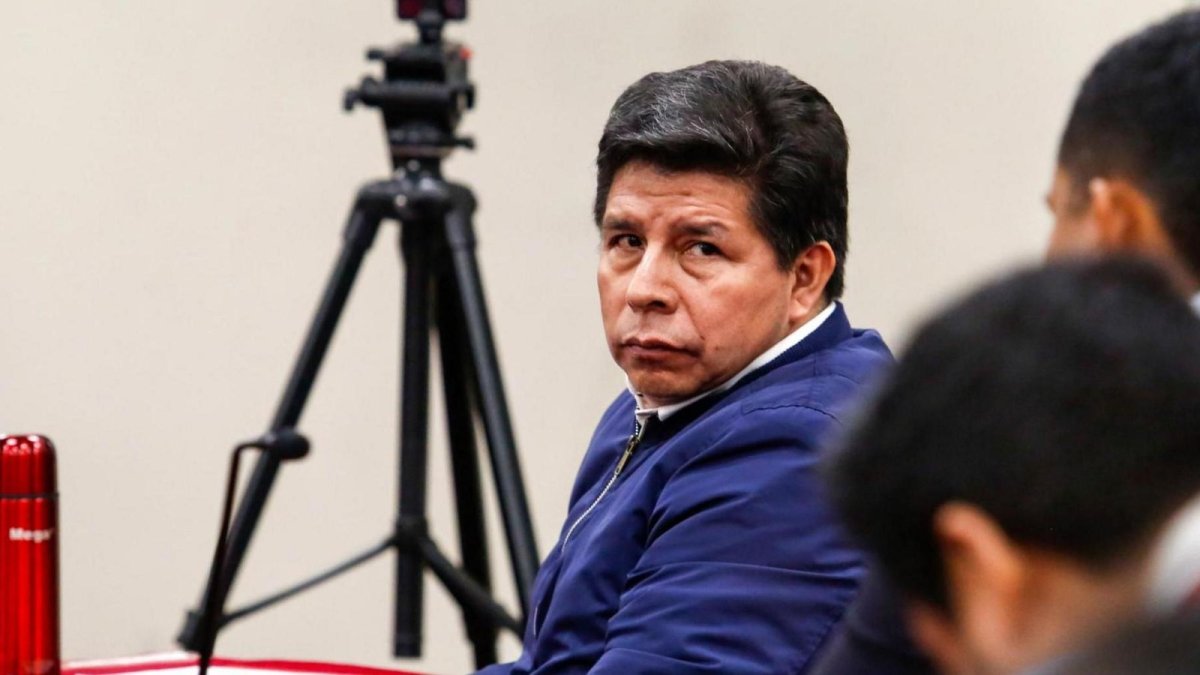
Nine Months of Rupture
Relations collapsed on 3 November 2025 when Mexico granted asylum to Betssy Chávez, who had sought refuge in the Mexican embassy compound in Lima. Peru immediately severed diplomatic ties, with then foreign minister Hugo de Zela labelling the decision an unfriendly act. Days later, Peru's Congress declared Mexican President Claudia Sheinbaum persona non grata. Consular services continued, but formal diplomatic channels closed.
Brazil assumed custody of the Mexican embassy in Lima in January 2026, protecting its premises and representing Mexico's interests on the ground. Chávez remained inside the compound for roughly nine months under Brazilian protection. The standoff echoed earlier friction that began in December 2022, when Mexico criticised the removal of President Pedro Castillo and later hosted members of his family.
The Midnight Departure
Chávez left Peru shortly after midnight on Friday from the Grupo Aéreo N.º 8 military base at Callao aboard a Mexican Air Force aircraft. Peruvian Foreign Minister Carlos Espá coordinated the exit with maximum confidentiality, securing clearance from the Defence Ministry for the plane to land and depart. The safe-conduct was issued under the 1954 Caracas Convention on diplomatic asylum.
Espá confirmed to Canal N that the arrangement allowed Chávez to travel to Mexico while preserving Peru's right to request her extradition in the future. She had been released on bail in September 2025 after 15 months in prison and was later sentenced alongside Castillo to more than 11 years. The flight departed before the joint communiqué restoring relations was published.
A Deal Struck in the Andes
President Sheinbaum opened her daily press briefing on Friday by confirming Chávez was about to land in Mexico, describing the safe-conduct as an act of goodwill by President Fujimori. The restoration of ties was one of Fujimori's first significant foreign-policy decisions after her swearing-in on 28 July 2026. Both capitals invoked the Pacific Alliance, noting that two of its four members had lacked diplomatic relations until that morning.
The sequence of events reveals a calculated diplomatic choreography: Peru secured Chávez's departure on Mexican military aircraft before any public restoration of ties, demonstrating compliance with the asylum convention while positioning the reopening of embassies as the reciprocal step. Espá presented the arrangement as a straightforward trade — Lima honours the asylum convention, Mexico reopens its embassy. Fujimori's decision to prioritise the normalisation signals an intent to stabilise Peru's international standing within the Pacific Alliance, easing barriers to the free movement of people, goods, services and capital that the bloc was designed to promote.
Embassies are expected to reopen once ambassadors are named, though no timetable has been set. Consular services involving visas, apostilles and civil registry matters should return to normal channels. The visa requirement Mexico imposed on Peruvian travellers in April 2024 remains in place and has not been linked to the reconciliation — a reminder that even a restored relationship carries practical irritants.
For Peruvians and Mexicans who move between the two countries for work or family, the return of normal consular channels matters beyond diplomacy. Before the rupture, the two nations shared deep commercial and cultural ties, and both are founding members of the Pacific Alliance alongside Colombia and Chile. Fujimori — who has made fighting crime and restoring order central to her agenda, promising that the military will lead operations in emergencies — has signalled through this deal that her government prefers quiet pragmatism over the ideological posturing that marked the Castillo years.
Justice, Extradition and the OAS
Peru's Foreign Ministry stated clearly that the safe-conduct changes nothing about Chávez's judicial situation. She still faces an 11-year sentence for her role in the 2022 events and remains under separate investigation by the Fiscalía for alleged illicit enrichment. Lima has launched a consultation at the Organisation of American States aimed at preventing what it calls the distortion of diplomatic asylum to shelter individuals with criminal convictions.
That dual-track legal posture allows Peruvian authorities to maintain that no political persecution exists while still treating the case as a standard criminal matter subject to international legal cooperation. Officials argue the convention's original intent was never to shield those already facing judicial sentences, distinguishing the Chávez case from traditional political asylum precedents. Peru insists any future extradition request would follow established legal channels rather than political negotiation, and Mexico has accepted the terms of the safe-conduct while reiterating its long-standing support for ousted president Pedro Castillo.
Old Wounds From 2022
The roots of the crisis trace directly to December 2022, when Castillo attempted to dissolve Congress and install an emergency government. He was arrested hours later on rebellion charges and later impeached. Chávez, his final prime minister, was imprisoned in June 2023 over her alleged involvement and released on bail in September 2025. Mexico's decision to criticise Castillo's removal and shelter his family prompted Peru to declare Mexico's ambassador persona non grata and withdraw its own envoy in March 2023.
Congress further declared Sheinbaum persona non grata in 2024. The visa suspension for Peruvians followed in April of that year, officially justified by irregular migration flows but occurring against the backdrop of the feud. The episode illustrates how domestic political crises in one Andean nation can rapidly internationalise through asylum decisions, affecting consular access and regional mobility — and Fujimori's early move to resolve the standoff addresses not only the Chávez case but the longer chain of retaliatory measures that began with Castillo's failed power grab.
What Normalisation Means for Latin America
Mexico's tradition of granting diplomatic asylum remains a defining feature of its foreign policy, having sheltered figures such as WikiLeaks founder Julian Assange in its London embassy from 2012 to 2019. The 2024 raid by Ecuadorian police on Mexico's embassy in Quito to arrest former vice president Jorge Glas reminded the region how fiercely governments defend embassy inviolability. Brazil's custody of the Mexican mission in Lima since January 2026 highlighted the practical solidarity that sustains these principles across borders.
The Lima episode now tests whether such protections can coexist with demands for accountability when asylum recipients carry criminal convictions. With ambassadors still unnamed and no reopening date set, consular normalisation will proceed gradually, while the unchanged visa requirement for Peruvians shows that practical irritants from the dispute persist.
For Keiko Fujimori, the daughter of 1990s-era president Alberto Fujimori and a candidate who has run for the presidency multiple times, the reconciliation is also a statement of intent. Her government inherited a country deeply polarised by the Castillo years, and she has chosen a foreign-policy opening that is difficult for opponents to attack: restoring relations with Mexico while insisting that justice for Chávez remains on the table. It is a balancing act between the region's asylum traditions and domestic demands for accountability, and the OAS consultation will test whether other governments accept Lima's reading of the convention.
For Brazil and its neighbours, the Fujimori government's swift repair of ties demonstrates that even sharp political ruptures can be mended when governments place regional cooperation above prolonged isolation — a precedent that may influence future OAS discussions on where the boundaries of asylum lie.
By Elena Vasquez, Staff WriterThis article was produced with AI-assisted research and editorial support. Reporting is based on sources cited in the article.
What's Your Reaction?
 Like
0
Like
0
 Dislike
0
Dislike
0
 Love
0
Love
0
 Funny
0
Funny
0
 Wow
0
Wow
0
 Sad
0
Sad
0
 Angry
0
Angry
0

Latin America Correspondent at Global1.News. Based in Mexico City, covering politics, economics, energy, and culture across the region. Brings an on-the-ground perspective to stories spanning from the Rio Grande to Patagonia.













Comments (0)