
Man United’s fan group reveals banner protest for Manchester derby
Supporters of Manchester United have turned a routine derby into a platform for protest, signalling a deepening rift between the club’s hierarchy and its most vocal fan base.
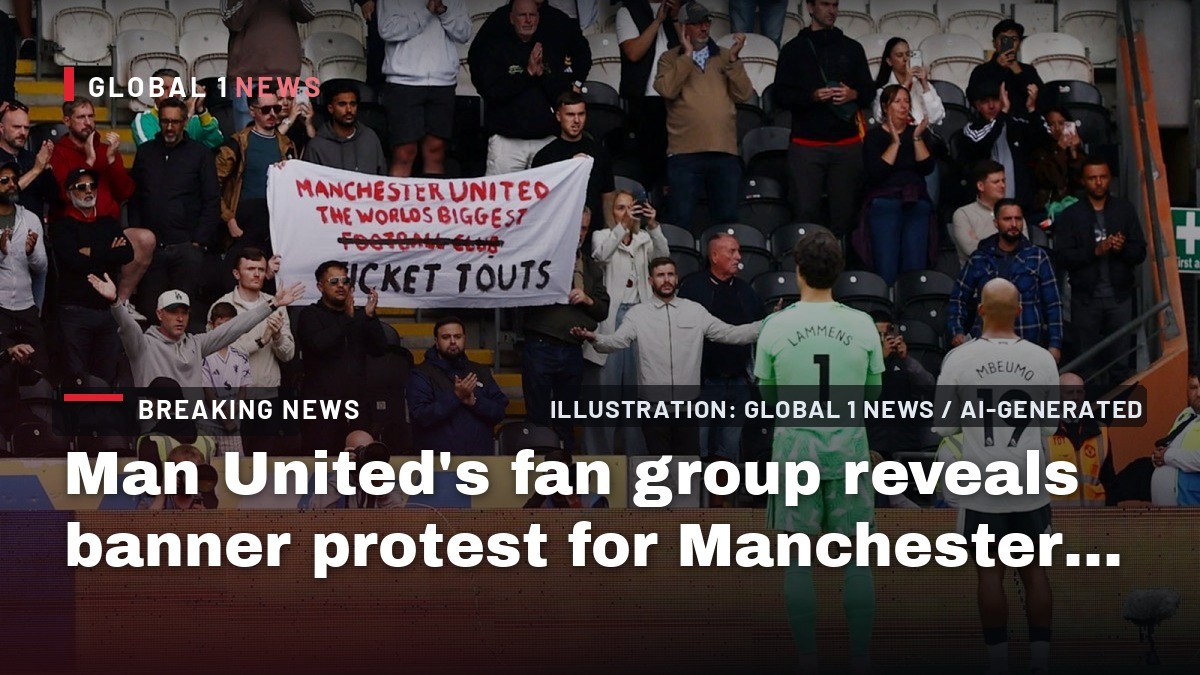
Supporters of Manchester United have turned a routine derby into a platform for protest, signalling a deepening rift between the club’s hierarchy and its most vocal fan base. The Red Army, the organised supporters’ group that occupies the Stretford End, announced that they will forgo their traditional flag display on derby day, replacing it with a solitary banner that reads, “The way you treat us is a disgrace.” The move follows a contentious investigation into ticket touting that has seen the club ban hundreds of season‑ticket holders, prompting accusations that the club is alienating the very fans who form its lifeblood.
Background to the ticket‑touting probe
Manchester United’s recent crackdown on ticket touting began with an internal review that identified “significant misuse of the ticketing system for financial gain”. The club’s statement described the illicit activity as involving “organised ticketing networks” that were controlling, selling and distributing tickets from hundreds of accounts. In total, 1,617 accounts were flagged for “unusual activity”, prompting a tiered response.
Of those accounts, 685 season‑ticket holders received outright bans, while 464 supporters were issued reduced sanctions or final warnings. The bans were upheld by an independent appeals panel in 499 cases, and 73 individuals chose not to appeal. A further 113 ticket‑holders failed to respond to the club’s request for additional information, leaving their status unresolved. The scale of the action – affecting more than six hundred season‑ticket holders – has ignited a firestorm of criticism from fans and commentators alike.
The Red Army’s protest strategy
In a statement released ahead of the derby, the Red Army framed their protest as a collective voice for “every genuine fan group, match‑going supporter, supporters’ club and fan representative”. They stressed that the grievance was not merely a club‑specific issue but a “league‑wide crisis” that threatens the future of rivalries if “drastic changes” are not implemented. By removing the usual flag display in the Stretford End and substituting it with a single banner above the players’ tunnel, the group aims to make a visible, symbolic statement without disrupting the match itself.
The banner’s wording – “The way you treat us is a disgrace” – underscores a sense of betrayal. The supporters’ group insists that the protest is not a “TRA” (Ticket Resale Association) message, but a heartfelt appeal for recognition from those they describe as the “generational match‑going supporters”. Their call to “stand united” against the “season ticket ban fiasco” reflects a broader demand for the club to prioritise match‑going fans in its engagement processes.
Fan mobilisation ahead of the derby
Beyond the banner, the Red Army has organised a physical gathering outside the Bishop Blaize pub near Old Trafford at 3 pm on derby day. This location, a traditional pre‑match meeting point for United fans, will serve as a focal point for the protest. The group’s call to “stand united” has resonated with a segment of the fanbase that feels marginalised by the club’s punitive measures.
The timing of the protest – coinciding with one of the season’s most high‑profile fixtures – is designed to maximise visibility. By staging the demonstration in a public space adjacent to the stadium, the supporters hope to attract media attention and pressure the club’s hierarchy to reconsider its approach to fan engagement. The gathering also offers a platform for fans to voice personal grievances, particularly those directly affected by the ticket bans.
Club’s response and the appeals process
Manchester United’s handling of the ticket‑touting investigation has been characterised by a reliance on an independent appeals panel to adjudicate bans. While the club emphasised the necessity of protecting ticket integrity, critics argue that the process lacks transparency. The fact that 113 season‑ticket holders did not respond to requests for further information raises questions about communication channels and the adequacy of the club’s outreach to its supporters.
Supporters’ groups have called for a more collaborative approach, suggesting that the club engage directly with fan representatives before imposing blanket bans. The Red Army’s statement explicitly demands that match‑going supporters be prioritised in the club’s fan‑engagement strategy, hinting at a desire for a formalised dialogue that could prevent future escalations.
Implications for the broader football community
The Red Army’s protest highlights a tension that extends beyond Manchester United to the entire Premier League. Ticket touting is a pervasive issue, and clubs across the country have adopted varying strategies to combat it. However, the United case illustrates the potential fallout when punitive measures are perceived as heavy‑handed. The supporters’ claim that this is “a league‑wide crisis” suggests that other clubs may face similar backlash if they pursue comparable bans without robust fan consultation.
Moreover, the protest raises questions about the future of traditional rivalries. The Red Army warns that without “drastic changes”, the essence of rivalry – rooted in passionate, match‑going supporters – could be eroded. If fans feel disenfranchised, the atmosphere that defines derby days may diminish, potentially affecting attendance and the commercial appeal of such fixtures.
Historical context of fan protests at United
Fan activism at Manchester United is not a new phenomenon. Over the decades, supporters have organised protests around issues ranging from ticket prices to ownership decisions. The current protest, however, is distinct in its focus on the treatment of season‑ticket holders, a demographic that traditionally enjoys a privileged status within the club’s hierarchy. By targeting the club’s ticket‑allocation policies, the Red Army is challenging a core element of the fan‑club relationship.
The decision to replace the flag display – a long‑standing visual hallmark of the Stretford End – with a solitary banner underscores the symbolic weight of the protest. Flags have historically served as a unifying visual cue for United supporters; their absence on derby day will be conspicuous, signalling to both the club and the wider public that the supporters are withholding a key element of their identity in protest.
Looking ahead: potential outcomes and next steps
The immediate impact of the protest will be measured by the visibility of the banner and the turnout at the Bishop Blaize gathering. Should the demonstration attract significant media coverage, it could compel the club’s hierarchy to engage more directly with fan representatives. The Red Army’s demand for a prioritised fan‑engagement process may prompt the club to establish a formal advisory panel, as has been seen at other clubs facing similar unrest.
In the longer term, the episode may catalyse a reassessment of ticket‑allocation policies across the league. If United’s approach is deemed overly punitive, other clubs may adopt more nuanced strategies that combine robust anti‑touting measures with clearer communication and appeals pathways. For the Red Army and its supporters, the derby protest is a litmus test: it will reveal whether the club is willing to listen, or whether the rift will widen, potentially reshaping the relationship between Manchester United and its most devoted followers.
This article was produced with AI-assisted research and editorial support. Reporting is based on the source material cited below. Sources: The Independent; independent.co.uk; Global1.News (12 September 2026).
By Erica Thornton, Staff Writer
What's Your Reaction?
 Like
0
Like
0
 Dislike
0
Dislike
0
 Love
0
Love
0
 Funny
0
Funny
0
 Wow
0
Wow
0
 Sad
0
Sad
0
 Angry
0
Angry
0

US Politics and Policy Correspondent at Global1.News. Based in Washington DC, covering American politics, policy, elections, and the courts. Knows how the system works and tells you what it actually means.














Comments (0)