
Lebanese Army Enters Pilot Zones as State Tests Sovereignty Against Hezbollah
In a recent i24NEWS English report, the Lebanese government's struggle to reassert authority over its southern borderlands came into sharp focus as army units rolled into Zawtar al-Gharbiya, a village in the Nabatieh region that sits at the edge of what Israel calls its security zone.
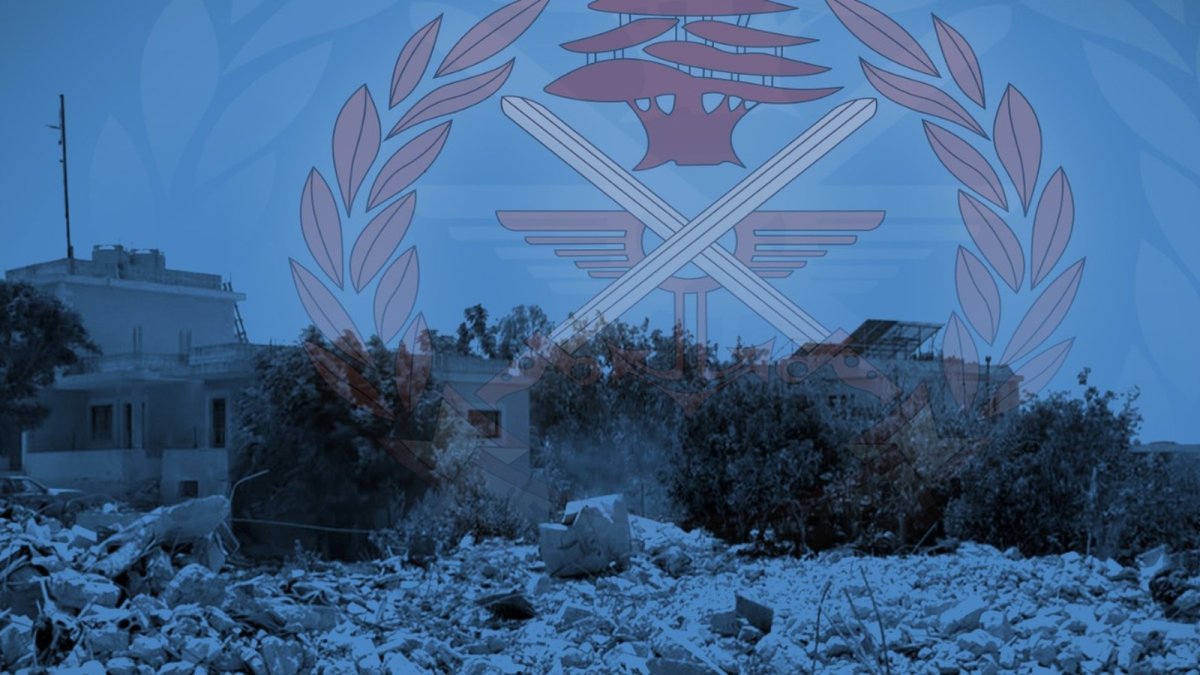
In a recent i24NEWS English report, the Lebanese government's struggle to reassert authority over its southern borderlands came into sharp focus as army units rolled into Zawtar al-Gharbiya, a village in the Nabatieh region that sits at the edge of what Israel calls its security zone. The deployment, which began Tuesday morning, marks the first instance of an actual—if partial—physical handover of territory from Israeli forces to the Lebanese Armed Forces (LAF) under the US-backed trilateral framework agreement signed in Washington on June 26, 2026. Military vehicles flying the Lebanese flag entered the village following the withdrawal of Israeli troops from its outskirts, making Zawtar al-Gharbiya the only one of three designated pilot zones where Israeli forces had maintained a physical presence.
Lebanese Army Enters Pilot Zones as State Tests Sovereignty Against Hezbollah
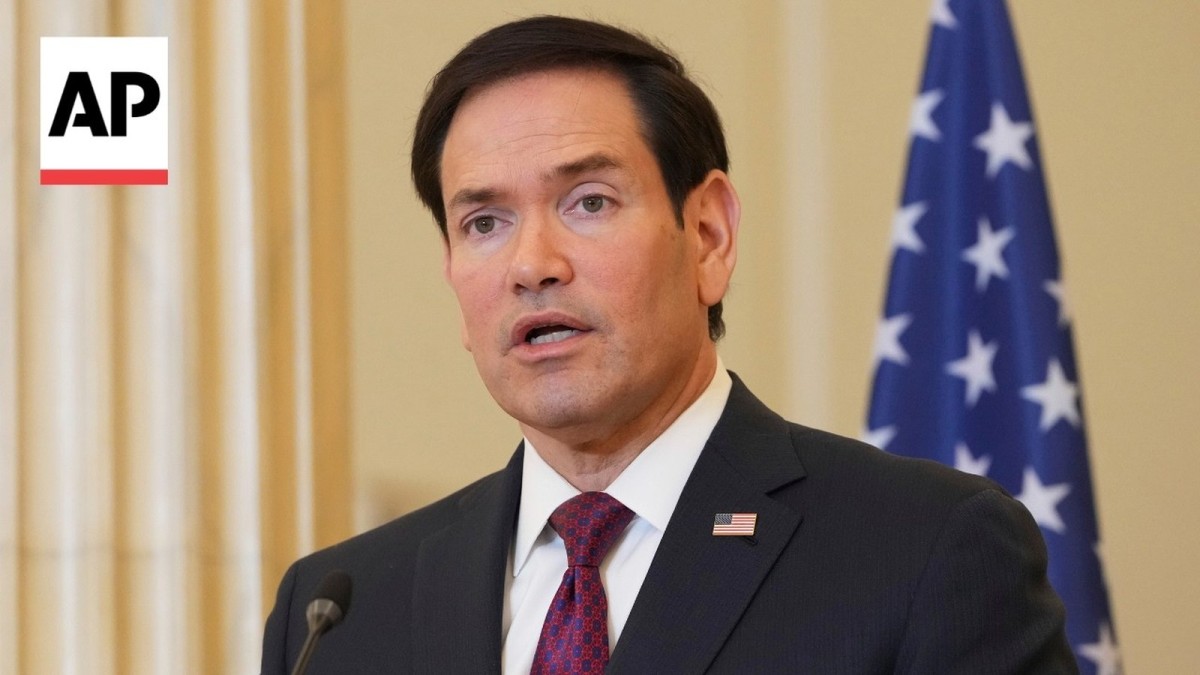
Jerusalem, Israel – August 2026 — The move comes as Lebanese President Joseph Aoun visits Washington, meeting with Secretary of State Marco Rubio to discuss implementation of the agreement, which ties Israeli withdrawal to the verified disarmament of non-state armed groups—an explicit reference to Hezbollah. For Israeli readers, the significance is immediate: this is the first test of whether the Lebanese state can actually deliver on its commitments, or whether the framework will collapse under the weight of Hezbollah's entrenched influence and the deep divisions within Lebanese society.
The Pilot Zones: A Proof of Concept for a Broader Withdrawal
The three pilot zones—Froun, Srifa, and Zawtar al-Gharbiya—were selected based on Israeli military recommendations, according to Prime Minister Benjamin Netanyahu, who has stated that one lies south of the Litani River and one north of it within the expanded security zone. Lebanon's military already maintained a presence in Froun and Srifa, where Israeli forces were not present at all. Zawtar al-Gharbiya was different: Israeli troops had controlled its outskirts, making Tuesday's deployment the first genuine handover of territory under the framework's sequenced process.
A US official described the pilot zones as a genuine test of Lebanon's ability to exercise sovereignty in practice through its own armed forces under American oversight. The initiative is framed less as a final settlement and more as a proof of concept for the broader, unresolved question of Israeli withdrawal from roughly a fifth of Lebanese territory currently occupied. The Israeli military said it would adjust its force posture in one of the pilot areas but stopped short of describing a full withdrawal, with Israeli officials separately stating that forces intend to remain in a security zone roughly 10 kilometers deep along the Lebanese frontier for as long as Hezbollah remains armed.
The framework's security annex, containing the specific rules governing Israeli withdrawal, has not been publicly released in full. A Military Coordination Group for Lebanon, involving the US, Israeli, and Lebanese militaries, was established to oversee implementation. Netanyahu has been explicit that Israel's security requirements take precedence over the pace of any broader withdrawal, a position that creates inherent tension with Lebanese sovereignty claims and with the framework's own sequencing.
Hezbollah's Rejection and the Question of Resistance
Hezbollah, which was not party to the framework negotiations, has rejected the agreement outright and refuses to disarm. Secretary-General Naim Qassem has stated there will be no normalization with Israel, insisting that Israel must withdraw from Lebanon unconditionally rather than in exchange for disarmament. The group has not publicly stated whether it will actively resist implementation of the pilot zones on the ground, leaving a critical ambiguity that hangs over the entire process.
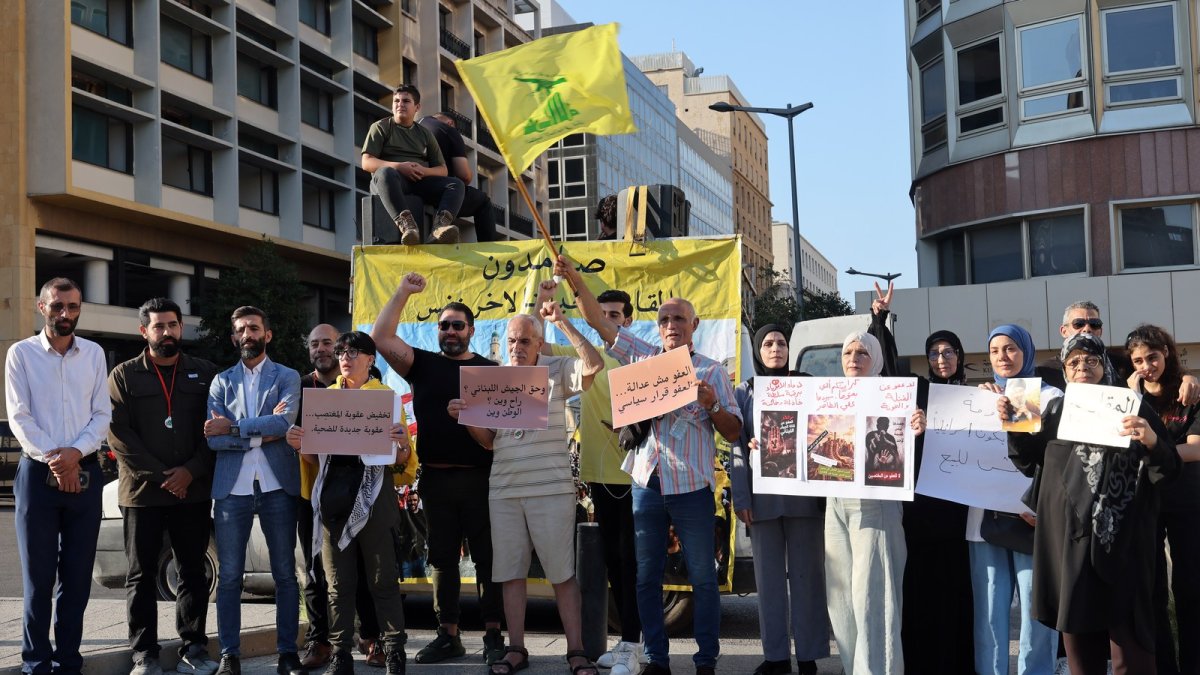
Supporters of Hezbollah protested in Beirut against Lebanese-Israeli talks on August 18, 2026, reflecting the deep anger among the group's constituency. The protests underscore the challenge facing the Lebanese state: it must contend with Hezbollah's deep-rooted social welfare system and persuade its supporters that it can provide security—even as continuing Israeli occupation and attacks undermine the state's claim that it can protect Lebanon.
For Israeli defense analysts, the critical question is whether Hezbollah will allow the Lebanese army to operate freely in the pilot zones or whether it will quietly maintain its presence, testing the framework's credibility from within. The group's silence on active resistance may reflect a strategic calculation: allowing the pilot zones to proceed could expose the Lebanese state's inability to deliver, while active resistance would invite Israeli retaliation and further entrench the occupation.
The Human Cost: A Widow's Choice Between State and Party
The state's challenge extends far beyond disarming Hezbollah. Fatima al-Ashkar, a 26-year-old widow from Markaba in south Lebanon, lost her husband Mohammed Ali, a Hezbollah member, to Israeli fire in early April. Hezbollah's martyr foundation found and furnished an apartment for her and her children in the southern suburbs of Beirut, covering the rent in full, and continues to provide stipends for each child, pay school fees, and cover all healthcare costs. Representatives visit for psychological support sessions.
"Honestly, I don't care about the state. Before, we used to say: 'They should speak, they should do something.' Now, whether they speak, or don't speak, it makes no difference to us," al-Ashkar said. Her words capture the existential challenge for the Lebanese state: it cannot compete with Hezbollah's welfare apparatus, and it cannot claim to protect citizens while Israeli forces remain on Lebanese soil and continue strikes and controlled detonations in villages near the border.
Mustapha Hamze, a 66-year-old doctor from the outskirts of Nabatieh, offers a different perspective. Neither Hezbollah's weapons nor the government's diplomacy has helped him access his home, which he fled in the early days of the war. The last time he tried, an Israeli drone fired on him. He has applied for safe passage through the Lebanese army's deconfliction mechanism but has yet to receive it. For Hamze, the framework's promises remain abstract; his daily reality is defined by Israeli drones and an inaccessible home.
Regional Dynamics: The Wider Middle East War and Its Aftermath
The current framework follows prior agreements that failed to durably resolve the same dispute: the 1989 Taif Agreement that ended Lebanon's civil war, UN Security Council Resolution 1701 that ended the 2006 Israel-Hezbollah war, and a November 2024 ceasefire. None of these made Lebanese state control over its own south, and Hezbollah's disarmament specifically, an enforceable condition tied to Israeli withdrawal. The June 2026 framework attempts to correct that flaw by sequencing disarmament verification before Israeli redeployment.
Israel invaded Lebanon after Hezbollah joined the wider Middle East war in March 2026 with rocket attacks in support of Iran. The invasion and continued occupation have displaced tens of thousands of Lebanese civilians and created a humanitarian crisis in the south. Under international law, an occupying force's continued presence in territory beyond what is necessary for legitimate security purposes can raise questions of proportionality—a legal vulnerability that Israeli officials acknowledge but dismiss in favor of security considerations.
Hezbollah's supporters accuse the government of humiliating Lebanon by negotiating directly with Israel; Hezbollah's opponents blame the group for provoking a war by launching rockets at Israel on March 2, triggering Israel's invasion and current occupation. This internal Lebanese divide mirrors the broader regional fault lines: Iran-backed Hezbollah versus US-backed state institutions, with the Lebanese population caught in between.
What This Means for Israel and the Region
For Israel, the pilot zones represent a calculated bet: if the Lebanese army can establish effective control and disarm Hezbollah in these three villages, the framework could provide a template for broader withdrawal. If it fails, Israel retains its security zone and can argue that the Lebanese state is incapable of fulfilling its obligations. Either outcome serves Israeli security interests in the near term, but the longer-term implications are more complex.
The framework's success depends on Lebanese President Aoun's ability to maintain alignment with Washington on the pace of Israeli troop withdrawals, as he stressed in his meeting with Rubio. But Aoun faces a deeply divided country: Hezbollah's constituency rejects the agreement outright, while the group's opponents see it as the only path to ending Israeli occupation. The state must persuade Hezbollah's supporters that it can provide security and welfare comparable to what the party offers—a nearly impossible task while Israeli forces remain on Lebanese soil.
The coming weeks will test whether the pilot zones can function as intended. The Lebanese army's deployment to Zawtar al-Gharbiya is a symbolic first step, but the framework's security annex remains classified, Hezbollah's intentions remain unclear, and the Israeli military retains the right to adjust its force posture based on its own security assessments. For Israeli readers, the key takeaway is that the pilot zones are not a withdrawal—they are a test of whether the Lebanese state can do what no previous agreement has achieved: disarm Hezbollah and establish sovereign control over its own territory.
By Hannah Berg, Staff Writer
This article was produced with AI-assisted research and editorial support. Reporting is based on sources cited in the article.
What's Your Reaction?
 Like
0
Like
0
 Dislike
0
Dislike
0
 Love
0
Love
0
 Funny
0
Funny
0
 Wow
0
Wow
0
 Sad
0
Sad
0
 Angry
0
Angry
0
Israel Correspondent at Global1.News. Based in Tel Aviv, covering Israeli politics, security, technology, and society. Provides balanced, deeply-sourced reporting on one of the most closely-watched regions in the world.












Comments (0)