
King to address slavery in Antigua as PM says he is open to possible UK apology
King Charles III will close his nine‑day Caribbean tour with a speech to the Commonwealth Heads of Government Meeting (CHOGM) in Antigua, promising “unflinching honesty” and “sincere sorrow” about the legacy of the trans‑Atlantic slave trade.
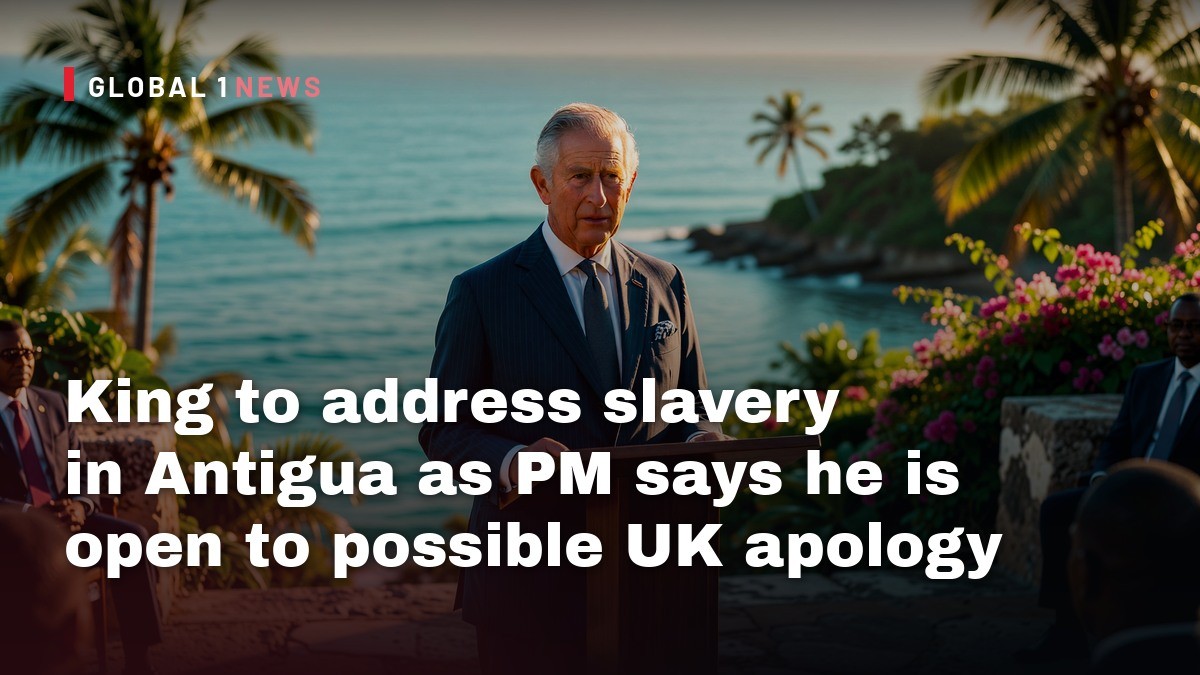
King Charles III will close his nine‑day Caribbean tour with a speech to the Commonwealth Heads of Government Meeting (CHOGM) in Antigua, promising “unflinching honesty” and “sincere sorrow” about the legacy of the trans‑Atlantic slave trade. The address comes at a moment when the United Kingdom’s colonial past is being pressed by Caribbean leaders for a formal apology, and when internal British politics are debating whether such gestures are merely symbolic or a step toward reparatory justice. For the region, the King’s words are less about royal protocol than about the very real, still‑painful consequences of centuries‑old exploitation that continue to shape economies, societies and the political imagination across Latin America and the Caribbean.
Royal rhetoric meets political reality
The palace has made clear that the King’s remarks will be framed with “unflinching honesty, sincere sorrow and respect for the wider discussions that will be taking place between relevant governments.” Yet the spokesperson also warned that it would be “not appropriate” for the monarch to comment on policy, leaving the substantive question of a British apology to the elected government. This diplomatic tightrope reflects a long‑standing British practice: the Crown speaks on moral themes while leaving concrete political decisions to ministers. In this case, the King’s role is to acknowledge historical suffering without committing the United Kingdom to any specific redress.
Prime Minister Andy Burnham’s recent Guardian op‑ed marked a notable shift. He described the slave trade as a “brutal and barbaric violation” and said Britain “must face up to the past.” More strikingly, Burnham said he was “open” to the possibility of a formal UK apology—a departure from the previous stance of his predecessors, who stopped short of any reparations talk. The palace was briefed on Burnham’s comments, but officials say the King has not altered his speech in response. This suggests the monarchy is maintaining a neutral stance while the political debate in London intensifies.
Caribbean leaders demand seriousness, not symbolism
Antigua and Barbuda’s Prime Minister Gaston Browne used the Independence Day address to underscore that the trauma of slavery “has not disappeared with the passage of time.” He called for “seriousness, sensitivity and sustained international engagement” in the pursuit of reparatory justice, and noted that his government is already discussing the issue in bilateral talks with the UK and other Commonwealth nations at CHOGM. Browne’s language signals that Caribbean states are no longer content with symbolic gestures; they seek concrete engagement that acknowledges the economic and social legacies of slavery.
The call for “seriousness” resonates across the region. In Guyana, the King visited a historic slave rebellion site where “hundreds of enslaved people were killed,” highlighting the depth of resistance and the human cost of the trade. While the royal visit was framed as an educational moment, local activists have long argued that such tours must translate into policy changes—particularly in trade, investment and reparations—that can address the structural inequities rooted in the slave economy.
British political divisions: apology or distraction?
Within the UK, the debate is sharply divided. Conservative Party leader Kemi Badenoch dismissed “endless talk about apologies” as a distraction from current problems, urging the Commonwealth to “look forwards, not endlessly backwards.” Her stance reflects a broader Conservative narrative that prioritises present‑day economic challenges over historical accountability. By contrast, Burnham’s openness to an apology aligns with a growing segment of the British left and some centrist voices that see moral reckoning as a prerequisite for genuine partnership with former colonies.
The tension between these positions illustrates how the question of an apology is not merely about words but about power dynamics within the Commonwealth. If the UK were to issue a formal apology, it could set a precedent for other former colonial powers and potentially open the door to broader discussions of reparations, trade reforms, and debt relief—issues that have long haunted Caribbean economies.
The Commonwealth as a platform for change
CHOGM, gathering leaders from 56 states every two years, is officially themed this year around “Accelerating Partnerships and Investment for a Prosperous Commonwealth.” The theme, while forward‑looking, is inseparable from the historical context the King will address. As Burnham pledged to strengthen the Commonwealth’s work, the organization’s scale offers a unique venue for small island states to amplify their demands on a global stage.
Royal aides have emphasized that the King sees the Commonwealth as a “powerful vehicle for change.” By linking the moral acknowledgment of slavery with the meeting’s investment agenda, the monarchy is subtly positioning the Commonwealth as a bridge between past grievances and future development. Whether this framing translates into tangible policy shifts—such as preferential trade terms, climate financing, or educational programmes about the slave trade—remains to be seen.
Human stories behind the diplomatic choreography
Beyond the high‑level rhetoric, the tour has produced vivid human moments that underscore the lived reality of the region’s colonial legacy. In Antigua, the King and Queen Camilla attended a church service on Independence Day, where Bishop Ernest Flemming reminded the congregation that “true partnership requires mutual respect, listening and fairness.” The bishop’s words echo the broader sentiment that the Commonwealth’s prosperity must be shared, not imposed.
Later, a sudden downpour drenched the King during the Independence Day ceremony, leaving him without an umbrella while the Queen was quickly covered. The image of the monarch gesturing for his own umbrella, though light‑hearted, symbolised the precarious balance he must maintain—caught between ceremonial duties and the weight of historical accountability. It also highlighted the very real environmental challenges the Caribbean faces, a theme the King has touched on in other engagements across the tour.
Royal health and family turbulence in the backdrop
The King’s personal circumstances add another layer to the narrative. Diagnosed with cancer in early 2024, he remains on a “positive trajectory,” according to palace statements. By the end of the nine‑day tour, he will have completed roughly 36 engagements, a demanding schedule for a monarch managing a serious health condition. This perseverance, however, is juxtaposed with recent family turmoil: the return of his son, the Duke of Sussex, to the UK with wife Meghan, and ongoing scrutiny over allegations involving Meghan’s father. While the palace declined to comment on private family matters, the public’s focus on these issues reflects broader questions about the relevance and resilience of the monarchy in a rapidly changing world.
These personal and familial pressures may influence how the King approaches his speech. A monarch aware of his mortality and the scrutiny of his family might be more inclined to frame his remarks in a conciliatory, unifying tone, aiming to leave a legacy of empathy rather than controversy.
What the Antiguan address could mean for the region
When the King finally speaks at CHOGM, his words will be measured against the expectations of Caribbean leaders who have long demanded more than “sincere sorrow.” Browne’s call for “seriousness” and Burnham’s openness to an apology set a high bar. If the speech acknowledges the “lasting pain” of the slave trade without committing to concrete steps, it may be seen as a diplomatic gesture that falls short of the reparatory justice many in the region seek.
Nevertheless, the very act of confronting the “most shameful aspects of the past” on a global stage keeps the issue alive in international discourse. It forces Commonwealth members to grapple with the moral dimensions of their shared history while negotiating the practicalities of trade, climate aid and development. For Latin America and the Caribbean, the King’s visit is another chapter in a long struggle to turn historical acknowledgment into material change—a struggle that will continue to shape the region’s relationship with former colonial powers for years to come.
This article was produced with AI-assisted research and editorial support. Reporting is based on the source material cited below. Sources: BBC News Latin America; bbc.co.uk; Global1.News (02 November 2026).
By Elena Vasquez, Staff Writer
What's Your Reaction?
 Like
0
 Dislike
0
 Love
0
 Funny
0
 Wow
0
 Sad
0
 Angry
0

Latin America Correspondent at Global1.News. Based in Mexico City, covering politics, economics, energy, and culture across the region. Brings an on-the-ground perspective to stories spanning from the Rio Grande to Patagonia.









Comments (0)