
Iran's Hidden Supreme Leader Fuels Power Struggle as Hormuz Deal Nears
The 2026 Iran war has reshaped Middle East power balances, intertwining Iran's internal succession struggles with broader Sunni-Shia tensions, Gulf states' economic diversification efforts, and competition over energy routes that affect global markets and great power interests from Washington to Beijing. These developments carry direct implications for Arab-Israeli normalization processes and the stability of shipping lanes critical to LNG and oil supplies.
The 2026 Iran war has reshaped Middle East power balances, intertwining Iran's internal succession struggles with broader Sunni-Shia tensions, Gulf states' economic diversification efforts, and competition over energy routes that affect global markets and great power interests from Washington to Beijing.
These developments carry direct implications for Arab-Israeli normalization processes and the stability of shipping lanes critical to LNG and oil supplies.
Iran's Hidden Supreme Leader Fuels Power Struggle as War Drags On
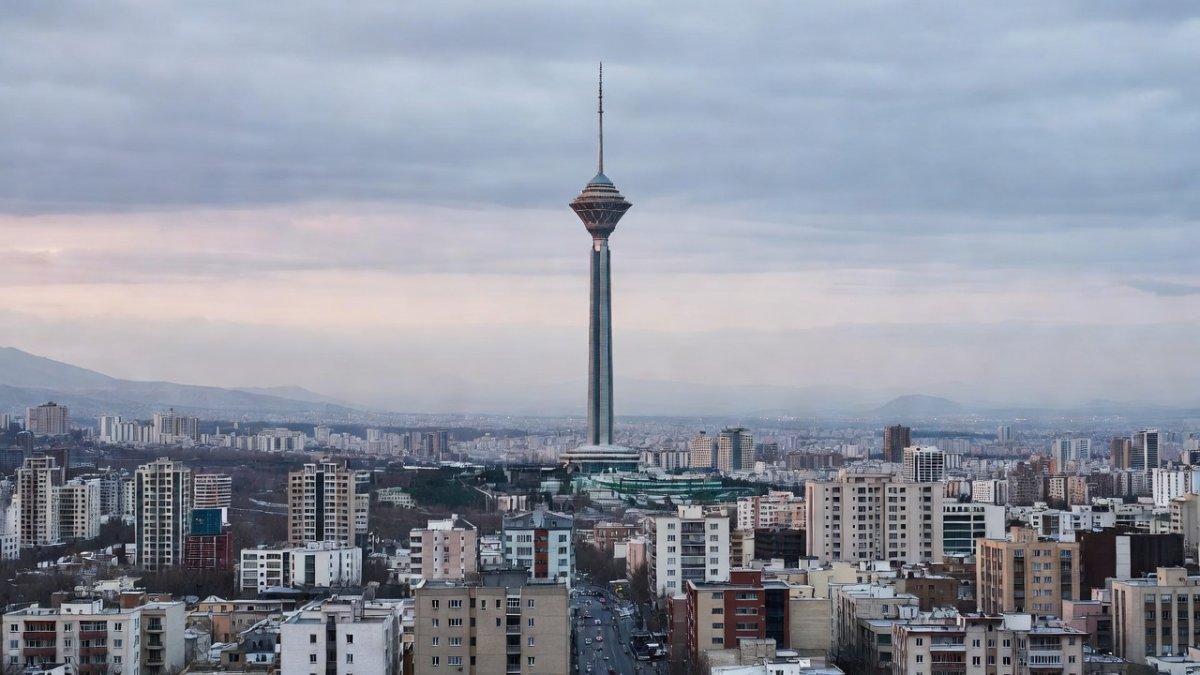
Tehran, Iran – August 6, 2026 — Iranian President Masoud Pezeshkian stated on August 5 that communicating with Supreme Leader Mojtaba Khamenei remains very difficult, while describing his presence as a strong point of strength for the country. Al Arabiya English reported the remarks, which come as Mojtaba Khamenei has made no public appearances since his March 8 election by the Assembly of Experts.
Geopolitical Context
The February 28 US-Israeli airstrikes that opened the 2026 war triggered Iran's missile and drone responses across multiple fronts, followed by the late March closure of the Strait of Hormuz. This sequence produced the largest recorded oil supply disruption, with the UAE, Saudi Arabia, and Kuwait conducting their own strikes on Iranian targets while Israel maintained its southern Lebanon occupation from March onward. The June 17 Versailles memorandum that paused hostilities for sixty days collapsed on July 8, leaving both sides engaged in renewed exchanges that have sustained pressure on energy routes.
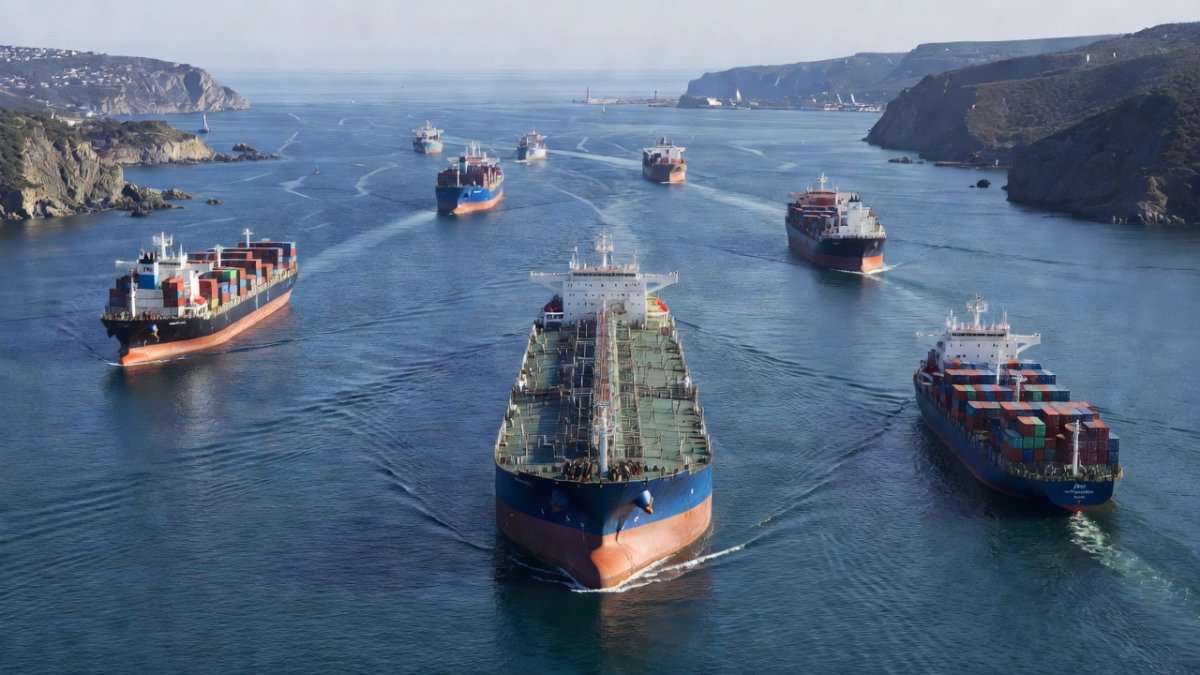
US naval measures have effectively complemented Iran's Hormuz blockade, creating a dual constraint on commercial traffic that directly affects insurance premiums and rerouting decisions for tankers carrying roughly one-fifth of global oil supplies plus substantial LNG volumes. Gulf states face elevated costs for their own exports, while broader market volatility has already registered in Brent crude movements. These overlapping blockades underscore the strait's position as a chokepoint where localized military decisions generate immediate worldwide economic consequences.
The war that began with US-Israeli airstrikes on February 28 has produced the largest oil supply disruption on record. Iran responded with missile and drone attacks on Israel, US-aligned Arab countries, and US bases before blocking the Strait of Hormuz in late March. The UAE, Saudi Arabia, and Kuwait conducted strikes on Iran, while Israel occupied southern Lebanon starting in March. A June 17 memorandum signed at the Palace of Versailles suspended hostilities for 60 days, yet the ceasefire collapsed on July 8 after renewed attacks by both sides. US war costs reached an estimated $113.3 billion by June, with President Trump requesting $1.5 trillion for the Pentagon. Iranian casualties stand at 3,528 killed and 27,170 injured according to official figures, while HRANA reports 3,684 killed including 1,721 civilians. US losses include 19 soldiers and one contractor killed, with Israel reporting 40 soldiers, one contractor, and 31 civilians killed.
Historical Background
Ali Khamenei's death in the initial strikes led to the constitutional formation of an Interim Leadership Council on March 1, after which the Assembly of Experts elected Mojtaba Khamenei on March 8. This process marked the first instance in the Islamic Republic's history of a son succeeding his father as supreme leader, following the 1979 revolution and the 1989 transition from Ayatollah Khomeini to Ali Khamenei. The Assembly's role in formalizing the succession has placed additional scrutiny on the limited public visibility of the new leader since that date.
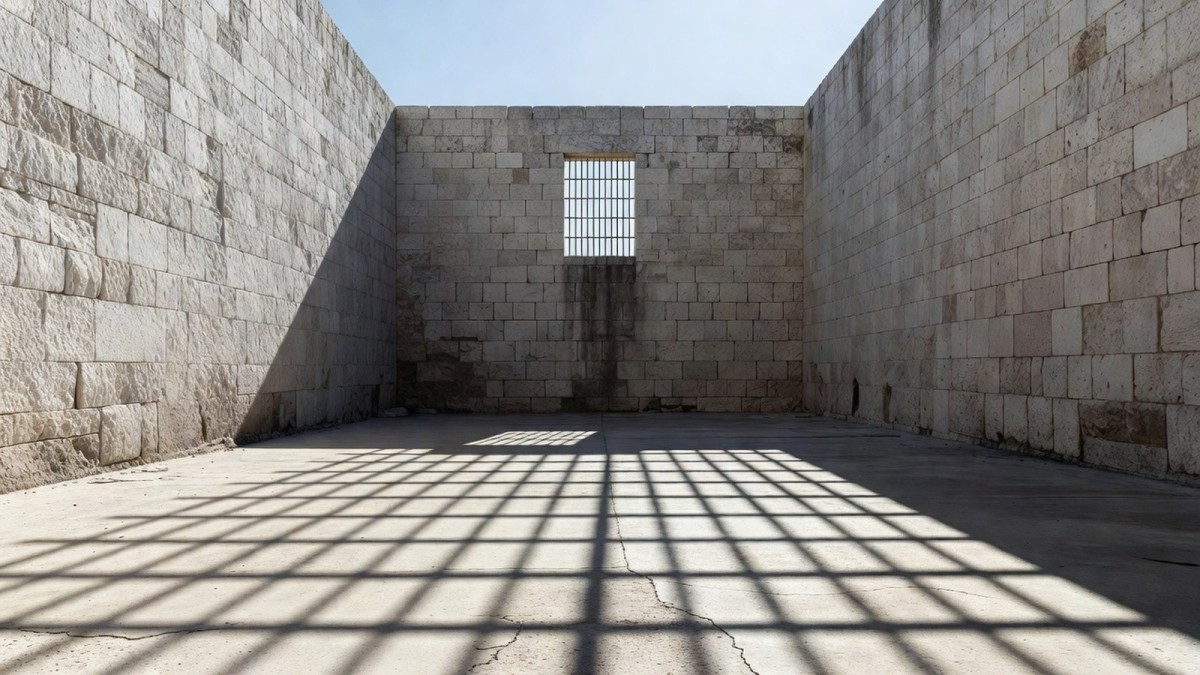
Iran's nuclear enrichment trajectory, shaped by the 2015 JCPOA and the 2018 US withdrawal under Trump, remains intertwined with current leadership questions. Pezeshkian's reported difficulties in securing direct access to Mojtaba Khamenei, including a denied request to the leader's residence and reliance on a single voice conversation in a darkened vehicle, highlight internal communication fractures that predate the war but have intensified under combat conditions. These dynamics affect how nuclear-related bargaining positions are coordinated within the Iranian system.
Following the death of Supreme Leader Ali Khamenei in the initial strikes, an Interim Leadership Council was formed on March 1 under the constitution. Mojtaba Khamenei was elected supreme leader on March 8, with pledges of allegiance from the IRGC and senior figures including Mohammad Bagher Ghalibaf, Ali Larijani, and Masoud Pezeshkian. Wounded early in the war, Mojtaba has remained out of public view for five months, prompting state media to offer unusual justifications for the absence. Iran International reported on August 4 that Pezeshkian was taken to a secret Tehran location for a brief meeting in a darkened vehicle where he could not see the man presented as Mojtaba and was permitted only a voice conversation. Pezeshkian later questioned whether the voice belonged to the supreme leader. Foreign Minister Abbas Araghchi stated in July that he had not seen Mojtaba during this period and that only a limited number of people had met him.
Regional Dynamics
Saudi Arabia, the UAE, and Kuwait's participation in strikes against Iran occurs alongside their ongoing economic diversification programs, including Saudi Vision 2030 and the UAE's development as a regional shipping and finance center. Qatar's LNG export interests add further stakes in any Hormuz shipping arrangement, as prolonged closure raises costs and rerouting challenges for all Gulf producers. The August 5 understanding between Iran and Oman on a controlled corridor therefore intersects with these states' efforts to stabilize energy revenues amid the conflict.
Israel's continued occupation of southern Lebanon since March has frozen earlier Saudi-Israel normalization talks that followed the 2020 Abraham Accords. Turkey's positioning as a potential mediator and Egypt's emphasis on avoiding further regional escalation both influence the diplomatic space available for Hormuz negotiations. These Arab-Israeli dynamics and Gulf economic priorities create overlapping pressures that any sustained shipping agreement must navigate.
Sunni-Shia competition frames much of the Gulf response, as Saudi Arabia, the UAE, and Kuwait participated in strikes against Iran while pursuing economic diversification away from oil dependence. The proposed Iran-Oman shipping corridor through the Strait of Hormuz, with an understanding reached on August 5, would grant Tehran greater control over passage of roughly 20 percent of global oil and significant LNG volumes. This development intersects with Arab-Israeli normalization efforts, as Israel's occupation of southern Lebanon continues amid the broader conflict. Great power competition adds pressure, with US naval blockade measures and Chinese interests in stable energy flows both at stake. Pezeshkian, aligned with pragmatists including Abbas Araghchi and Mohammad Javad Zarif, favors negotiated settlements, while hardliners led by IRGC commander Ahmad Vahidi push for uncompromising confrontation.
Strategic Calculus
Iran seeks formalized recognition of its influence over Hormuz passage as leverage in broader talks, while Oman pursues mediator prestige alongside protection of its own shipping interests. The United States aims for strait reopening combined with nuclear constraints and a politically viable exit from engagement that has already cost an estimated $113.3 billion. Gulf states prioritize reduced insurance rates and energy market stability that would follow any operational corridor agreement.
Each actor holds distinct leverage: Iran's control of the strait, US naval presence, and Gulf states' capacity to influence insurance markets and alternative routes. Second-order effects include the observed Brent crude decline of roughly 5 percent to around $84 per barrel after delayed strikes, following a prior drop exceeding 20 percent from June peaks. Prolonged uncertainty risks further price swings and sustained elevation of tanker insurance costs across the region.
Analysis indicates that Mojtaba Khamenei's prolonged absence creates a legitimacy challenge for Iran's leadership structure. Pezeshkian's repeated requests for meetings, including a denied request to the leader's residence, and his earlier public claim of a 2.5-hour cordial meeting in mid-May, reflect internal maneuvering. Senior cleric Mohammad Bagher Kharrazi reported on August 3 that Mojtaba formally warned Pezeshkian's next resignation attempt after 28 prior threats would be accepted. US President Donald Trump assessed three weeks ago that Mojtaba had likely been killed, while Israel's prime minister stated he remains alive. Pragmatists view military pressure and Hormuz leverage as tools for bargaining with Washington, whereas hardliners seek maximal confrontation. Zarif warned on August 3 that prolonged Hormuz closure risks generating international consensus against Iran, including from China.
Regional Implications
A deal that holds could stabilize energy markets and ease immediate pressure on Gulf security arrangements, whereas collapse similar to the July 8 breakdown of the Versailles memorandum would extend volatility. Leadership change inside Iran remains a variable that could alter negotiating postures and affect the credibility of any Hormuz understanding reached under current conditions. These outcomes directly shape prospects for resuming Arab-Israeli normalization processes stalled by the Lebanon occupation.
US credibility in the region hinges on whether engagement produces measurable de-escalation or simply adds to the $1.5 trillion Pentagon funding request already submitted. Israel's Lebanon campaign continues amid these uncertainties, while Gulf diversification strategies face ongoing risks from supply shocks. The interplay between energy market reactions and great-power interests in stable flows will determine how the conflict's resolution influences broader Middle East security architecture.
A finalized Hormuz shipping route would lower insurance and energy costs for Gulf states while providing Tehran a strategic asset. For Washington, the understanding offers a potential face-saving exit from costly engagement. Oil markets have already reacted, with Brent crude falling about 5 percent on August 3 to around $84 per barrel after Trump delayed strikes, following a more than 20 percent drop from war peaks in June. The war's supply shocks underscore the strait's role as a weapon of economic pressure. Continued uncertainty over Iran's leadership succession risks prolonging instability, affecting Arab-Israeli dynamics and Gulf diversification strategies amid ongoing great power competition over energy security.
By Malik Hassan, Staff Writer
This article was produced with AI-assisted research and editorial support. Reporting is based on sources cited in the article.
What's Your Reaction?
 Like
0
Like
0
 Dislike
0
Dislike
0
 Love
0
Love
0
 Funny
0
Funny
0
 Wow
0
Wow
0
 Sad
0
Sad
0
 Angry
0
Angry
0

Middle East Correspondent at Global1.News. Based in Beirut, covering politics, conflict, energy, and society across the Middle East. Brings context and depth to a region often reduced to headlines.











Comments (0)