
Gaza Patients Protest Crossing Closures Blocking Lifesaving Medical Care
In a recent Middle East Eye report, Palestinian patients and wounded individuals staged a protest outside Nasser Hospital in Khan Younis on Sunday, demanding the opening of frontier crossings so they could leave Gaza for urgent medical treatment.
In a recent Middle East Eye report, Palestinian patients and wounded individuals staged a protest outside Nasser Hospital in Khan Younis on Sunday, demanding the opening of frontier crossings so they could leave Gaza for urgent medical treatment. The demonstration, which took place against the backdrop of a health system reduced to rubble, underscores a grim reality: thousands of patients remain stranded in the enclave, their lives hanging in the balance as border closures persist. With at least 73,381 Palestinians killed and 174,231 wounded in Israeli attacks since 7 October 2023, the protest highlights a medical evacuation crisis that has become a defining feature of the ongoing conflict.
Stranded Patients Protest Gaza Border Closure Crisis
Khan Younis, Gaza Strip – 11 August 2026 — The scene outside Nasser Hospital on Sunday was one of desperation and defiance. Dozens of patients, many in wheelchairs or on stretchers, gathered with family members and medical staff, chanting for the international community to intervene. They held signs reading "Let us live" and "Medical treatment is a right, not a privilege."
The demonstrators directed their appeals to the World Health Organization (WHO), the International Committee of the Red Cross and the Egyptian authorities, urging them to pressure Israel to reopen the crossing for medical passage. The protest, organized by patient advocacy groups, came just days after the Rafah crossing — the territory’s sole lifeline to the outside world — was again closed to medical evacuations, leaving hundreds of critical cases in limbo. According to Gaza’s Ministry of Health, between six and 10 patients die each day while waiting to travel abroad for treatment, as restrictions on movement and border crossings continue to tighten around a medical system already reduced to rubble.
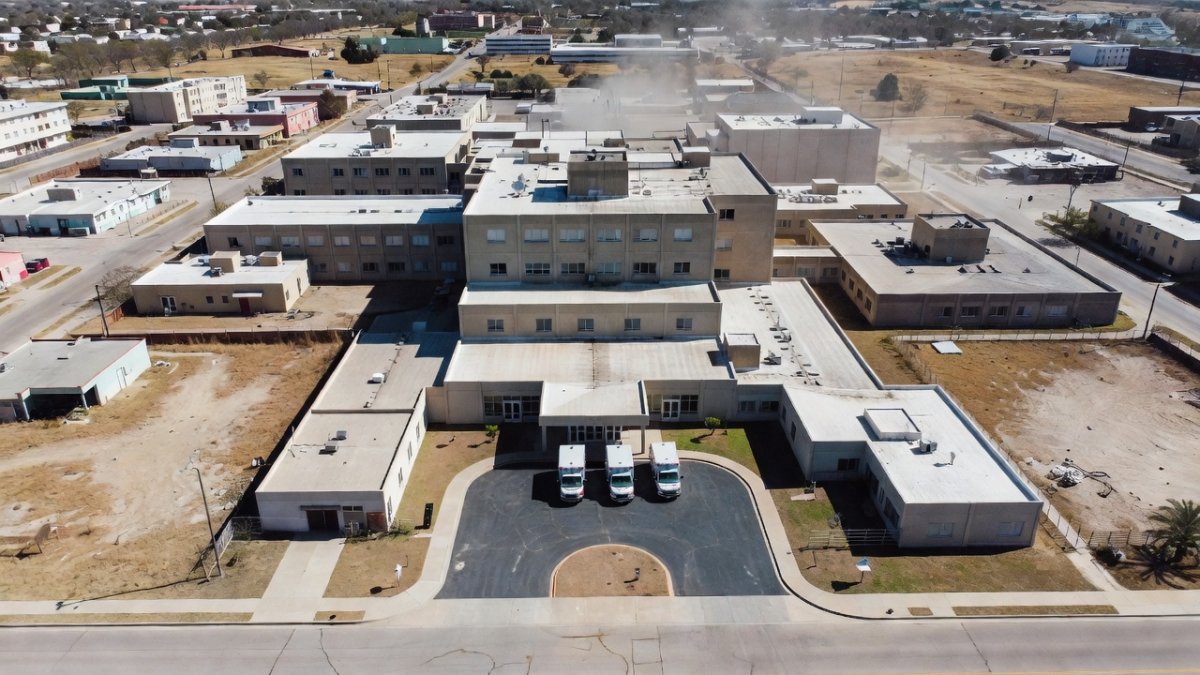
Protest at Nasser Hospital
Sunday's protest was not an isolated event. It followed a similar demonstration on 5 July 2026, when patients and wounded people gathered outside the same hospital demanding permission to continue medical treatment abroad. In both instances, demonstrators said the health conditions of patients awaiting evacuation have deteriorated significantly due to limited access through border crossings. The repeated protests reflect a growing sense of abandonment among Gaza's patient population, who see the international community's attention waning even as their medical needs become more acute.
Nasser Hospital, the largest medical facility in the southern Gaza Strip, has become a focal point for these demonstrations. The hospital, which has been repeatedly damaged and partially operational throughout the war, now serves as a staging ground for patients awaiting evacuation.
Medical staff at the facility report that they are overwhelmed, with limited supplies and a constant influx of new casualties. Doctors describe watching patients deteriorate while the specialized care they need remains just a few kilometres away, across the border — treatment that the closure of the crossings places permanently out of reach.
A Medical System in Collapse
The protest at Nasser Hospital is a symptom of a broader medical catastrophe. Gaza's health system, already fragile before the war, has been systematically dismantled over the past 34 months. According to the Gaza Ministry of Health, at least 73,381 Palestinians have been killed and 174,231 wounded in Israeli attacks since 7 October 2023. The true toll is likely higher, as many bodies remain buried under rubble and medical infrastructure has been destroyed, hampering accurate casualty counts.
The WHO has documented the near-total collapse of Gaza's healthcare capacity. Of the territory's 36 hospitals, only a fraction remain partially functional, and most lack the specialized equipment needed for complex surgeries, cancer treatment, and chronic disease management. The blockade has also prevented the entry of essential medicines, medical supplies, and fuel for generators, forcing doctors to perform surgeries without anesthesia and treat infections with expired antibiotics. For patients with conditions like cancer, kidney failure, or severe trauma, the only hope lies in evacuation to hospitals in Egypt, Jordan, or other countries—a hope that remains largely unfulfilled.
The Rafah Crossing Bottleneck
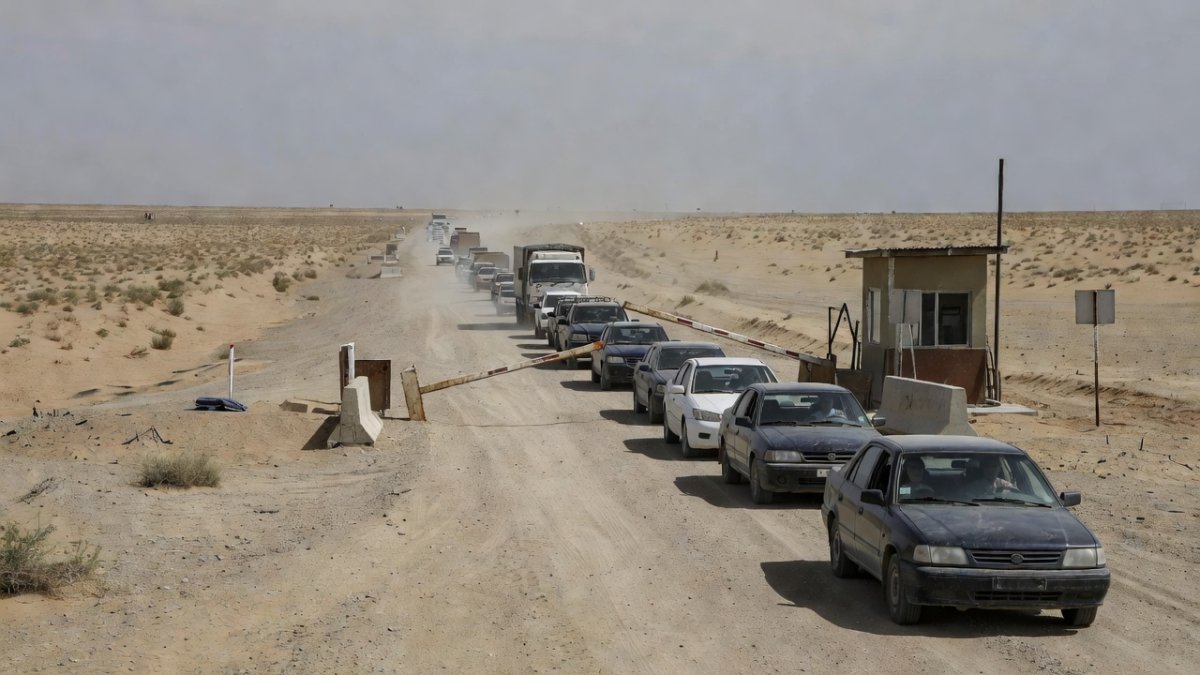
The Rafah crossing with Egypt, the sole route out of Gaza for nearly all of the territory's more than two million inhabitants, has been closed by Israeli authorities for most of the war. It was partially reopened in early February 2026 as one of the terms of the US-brokered ceasefire agreement, allowing limited return of Palestinians and evacuation of patients. On 2 February 2026, WHO and partners supported the medical evacuation of the first five patients and seven companions to Egypt via Rafah, a move confirmed by WHO spokesperson Christian Lindmeier. It was a symbolic but painfully small step.
Since then, the crossing has operated sporadically, with closures and reopenings creating a bottleneck that has trapped thousands of patients. The UN Office for the Coordination of Humanitarian Affairs (OCHA) reported that Rafah was closed between 28 February and 18 March 2026, then reopened on 19 March 2026 for limited entry of returnees and evacuation of patients and companions. On 21 July 2026, 38 patients left Gaza through Rafah as part of a limited medical evacuation operation, according to the Palestinian information agency. But these numbers are a drop in the ocean compared to the need.
The WHO has said the closure of Rafah prevented at least 2,000 medical evacuations. This figure, while stark, does not capture the full scope of the crisis. Thousands more patients have been unable to even apply for evacuation due to the lack of a functioning administrative system, and many have died while waiting. The intermittent nature of the crossing's operation has also created a chaotic and unpredictable environment, where patients and their families must be ready to leave at a moment's notice, often with no guarantee that the crossing will actually open on the scheduled day.
Lives Lost While Waiting
The human cost of the crossing closures is measured not just in statistics but in lives lost. In March 2026, Gaza's Ministry of Health reported that between six and 10 patients die each day while waiting to travel abroad for medical treatment, due to restrictions on movement and border crossings. This staggering figure means that, in the months since the ceasefire, hundreds of patients have died preventable deaths—people who could have been saved with timely access to specialized care.
The human toll is documented in the waiting lists of Gaza’s hospitals. The WHO has said the closure of Rafah prevented at least 2,000 medical evacuations, while Gaza’s Ministry of Health reported in March that between six and 10 patients die every day awaiting permission to travel. Doctors at Nasser Hospital have described patients whose conditions deteriorate beyond treatment while their names sit on evacuation lists that move at a crawl. For families, each day of closure is a countdown they cannot stop.
The situation is compounded by Israel's ban on sending patients to hospitals in the occupied West Bank and East Jerusalem. Since the war began, this ban has cut off the previous main outlet for Palestinians needing treatment unavailable in Gaza. Before the conflict, thousands of patients from Gaza were treated in hospitals in East Jerusalem and the West Bank each year. Now, that option is closed, leaving Rafah as the only viable route—and it is a route that remains largely impassable.
International Law and the Right to Health
The denial of medical evacuation to patients in Gaza raises serious questions under international humanitarian law. The right to health is enshrined in Article 12 of the International Covenant on Economic, Social and Cultural Rights, and the Fourth Geneva Convention obliges occupying powers to ensure the medical needs of protected populations are met. Human rights organizations, including Amnesty International and Human Rights Watch, have repeatedly called on Israel to facilitate medical evacuations, arguing that the deliberate obstruction of healthcare constitutes a violation of international law.
However, legal arguments have done little to change the reality on the ground. The Israeli military has cited security concerns as the reason for restricting movement through Rafah, claiming that Hamas could use medical evacuations as a cover for smuggling weapons or fighters. These claims have been disputed by international observers, who note that the evacuation process is heavily monitored by Egyptian and international authorities. The WHO has called for a more streamlined and predictable evacuation mechanism, but so far, its appeals have gone unheeded.
The international community's response has been characterized by a mix of concern and inaction. While the United Nations and various governments have issued statements calling for the opening of crossings, there has been little concrete action to enforce these demands. The US-brokered ceasefire agreement, which was supposed to include provisions for medical evacuations, has been implemented only partially, with the Rafah crossing operating at a fraction of its pre-war capacity. For patients in Gaza, the gap between diplomatic rhetoric and on-the-ground reality is a matter of life and death.
Analysis and Implications
The protest at Nasser Hospital is more than a local demonstration; it is a stark indictment of the international community's failure to protect the most vulnerable in Gaza. The medical evacuation crisis is not a technical issue but a political one, rooted in the broader dynamics of the conflict and the unwillingness of key actors to prioritize humanitarian needs over strategic considerations. The partial reopening of Rafah in February 2026 was a positive step, but it has been undermined by the crossing's erratic operation and the lack of a comprehensive, sustainable solution.
Looking ahead, the situation is likely to worsen. The health conditions of patients awaiting evacuation are deteriorating, and the number of new casualties continues to rise. Without a concerted international effort to establish a reliable medical evacuation corridor, the death toll among patients will only increase. The WHO has called for the evacuation of at least 2,000 patients who are currently in critical condition, but the pace of evacuations remains far too slow to meet this target.
For the people of Gaza, the crossing closures are a daily reminder of their confinement and the international community's indifference. The patients who protested outside Nasser Hospital on Sunday are not asking for charity; they are demanding their basic human rights. They are demanding the right to receive medical treatment, the right to live, and the right to a future. As the world watches, the question remains: will the international community act to save them, or will it allow another generation of Palestinians to perish in the shadows of a conflict that shows no signs of ending?
The coming weeks will be critical. If the Rafah crossing remains closed or operates only sporadically, the death toll among patients will continue to climb, and the protests will likely grow louder and more desperate. The international community, which has the power to pressure Israel to open the crossing, must decide whether it will stand by as the people of Gaza die preventable deaths. The patients at Nasser Hospital have made their plea; the world must now respond.
By Fatima Al-Rashid, Staff Writer
This article was produced with AI-assisted research and editorial support. Reporting is based on sources cited in the article.
What's Your Reaction?
 Like
0
Like
0
 Dislike
0
Dislike
0
 Love
0
Love
0
 Funny
0
Funny
0
 Wow
0
Wow
0
 Sad
0
Sad
0
 Angry
0
Angry
0

Gulf/MENA Correspondent at Global1.News. Based in Doha, covering Gulf politics, energy markets, diplomacy, and development across the Middle East and North Africa. Tracks the economic transformation of the Gulf states.












Comments (0)