
Gaza Cancer Patients Dying as Israel Blocks Evacuations
In a recent Middle East Eye report, the story of Khuloud Abu Sahmoud, a 33-year-old Palestinian university professor and mother of two, brings into sharp focus the unfolding medical catastrophe in Gaza.
In a recent Middle East Eye report, the story of Khuloud Abu Sahmoud, a 33-year-old Palestinian university professor and mother of two, brings into sharp focus the unfolding medical catastrophe in Gaza. Living beneath the staircase of the Ahmed bin Abdul Aziz School, a school-turned-shelter in Khan Younis, she told Reuters: "Every day my disease progresses, and my condition is tragic. My fingernails have all fallen out – I have none left. I am just waiting to die." Her cancer has spread to her lungs and bones while she waits for permission to leave Gaza for treatment in Egypt. She is not alone. Gaza doctors have told Reuters that cancer patients are now dying at two to three times the pace they did before the war, as Israel blocks many from travelling for treatment after destroying the only local specialised facility.
Gaza Cancer Patients Dying Faster as Israel Blocks Evacuations
Gaza City, occupied Palestine – August 13, 2026 — Palestinian doctors say the war has turned a treatable illness into a death sentence for thousands.
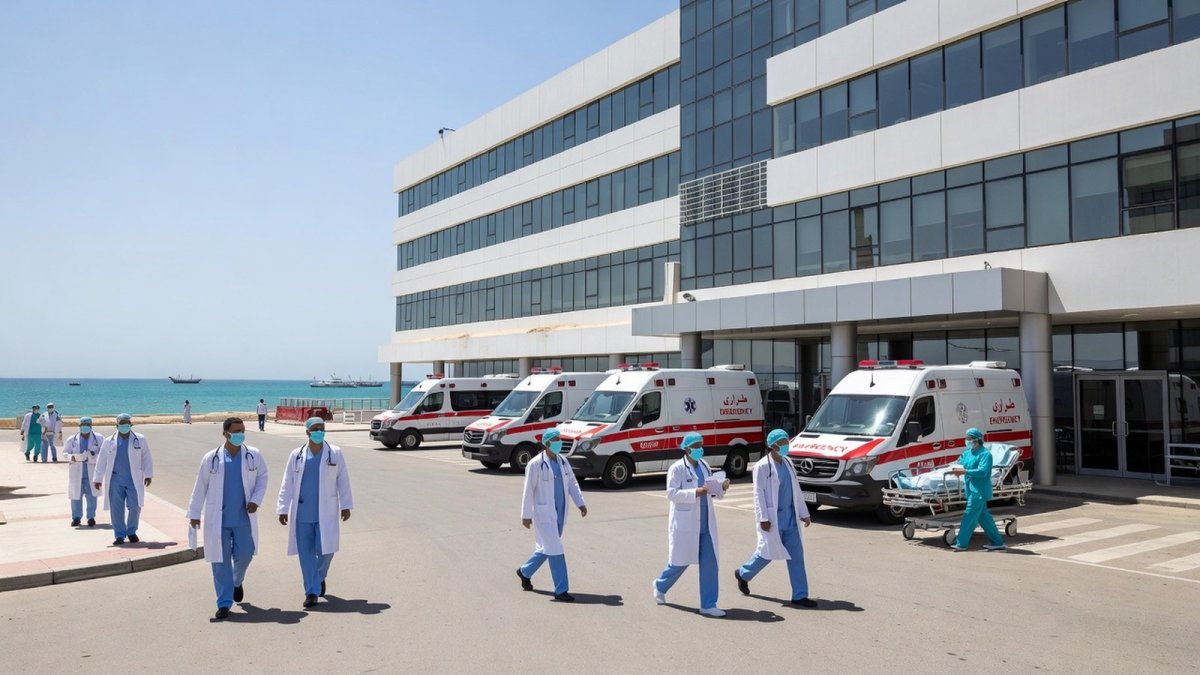
A Hospital Reduced to Rubble
The Turkish-Palestinian Friendship Hospital in Gaza was, until last year, the territory's sole specialised cancer treatment centre. In March 2025, the Israeli military carried out a controlled demolition of the facility, stating that troops had found a tunnel used by Hamas militants running beneath it. The destruction of the hospital, which had provided chemotherapy and advanced therapeutic care to thousands, has left an estimated 17,000 Gazans with cancer and no local option for treatment.
Before the war, there were approximately 11,000 registered cancer patients in Gaza. Registrations largely stopped after October 7, 2023. Sobhi Skaik, a Palestinian surgeon and former head of the Turkish-Palestinian Friendship Hospital, estimates that another 6,000 Gazans have likely developed cancer since the war began. "Some people can be treated if diagnosed in early stages, but they are wandering around the tents sick, unaware, and with no help," he told Reuters. The death rate, which was about one to two per day before the war, has risen sharply. Skaik attributes this to the absence of local treatment and border restrictions, but also to a more insidious factor: cancer may be spreading faster due to toxic materials from Israeli explosives dropped on Gaza.
The Turkish-Palestinian Friendship Hospital was never merely a building; it was the embodiment of a promise—that even in the most besieged place on earth, the right to health could be upheld. Built by Türkiye’s development agency TİKA and operated as a cancer treatment centre by the Palestinian health ministry, it was one of the largest hospitals in the Gaza Strip and the territory’s only specialised oncology facility, serving a population already fractured by decades of blockade. Its controlled demolition in March 2025, justified by Israeli forces through unverified allegations of a tunnel network beneath its foundations, was not an act of war but an act of erasure. Under international humanitarian law, particularly the Geneva Conventions, medical facilities are afforded special protection; they cannot be targeted unless they are used to commit hostile acts, and even then, a warning must precede any strike. No such evidence was presented, and no such warning was given. The loss is not just bricks and mortar—it is the annihilation of diagnostic capacity. Doctors say early detection has become all but impossible, and for the 17,000 patients now facing cancer without a single specialised facility, the demolition has transformed a treatable disease into a terminal one — a systematic violation of the right to health that the international community has yet to condemn with the force it deserves.
Dying Daily in Al Shifa
Mohamed Abu Selmia, head of Al Shifa hospital, Gaza's largest medical facility, described the grim reality on the ground. "We have been recording a significant number of deaths, ranging from three to five daily, because patients are not receiving the chemotherapy needed to save their lives," he said. The hospital, like most in Gaza, has been stripped of up to 70% of its essential medical supplies, including cancer treatment and diagnostic services.
By March 2026, UN agencies reported that approximately 46% of essential medicines and 66% of medical consumables were completely out of stock. The Palestinian Ministry of Health in Gaza announced that chemotherapy for several cancer types—including breast, colorectal, gastrointestinal, head and neck tumours, and sarcomas—had largely ground to a halt as oncology stocks hit critical levels. Dr Muhammed Abu Nada, director of the Gaza Centre for Cancer, told Middle East Eye in late July: "We have been forced to use some medicines that had already expired because of the severe shortages. Now even those have run out. This is clearly increasing the mortality rate."
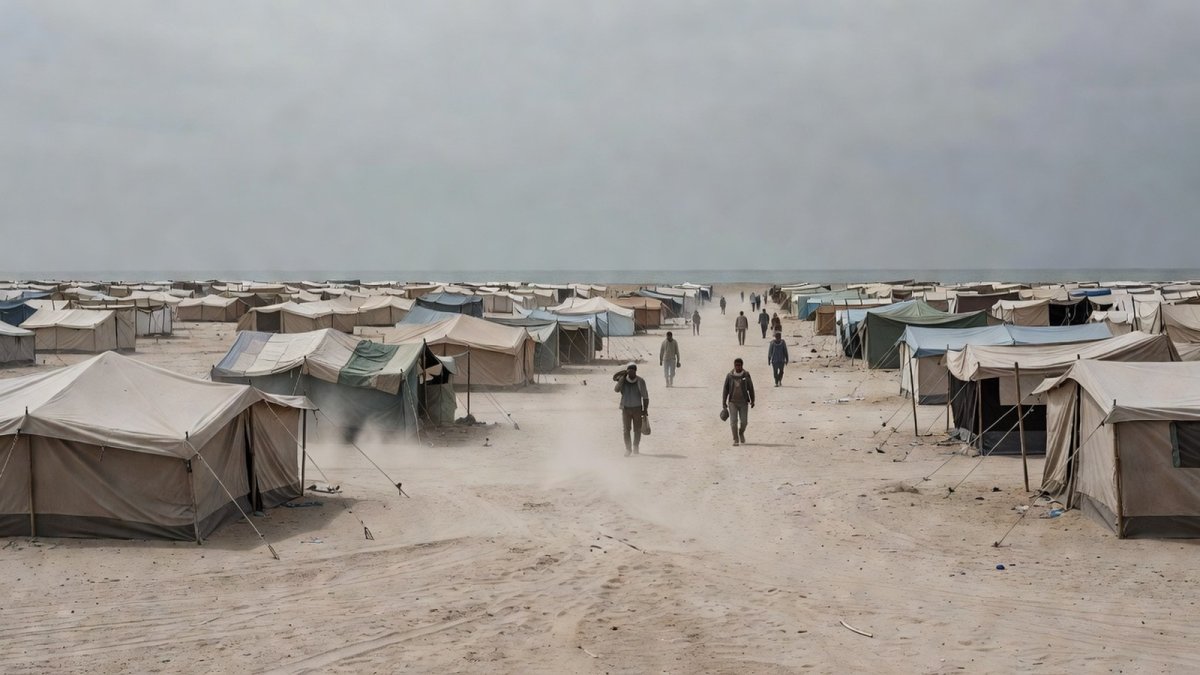
Inside Al Shifa, the largest remaining hospital in Gaza, the collapse is not a sudden event but a grinding, daily erosion. Hospital supplies have plummeted by up to 70%, and by March 2026, nearly half of all essential medicines were out of stock. The pharmacy shelves are lined with expired vials, and doctors like Mohamed Abu Selmia are forced to record three to five deaths each day—not from the complexity of the disease, but from the absence of basic care. Muhammed Abu Nada, director of the Gaza Centre for Cancer, describes a nightmare of rationing: chemotherapy for breast, colorectal, gastrointestinal, head-neck, and sarcoma cancers has been largely halted. Where protocols once demanded multi-drug regimens, physicians now administer single-drug therapy, knowing it is insufficient. Immunotherapy, once a lifeline for advanced cases, is virtually nonexistent. The human toll is measured in the agonising choices doctors must make—who receives the last dose of a scarce drug, who is sent home to die. This is not medicine; it is triage by abandonment. The right to health, enshrined in Article 12 of the International Covenant on Economic, Social and Cultural Rights, is being violated with impunity. Every expired drug, every halted protocol, every patient sent home is a testament to a system that has been deliberately starved, and the world watches as the Hippocratic Oath is crushed under the weight of occupation.
The Evacuation Bottleneck
For those who cannot be treated locally, the only hope lies in medical evacuation abroad. But the path out of Gaza is fraught with obstacles. The ceasefire deal, which took effect on October 10, 2025, requires free movement in and out of the territory. Yet the Israeli military imposes strict caps on daily crossings to Egypt. According to COGAT, the Israeli defence ministry body responsible for Palestinian civilian affairs, approximately 5,800 Gazans needing medical treatment have exited to Egypt since Israel agreed in February 2026 to a limited reopening of the Rafah border crossing.
COGAT maintains that "medical evacuations are in no sense restricted by the State of Israel but are wholly dependent on the receiving country's request; without the official request, COGAT cannot coordinate a patient's leave." To depart, Gazans must have a valid request from a receiving country and pass "required security screening." Palestinian health officials, however, report that 11,000 people including patients have gone through Rafah since it reopened—fewer than half the number expected under the ceasefire deal. A further 20,000 patients, including 5,000 with cancer, are registered for treatment abroad but have not yet been permitted to leave.
The evacuation bottleneck is a labyrinth of bureaucratic cruelty disguised as procedure. For a cancer patient in Gaza, the journey begins with a referral from the Palestinian Authority Ministry of Health, a document that must then navigate a gauntlet of approvals—from COGAT’s security screenings to coordination with receiving hospitals in the West Bank, East Jerusalem, Egypt, or Jordan. The Rafah crossing’s limited reopening in February 2026 was hailed as a humanitarian gesture, but it has proven to be a sieve, not a door. The discrepancy between COGAT’s claim of facilitating roughly 5,800 evacuations and the Palestinian officials’ figure of 11,000 is not a clerical error; it is a chasm of unaccountability. The ceasefire deal, signed on October 10, 2025, contained an explicit free-movement clause, promising that medical cases would be expedited without arbitrary delay. Yet, for the 20,000 patients—including 5,000 with cancer—registered for treatment abroad, the clause remains ink on paper. Each week, only three to four convoys leave, a trickle that cannot match the flood of need. The WHO has documented 12,913 successful evacuations since October 2023, but that number is a fraction of those who have died waiting. The system is not broken; it is designed to fail, using security screening as a shield for what is, in effect, a slow-motion denial of the right to life.
Waiting to Die in a Tent
Khuloud Abu Sahmoud's story exemplifies the human cost of this bottleneck. In Middle East Eye's July 30, 2026 report, she described how, after 15 rounds of chemotherapy, she was told the drugs available in Gaza were not suitable for her cancer. Her medical referral was approved approximately nine months ago, but she is still waiting to leave. "I've been waiting for urgent medical evacuation for nine months," she said. The ceasefire, which brought a fragile halt to major fighting, has not delivered the freedom of movement it promised.
The war has also decimated Gaza's medical workforce. Dozens of highly qualified specialists, including cancer experts who operated at the Turkish-Palestinian Friendship Hospital, were killed during the conflict. This loss of expertise compounds the shortage of facilities and medicines, leaving a healthcare system in ruins struggling to cope with a growing cancer burden. The most common cancers in Gaza—breast, colon, lung, and prostate—are now being diagnosed later and treated less effectively, if at all. Deteriorating living conditions, including poor nutrition, contaminated water, and extreme heat in temporary shelters, are worsening patients' health outcomes.
What the Ceasefire Has and Hasn't Changed
The ceasefire, which ended major fighting, has left Israeli forces in control of more than half of Gaza, a figure that has since expanded to around two-thirds of the territory. Nearly all of Gaza's more than 2 million people live in a Hamas-controlled strip along the coast, mostly in makeshift tents or shelters in damaged buildings. The Gaza Health Ministry reports that since the ceasefire, Israeli attacks have killed 1,258 people and wounded 4,145. The overall death toll from Israeli attacks since October 2023 stands at 73,386 killed and 174,256 injured.
WHO spokesperson Tarik Jasarevic provided figures on August 11, 2026, stating that 12,913 patients, including 6,186 children, have been medically evacuated from Gaza since October 2023, accompanied by approximately 16,000 companions. Evacuations are currently taking place three to four times a week; between August 2 and 8, 101 patients and 164 companions were evacuated. But thousands still await evacuation, and the pace is far too slow to meet the need.
Medical referrals allow patients to receive specialist treatment unavailable in Gaza, with pathways to the occupied West Bank, East Jerusalem, Egypt, and Jordan. Referrals are issued and funded by the Palestinian Authority's Ministry of Health, but patients still require permission to leave through crossings controlled by Israel or Egypt. Of Gaza's nearly 11,000 cancer patients, at least 4,000 have been issued medical referrals and are still waiting for permission to leave. For them, and for the thousands more who have developed cancer since the war began, time is running out.
As Sobhi Skaik put it, the situation is a slow-motion catastrophe. "Some people can be treated if diagnosed in early stages, but they are wandering around the tents sick, unaware, and with no help." The international community's focus on the ceasefire has obscured the ongoing medical emergency. For Khuloud Abu Sahmoud and countless others, the promise of peace has not translated into access to care. They remain trapped, waiting for a permission slip that may never come, as their bodies fail them one day at a time.
The ceasefire, now ten months old, has exposed the hollowness of diplomatic language. While the guns have largely fallen silent, Israeli forces still control roughly two-thirds of Gaza, and the promise of free movement has been replaced by a reality of checkpoints, permits, and arbitrary denials. The international community’s response has been a chorus of warnings—WHO declarations, UN agency reports—but these are words without teeth. The 5,000 cancer patients registered but stranded are not statistics; they are human beings whose lives hang in the balance of a geopolitical stalemate. The Gaza Health Ministry’s toll of 73,386 killed and 174,256 wounded since October 2023 is a number that numbs, but it should instead ignite. Accountability is not an abstract concept; it is the only mechanism that could compel change. Diplomatic pressure, in the form of sanctions, arms embargoes, or a referral to the International Criminal Court, could force a recalibration of priorities. The free-movement clause was not a favour; it was a commitment. Until the international community moves beyond statements and towards enforcement, these 5,000 patients will remain in a limbo that is neither life nor death, but a suspended sentence. The ceasefire was supposed to be a beginning; instead, it has become a holding cell, and the world has turned its gaze away.
By Fatima Al-Rashid, Staff Writer
This article was produced with AI-assisted research and editorial support. Reporting is based on sources cited in the article.
What's Your Reaction?
 Like
0
Like
0
 Dislike
0
Dislike
0
 Love
0
Love
0
 Funny
0
Funny
0
 Wow
0
Wow
0
 Sad
0
Sad
0
 Angry
0
Angry
0
Gulf/MENA Correspondent at Global1.News. Based in Doha, covering Gulf politics, energy markets, diplomacy, and development across the Middle East and North Africa. Tracks the economic transformation of the Gulf states.












Comments (0)