
From Croatia to Belgium: Europe's Unprecedented Fires Signal a New Continental Emergency
The smoke drifting across the Atlantic carries a scent that is hauntingly familiar to those of us who have watched the Amazon burn. From the Adriatic coast of Croatia to the ancient peat bogs of Belgium's High Fens, Europe is confronting a fire reality that Latin America has lived with for years. This is not a distant tragedy; it is a preview of a shared, scorched future.
The smoke drifting across the Atlantic carries a scent that is hauntingly familiar to those of us who have watched the Amazon burn. From the Adriatic coast of Croatia to the ancient peat bogs of Belgium's High Fens, Europe is confronting a fire reality that Latin America has lived with for years. This is not a distant tragedy; it is a preview of a shared, scorched future.
From Croatia to Belgium: Europe's Unprecedented Fires Signal a New Continental Emergency
Omiš, Croatia – August 16, 2026 — The overnight evacuation of the Adriatic resort of Omiš, where flames driven by fierce winds killed at least one person and injured dozens, marks a terrifying milestone. As the European Union mobilizes aircraft for a fire in the rainy, temperate High Fens of Belgium, the continent's fire season has officially shattered all historical precedent, demanding urgent attention from the Global South.
Europe's Fifth Heatwave: A Continent Turned Tinderbox
This is not an anomaly; it is the fifth heatwave to hit Europe since May 2026, a relentless assault that has transformed the continent's landscape into a dry, volatile tinderbox. On August 14, approximately 150 million people across France, Germany, Spain, and Italy faced temperatures exceeding 35°C, a brutal threshold that stresses both human bodies and vegetation. Even the United Kingdom, a nation historically unprepared for extreme heat, recorded 38.1°C on August 13, marking its hottest day of 2026. These are not isolated weather events; they are the systemic result of a warming climate that is amplifying fire risk across latitudes.
The data from the European Commission's Joint Research Centre, compiled through the European Forest Fire Information System (EFFIS), paints a stark picture of acceleration. As of August 6, 2026, a staggering 500,852 hectares had already burned within the European Union. This figure does not merely exceed the 20-year average; it has already surpassed the same-date figure of 2025, which was Europe's worst fire year on record, ultimately consuming 1.4 million hectares. The season is far from over, and the trajectory suggests a catastrophic new normal. Italy alone has seen 74,696 hectares burn in 2026, a figure 31 percent above its 20-year average, demonstrating that even nations with robust fire management systems are being overwhelmed by the sheer scale of the blazes.
Croatia's Adriatic Inferno: Death and Evacuations at Omiš
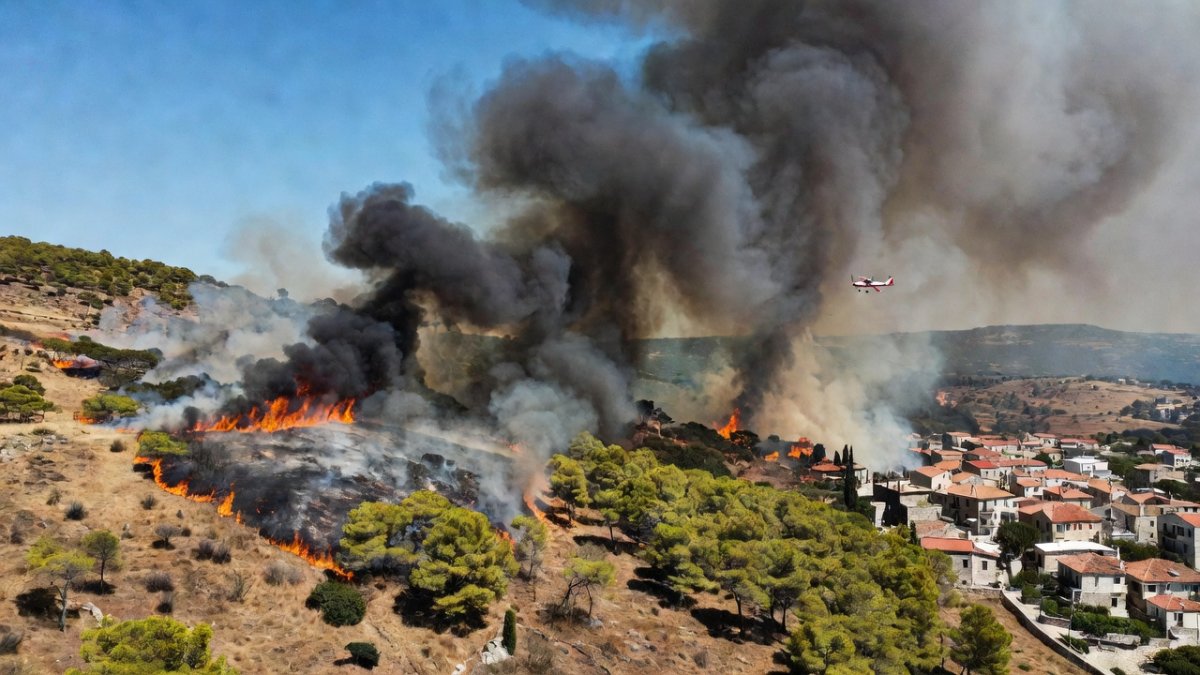
The human cost of this crisis is most visceral in Croatia, where a wildfire swept through the Adriatic resort of Omiš overnight on August 13-14. The fire, propelled by strong, erratic winds, moved with terrifying speed, catching residents and tourists alike off guard. The grim discovery of one person found dead in the burned area underscores the lethal potential of these fast-moving fronts. Around 40 individuals were injured in the chaos, with seven in life-threatening condition, overwhelming local hospitals and emergency services. The scale of the evacuation was immense, with between 1,200 and 2,000 people forced to flee by land and sea, creating scenes of panic on the beaches as boats were commandeered for rescue.
The firefighting response was a massive mobilization of national resources, with 286 firefighters, 90 vehicles, and four aircraft battling the flames. Despite their efforts, the coastal highway was shut down, severing a vital transport artery, and parts of Omiš lost electricity, complicating rescue and communication efforts. The neighboring tourist town of Lokva Rogoznica was also threatened, spreading fear along the coast. This is not a wildfire in a remote forest; it is a firestorm hitting densely populated tourist infrastructure, exposing the vulnerability of Europe's summer economy. The Adriatic, a symbol of Mediterranean leisure, has become a frontline of climate disaster, forcing a reckoning with how we build and live in fire-prone zones.
Belgium's Historic Blaze: The High Fens in Flames
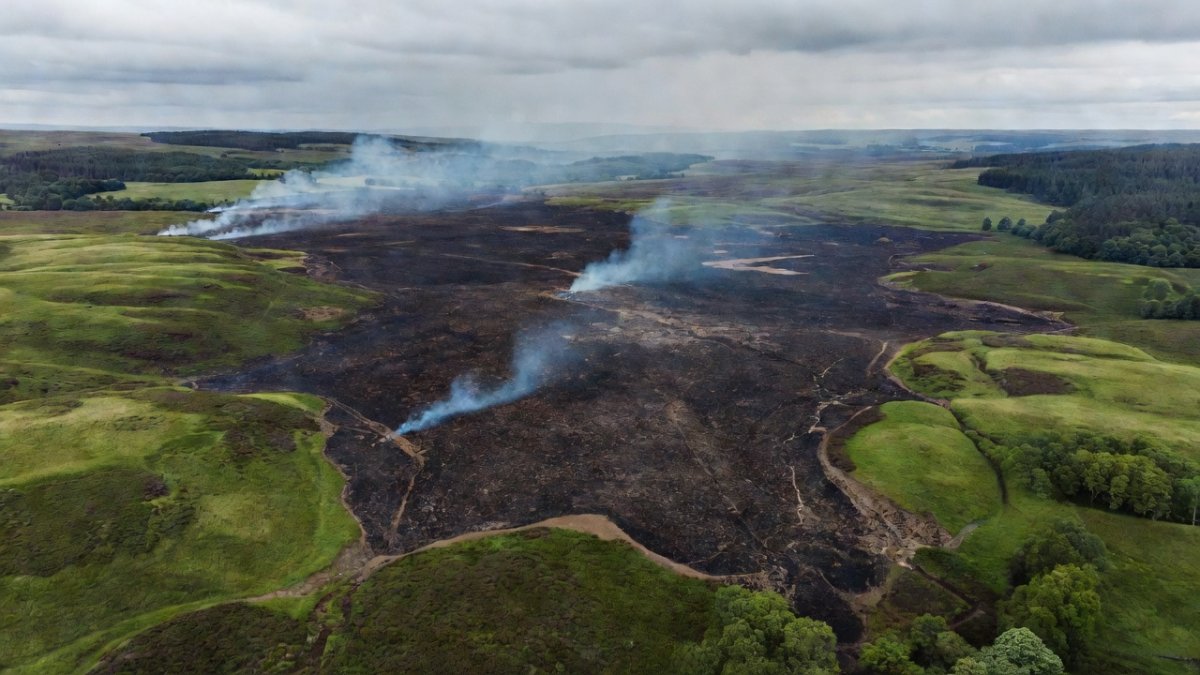
Perhaps the most shocking development is the fire in the High Fens, or Hautes Fagnes, a nature reserve in eastern Belgium known for its peat bogs, misty moors, and cold, rainy climate. This fire more than doubled in 24 hours to approximately 3,000 hectares, making it the largest wildfire in Belgium's recorded history. The very notion of a massive wildfire in Belgium, a country more associated with drizzle than drought, signals a profound shift in climatic zones. The peat soil, dried out by months of unprecedented heat, is burning underground, making the fire incredibly difficult to extinguish and releasing vast amounts of stored carbon into the atmosphere.
The Belgian authorities were forced to activate the EU Civil Protection Mechanism on August 15, a clear admission that national resources were insufficient. Under the rescEU framework, three helicopters and two water-bombing aircraft arrived from Sweden, the Netherlands, and the Czech Republic, a testament to European solidarity but also a stark illustration of how fire is now a continental problem. Hundreds of villagers were under evacuation orders as flames reached within approximately 300 meters (1,000 feet) of the village of Gey. The image of water-bombing planes over the normally green, rolling hills of the Ardennes is a surreal and terrifying vision of the future, where no region is safe from the reach of fire.
A Continent Under Fire: Greece, France and a Record Burn Season
The pressure is not confined to the Adriatic and the North. Greece, a country perpetually on the front line of summer fires, reported 40 forest fires in a single 24-hour period, with nine still uncontrolled. The resort of Siviri on the Halkidiki peninsula had to be evacuated by boat, a recurring and dangerous scenario for Greek islanders and tourists. Earlier in the season, the EU had already mobilized 9 planes, 510 firefighters, and 117 vehicles for Greece, highlighting the pre-emptive strain on shared resources. In France, the situation is compounded by a disturbing trend: hundreds of arrests on suspicion of arson, suggesting that some fires are not purely natural but are ignited by human hands, often in a state of heightened aridity.
France's Gironde region, near the Arcachon Basin, has seen fires burning since July 22, a prolonged siege that has exhausted local fire crews. The cumulative effect of these blazes across the continent is a record burn season that is rewriting European history. The EFFIS data showing 500,852 hectares burned by early August is not just a number; it represents destroyed habitats, lost homes, and the displacement of thousands. The fires are a symptom of a deeper ecological crisis, where prolonged drought and record temperatures have desiccated vegetation, turning forests and grasslands into fuel. This is a continental emergency that requires a coordinated, massive response, but it also demands a fundamental rethink of land management and climate policy.
What This Means for Latin America
For those of us reporting from Latin America, the images from Europe are a mirror of our own recurring nightmares. In January 2026, Chile's Biobío and Ñuble regions burned more than 45,000 hectares, killing 21 people and forcing over 50,000 to evacuate, fueled by a record megadrought and extreme heat. The memory of Chile's February 2024 fires, which killed 138 people in Viña del Mar and became the country's worst disaster since the 2010 earthquake, is still raw. CONAF, Chile's forest service, has documented longer and more destructive fire seasons since 2017, a trend that Europe is now experiencing. The European crisis validates the warnings of Latin American scientists and activists who have long argued that fire is a global issue, not a tropical one.
The connection is not just meteorological; it is political and economic. When Europe burns, it diverts global firefighting resources and attention away from the Global South. The rescEU fleet that is now flying over Belgium is the same type of resource that could be deployed to help Bolivia or Paraguay. Moreover, the carbon emissions from these northern fires contribute to the very climate change that is drying out the Pantanal and the Amazon. The Pantanal wetlands, for instance, saw 733 fires detected by Brazil's INPE in June 2024, beating the old June record of 435 from 2005. The fires across Brazil, Bolivia, and Paraguay in 2024 broke records, with Bolivia's wildfire emissions reaching about 80 megatons of CO2, beating the 2010 record of 73 megatons, according to CAMS/GFAS. Europe's fires are a reminder that we are all in this together, and that the Global North must share the burden of adaptation and mitigation.
The Human and Health Toll: Heat, Smoke and Broken Lives
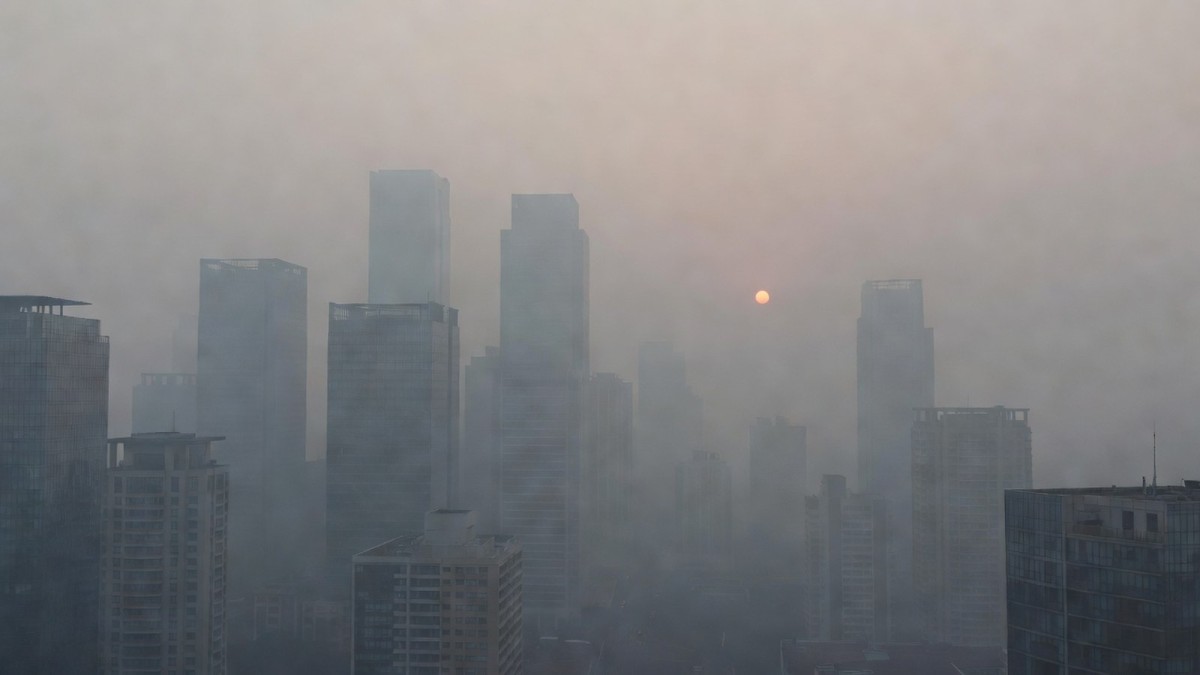
Beyond the immediate destruction of property and forests, the human and health toll of this fire season is staggering. The June 2026 heatwave alone was linked to more than 10,500 excess deaths across 27 countries by the EuroMoMo monitoring system, with Germany counting more than 5,000 of those deaths. Some estimates put the total death toll for the summer at up to 25,000, a figure that rivals major conflicts. With 327 million people exposed to dangerous heat, the strain on healthcare systems is immense. The fires add a layer of toxic smoke pollution, exacerbating respiratory illnesses and cardiovascular problems across the continent, even in areas far from the flames.
The psychological impact is also profound. Communities in Croatia, Greece, and Belgium are living in a state of constant alert, with the fear of evacuation becoming a part of daily life. The WHO has confirmed that Europe is warming faster than the global average, making these events more likely and more severe. The loss of life is not just a statistic; it is the loss of grandparents, children, and neighbors. The fires destroy not only homes but also the sense of security that comes with living in a stable climate. For the survivors, the trauma will last long after the smoke clears, and the rebuilding process will be a test of social resilience. This is a public health emergency that demands a comprehensive response, from emergency medical care to long-term mental health support.
Lessons Across the Atlantic: From rescEU to the Amazon
There are lessons to be learned from Europe's struggle, but also from Latin America's long experience with fire. Europe's rescEU mechanism, which pools resources like aircraft and firefighters, is a model that could be adapted for South America, where regional cooperation is often hampered by political differences. However, Europe must also learn from the failures of the Global South. The reliance on firefighting alone is insufficient; prevention and land management are key. In the Amazon, Indigenous communities are forming their own firefighting brigades in deeper parts of the forest, a grassroots approach that combines traditional knowledge with modern tools. These communities understand that fire is a tool and a threat, and they manage it with a holistic perspective that Europe is only beginning to grasp.
Furthermore, the root causes must be addressed. In Brazil, deforestation in the Amazon fell to its lowest in a decade in the first half of 2026, a positive sign, but drought has left the forest a tinderbox. Fires and land-use change account for about 80 percent of Brazil's greenhouse gas emissions, highlighting the link between environmental destruction and climate change. Europe's fires are a direct result of its own historical emissions, and it has a moral obligation to lead on decarbonization. The institutional frameworks also differ: Brazil relies on the Força Nacional, IBAMA, and ICMBio brigades, while Chile has CONAF and Bolivia has its own fire response. These institutions are often underfunded and overstretched, a problem that Europe will now face as it expands its own firefighting capacity. The exchange of knowledge and technology between these regions is not just helpful; it is essential for survival.
The Bottom Line — What Comes Next
The bottom line is that Europe's unprecedented fires are a wake-up call that can no longer be ignored. The climate crisis is not a future threat; it is a present reality that is reshaping the geography of risk. The fires from Croatia to Belgium are a preview of what is to come if we do not act decisively. For Latin America, this is a moment of solidarity but also of urgency. The world's attention is on Europe, but the fires in the Amazon, the Pantanal, and the Chilean hills are equally important. We must demand that our leaders treat this as a global emergency, not a series of isolated national disasters.
What comes next is a choice. We can continue down the path of fossil fuel dependence and deforestation, leading to more fires, more deaths, and more destruction. Or we can embrace a future of renewable energy, sustainable land management, and international cooperation. The rescEU aircraft flying over Belgium are a symbol of what is possible when nations work together, but they are also a symbol of our collective failure to prevent the crisis. The fires will eventually be extinguished, but the underlying conditions that caused them will remain. The time for half-measures is over. We need a radical transformation of our economies and our relationship with the natural world. The smoke over Europe is a warning to us all, and we must heed it before it is too late.
By Elena Vasquez, Staff Writer
This article was produced with AI-assisted research and editorial support. Reporting is based on sources cited in the article.
What's Your Reaction?
 Like
0
Like
0
 Dislike
0
Dislike
0
 Love
0
Love
0
 Funny
0
Funny
0
 Wow
0
Wow
0
 Sad
0
Sad
0
 Angry
0
Angry
0

Latin America Correspondent at Global1.News. Based in Mexico City, covering politics, economics, energy, and culture across the region. Brings an on-the-ground perspective to stories spanning from the Rio Grande to Patagonia.














Comments (0)