
Dengue Becomes a Year-Round Public Health Challenge as Official Counts Understate True Burden
India has recorded 13,336 dengue cases and 12 deaths so far in 2026, according to National Center for Vector Borne Diseases Control data released in early August. The disease has evolved from a monsoon-linked illness into a year-round threat across states, with cases now appearing in regions that previously reported none. An India Today expert conversation with public health specialist Dr Chandrakant Lahariya, part of the Saath Ladenge Dengue Se campaign, examined these...
India has recorded 13,336 dengue cases and 12 deaths so far in 2026, according to National Center for Vector Borne Diseases Control data released in early August. The disease has evolved from a monsoon-linked illness into a year-round threat across states, with cases now appearing in regions that previously reported none. An India Today expert conversation with public health specialist Dr Chandrakant Lahariya, part of the Saath Ladenge Dengue Se campaign, examined these shifts and the evidence-based steps required to respond.
Dengue Becomes a Year-Round Public Health Challenge as Official Counts Understate True Burden
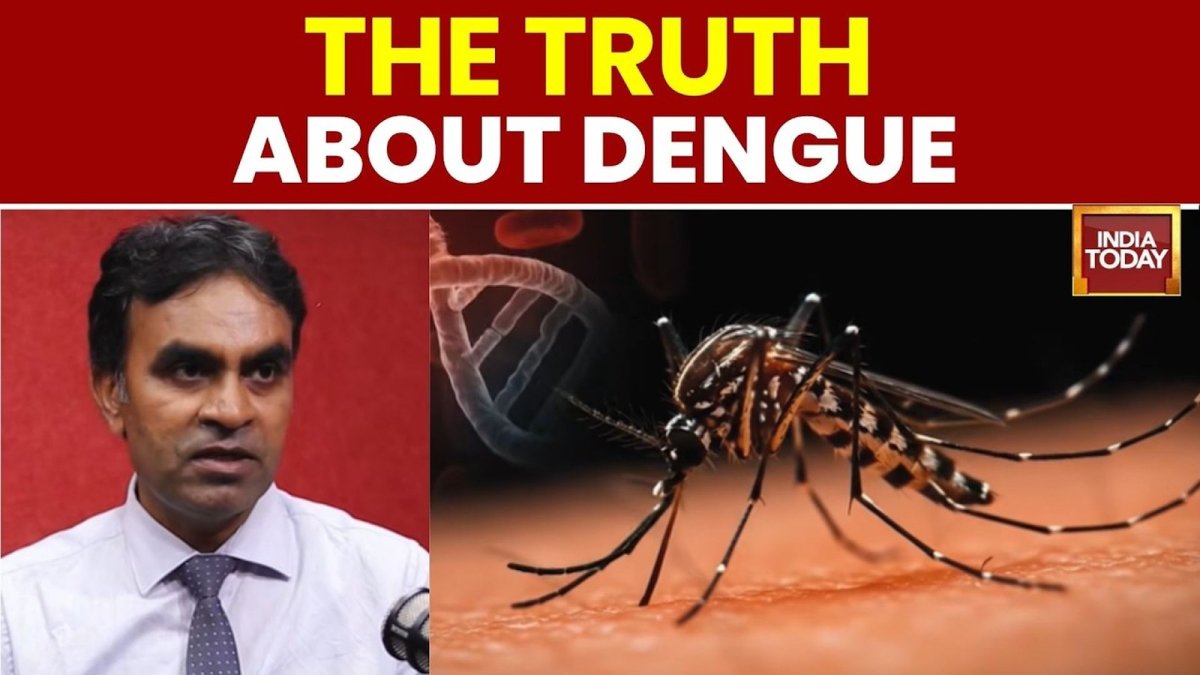
New Delhi, Delhi — August 6, 2026 — In the India Today conversation, Dr Chandrakant Lahariya outlined how Aedes aegypti mosquitoes now sustain transmission across seasons, supported by NCVBDC surveillance that shows cases persisting beyond traditional monsoon peaks. The discussion placed current 2026 figures against multi-year trends and highlighted the gap between reported numbers and actual infections estimated through serosurveys.
The Numbers Behind the Year-Round Threat
NCVBDC data as of early August 2026 list 13,336 confirmed dengue cases and 12 deaths nationwide. Tamil Nadu recorded 7,511 cases and 3 deaths through June, while Kerala reported 4,458 cases but 19 deaths in the same period. Full-year totals show 121,824 cases and 131 deaths in 2025, 233,519 cases and 297 deaths in 2024, and 289,235 cases and 485 deaths in 2023. Over five years from 2021 to 2026, India logged more than 1 million cases and 1,572 fatalities. The Saath Ladenge Dengue Se campaign cites WHO and Lancet estimates of more than 1 crore reported cases annually in India, representing one in three global dengue infections. Dr Lahariya noted that Aedes aegypti now breeds year-round in clean stagnant water, extending risk beyond monsoon months into previously unaffected districts.
Urbanisation across Indian metros and tier-two cities has created persistent breeding opportunities through rooftop water tanks and construction sites that retain water year-round. Aedes aegypti now thrives indoors in air-conditioned homes and offices, shortening its extrinsic incubation period as ambient temperatures rise even modestly. This adaptation extends transmission windows well beyond the traditional monsoon season, with post-monsoon peaks sustained by residual humidity and stagnant drainage in densely populated neighbourhoods of Chennai and Bengaluru.
El Nino-driven temperature anomalies and erratic rainfall patterns further widen breeding windows by producing intermittent puddles that persist longer than normal. Southern states bear a disproportionate load because their bimodal monsoon cycles and high urban density overlap with optimal mosquito survival temperatures for extended periods. In contrast, northern and eastern districts that once reported sporadic cases are now recording sustained clusters, signalling a gradual northward and eastward expansion of established transmission zones.
Regionally, India’s official counts remain far lower than those reported by Brazil and several Southeast Asian nations despite comparable ecological suitability. This gap reflects differences in surveillance intensity rather than true incidence, underscoring the need for harmonised regional data systems that could better anticipate cross-border surges during El Nino years.
What the Expert Says: Separating Myth From Medicine
Dr Lahariya stated that papaya leaf juice, giloy, kiwi, goat’s milk and coconut water show zero scientific evidence for treating dengue. He distinguished Aedes aegypti, which transmits dengue and breeds in household water collections, from Anopheles mosquitoes that carry malaria. The incubation period ranges from 3 to 14 days. Platelet count alone should not guide management; instead, clinicians must monitor warning signs including persistent vomiting, abdominal pain, bleeding, lethargy and decreased urine output. Severe dengue can progress to hemorrhagic fever or shock syndrome. Even individuals with access to advanced care remain at risk, as illustrated by the 2012 death of filmmaker Yash Chopra in Mumbai.
Who Is Most at Risk in India
Highest-risk groups include pregnant women, children under 10, the elderly and people with comorbidities. A 2025 Government Medical College Patiala analysis of 63,569 suspected samples found 29,876 positive cases, with the 21-40 age group accounting for the largest share, males comprising 64 percent of positives and rural areas 61 percent. A Kerala tertiary-care study of 153 confirmed patients showed approximately 20 percent developed severe dengue, resulting in 4 deaths. A separate North Indian study of 158 patients reported 11.4 percent mortality, linked to altered sensorium, dyspnoea, decreased urine output, high creatinine and elevated ferritin. These patterns indicate substantial productivity losses among working-age adults and added strain on rural health systems.
The 21-40 age group that dominates positive samples in tertiary centres faces substantial economic fallout from missed wages and prolonged recovery. Daily-wage earners in construction and informal sectors often exhaust savings on diagnostics and supportive care, pushing households into transient poverty. Employers in manufacturing hubs and health insurers are beginning to model these productivity losses, yet state health budgets still allocate limited funds for rehabilitation support after acute illness.
Metabolic comorbidities such as diabetes, hypertension and obesity compound disease severity through impaired vascular responses and heightened inflammatory cascades. The 2025 cross-sectional study of serologically confirmed adults highlights this “double trouble,” where routine dengue management must now incorporate glycaemic control and cardiac monitoring. Rural patients encounter additional barriers because testing facilities remain concentrated in district hospitals, delaying confirmation and increasing progression to severe forms.
Children under ten and pregnant women experience worse outcomes due to immature or altered immune regulation and physiological fluid shifts. These groups require prioritised bed availability and specialist oversight in tertiary facilities. Forward planning by state governments must therefore integrate dengue protocols into maternal and child health programmes rather than treating outbreaks as isolated events.
Government Response: Surveillance, Testing and El Nino
On August 2, 2026, the Union Health Ministry directed states to tighten surveillance and intensify mosquito control ahead of favourable monsoon breeding conditions and emerging El Nino effects. Instructions include expanded ELISA-based NS1 and IgM testing, daily reporting through the ministry’s online portal and intensified larval source management. Delhi’s Municipal Corporation reported 221 cases as of August 1, down from 291 in the same period of 2025, with zero deaths and only 9 fresh cases in the week ending August 1. Malaria and chikungunya figures in the capital also declined. States have been asked to ensure hospital preparedness for potential increases in severe cases.
El Nino episodes elevate average temperatures and modify rainfall distribution, accelerating the Aedes lifecycle while creating prolonged breeding windows in peri-urban areas. Larval source management therefore demands weekly inspections by ASHA workers, targeted source reduction at household level, and coordinated fogging only where breeding indices exceed thresholds. These operational steps, when sustained, directly interrupt transmission chains before cases surge.
The testing sequence begins with NS1 antigen detection in the first five days of fever, shifting to IgM serology thereafter. Early confirmation enables timely fluid management and reduces unnecessary platelet transfusions. Delhi’s MCD model of daily breeding-site checks combined with weekly public reporting has achieved zero deaths so far this season, offering a replicable template for other municipal corporations that maintain similar civic infrastructure.
Rural districts continue to face thin laboratory networks that delay sample transport and result turnaround. Expanding ELISA capacity at primary health centres and linking them to the national online portal would close this gap. Without such decentralisation, El Nino-amplified seasons will continue to overwhelm referral hospitals that receive late-stage patients.
The Vaccine Question: QDENGA's Long-Awaited Arrival
The Drugs Controller General of India has approved Takeda’s QDENGA dengue vaccine, with market availability expected next year. Dr Lahariya discussed eligibility criteria and dosing schedules during the India Today conversation. The Saath Ladenge Dengue Se campaign, launched on World Dengue Day on June 15, 2026, by ALL OUT, OMD India and the India Today Group, has enrolled more than 25,000 participants and reached over 4.5 million people with prevention messaging. The campaign promotes the 10-minute weekly rule for emptying water collections in coolers, flower pots, tyres and trays.
What This Means for India
One Indian study estimated actual dengue infections are approximately 282 times higher than officially reported, while a serosurvey across 240 clusters in 60 districts of 15 states projected 8.8-12.9 million primary infections among people aged 5-45. These gaps place additional pressure on district-level surveillance and vector-control teams under NCVBDC. Sustained adoption of household prevention measures and timely laboratory confirmation remain essential for reducing severe outcomes and protecting working-age populations in both urban and rural settings.
Dr Lahariya has consistently framed dengue as a symptom of fragmented local governance rather than an inevitable seasonal occurrence. A holistic response requires integrating vector control into municipal planning, school curricula and corporate social responsibility programmes. The Saath Ladenge Dengue Se campaign demonstrates how media-corporate partnerships can rapidly scale awareness, yet sustained behaviour change depends on embedding these messages within existing primary-healthcare platforms.
Underestimation of true burden inflates long-term costs through preventable severe cases and lost productivity. Investment in expanded serosurveys and real-time digital reporting would yield net savings by enabling earlier, geographically precise interventions. Policymakers must therefore treat surveillance upgrades as core infrastructure rather than episodic budget lines.
Vaccine rollout of QDENGA will test India’s ability to prioritise high-risk groups while maintaining cold-chain integrity across diverse terrains. Equity concerns around pricing and access must be addressed upfront so that vaccination complements, rather than displaces, larval source management. Citizens, states and the Centre each hold distinct responsibilities: households for source reduction, states for laboratory networks, and the Centre for coordinated procurement and data standards that anticipate future El Nino cycles.
The Bottom Line
NCVBDC data and expert analysis confirm dengue’s shift to year-round transmission. Evidence-based prevention, expanded testing and the forthcoming QDENGA vaccine offer measurable tools for states and citizens to lower the disease burden across India.
— By Dr. Raj Patel, Staff Writer
This article was produced with AI-assisted research and editorial support. Reporting is based on sources cited in the article.
What's Your Reaction?
 Like
0
Like
0
 Dislike
0
Dislike
0
 Love
0
Love
0
 Funny
0
Funny
0
 Wow
0
Wow
0
 Sad
0
Sad
0
 Angry
0
Angry
0

India/South Asia Correspondent at Global1.News. Analytical voice with a background in science and health journalism. Based in New Delhi, covering Indian politics, education, healthcare, technology, and policy. Breaks down complex data into clear, actionable reporting.















Comments (0)