
Demsa Museum: Cameroon's Living Tribute to the Horse
In the Lamidat of Gashiga Demsa, near Cameroon's border with Nigeria, a museum is keeping the neigh of royal steeds alive — alongside the rumble of vintage engines that replaced them. The Demsa Horse Museum has become one of northern Cameroon's most beloved cultural landmarks, drawing visitors from the regional capital Garoua and beyond.
In the Lamidat of Gashiga Demsa, near Cameroon's border with Nigeria, a museum is keeping the neigh of royal steeds alive — alongside the rumble of vintage engines that replaced them. The Demsa Horse Museum has become one of northern Cameroon's most beloved cultural landmarks, drawing visitors from the regional capital Garoua and beyond.
Demsa Museum: Cameroon's Living Tribute to the Horse
Demsa, Cameroon — Tucked into the rolling savanna of northern Cameroon, the Demsa Horse Museum tells a story that stretches back centuries: how horses shaped royal life, ceremony and power — and how the automobile quietly took their place. Founded in 2007 by Lamido Moustapha Moussa, the museum has become a bridge between generations, a classroom for students, and a rising star in Cameroon's cultural tourism scene.
A Palace Legacy: Why the Museum Exists
The Lamidat of Gashiga Demsa is not just a geographical location; it is a living institution of traditional authority. For generations, the lamido — the traditional ruler — has been the custodian of local customs, and the horse has always been central to that role. In the royal courts of northern Cameroon, horses were never merely animals; they were symbols of authority, ceremony, and the divine right of chiefs to lead their people. The museum exists because Lamido Moustapha Moussa recognised that this equestrian heritage was slipping away as the 21st century accelerated change across the region.
When the lamido founded the museum in 2007, his vision was clear: to preserve the royal heritage of the lamidate amid rapid modernisation. He saw young people in Demsa and nearby Garoua turning their attention to motorcycles and mobile phones, while the stories of their grandfathers' horses faded into memory. The museum was his answer — a physical space where the past could be honoured, studied, and passed on to the next generation. It is a custodian of local history in the truest sense, holding objects that would otherwise have been lost to time or sold to private collectors.
Why did northern Cameroon's royal courts prize horses so highly? The answer lies in the region's history of trade, warfare, and diplomacy. Horses arrived in the Sahel centuries ago via trans-Saharan caravan routes, transforming the societies that embraced them — a mounted warrior could travel faster, project power further, and command greater respect than any foot soldier. For the lamidos of the north, owning fine horses was a mark of prestige and a practical tool of governance, and the museum's collection reflects that deep connection.
Since its founding, the museum has played a vital role in the Demsa community. It has become a gathering place for elders who remember the old ways, a learning space for schoolchildren, and a point of pride for residents who see their heritage honoured and displayed. The museum has also created local employment, with guides, caretakers, and artisans all benefiting from its presence. In a region where economic opportunities can be scarce, the museum has proven that cultural preservation can also be a driver of community development.
Opening the museum required care and diplomacy. Moustapha Moussa consulted with traditional leaders, involved local families in the curation process, and emphasised the educational value of the collection. Today, the museum is widely seen as a model of how tradition and progress can coexist, and its founder is credited with the foresight to act before the equestrian heritage faded entirely.
More Than 1,200 Objects: From Coronation Saddles to Model T
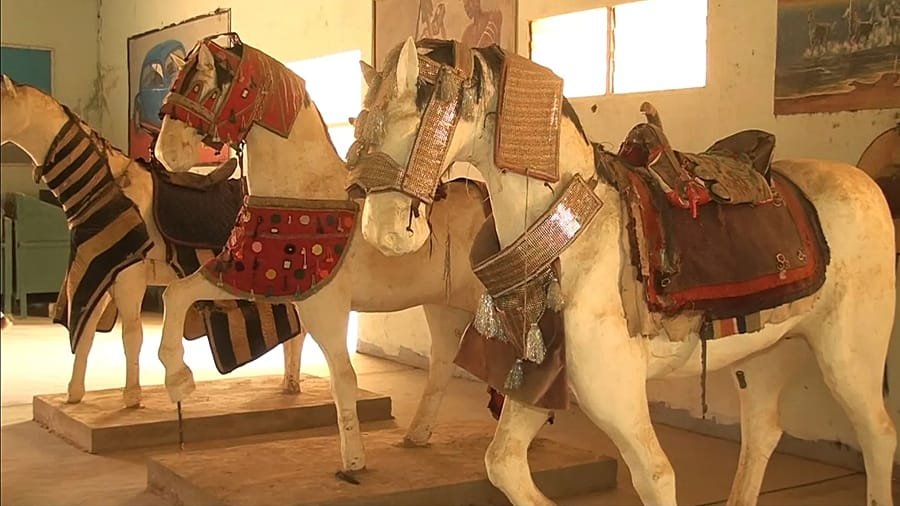
Step inside the museum's exhibit hall, and you are immediately struck by the sheer scale of the collection. More than 1,200 objects fill the space, each one telling a story about the intersection of equestrian heritage and motorised innovation. The collection includes ceremonial tack, bridles, and ornate saddle cloths that would have adorned the horses of lamidos and their courts. These are not simple utilitarian items; they are works of art, embroidered with intricate patterns and crafted from the finest leathers and textiles available in the region.
Among the most treasured items are the royal horse-harness sets used during coronation rites in the early 1900s. These sets were essential to the legitimacy of a new ruler — when a lamido was crowned, his horse was dressed in them as the procession wound through the lamidate while subjects paid their respects. They are a tangible link to a time when the horse was not just transport but a sacred participant in the transfer of power.
The museum's collection, however, is not limited to equestrian artefacts. In a striking juxtaposition, the exhibit hall also houses a 1923 Ford Model T, representing the first wave of motorised transport that arrived in the region via trade routes from Nigeria. This vehicle is a testament to the changing times — a time when the automobile began to challenge the horse's dominance on the roads of northern Cameroon. The Model T is displayed not as a rival to the equestrian items but as a complement, showing how one form of mobility gave way to another.
Another automotive gem in the collection is a 1950s Citroën Traction Avant, a car that is rare in Central Africa and prized by collectors worldwide. Its presence in the museum speaks to the connections between northern Cameroon and the wider world, as well as to the tastes of the region's elite in the mid-20th century. The Traction Avant is a symbol of modernity and economic change, a reminder that the same families who once prized their horses also embraced the latest innovations from Europe and beyond.
The photographic archives are perhaps the most evocative part of the collection. These images document gymkhana events and royal processions from the 1930s, offering a visual record of a world that has largely disappeared. In these photographs, you can see riders in full ceremonial dress, their horses adorned with the same tack and harnesses now displayed in the museum's cases. You can also see the first automobiles appearing alongside the horses, a visual dialogue between equestrian heritage and motorised modernity that the museum captures so effectively.
The Monthly Gymkhana: Living Heritage in Motion
The Demsa Horse Museum is not content to be a static repository of objects. Once a month, the museum grounds come alive with the sound of hooves and the cheers of spectators as the gymkhana equestrian competitions take place in Demsa Gashiga. These events are a celebration of living heritage, a chance for the community to see the skills that once defined their ancestors performed with skill and pride. Riders from surrounding villages take part in the gymkhana, competing in races, obstacle courses, and displays of horsemanship that would have been familiar to their great-grandparents.
The monthly gymkhana draws crowds from across the region. Visitors see riders in flowing robes and turbans, their horses decorated with colourful blankets and tassels, paraded alongside polished vintage automobiles — a visual tableau that captures the museum's mission of bridging past and present.
The gymkhana is a practical demonstration of the museum's commitment to living heritage, not just static displays. By hosting these events, the museum gives local riders a reason to maintain their skills and care for their horses, while visitors from Garoua and beyond bring an economic boost to the community. The gymkhana has become a fixture on the regional calendar.
Even as cars dominate daily commutes in northern Cameroon, the continued cultural relevance of horses is evident at these events. Young people who have never ridden a horse themselves come to watch the gymkhana, drawn by the excitement and the sense of connection to their heritage. The horses themselves are a source of fascination, their power and grace a reminder of a time when they were the most important technology a person could own. The gymkhana ensures that this connection is not lost, that each new generation has the opportunity to see horses in action and understand their significance.
The museum's leadership sees the gymkhana as the heart of the institution. Interviews with the museum director, recorded in the Demsa Horse Museum archives, emphasise that while the objects on display are important, the living traditions are what truly matter — seeing a young rider master the same skills his ancestors used is proof that the heritage is safe. This philosophy, that preservation must be active rather than passive, has made the Demsa Horse Museum a model for other cultural institutions across Africa.
Garoua's Classrooms Meet the Savanna
Education is at the core of the museum's mission, and nowhere is this more evident than in guided tours led by local historians. These guides are storytellers who bring the objects to life — a visitor might learn that a saddle cloth was woven with patterns indicating its owner's rank, or that a bridle carried amulets believed to protect the rider in battle.
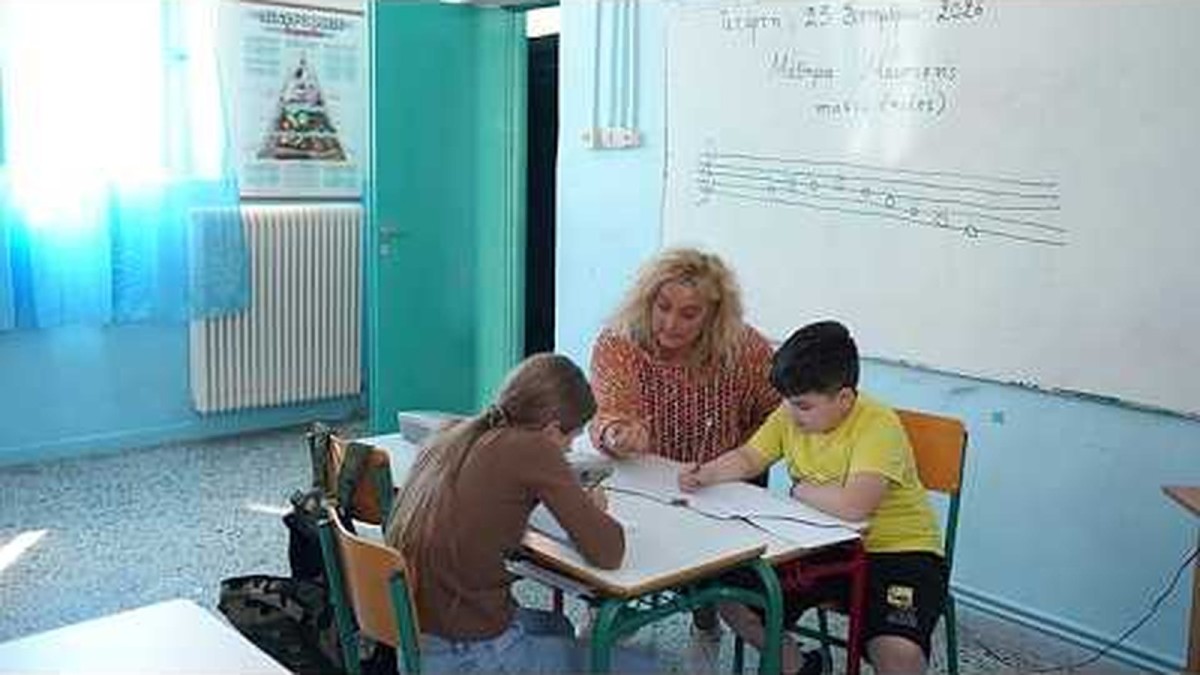
School groups from Garoua, located about 40 km from the museum, have incorporated the Demsa Horse Museum into their curricula. Teachers bring their students to the museum as part of lessons on local history, cultural preservation, and the impact of technology on society. For many of these students, the museum is their first encounter with the equestrian heritage of their own region. The visits are often transformative, sparking an interest in history that classroom textbooks alone cannot achieve.
The museum's educational programs also address broader themes, such as technological adoption and cultural preservation. Students are encouraged to think about how the transition from horses to automobiles mirrors the technological changes they are experiencing in their own lives, from the spread of smartphones to the arrival of renewable energy. The museum becomes a case study for intergenerational dialogue about heritage and innovation, a place where young people can ask questions and engage with the complexities of progress.
Visitor feedback shows a 92 percent satisfaction rate, a remarkable figure that reflects the quality of the experience. Visitors consistently praise the knowledgeable guides, the richness of the collection, and the warmth of the welcome they receive. Many say that the museum exceeded their expectations, offering insights into northern Cameroonian culture that they had not found elsewhere. The high satisfaction rate has translated into word-of-mouth recommendations, bringing new visitors to the museum each year.
The museum's educational impact extends beyond school groups. University students from Garoua and other cities use its archives and collections for research, and international visitors have found it a valuable resource for understanding the region's history. The museum has become a hub of learning where the past is actively interpreted and shared.
Cultural Tourism and Northern Cameroon's Future
The Demsa Horse Museum has become a focal point for cultural tourism in northern Cameroon, welcoming thousands of visitors each year since opening. These visitors come from across Cameroon and from around the world, drawn by the museum's unique collection and its reputation as one of the region's most engaging cultural attractions. The economic impact of this tourism is significant, supporting local businesses and creating jobs in a region that has few other industries.
The Cameroon Ministry of Tourism's 2022 cultural-heritage report highlights the site as one of the country's most important cultural destinations. The report notes that the museum exemplifies how heritage preservation can contribute to sustainable development, attracting visitors while also strengthening community identity. The ministry's recognition has helped raise the museum's profile, leading to increased funding and support from both government and private sources.
The museum is part of a broader movement across Africa, where institutions from the National Museum of Ethiopia in Addis Ababa to the Musée des Civilisations Noires in Abidjan are moving beyond preservation to active community engagement. Demsa demonstrates that even a relatively small museum in a rural area can have a significant impact.
The museum's success has inspired other communities in Cameroon and beyond to preserve and share their own traditions. The model is simple but powerful: identify what makes a community unique, collect the objects and stories that embody it, and open your doors to the world.
Connections to other heritage landmarks across the continent are growing. The museum has hosted delegations from other African countries interested in its approach and has participated in regional conferences on cultural heritage, helping build a network of African museums that share knowledge, resources, and best practices.
What to Watch For
The Demsa Horse Museum continues to evolve, with plans to expand its collections and educational programs. There is talk of adding a dedicated space for the photographic archives, and of new exhibits exploring the horse's relationship with other aspects of northern Cameroonian culture, from music to cuisine.
Growing interest in African heritage tourism is likely to bring more visitors to Demsa in the coming years, as travellers seek authentic cultural experiences. The challenge will be to manage that growth while preserving the intimate, personal character that makes the museum special.
The potential for expanded collections is significant. Curators have built strong relationships with local families who may hold objects of historical significance, and the museum is exploring partnerships with universities and cultural organisations, plus digital resources that could reach students who cannot visit in person.
The Demsa model could inspire other communities to preserve their own traditions. The museum's success demonstrates that cultural preservation is not just about protecting the past; it is about building a better future. By showing how heritage can be a source of pride, education, and economic opportunity, the museum offers a template that could be adapted to communities across Africa and beyond. The key ingredients are simple: a committed leader, a supportive community, and a willingness to share stories with the world.
The enduring power of the horse in African royal and cultural history resonates far beyond Demsa — from the cavalry of ancient West African kingdoms to the horse cultures of the Sahel and the Horn of Africa. The Demsa Horse Museum honours the horse not as a relic of the past but as a living part of the region's identity, carrying forward a spirit of resilience and pride.
By Amara Diop, Staff Writer
This article was produced with AI-assisted research and editorial support. Reporting is based on sources cited in the article.
What's Your Reaction?
 Like
0
Like
0
 Dislike
0
Dislike
0
 Love
0
Love
0
 Funny
0
Funny
0
 Wow
0
Wow
0
 Sad
0
Sad
0
 Angry
0
Angry
0

West Africa/Sahel Correspondent at Global1.News. Dakar-based journalist covering politics, security, climate, and development across Francophone and Anglophone West Africa. Tells the stories of a region undergoing profound transformation.










Comments (0)