
Community runners take to the streets in honour of Elizabeth Moselakgomo (video)
When Elizabeth Mokolo Moselakgomo – affectionately known as “Tsontso” – set out for her usual afternoon run on 9 September, she never made it back home.
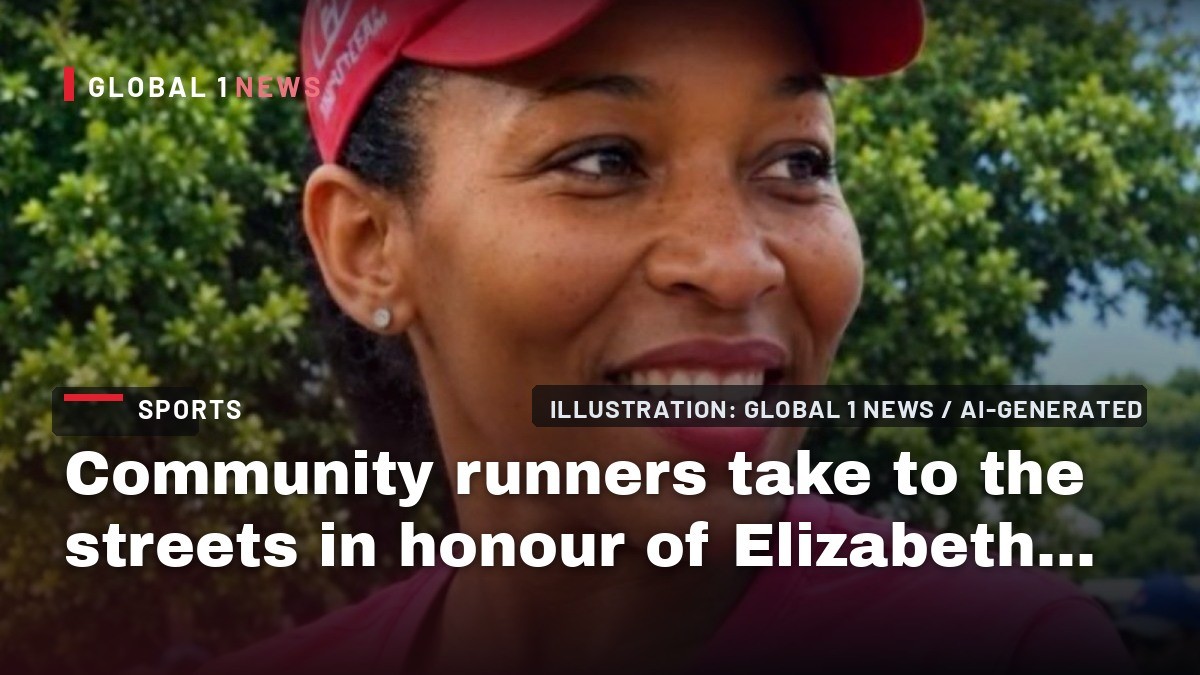
When Elizabeth Mokolo Moselakgomo – affectionately known as “Tsontso” – set out for her usual afternoon run on 9 September, she never made it back home. The 38‑year‑old manager of Festival Mall, choir singer and dedicated athlete vanished from Rhodesfield, Kempton Park, prompting an outpouring of grief that rippled through the running community from Johannesburg to Eswatini. In the days that followed, streets that had been her training ground became the route of a collective tribute, a moving reminder of how sport can both bind a community and spotlight the scourge of gender‑based violence that has claimed the lives of several women in the region.
Tsontso’s life on and off the track
Elizabeth Moselakgomo was more than a runner; she was a pillar of her neighbourhood. By day she managed the bustling Festival Mall shopping centre, a role that placed her at the heart of local commerce and community interaction. In the evenings she lifted her voice in the church choir, a testament to her commitment to both physical and spiritual wellbeing. Her passion for running was evident in her affiliation with Team Vitality and Waterfall City Athletics Club, and she had recently crossed the finish line of the Wanderers half‑marathon in Johannesburg on 23 August, a race that underscored her stamina and love for the sport.
Tsontso’s routine was simple yet disciplined: a daily afternoon jog that allowed her to clear her mind and stay fit. On 9 September she left her home on Mustang Street in Rhodesfield for what should have been a routine run. By 18:30, when her eight‑year‑old daughter realised her mother had not returned, panic set in. The child’s alarm sparked a search that would later uncover a tragic reality – Tsontso’s body was found on 13 September behind a hotel in Rhodesfield, still in her sports attire but partially unclothed. The family identified her at the Germiston mortuary on 14 September, confirming the loss that would soon galvanise a community.
The memorial run that united Rhodesfield
In the wake of the discovery, residents of Kempton Park and neighbouring suburbs gathered for a memorial run on Tuesday afternoon, organised by community member Penny Letsoalo. The run began near the hotel where Tsontso’s body had been found, a poignant starting point that linked the route directly to the tragedy. Runners then made their way to Tsontso’s home on Mustang Street before proceeding to the spot where her remains were recovered. There, participants lit candles, held prayers and observed a moment of silence, turning the streets into a living tribute.
Letsoalo, who lived in the same area but did not know Tsontso personally, described the experience as emotionally overwhelming. “I got numb, like I got so emotional, and I was having anxiety about this whole thing,” she told SABC News, reflecting the collective shock felt by many who saw their familiar streets suddenly become a place of mourning. The memorial run was not just a tribute to an individual; it was a statement of solidarity against the violence that has increasingly haunted the region.
A wave of tribute runs across the province
The Rhodesfield memorial sparked a cascade of tribute runs throughout Gauteng. Running clubs in Johannesburg, Tshwane and Ekurhuleni organised their own events, dedicating distances to Tsontso and to other women who have fallen victim to gender‑based violence. Waterfall City Athletics Club, the very club Tsontso ran for, and Run Alex Athletics Club were among the groups that pledged to honour her memory on the track. These runs served a dual purpose: they celebrated Tsontso’s love of sport while raising awareness of the broader issue of violence against women.
The reach of the tribute extended beyond South Africa’s borders. In Eswatini, runners completed a 10 km club run in her honour, demonstrating how the tragedy resonated across the region. Such cross‑border solidarity underscores the shared challenges faced by Southern African communities and the unifying power of sport as a platform for social commentary.
Athletics South Africa’s response
Terrence Magogodela, Acting CEO of Athletics South Africa, expressed the deep grief felt by the national athletics community. He affirmed that the organisation trusts the ongoing investigation will uncover the truth and hold those responsible accountable. While the athletics body refrained from commenting on the specifics of the case, its public statement highlighted the sector’s commitment to supporting victims’ families and ensuring that the sport remains a safe space for all participants.
Magogodela’s remarks also reflected a broader concern within South African sport: the need to address gender‑based violence not only as a societal issue but as a direct threat to athletes’ safety. By acknowledging the tragedy and calling for accountability, Athletics South Africa positioned itself as an advocate for change, aligning with other sporting bodies that have begun to confront the scourge of violence head‑on.
The wider investigation into gender‑based killings
Tsontso’s case forms part of a larger investigation that now covers nine women found dead across Kempton Park, Olifantsfontein, Clayville and KwaThema since July. While police have cautioned that it is too early to determine whether these deaths are linked, the pattern has raised alarm bells among community leaders and activists. The concentration of cases in the Ekurhuleni region has prompted calls for a coordinated response that addresses both crime prevention and the underlying social drivers of gender‑based violence.
The ongoing investigation underscores the urgent need for systemic change. Community members, including those who organised the memorial run, have voiced a desire for swift justice and preventative measures. The public outcry, amplified by the tribute runs, places pressure on law enforcement and policymakers to deliver tangible results and to ensure that the streets remain safe for women exercising their right to movement and recreation.
The role of sport in healing and activism
Running, for many South Africans, is more than a fitness activity; it is a cultural ritual that fosters community cohesion and personal resilience. The tribute runs for Tsontso illustrate how sport can become a conduit for collective mourning and a platform for activism. By taking to the streets, runners transformed a personal tragedy into a public statement, demanding attention to gender‑based violence while celebrating the life of a beloved community member.
This phenomenon is not new in South African sport. From rugby fans chanting for transformation to cricket supporters rallying against corruption, the sporting arena has long been a space where societal issues are aired. The Tsontso tribute runs add to this legacy, showing that grassroots sport can mobilise people across age, gender and socioeconomic lines to stand together against injustice.
Looking ahead: safeguarding women in sport
As the investigation continues, the running community and broader sporting bodies must translate the momentum of the tribute runs into lasting change. Initiatives could include safety workshops for female athletes, community patrols on popular jogging routes, and partnerships with law enforcement to ensure rapid response to missing‑person alerts. The collective grief that sparked the runs also offers an opportunity for dialogue on how to make public spaces safer for women, a conversation that must involve municipal authorities, civil society and sport administrators.
For the families left behind, the tribute runs serve as a bittersweet reminder of what was lost and what can be reclaimed. Tsontso’s legacy now lives on in the footsteps of countless runners who, each time they lace up their shoes, honour her memory and stand in solidarity with all women whose lives have been cut short by violence. In the spirit of South African sport – resilient, communal and fiercely hopeful – the streets of Rhodesfield will continue to echo with the rhythm of determined feet, a living tribute to a life that, though tragically ended, will inspire change for years to come.
This article was produced with AI-assisted research and editorial support. Reporting is based on the source material cited below. Sources: The South African; thesouthafrican.com; Global1.News (17 September 2026).
By Dante Williams, Staff Writer
What's Your Reaction?
 Like
0
Like
0
 Dislike
0
Dislike
0
 Love
0
Love
0
 Funny
0
Funny
0
 Wow
0
Wow
0
 Sad
0
Sad
0
 Angry
0
Angry
0

Breaking News and Investigations Correspondent at Global1.News. Based in London, covering global breaking news, security, and investigative stories. Known for digging deeper and connecting the dots across continents.














Comments (0)