
Avalanche on Broad Peak Kills Legendary Climber Nims Purja and Nine Others
The mountaineering world is in mourning after the loss of Nirmal Purja and nine fellow climbers swept away by an avalanche on Broad Peak in Pakistan's Karakoram range. The 43-year-old Nepali-British record holder, known around the globe as Nims Dai, led the expedition that vanished on Thursday, with all ten confirmed dead by Saturday as recovery teams battled harsh conditions in Gilgit-Baltistan.
The mountaineering world is in mourning after the loss of Nirmal Purja and nine fellow climbers swept away by an avalanche on Broad Peak in Pakistan's Karakoram range. The 43-year-old Nepali-British record holder, known around the globe as Nims Dai, led the expedition that vanished on Thursday, with all ten confirmed dead by Saturday as recovery teams battled harsh conditions in Gilgit-Baltistan.
Avalanche on Broad Peak Claims Legendary Climber Nims Purja and Nine Others
Gilgit-Baltistan, Pakistan – This Week — Rescue crews recovered seven bodies from the 8,051-metre peak after the Thursday avalanche struck the ten-member team at midday. Pakistani officials confirmed the deaths of Purja and his companions from Nepal, Pakistan, Oman, the United States and China, ending one of the most high-profile expeditions ever attempted on the world's twelfth-highest mountain.
The Avalanche Strikes the Karakoram
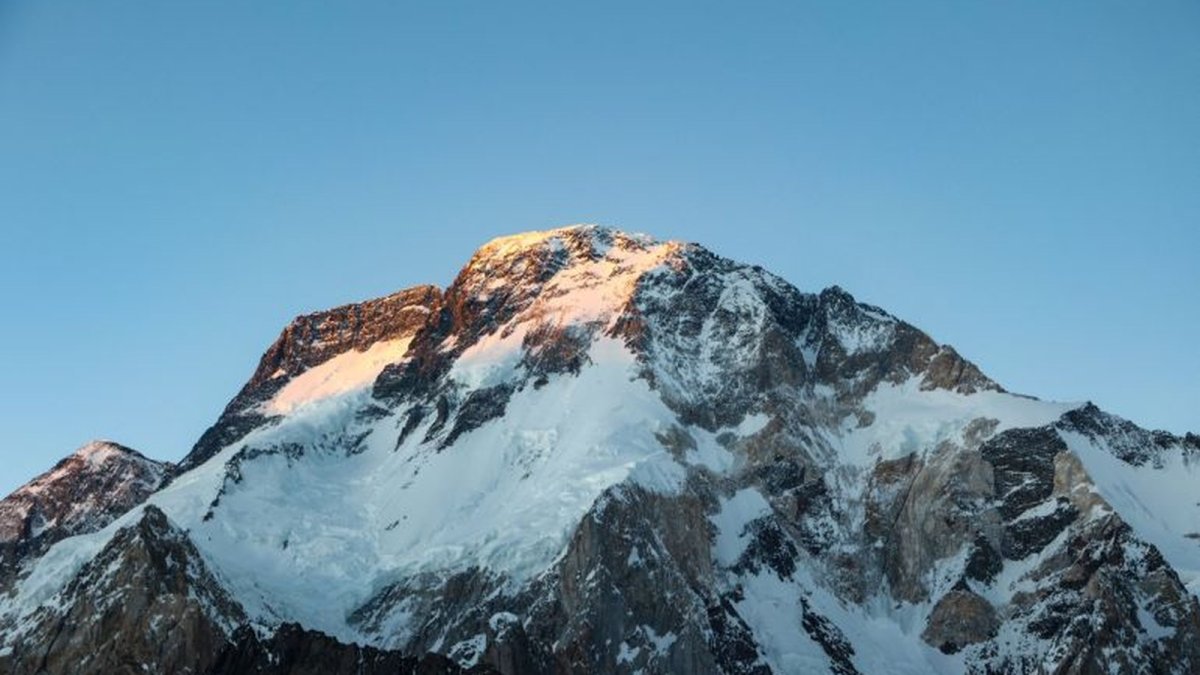
The Alpine Club of Pakistan reported the team missing after the avalanche hit Broad Peak on Thursday, with the entire group out of contact in the remote Karakoram range. The club described receiving "deeply concerning reports of an avalanche that struck a team of climbers on Broad Peak (8,047m)", as search efforts immediately zeroed in on a "remote and difficult area", according to Sajid Hussain, deputy director of tourism in Gilgit-Baltistan. The group included five Nepali climbers, Pakistani guide Sohail Sakhi from Hunza, Omani climber Nadhira Al Harthy, American Mallory Geis and Chinese climber Wang Zhong.
Broad Peak stands as the world's 12th-highest mountain at 8,051 metres, one of the most technically punishing ascents among the 14 eight-thousanders — the peaks above 8,000 metres, of which eight sit in Nepal, five in Pakistan and one in Tibet. The Alpine Club of Pakistan promised that "every possible effort is being made to ensure that helicopter support and all available rescue resources are mobilised at the earliest opportunity, subject to weather and operational conditions", a pledge that would be tested over the days to come. The loss of communication so early in the operation underscored just how isolated the Gilgit-Baltistan slopes remain when the weather turns and helicopter access is hampered by punishing terrain.
The Man Who Conquered the Impossible
Purja, 43, traded his British Army special forces career for full-time mountaineering in 2018 after serving as a Gurkha, among the most celebrated soldiers in the British forces. That switch ignited a run of records that took him from relative obscurity to global recognition as "Nims Dai", culminating in his 2019 conquest of all 14 eight-thousanders in just 189 days between April and October — a record at the time, later surpassed in 2023. The feat was immortalised in the Netflix documentary "14 Peaks: Nothing is Impossible" and cemented his place among the barely more than three dozen climbers who have ever topped every 8,000-metre peak.
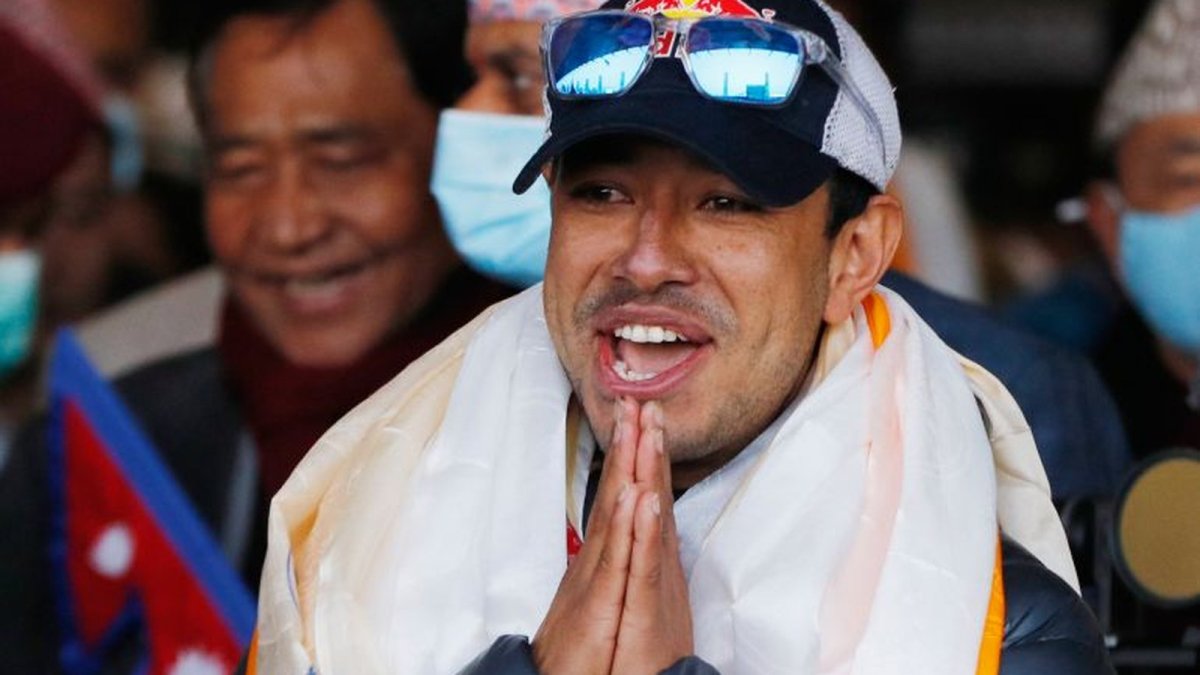
In 2021, Purja completed the first winter ascent of K2, the world's second-highest mountain, as part of an all-Nepali team of ten. His own expedition company, Elite Exped, later hailed him as a leader who "inspired millions through his courage and humility". Those achievements carried the same raw passion South African sports fans recognise in their own endurance heroes, where preparation meets unrelenting will on the highest stages.
The International Toll on Five Nations
The ten climbers represented five countries — Nepal, Pakistan, Oman, the United States and China — a stark reminder of Broad Peak's international pull. Nepali climber Pur Bahadur Gurung, known to friends as Yukta, had scaled Everest ten times, more than anyone else from the Gurung community, and completed 12 of the world's 8,000-metre peaks, including a 24-hour K2 summit that stood as a benchmark for speed and rescue work. He was regularly involved in rescue operations for tourists stranded in the mountains.
Omani climber Nadhira Al Harthy became the first Omani woman to summit Everest in 2019 and the first Omani to climb K2, holding a master's degree in geography while serving as director of the Citizenship Department at Oman's Ministry of Education. American Mallory Geis, 39, from San Antonio, Texas, closed her Pilates studio for her first Pakistani 8,000-metre attempt, describing it as "a giant leap of faith into the unknown". Pakistani guide Sohail Sakhi from Hunza had planned this as his final trip before retirement, while Chinese climber Wang Zhong joined Nepali climbers Nima Sherpa and Kili Pemba Sherpa on the doomed expedition.
The Rescue and Recovery Operation
Search crews located four bodies on Friday but could only recover three as bad weather grounded helicopters: Pur Bahadur Gurung (Yukta), Nadhira Al Harthy and Mallory Geis. By Sunday a ground team reached the remains of Purja along with Wang Zhong, Nima Sherpa and Kili Pemba Sherpa, though three climbers including Sohail Sakhi stayed missing in the treacherous terrain. For Purja's family and the global climbing community, those days of waiting — first for news, then for confirmation — were agonising, with Elite Exped director Mingma Gyabu Sherpa among those relaying the grim updates from base camp.
Pakistan's limited long-line helicopter rescue capacity compared with neighbouring Nepal slowed every stage of the operation across the remote Gilgit-Baltistan slopes. By early August, Pakistani officials and Elite Exped confirmed all bodies had been recovered or located, with retrieval teams finally bringing the last remains down from Broad Peak as the mountaineering world paid tribute.
A Global Wave of Tributes
News of Purja's death, confirmed by Elite Exped on Saturday, reverberated far beyond climbing circles. Nepal's Prime Minister Balendra Shah offered his condolences over the "tragic" deaths, saying the climbers' "physical journey" had been interrupted but "the history of their courage, dedication, and contributions will always remain inspiring". At Small Heaven School in Nepal's Chitwan district, where Purja boarded for eight years before joining the Gurkhas, students and teachers gathered around his photograph, lighting candles and laying flowers in a quiet tribute that captured the scale of the loss.
The response underlined how Purja had become more than a mountaineer. His 2019 record, the Netflix documentary and his 2021 winter K2 triumph turned him into a symbol of what sheer will can achieve — the kind of story that inspires young athletes in every corner of the world, from the valleys of Nepal to the townships of South Africa.
South African Perspective on High-Altitude Courage
South African high-altitude pioneers like Saray Khumalo and Sibusiso Vilane embody the same unbreakable spirit that drove Purja and his team, carrying national pride onto Everest just as Springboks and Proteas fans celebrate courage under pressure. The Broad Peak tragedy resonates deeply with SA's endurance culture, where Comrades Marathon runners and Dusi Canoe Marathon paddlers know that preparation and raw resilience decide outcomes on the toughest courses.
Transformation remains central to South African sport, with federations such as SARU and CSA pushing grassroots access so more communities can chase elite dreams, yet global adventure sport still demands resources that limit participation from developing nations. The human cost on Broad Peak reminds every fan that national pride through sport carries real sacrifice — the same price paid by those who test limits whether on rugby fields or Himalayan ridges.
That shared hunger for greatness unites supporters across continents, turning individual courage into collective inspiration long after the final whistle or the final summit.
Implications for the Sport of Mountaineering
Commercial expeditions on 8,000-metre peaks now face renewed scrutiny over safety protocols, permit systems and the heavy exposure placed on guides. Broad Peak's technical demands and remote Gilgit-Baltistan location have exposed clear gaps in rescue infrastructure that Pakistan must address if future teams are to operate safely.
The climbing community is debating how record pursuits and guided trips can balance ambition with survival when weather windows close rapidly at altitude. Guides like Yukta and Sakhi — the very people who make summits possible for others — often shoulder the greatest risk, a reminder that every successful ascent is a team effort built on shared sacrifice.
Across the wider sporting world the lesson is clear: elite risk forms part of the price of greatness in every discipline, from high-altitude climbs to the most demanding endurance events South African athletes tackle each year.
What to Watch For
Recovery operations continue as remains are returned to families across five countries, while tributes pour in from Nepal's Prime Minister Balendra Shah and the global climbing community. The 2026 Pakistan expedition season may bring tightened permit rules and enhanced helicopter support following safety reviews triggered by the Broad Peak disaster.
Purja's legacy — built on his 189-day record, the Netflix documentary and his ability to inspire the next generation of high-altitude athletes — will shape how young climbers approach these peaks. His journey from a Nepali village school to the top of the world's 14 highest mountains remains one of sport's great underdog stories, proof that background and resources are no match for discipline and desire. For South African fans the enduring lesson remains preparation, resilience and the shared human spirit that drives athletes to test limits on Everest, the Comrades route or any field where courage meets consequence.
By Dante Williams, Staff Writer
This article was produced with AI-assisted research and editorial support. Reporting is based on sources cited in the article.
What's Your Reaction?
 Like
0
Like
0
 Dislike
0
Dislike
0
 Love
0
Love
0
 Funny
0
Funny
0
 Wow
0
Wow
0
 Sad
0
Sad
0
 Angry
0
Angry
0

Breaking News and Investigations Correspondent at Global1.News. Based in London, covering global breaking news, security, and investigative stories. Known for digging deeper and connecting the dots across continents.













Comments (0)