
Asahi and Kirin among Japan beer giants raided over alleged price-fixing cartel
The Japan Fair Trade Commission (JFTC) has launched simultaneous raids on the nation’s four largest beer producers—Asahi, Sapporo, Kirin and Suntory Spirits—over allegations that they colluded to raise the price of their products.
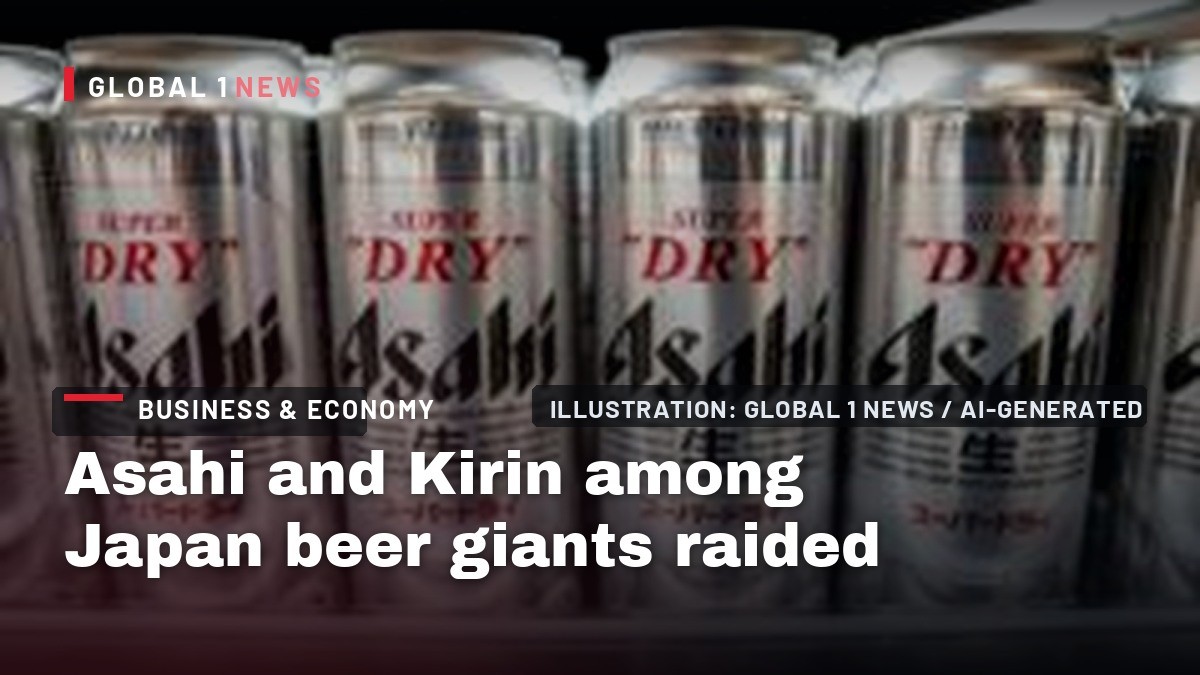
The Japan Fair Trade Commission (JFTC) has launched simultaneous raids on the nation’s four largest beer producers—Asahi, Sapporo, Kirin and Suntory Spirits—over allegations that they colluded to raise the price of their products. The coordinated inspections, confirmed by each company, signal a deepening regulatory focus on price‑setting practices in Japan’s beverage sector, an industry that has long been dominated by a handful of conglomerates whose brands are ubiquitous in supermarkets, convenience stores and on‑the‑go drinking establishments across the country.
Scope of the investigation
The JFTC’s actions, disclosed on 8 October 2026, target alleged violations of the Antimonopoly Act, Japan’s principal competition law. According to the regulator’s Secretary General Iwanari Hiroo, the investigation is in a preliminary stage and details remain confidential. Nonetheless, the agency’s decision to conduct on‑site inspections at all four firms underscores the seriousness with which it views the potential collusion.
Both Kirin Holdings and Suntory Spirits issued statements confirming that their premises were searched “on suspicion of a violation of the Antimonopoly Act.” Kirin’s subsidiary, Kirin Brewery Company, was specifically mentioned, while Suntory’s comment referred to “potential violation… relating to domestic alcohol trade practices.” Asahi and Sapporo, though not providing the same level of detail, also acknowledged the raids and pledged full cooperation. The uniformity of the response suggests an industry‑wide consensus to engage with the regulator, perhaps to mitigate reputational damage and avoid protracted litigation.
Chronology of price increases
The investigation centres on price hikes that occurred in two distinct periods: April of the previous year and October 2022. During those months, all four companies announced increases in the price of their beer products, citing higher raw‑material costs, energy expenses and transportation fees as the primary drivers. This pattern of synchronized price adjustments across competing firms raises the question of whether the hikes were independently justified or the result of tacit coordination.
Japan’s beer market, dominated by Asahi, Sapporo, Kirin and Suntory, has historically seen modest price movements, with manufacturers often citing external cost pressures to justify adjustments. However, the simultaneous timing of the April and October increases—spanning a twelve‑month interval—creates a plausible basis for the JFTC’s suspicion of a cartel, especially given the absence of any publicly disclosed competitive justification for aligning price changes so closely.
Market impact and investor reaction
Following the announcement of the raids, the share prices of Asahi, Kirin and Sapporo fell, reflecting investor concern over potential regulatory penalties and the broader uncertainty surrounding the investigation. While Suntory’s beer business is not publicly listed and therefore did not experience a direct market reaction, the company’s public apology indicates awareness of the reputational stakes involved.
The immediate market response highlights the sensitivity of Japanese equity investors to antitrust scrutiny, particularly in sectors where a few firms wield outsized market power. A decline in share price, even if short‑lived, can affect corporate financing costs, investor confidence and, ultimately, the firms’ ability to invest in product development or expansion. The JFTC’s actions may therefore have a ripple effect beyond the beer industry, prompting other dominant sectors to reassess their pricing strategies.
Regulatory context and precedent
The current probe follows a June‑2026 investigation by the JFTC into alleged cartel activity among Japan’s largest ice‑cream manufacturers, including Meiji and Ezaki Glico, the maker of Pocky. That earlier case demonstrated the regulator’s willingness to scrutinise price‑fixing across consumer‑goods markets, signalling a broader policy shift toward stricter enforcement of the Antimonopoly Act.
Japan’s competition authority has historically balanced the need to protect consumers from inflated prices with the desire to preserve the profitability of domestic manufacturers facing rising input costs. The recent focus on both the beverage and confectionery sectors suggests a strategic effort to curb coordinated price‑setting practices that could erode consumer purchasing power, especially as Japan grapples with a shrinking and aging population.
Corporate responses and risk management
Each of the four firms has emphasized cooperation with the JFTC, a stance that may serve multiple purposes. First, it signals compliance with legal obligations, potentially mitigating the severity of any future penalties. Second, it allows the companies to shape the narrative, portraying themselves as transparent and responsible actors in the market.
Kirin Holdings explicitly noted that the impact of the investigation on its financial results remains undetermined, and pledged to disclose material developments promptly. This cautious language reflects a risk‑management approach, preserving flexibility while awaiting further clarification from the regulator. Similarly, Suntory’s apology highlighted concern for customers, business partners and other stakeholders, an effort to preserve brand goodwill amid uncertainty.
Implications for the Japanese beer market
If the JFTC ultimately determines that the price hikes were the result of coordinated action, the consequences could be significant. Potential remedies might include fines, orders to unwind the price increases, or mandatory compliance programs to prevent future collusion. Such measures could force the dominant brewers to adopt more competitive pricing, potentially benefitting consumers but also compressing profit margins.
Beyond immediate financial implications, a finding of cartel behaviour could reshape market dynamics. Smaller breweries, already facing stiff competition from the “big four,” might find new opportunities if the dominant players are compelled to lower prices or increase transparency. Conversely, the larger firms could intensify non‑price competition—through product innovation, marketing, or diversification into premium and craft segments—to protect market share.
Broader economic and cultural considerations
The beer sector occupies a distinctive cultural niche in Japan, where domestic brews are a staple of social gatherings, corporate events and regional festivals. Any regulatory action that alters pricing or availability could therefore have social repercussions, influencing consumption patterns and the profitability of ancillary businesses such as izakayas and convenience stores.
Moreover, the investigation arrives at a time when Japan’s overall consumer market is confronting demographic headwinds. A shrinking population and a growing proportion of elderly consumers place pressure on companies to maintain volume while managing cost structures. The JFTC’s scrutiny of price‑setting practices may reflect a broader governmental intent to safeguard consumer welfare amid these macro‑economic challenges.
This article was produced with AI-assisted research and editorial support. Reporting is based on the source material cited below. Sources: BBC News Asia; bbc.co.uk; Global1.News (08 October 2026).
By Kenji Tanaka, Staff Writer
What's Your Reaction?
 Like
0
Like
0
 Dislike
0
Dislike
0
 Love
0
Love
0
 Funny
0
Funny
0
 Wow
0
Wow
0
 Sad
0
Sad
0
 Angry
0
Angry
0

Japan Correspondent at Global1.News. Tokyo-based voice covering Japanese politics, technology, economy, and culture. Tracks the intersection of tradition and innovation in one of the world's most dynamic societies.














Comments (0)