
African greats inspired by the potential of Nairobi 2029
When World Athletics announced on Tuesday that Nairobi will host the 2029 World Athletics Championships, a wave of jubilation swept across the continent.
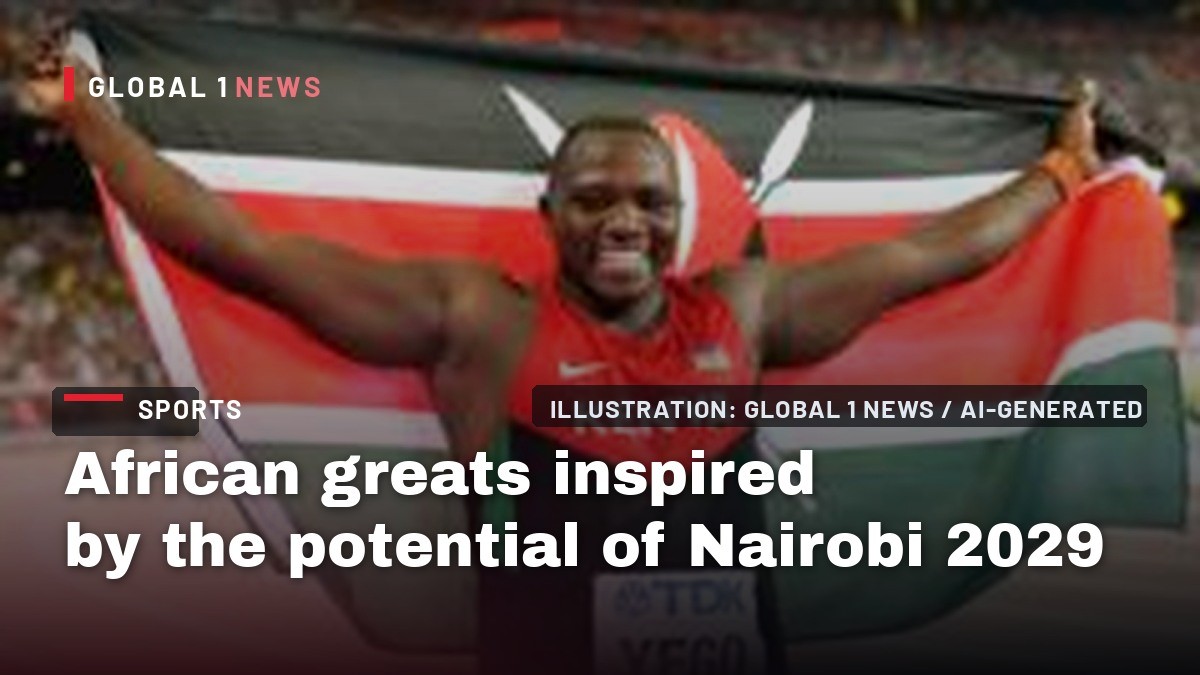
When World Athletics announced on Tuesday that Nairobi will host the 2029 World Athletics Championships, a wave of jubilation swept across the continent. The decision marks the first time the flagship track and field event will be staged in Africa, and the reaction from athletes, officials and fans underscores how deeply sport is woven into the continent’s cultural fabric. From the streets of Nairobi to the highlands of Ethiopia, the news is being celebrated as a milestone that could reshape Africa’s sporting narrative and inspire a new generation of champions.
Historic bid win and its symbolic weight
The Kenyan capital secured the bid over former Olympic hosts London and Rome, a triumph that many view as a symbolic reclamation of Africa’s place on the global sporting stage. Julius Yego, the 2015 javelin world champion, described the victory as “a huge thing for Africa,” emphasizing that the continent has long produced world‑class athletes but has rarely been given the platform to showcase them at home. He noted that the event will bring “people to Africa” and allow the world to truly “know Africa.”
Haile Gebrselassie, the Ethiopian two‑time Olympic 10,000 m champion, echoed this sentiment, calling the announcement “wonderful news” for the whole continent. He highlighted the broader significance, suggesting that the championship is “something very big in front of your people, in front of your city,” and that it could spark a ripple effect across Africa, encouraging other nations to pursue major international events.
Beyond the prestige of hosting, the bid’s success is seen as a confidence‑boost for African organizers. Yogo pointed to past successes, such as South Africa’s 2010 World Cup, to argue that Africa is fully capable of delivering world‑class spectacles. The Nairobi bid, he argued, proves that “we need to think big and plan ahead” and that the continent can aspire to even larger ambitions, like hosting the Olympics.
Athlete reactions: pride and anticipation
The announcement resonated deeply with Africa’s track and field elite. Yogo, now 37, expressed personal excitement, saying, “I’m so happy that the world will come to Kenya.” He added that the championship will allow African athletes to compete on home soil, a rare opportunity that could shift the dynamics of performance and fan support. Julius Yego’s enthusiasm reflects a broader sentiment among athletes that the event will be a catalyst for growth.
Former world champion Janeth Jepkosgei, the 2007 women’s 800 m world champion, described the decision as “really exciting” and a powerful motivator for youth. She emphasized that the championship gives young athletes a tangible goal: “It means a lot for the youth and the juniors because it makes the dream really big.” As a coach, she sees the event as a concrete target for her trainees, encouraging them to “stay dedicated, focused and disciplined.”
Kenyan sprinter Ferdinand Omanyala, holder of the African 100 m record, recalled how Nairobi’s hosting of the Under‑18 World Championships in 2017 inspired his own career. Looking ahead to 2029, he predicts a “big boost” for both current athletes and future generations, noting that watching stars warm up and compete in person will be “a huge motivation.”
Economic and social implications for Kenya
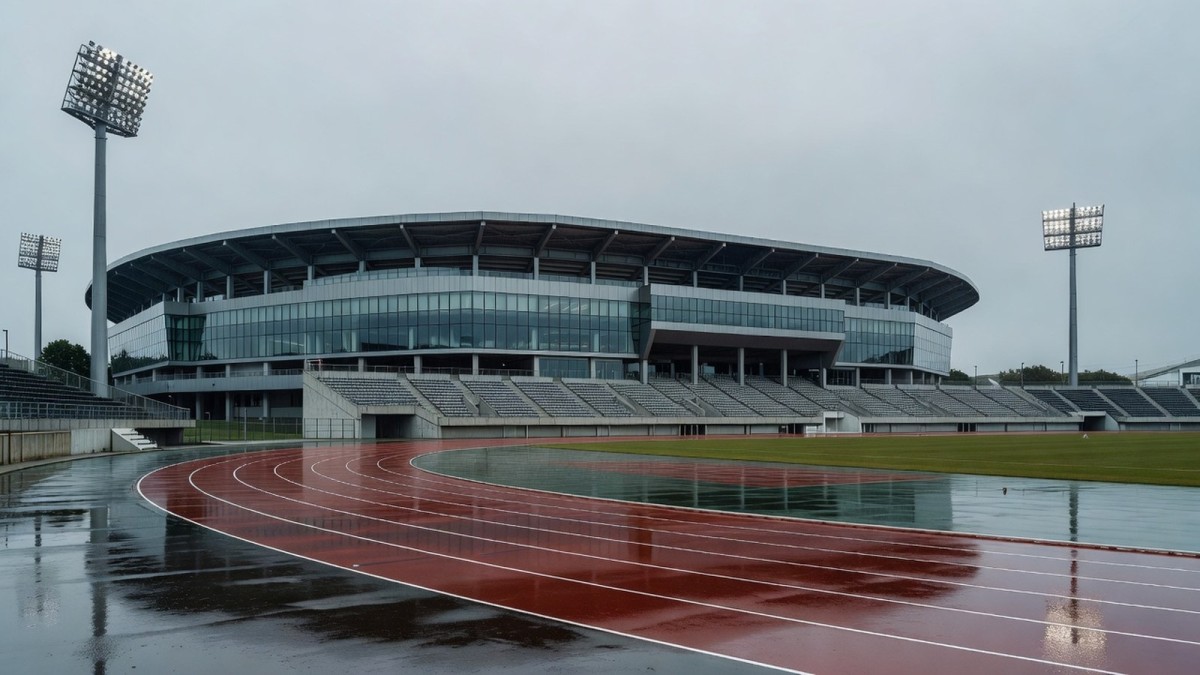
Hosting the championships is expected to generate significant economic activity, especially as the 48,000‑capacity Kasarani Stadium undergoes redevelopment ahead of the 2027 Africa Cup of Nations. Gebrselassie highlighted the stadium’s potential, saying the atmosphere will be “very different” and that many spectators will travel to Nairobi to watch the competition. This influx of visitors promises to stimulate hospitality, transport and related sectors.
The event also carries a social dimension. A World Athletics survey revealed that 68 % of Kenyans rate their interest in athletics as high, underscoring the sport’s deep roots in national identity. The championship will likely amplify this passion, fostering community pride and encouraging participation at grassroots levels. As athletes like Omanyala note, seeing world‑class competition up close can inspire children to take up the sport, expanding the talent pool.
Beyond the immediate economic boost, the championship could serve as a showcase for Kenya’s capacity to host large‑scale events, potentially attracting future bids for international tournaments. Gebrselassie suggested that success in Nairobi could open doors for other African cities, noting, “If Nairobi can host this championship, why not Addis Ababa? Why not Lagos or South Africa, Uganda, Rwanda?”
Regional sporting calendar and Africa’s rising profile
The 2029 championships arrive amid a packed African sporting agenda. The continent will host the Youth Olympics in Dakar from 31 October to 13 November, and South Africa, Zimbabwe and Namibia are set to stage next year’s men’s Cricket World Cup. Moreover, the men’s FIFA World Cup will return to Africa in 2030, with Morocco co‑hosting alongside Spain and Portugal.
This clustering of high‑profile events signals a strategic push by African nations to claim a larger share of the global sports market. As Yogo observes, seeing athletics’ flagship competition on African soil should “give the rest of the continent belief in their abilities to put on major events.” The momentum generated by these events could reinforce Africa’s reputation as a reliable host, encouraging investment in infrastructure and sporting development.
Both Egypt and South Africa have expressed interest in bidding for the 2036 Olympics, further illustrating the continent’s growing ambition. The success of the Nairobi championships could serve as a proof point for these aspirations, demonstrating that African cities can deliver world‑class facilities and experiences.
Impact on youth development and talent pipelines
Coaches and athletes alike stress that the championship will provide a tangible target for young runners. Jepkosgei, now a coach, emphasized that the event gives “a very firm target in mind” for her athletes, encouraging them to set higher goals. She noted that the three‑year window until 2029 offers a crucial period for promising talent to refine their skills and stay disciplined.
Omanyala’s perspective reinforces this view, suggesting that witnessing elite athletes train and compete locally will spark “up‑and‑coming athletes” to pursue the sport seriously. The presence of world champions in Nairobi could also facilitate mentorship opportunities, as seasoned athletes may engage with local clubs and schools during the event’s buildup.
Overall, the championship is poised to act as a catalyst for strengthening Africa’s talent pipelines, linking grassroots development with elite performance pathways. By providing a home‑ground platform for world competition, the event could help retain promising athletes who might otherwise seek training opportunities abroad.
Political and diplomatic dimensions
Beyond sport, the championship carries diplomatic weight. Gebrselassie highlighted that the event is “big chance, not only in sport, in economy, politics,” underscoring how major sporting events can serve as platforms for regional cooperation and soft power. Hosting the championships allows Kenya to showcase its stability, hospitality and organizational capacity to an international audience.
Yogo’s remarks about dreaming of hosting the Olympics illustrate how sport can feed into broader national narratives of progress and development. By delivering a successful championship, Kenya could strengthen its standing within the African Union and the broader international community, potentially influencing future bids for events like the Olympics.
The championship also offers an opportunity for African unity. As athletes from across the continent converge in Nairobi, the event can reinforce a shared identity and collective pride, echoing the sentiment that “Africa has produced the best of athletes.” Such moments of continental solidarity can translate into stronger political ties and collaborative initiatives beyond sport.
Looking ahead: legacy and long‑term prospects
As the countdown to 2029 begins, the focus shifts to ensuring that the championship leaves a lasting legacy. The redevelopment of Kasarani Stadium, already underway for the 2027 Africa Cup of Nations, will provide a modern venue that can host future events, from continental championships to possible Olympic trials. This infrastructure investment represents a tangible benefit that will outlive the competition itself.
More importantly, the championship promises to embed a culture of high‑performance athletics within Kenya and across Africa. By bringing the world’s best to Nairobi, the event will inspire countless young athletes, reinforcing the belief that “the world will come to Kenya” and that African talent can shine on the biggest stages without leaving the continent.
In the words of Haile Gebrselassie, the moment is a “big chance” for Africa to demonstrate its capabilities across sport, economy and politics. If Nairobi delivers a memorable and smoothly run championship, it could set a precedent that encourages more African cities to vie for global events, reshaping the continent’s sporting landscape for years to come.
This article was produced with AI-assisted research and editorial support. Reporting is based on the source material cited below. Sources: BBC News Africa; bbc.co.uk; Global1.News (17 September 2026).
By Amara Diop, Staff Writer
What's Your Reaction?
 Like
0
Like
0
 Dislike
0
Dislike
0
 Love
0
Love
0
 Funny
0
Funny
0
 Wow
0
Wow
0
 Sad
0
Sad
0
 Angry
0
Angry
0

West Africa/Sahel Correspondent at Global1.News. Dakar-based journalist covering politics, security, climate, and development across Francophone and Anglophone West Africa. Tells the stories of a region undergoing profound transformation.











Comments (0)